Let's be honest. You see those gorgeous crepe myrtles lining streets and brightening gardens all summer and think, "I want that." Then you plant one. Maybe it grows like a wild weed but never flowers. Maybe it gets covered in a white, powdery mess. Or maybe you've seen those sad, knobby stumps people call pruning – a crime we'll address head-on. I've grown dozens of these trees over twenty years, made every mistake, and learned what actually works. This isn't just a plant profile; it's a roadmap to avoiding frustration and getting the vibrant, long-lasting color you're after.
What You'll Find in This Guide
Picking the Perfect Crepe Myrtle for Your Space
The biggest mistake? Grabbing the first pretty one at the nursery. Size matters more than color. A 'Natchez' planted under a power line is a future nightmare. Crepe myrtles come in dwarf, medium, and tree forms. Match the mature height to your spot.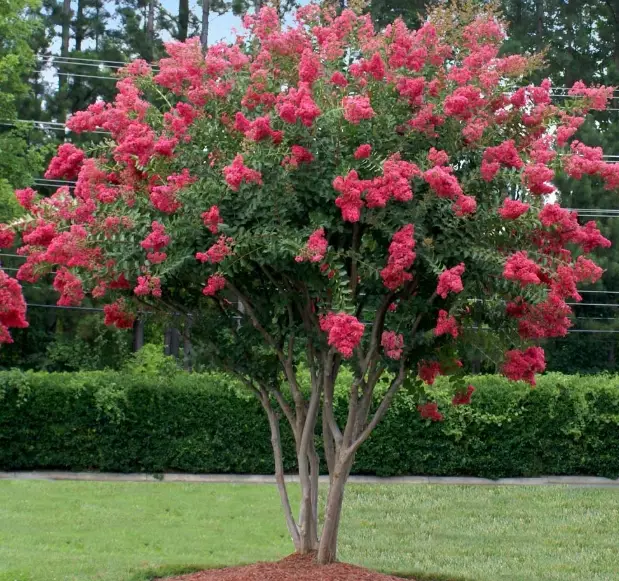
Then there's disease resistance. Older varieties like 'Watermelon Red' are mildew magnets in humid climates. Newer cultivars from the U.S. National Arboretum breeding program are game-changers. Look for names like 'Natchez', 'Muskogee', 'Tuscarora', or 'Sioux'. They're bred for resistance.
My personal rule: I almost never recommend non-resistant varieties anymore. Why fight a preventable problem? The Arboretum series gives you stunning bark, great fall color, and reliability.
Here’s a quick comparison of some top performers to help you decide:
| Variety Name | Mature Size (H x W) | Flower Color | Key Features & Resistance |
|---|---|---|---|
| Natchez | 20-30 ft x 15-25 ft | Pure White | Exfoliating cinnamon bark, excellent mildew resistance, fast grower. A classic tree form. |
| Tuscarora | 15-20 ft x 10-15 ft | Dark Coral Pink | Vibrant color, good resistance, attractive gray-brown bark. Medium-large shrub/small tree. |
| Sioux | 12-15 ft x 8-12 ft | Bright Pink | Dense, upright habit. Reliable bloomer with good disease resistance. Perfect for smaller yards. |
| Pocomoke | 2-3 ft x 2-3 ft | Deep Rose Pink | True dwarf. Ideal for containers, small borders, or as a low hedge. Blooms at a young age. |
| Delta Jazz | 8-10 ft x 6-8 ft | Burgundy-Purple | Dark, nearly black foliage with pink flowers. Striking contrast plant. Moderate resistance. |
The Right Way to Plant Your Crepe Myrtle
Planting is straightforward, but a few missteps haunt you for years. The number one issue? Depth.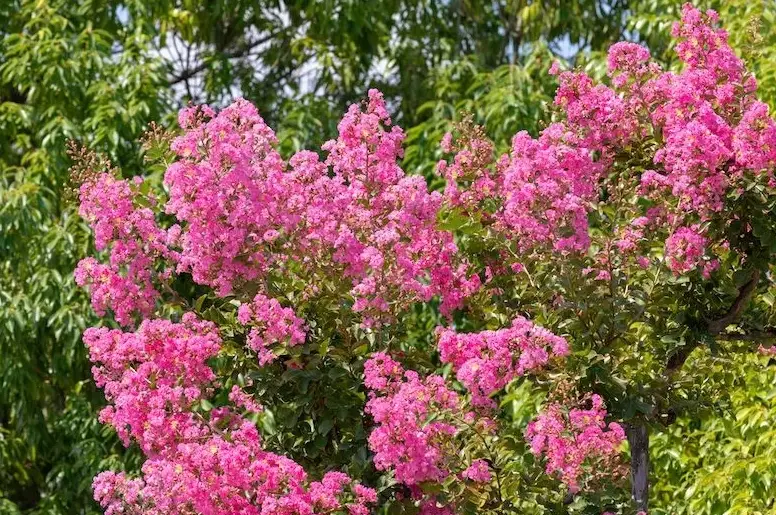
Location and Timing
Full sun. Not partial sun. Not "mostly" sun. Six hours of direct, unfiltered sunlight minimum. Less equals weak growth and few to no flowers. Plant in spring or early fall to let roots establish before extreme heat or cold.
The Planting Hole and Soil
Dig a hole twice as wide as the root ball, but no deeper. The top of the root ball should be slightly above the surrounding soil level. I plant them an inch or two high. Why? They settle, and deep planting leads to root rot and poor growth. Backfill with the native soil you dug out. Don't create a rich "bathtub" that holds water. These trees are tough and adapt to most soils if they drain.
Avoid this: Piling mulch against the trunk ("volcano mulching"). It keeps the bark moist, inviting pests and disease. Create a donut, not a volcano. A 2-3 inch layer of mulch starting a few inches from the trunk is perfect.
Water deeply after planting. Then, for the first growing season, water once a week if there's no rain. They're drought-tolerant once established, but that first year is critical.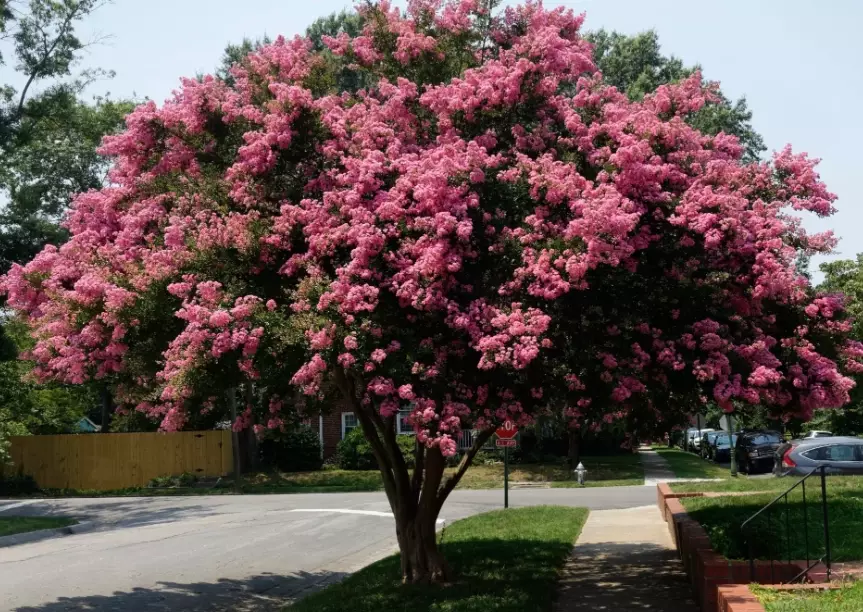
How to Prune Crepe Myrtles (Without Committing "Crape Murder")
This is where most people go wrong. "Crape Murder" is the brutal, indiscriminate topping of branches back to ugly knobs every year. It stimulates weak, whippy growth, reduces flowering, and creates those hideous knuckles. Don't do it.
Proper pruning is about refinement, not butchery. Do it in late winter or very early spring, while the tree is still dormant.
Step-by-Step Pruning for Beauty and Health
First, remove any dead, diseased, or crossing branches. Cut them back to their origin.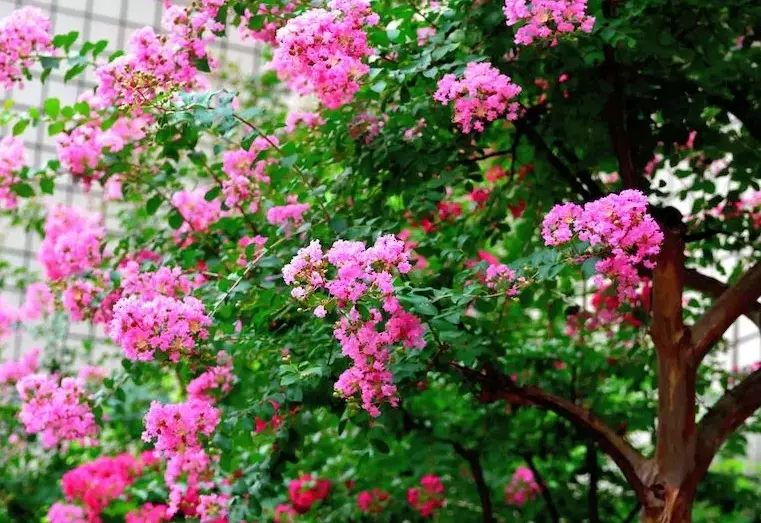
Second, look down low. Remove any suckers (thin shoots) coming up from the base, and any small, inward-growing branches from the main trunks. This cleans up the profile.
Third, for shaping, look at the ends of the main branches. If you need to control size or encourage branching, make your cuts back to a side branch or an outward-facing bud. Make clean cuts. No stubs.
That's it for most trees. For a more tree-like form, you can gradually remove lower branches over a few years to reveal the beautiful, exfoliating bark.
I see landscapers hack them back every year. It's lazy. A well-chosen variety in the right spot needs minimal pruning. My 'Natchez' gets the three-step clean-up above, and that's all. It's a magnificent 20-foot specimen, not a tortured stump.
Solving Powdery Mildew, Pests, and No-Bloom Blues
Let's troubleshoot. Your crepe myrtle looks sick. What now?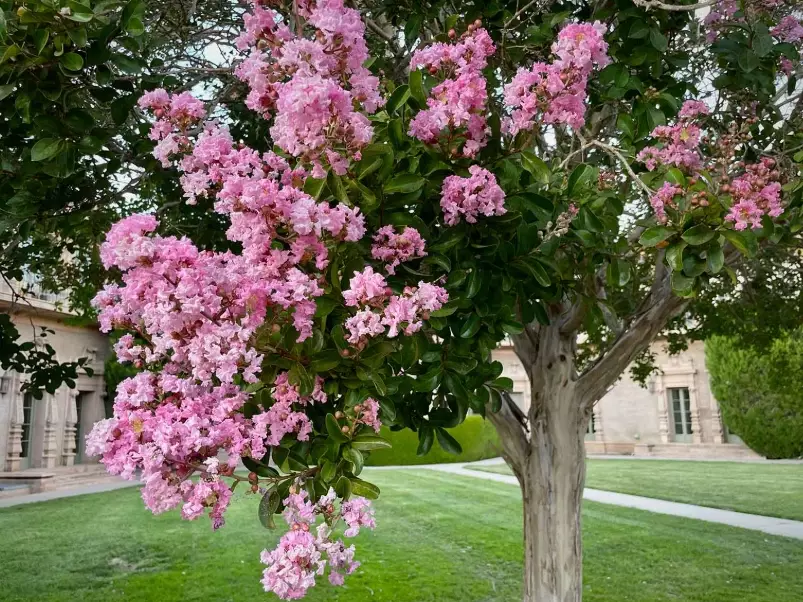
Powdery Mildew (the white powder on leaves): This is the classic issue. Prevention is key – choose resistant varieties and plant in full sun with good air circulation. If it appears, you can often ignore it on established trees. For severe cases, a fungicide labeled for mildew can help. But honestly, I'd consider replacing a chronically sick, non-resistant variety with a better one. It's less work long-term.
Aphids: These tiny bugs suck sap and excrete "honeydew," which leads to sooty mold (a black film on leaves). Blast them off with a strong jet of water. Ladybugs love them. Insecticidal soap is an effective treatment if needed.
Crepe Myrtle Bark Scale: A newer, nasty pest. Look for white or gray felt-like patches on branches and trunks, accompanied by black sooty mold. It's serious. For light infestations, scrub the branches with a soft brush and horticultural oil solution. For heavy cases, a systemic insecticide applied to the soil may be necessary. Check with your local extension service (like the University of Georgia Extension) for the latest control recommendations.
The Big One: Why Won't My Crepe Myrtle Bloom? This usually comes down to three things:
- Not enough sun. This is culprit #1. If it's shaded for part of the day, you might get leaves but no flowers.
- Too much nitrogen fertilizer. This pushes leafy growth at the expense of blooms. Use a balanced or low-nitrogen, higher-phosphorus fertilizer in early spring, if any.
- Pruning at the wrong time. If you pruned in late spring or summer, you likely cut off the flower buds. Only prune in dormancy.
Reader Comments