Let's be honest. You bought those vibrant carnation plants, followed the basic "full sun and water" advice, and ended up with leggy stems, few blooms, or a plant that just gave up. I've been there. For over a decade, I've grown hundreds of carnations (Dianthus caryophyllus, if we're being formal), and the difference between a struggling plant and a spectacular, multi-year performer comes down to a handful of specifics most guides gloss over. It's not about being a green thumb; it's about knowing where to focus your effort.
What's Inside This Guide
What Are Carnations, Really?
Most people think of the stiff, dyed flowers from a grocery store. That's a shame. A healthy, home-grown carnation is a different beast entirely—fragrant, with ruffled petals in whites, pinks, reds, and purples, and a toughness that makes it a garden staple. They're perennials in zones 5-9 (check the USDA Plant Hardiness Zone map if you're unsure), but are often grown as annuals elsewhere or in containers.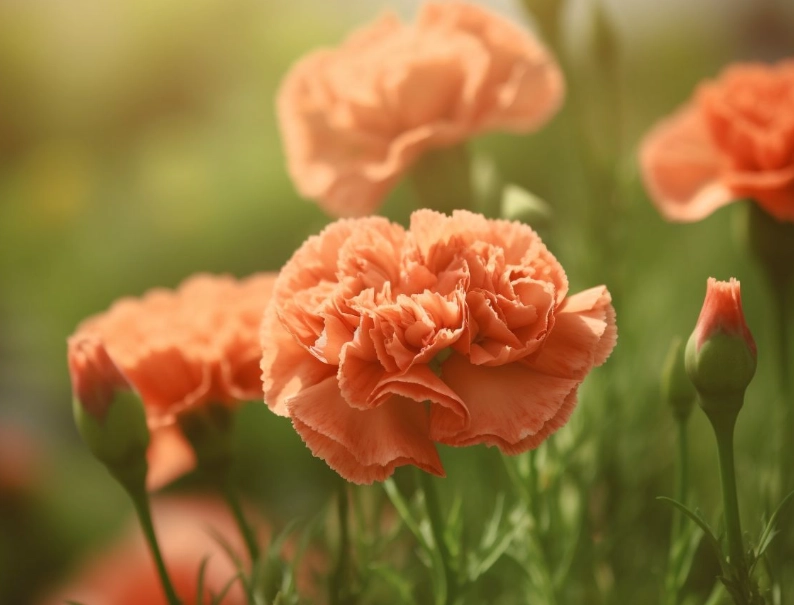
The big misconception? Treating all carnations the same. You have three main players:
- Border Carnations: The classic, single large bloom on a tall stem (up to 24 inches). Great for cutting.
- Spray Carnations (Mini Carnations): Multiple smaller flowers per stem. More blooms overall, fantastic for pots.
- Dwarf Carnations: Compact, mounding plants perfect for edges, rockeries, and containers.
Your care routine shifts slightly depending on which one you have. A border carnation needs more staking; a dwarf type needs more attention to spacing for air flow.
How to Plant Carnations for Lasting Success
Get this part wrong, and you're fighting an uphill battle forever. Planting is where you set the stage.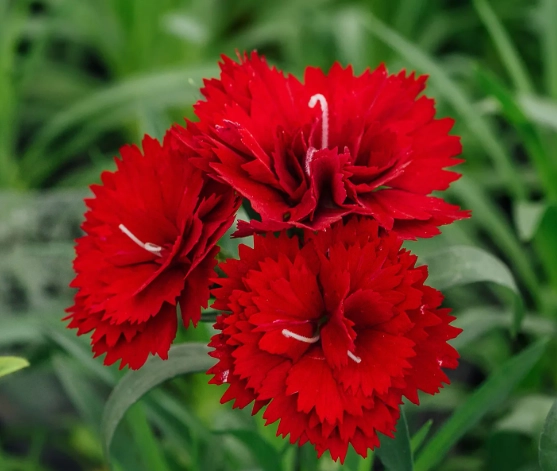
Site and Soil: The Non-Negotiables
"Full sun" means at least 6 hours of direct sun. Morning sun is best in hot climates. But the real secret is underground. Carnations despise wet feet. Soggy soil is a death sentence, causing crown and root rot faster than you can say "why is it wilting?".
You need well-draining soil above all else. If your soil is heavy clay, don't just dig a hole. You must amend the entire planting area or build a raised bed. A mix of garden soil, coarse sand or perlite (for drainage), and compost (for nutrients and structure) works wonders. Aim for a slightly alkaline pH, between 6.7 and 7.5. A simple soil test kit can tell you. If your soil is acidic, a light dusting of garden lime at planting helps.
The Planting Process: Seeds vs. Transplants
Most of us start with nursery transplants. It's faster. Dig a hole just deep enough so the crown (where the stem meets the roots) sits level with the soil surface. Burying the crown invites rot. Space them 10-12 inches apart for good air circulation.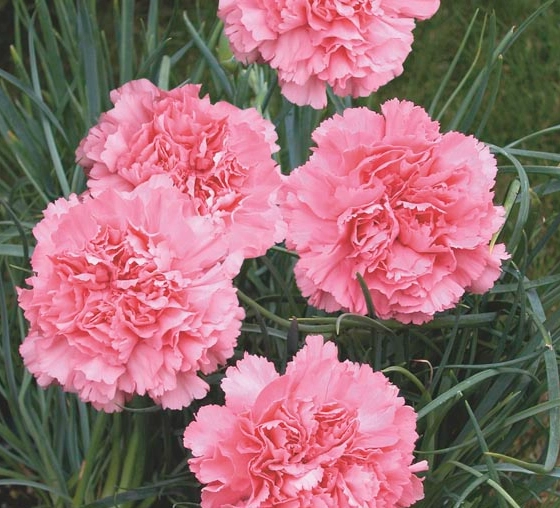
Starting from seed? It's rewarding but slow. Sow indoors 8-10 weeks before your last frost. The seeds need light to germinate, so just press them gently into the soil surface. Keep them moist and warm (around 70°F). They can take 2-3 weeks to sprout. Be patient.
How to Care for Carnations Through the Seasons
This is the maintenance rhythm that keeps them thriving.
Watering: The Biggest Pitfall
Here's the expert mistake I see constantly: frequent, shallow watering. Carnations have deep roots. Water deeply but infrequently, allowing the top 1-2 inches of soil to dry out completely between waterings. Stick your finger in the soil. Is it dry? Then water. A soaker hose or drip irrigation at the base is ideal—it keeps foliage dry, preventing fungal diseases.
In peak summer, you might water twice a week. In spring and fall, maybe once a week. Let the plant and soil tell you, not the calendar.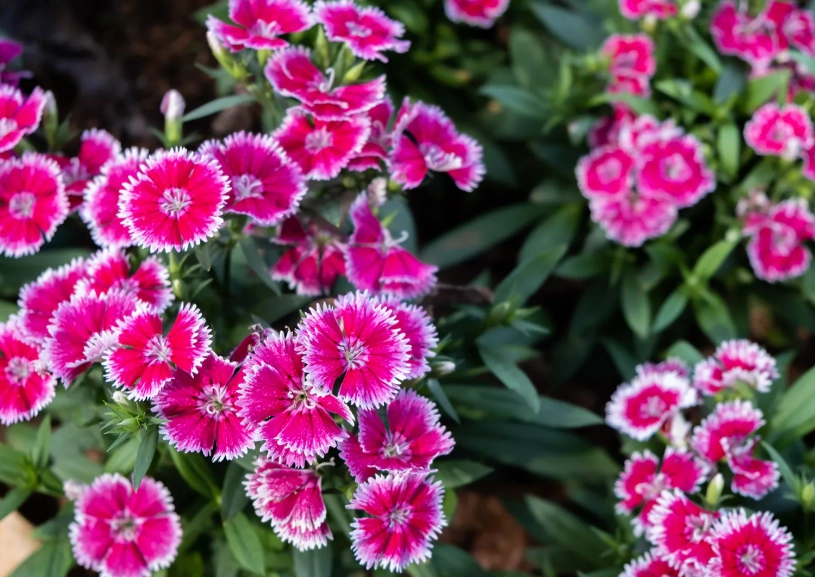
Feeding: Less is More
They aren't heavy feeders. Over-fertilizing, especially with high-nitrogen formulas, gives you lush green leaves and zero flowers. I use a balanced, slow-release fertilizer (like a 10-10-10) at planting time. Then, I switch to a bloom-booster fertilizer (higher in phosphorus, the middle number) only once as the flower buds begin to form in late spring. That's it for the year.
Pruning and Deadheading: The Rebloom Trick
This is critical for continuous blooms. Don't just snap off the dead flower head. Follow the stem down to the first set of full, healthy leaves and cut just above it. This encourages the plant to branch and produce new flowering shoots.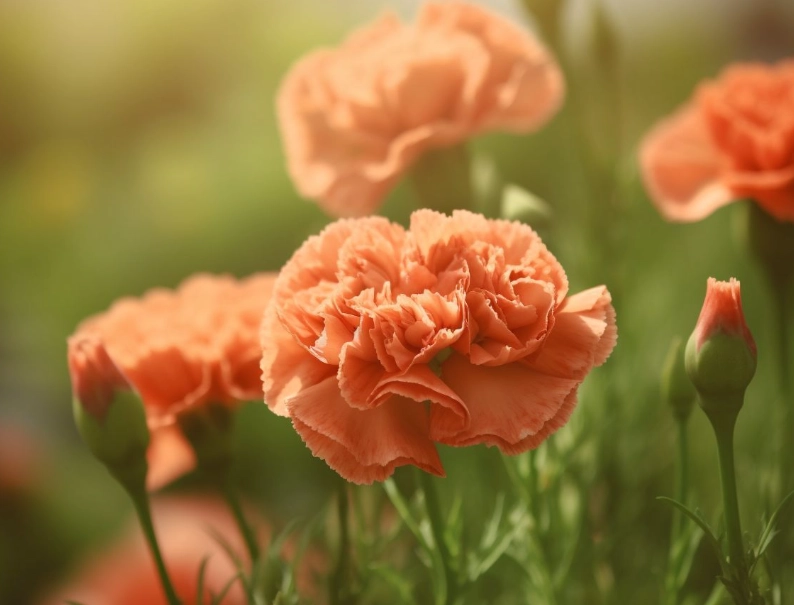
After the main flush of blooming slows in midsummer, give the whole plant a light haircut, cutting back by about one-third. This tidies it up and often prompts a fantastic fall bloom.
Common Carnation Problems and How to Fix Them
Let's diagnose the ugly stuff. Here’s a quick-reference table for the top issues.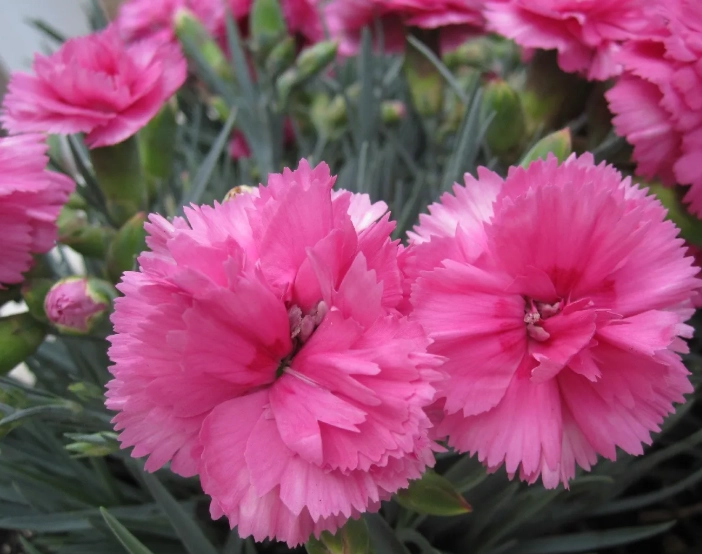
| Problem (Symptoms) | Likely Cause | The Fix |
|---|---|---|
| Stems turning brown/black at base; plant wilts | Fungal Crown or Stem Rot | Improve drainage immediately. Remove affected parts with sterilized shears. Avoid overhead watering. In severe cases, apply a fungicide labeled for ornamentals. |
| White, powdery coating on leaves | Powdery Mildew | Increase air circulation (thin plants). Water at soil level. Remove affected leaves. Neem oil or a baking soda spray (1 tbsp baking soda, 1/2 tsp liquid soap, 1 gallon water) can help. |
| Small, distorted flowers; sticky residue | Aphids or Thrips | Blast with a strong jet of water. For persistent issues, use insecticidal soap or neem oil, spraying in the early evening. |
| Lots of leaves, no flowers | Too much nitrogen / Not enough sun | Switch to a low-nitrogen, bloom-focused fertilizer. Ensure the plant gets 6+ hours of direct sun. |
| Plant looks stunted, yellowed; wilts on hot days | Root-knot Nematodes (microscopic worms) | Hard to cure. Solarize the soil for future seasons. Plant French marigolds (Tagetes patula) as a companion—they release compounds that suppress nematodes. |
My personal nemesis was rust—orange pustules on leaf undersides. The cure was simple but non-negotiable: absolute foliage dryness at night. I switched to morning watering only and it vanished.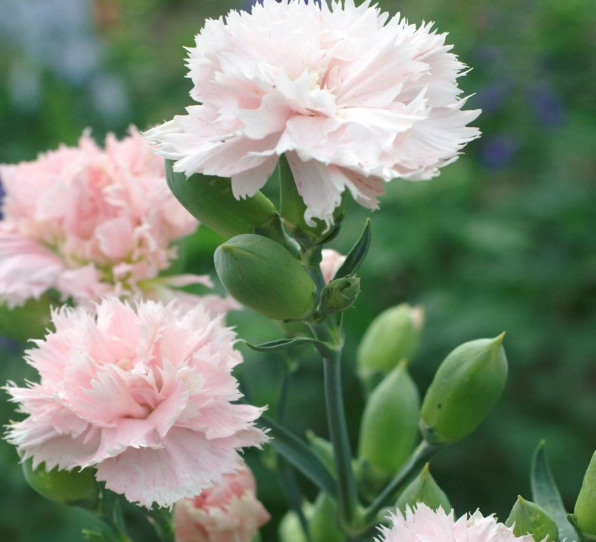
Your Carnation Questions, Answered
Growing carnations shouldn't feel like a chemistry experiment. It's about observing and responding. Get the drainage right, water wisely, cut back spent blooms, and you'll have a resilient, fragrant plant that comes back year after year, asking for little but giving a lot. That's the real joy of it.
Reader Comments