Let's talk about wild lilac. If you're picturing a sprawling, fragrant bush that practically takes care of itself, you're on the right track. But there's a gap between that dream and the scraggly, bloom-shy shrub many people end up with. I've grown these plants for over a decade, and the biggest mistake I see isn't about watering or feeding—it's the assumption that all lilacs are the same. True "wild" lilacs, often referring to the common lilac (Syringa vulgaris) and its hardy ancestors, have specific needs and offer unique rewards that modern hybrids sometimes lack. This guide cuts through the generic advice. We'll get into the soil, the sun, the pruning secrets, and the varieties that actually thrive with minimal fuss.
What You'll Find in This Guide
What Exactly Is a Wild Lilac Plant?
First, a bit of clarity. "Wild lilac" isn't a strict botanical term. In gardening circles, it usually points to the species lilacs, primarily Syringa vulgaris, that originated in Southeastern Europe. These are the progenitors of thousands of cultivars. They're tougher, often more fragrant, and have a looser, more natural growth habit than some densely packed modern varieties.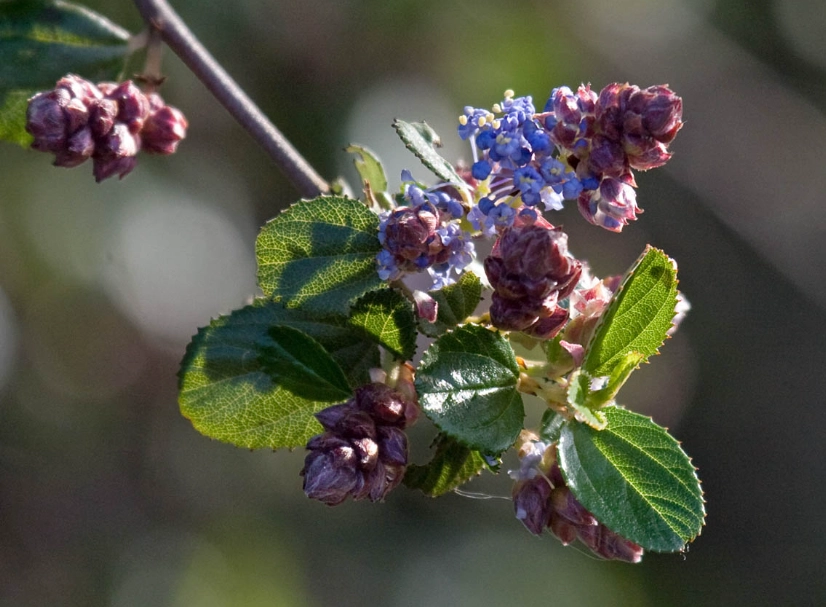
Why choose a wild lilac bush? For starters, resilience. These plants have survived on hillsides for centuries. They handle cold winters (down to USDA zone 3), tolerate drought once established better than many give them credit for, and their scent is the classic, powerful lilac perfume that fills the entire yard. The trade-off? Their flower clusters might be slightly less uniform than a show-winning hybrid, and they can sucker more readily. I think that's part of their charm—they feel alive and vigorous, not overly manicured.
The No-Fail Wild Lilac Planting and Care Guide
Getting this right from day one saves years of struggle. Most failures trace back to the planting hole.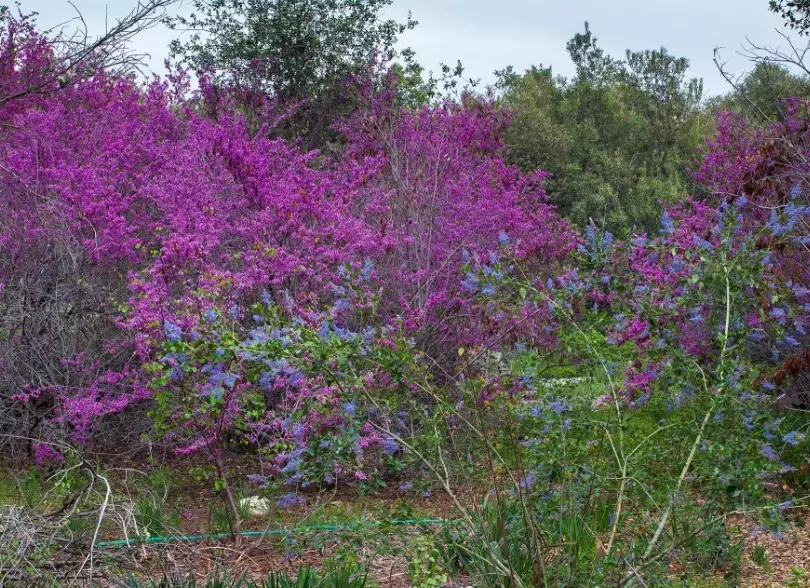
How to Plant Your Lilac Bush for Lifelong Health
Location is non-negotiable. Full sun means at least 6 hours, but 8 is ideal. Less sun equals fewer blooms, guaranteed. Air circulation is crucial to prevent powdery mildew; don't cram it against a wall.
Soil is the silent killer. Lilacs demand well-draining, alkaline to neutral soil. That's pH 7.0 or slightly above. Acidic soil locks away nutrients. Here's my non-negotiable planting ritual:
- Dig a Wide, Shallow Hole: Make it twice as wide as the root ball, but no deeper. Lilac roots spread outward, not down.
- Amend Heavily: Mix your native soil with a generous amount of compost and a handful of garden lime if your soil is neutral or acidic.
- Plant High: Set the root ball so the top is an inch or two above the surrounding soil level. This prevents crown rot, which is fatal.
- Water Deeply, Then Mulch Lightly: Soak it. Then apply a thin mulch ring, but keep it away from the trunk.
Ongoing Lilac Bush Care: Less Is Often More
Once established, wild lilacs are low-maintenance. The two critical interventions are feeding and pruning.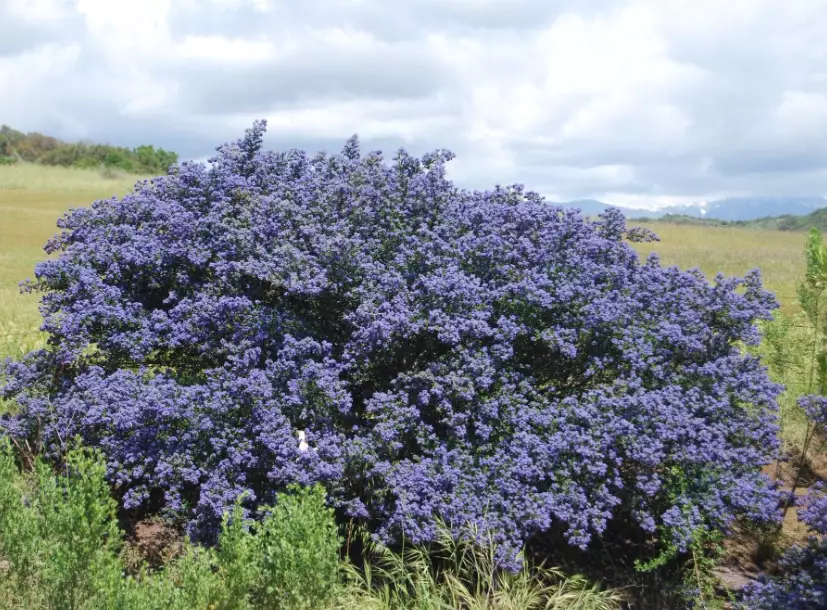
Feeding: Forget frequent fertilizing. One application of a balanced, slow-release fertilizer or a top-dressing of compost in early spring is plenty. Over-fertilizing, especially with high-nitrogen formulas, gives you all leaves and no flowers.
Pruning: This is where most people get timid or overzealous. The goal is to remove dead wood, open the center for air, and encourage new growth (which bears flowers in 2-3 years).
Right after blooming ends, cut spent flower heads back to the first pair of leaves. To rejuvenate an old, overgrown shrub, practice the "one-third rule": each year for three years, remove one-third of the oldest, thickest stems at ground level. This method is less shocking than hacking the whole thing down.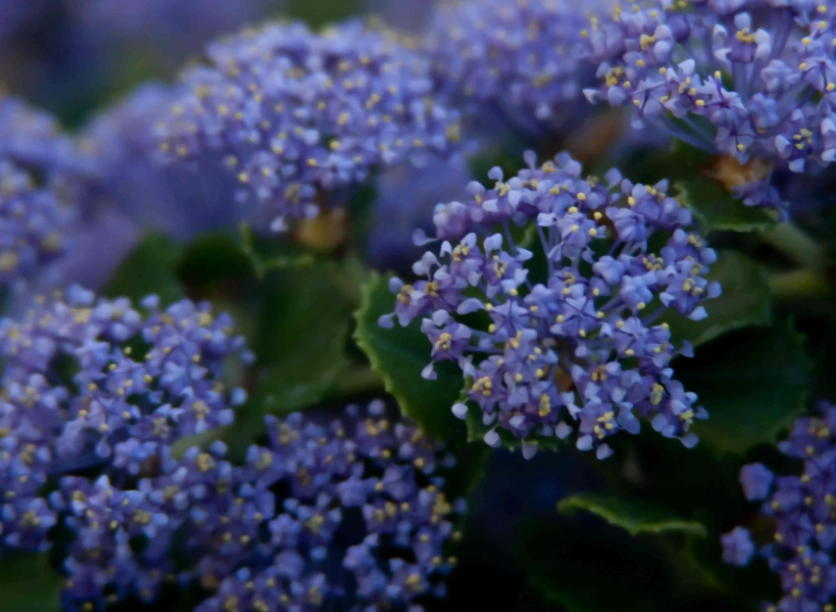
My Top 5 Wild Lilac Varieties for Different Gardens
Not all wild-type lilacs are purple. Here’s a breakdown of proven performers, based on my experience and observations from botanical gardens like the Arnold Arboretum.
| Variety Name | Color & Form | Key Feature & Best For | Mature Size (HxW) |
|---|---|---|---|
| Syringa vulgaris (Common Lilac) | Lavender-purple, single flowers on large panicles. | The classic, intense fragrance. Ultimate cold hardiness (Zone 3). | 12-15' x 10-12' |
| S. vulgaris 'Alba' | Pure white flower clusters. | Stunning contrast in moon gardens. Same legendary scent as the purple. | 10-12' x 8-10' |
| Syringa patula 'Miss Kim' | Lilac-blue buds opening to pale blue. | Compact size, excellent burgundy fall color. Superior mildew resistance. | 4-5' x 5-7' |
| Syringa reticulata (Japanese Tree Lilac) | Creamy white panicles in early summer. | Tree form (can be trained), cherry-like bark. Blooms later than others. | 20-30' x 15-20' |
| Syringa meyeri 'Palibin' (Dwarf Korean Lilac) | Pinkish-lavender flowers. | Very dense, rounded shrub. Ideal for low hedges or containers. | 4-5' x 5-7' |
'Miss Kim' is my personal recommendation for smaller urban gardens. It packs the fragrance and charm without overwhelming the space, and that fall color is a fantastic bonus.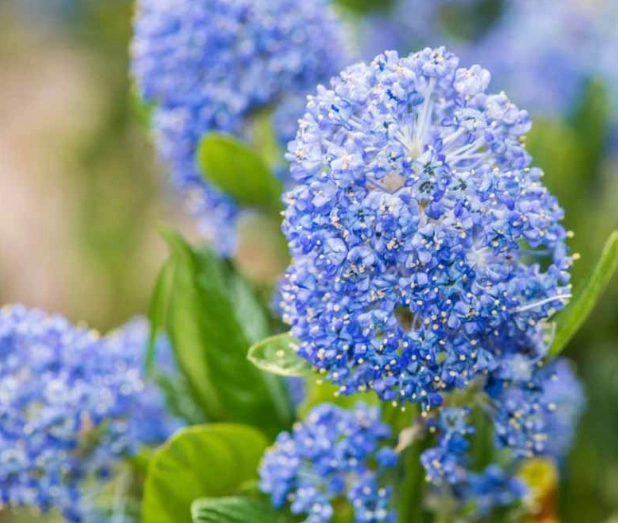
Solving Common Wild Lilac Problems (Before They Start)
Healthy lilacs have few issues. Problems usually signal a cultural misstep.
No Blooms? This is the top complaint. Run through this checklist: 1) Less than 6 hours of sun? 2) Pruned at the wrong time (late summer/fall)? You cut off next year's buds. 3) Soil is too acidic or nutrient-poor? Do a soil test. 4) Planted too deep? This is a common hidden cause.
Powdery Mildew: That white coating on leaves in late summer is mostly cosmetic. Prevention is key: ensure full sun, good air flow, and avoid overhead watering. If it's severe, a baking soda spray (1 tbsp baking soda, 1/2 tsp liquid soap, 1 gallon water) can help. Resistant varieties like 'Miss Kim' are the best fix.
Borers and Scale: Keep the plant vigorous; stressed shrubs are targets. Prune out and destroy any wilting branches (a sign of borers). For scale, horticultural oil applied in dormant season smothers them.
Remember, a wild lilac in the right spot, with good drainage and sun, will outlive most garden problems—and possibly the gardener.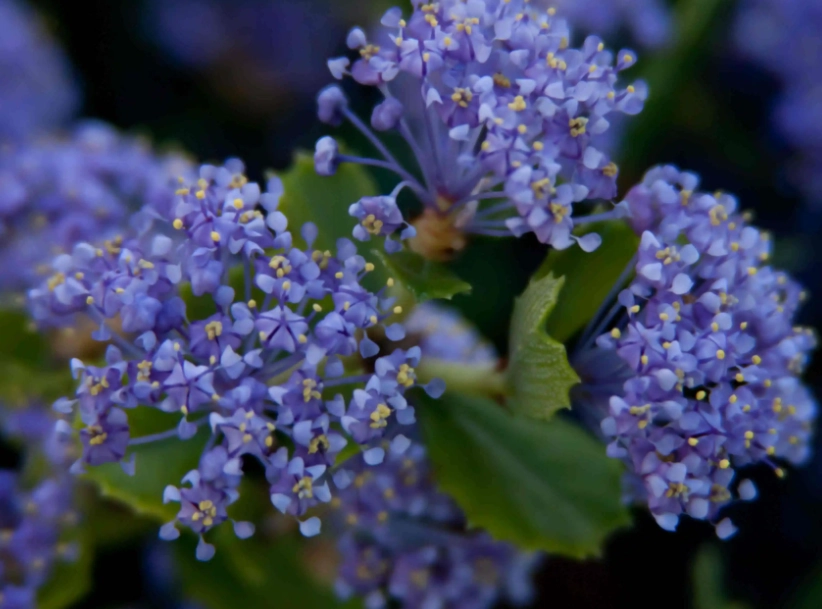
Reader Comments