So you're thinking about planting a filbert nut tree. Good call. Whether you call it a filbert, a hazelnut, or a cobnut (they're all the same genus, *Corylus*), this is one of the most rewarding trees you can add to a backyard garden or a small-scale homestead. It's not just about the nuts—though fresh, home-roasted hazelnuts are a revelation. It's about a beautiful, multi-purpose plant that offers structure, wildlife value, and a deep connection to your food. But here's the thing most generic guides miss: success isn't just about sticking a tree in the ground. It's about understanding its quirks from the start. I've seen too many hopeful gardeners end up with a lush, leafy bush that never produces a single nut because they overlooked one critical, non-negotiable step. We'll get to that.
What You'll Learn
Why Plant a Filbert Nut Tree? Beyond the Nut
Let's be honest. The primary goal is the harvest. A mature, well-managed filbert tree can produce between 10 to 25 pounds of nuts in-shell. That's a lot of homemade Nutella, baking, and snacking.
But the value runs deeper.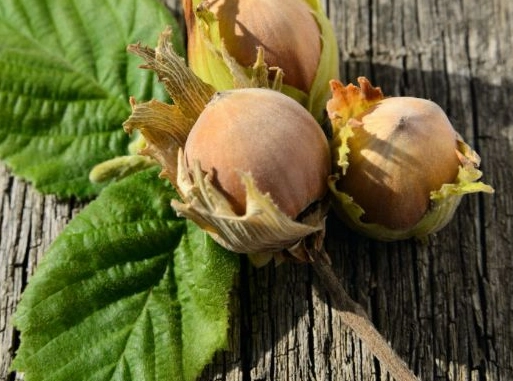
These trees are incredibly hardy, often thriving in USDA zones 4-9. They adapt to a range of soils, though they have a strong preference we'll discuss later. They grow relatively quickly into an attractive large shrub or small tree, perfect for a living fence, a windbreak, or as part of a food forest or permaculture design. The catkins (those dangling yellow flowers) in late winter are a vital early pollen source for bees when little else is blooming.
My favorite part? They're manageable. Unlike a massive walnut tree, a filbert can be kept at 10-15 feet with pruning, making harvest a simple, ladder-free affair.
The Non-Negotiable Secret to Nuts: Pollination. This is the #1 reason for "failure to fruit." Almost all filbert varieties are self-infertile. That means a lone tree is a lonely, barren tree. You must plant at least two different, compatible varieties that flower at the same time for cross-pollination. Don't trust a nursery tag that says "self-fertile" unless it's a specific cultivar like 'Dorris' or 'Wepster'—and even then, yields are better with a partner. Plan for two trees from the start.
Choosing the Right Filbert Variety: It's Not Just About Taste
Picking a variety based on nut size alone is a rookie mistake. You need to match the tree to your climate, space, and pest pressure. Here's a breakdown of top performers I've worked with or seen succeed in various regions.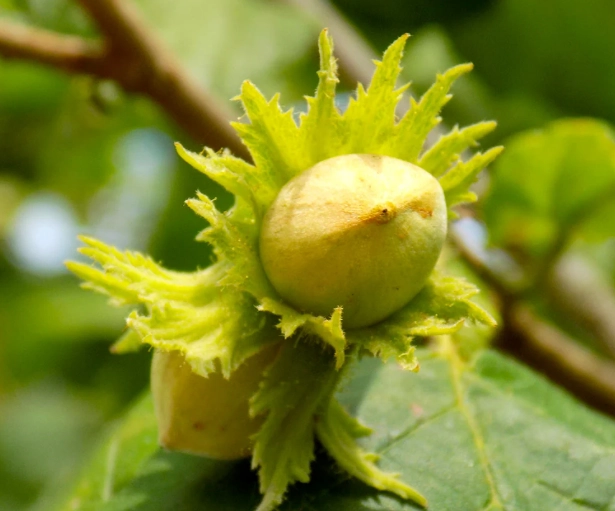
| Variety Name | Key Characteristics | Best For | Pollination Partner Suggestion |
|---|---|---|---|
| 'Jefferson' | Excellent resistance to Eastern Filbert Blight (EFB). Large, high-quality nuts. A newer, robust release from Oregon State University. | Gardeners in areas where EFB is prevalent (eastern US). | 'Yamhill', 'Eta' |
| 'Barcelona' | The classic commercial variety. Very productive, large nuts. Highly susceptible to EFB. | West Coast growers (Oregon, Washington) where EFB pressure is lower. | 'Daviana', 'Butler' |
| 'Yamhill' | Another EFB-resistant star from OSU. Compact growth, good for smaller spaces. Consistent producer. | Small gardens, organic growers, and EFB zones. | 'Jefferson', 'Epsilon' |
| 'Dorris' / 'Wepster' | Marketed as self-fertile. Good for a single-tree scenario if space is extremely limited. Yield is moderate. | The absolute smallest gardens, large patio containers. | Can fruit alone, but better with any other variety. |
Your local climate dictates your shortlist. For most of the continent east of the Rockies, EFB resistance is not a nice-to-have; it's a requirement for long-term survival. Always check with your local university extension service for their top recommendations—they know the local disease and pest pressures best.
The Planting and Location Guide: Getting the Foundation Right
You can't fix a bad planting location later. This isn't a potted herb you can move around.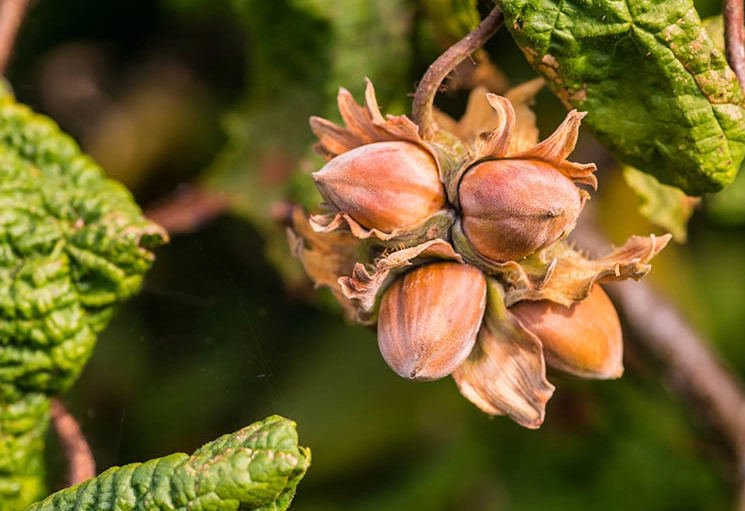
Site Selection: Sun, Soil, and Space
Full sun is mandatory. Six hours absolute minimum, eight or more is ideal. Less sun equals fewer flowers and pathetic nut sets.
Soil is where I see the second biggest mistake. People hear "adaptable" and think "anything goes." Filberts hate wet feet. They will drown in heavy, poorly drained clay. The ideal is a deep, well-drained loam. If you have clay, you must plant on a mound or berm to improve drainage. A simple test: dig a hole 12 inches deep, fill it with water. If it doesn't drain in 2-3 hours, you have a drainage problem.
Space them 12-20 feet apart, depending on the variety's mature spread. They need good air circulation to keep fungal issues at bay.
The Planting Process: A Step-By-Step Walkthrough
1. Timing: Early spring (after frost) or early fall is best.
2. The Hole: Dig it twice as wide as the root ball, but no deeper. You want the root flare (where roots meet trunk) level with or slightly above the soil grade.
3. No Fertilizer in the Hole: Seriously. Don't do it. You can burn tender new roots. Just backfill with the native soil you dug out.
4. Watering In: Create a shallow basin around the tree and water deeply to settle the soil and eliminate air pockets.
5. Mulch: Apply 2-4 inches of wood chip mulch in a wide circle (keeping it away from the trunk). This is non-negotiable for moisture retention and weed suppression.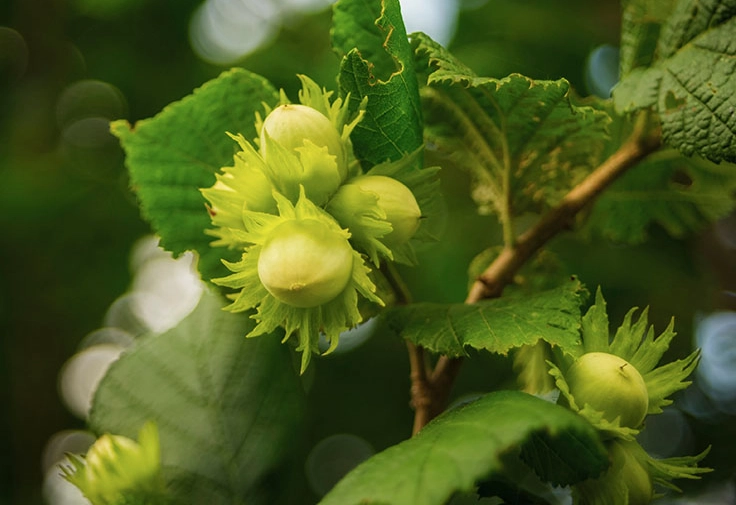
That first growing season is all about establishment. Water weekly if it doesn't rain.
Ongoing Care and Maintenance: The Annual Rhythm
Filberts aren't high-maintenance, but they do appreciate a schedule.
- Watering: Deep, infrequent watering is key. Once established, they are fairly drought-tolerant, but for good nut fill, water during dry spells in summer. A soaker hose is perfect.
- Feeding: Go light. An annual application of compost or a balanced organic fertilizer in early spring is plenty. Too much nitrogen gives you all leaves, no nuts.
- Pruning: This is crucial for health and harvest. Prune in late winter when you can see the structure. Goals: Remove any dead, diseased, or crossing branches. Open up the center for light and air. Maintain a vase-like shape with 4-6 main scaffold branches. Suckers will sprout from the base—remove them promptly unless you want a thicket.
Tackling Pests and Diseases: The Usual Suspects
You won't have all of these, but you should know them.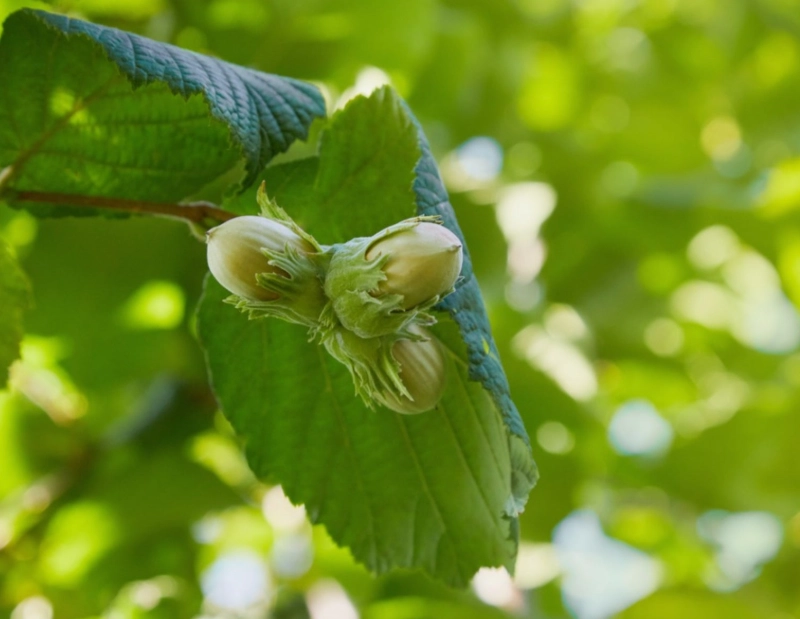
Eastern Filbert Blight (EFB): A fungal canker disease that's fatal to susceptible varieties. It causes branch dieback with raised, black bumps. Solution: Plant resistant varieties ('Jefferson', 'Yamhill'). For infected trees, aggressive pruning of infected branches 2-3 feet below the canker is the only control.
Filbert Worm / Nut Weevil: The larva bores into the developing nut, leaving a tiny hole and ruining the kernel. Solution: Timing is everything. Monitor for adult weevils in spring. The most effective organic control is a spinosad-based spray applied when the adults are active but before they lay eggs (often when nut tips start to brown).
Aphids & Mites: Usually not a major issue. A strong blast of water or insecticidal soap takes care of them. Encourage ladybugs and lacewings.
Harvesting and Storing Your Hazelnuts: The Payoff
Harvest time is late summer to early fall. The nuts are ripe when the husks (the leafy covering) turn brown and the nuts inside rattle freely. They'll often fall to the ground. Gather them frequently to beat squirrels and mold.
Processing: Remove from husks. Spread nuts in a single layer in a warm, dry, airy place (like a garage on screens) to cure for 2-4 weeks. This reduces moisture and improves flavor.
Storage: After curing, store in-shell in mesh bags in a cool, dry place. They'll keep for a year. For longer storage or convenience, crack and freeze the kernels.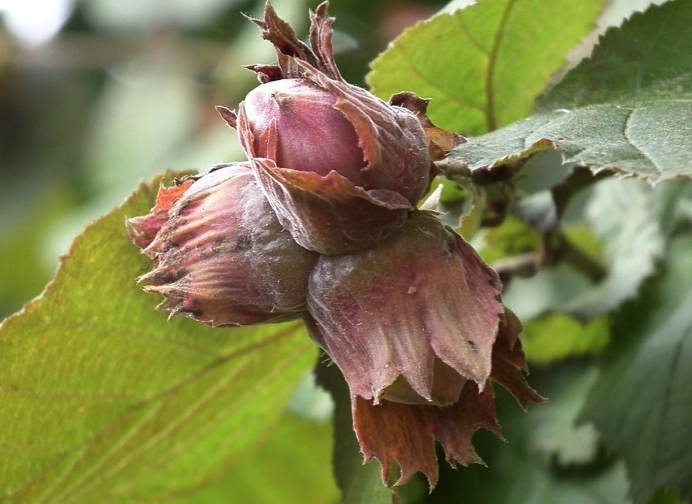
Reader Comments