Let's cut to the chase. You've probably searched for "euphorbia euphorbia" and found a mix of confusing botanical jargon and overly simplistic care tips. Maybe you just brought home a quirky-looking succulent with spines, or a leafy houseplant labeled "Euphorbia," and now you're wondering why it's dropping leaves or looks unhappy. I've been growing these fascinating, frustrating, and often misunderstood plants for over a decade. This isn't just a rehash of basic info. It's the guide I wish I had when I killed my first Euphorbia tirucalli by being too nice to it.
What's Inside This Guide
What Exactly Is a Euphorbia Plant?
First, a bit of clarity. "Euphorbia" is the genus name, one of the largest and most diverse in the plant kingdom. It includes over 2000 species. When people say "euphorbia euphorbia," it's often a colloquial repetition for emphasis or a search mix-up, but it points to the core group. We're talking about everything from the classic Poinsettia (Euphorbia pulcherrima) to the cactus-like African Milk Tree (Euphorbia trigona) and the whimsical Pencil Cactus (Euphorbia tirucalli).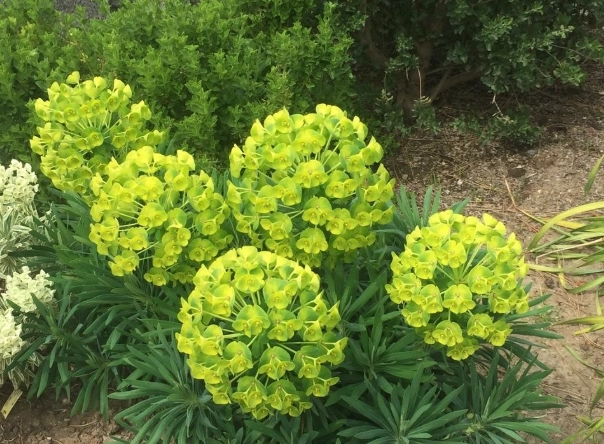
They're found on almost every continent, adapted to deserts, tropics, and temperate zones. This diversity is why a one-size-fits-all care approach fails miserably. A desert-dwelling succulent euphorbia has wildly different needs from a tropical, leafy one.
Why Euphorbias Are Unique (And Tricky)
Here's the thing most beginner guides gloss over. Euphorbias aren't true cacti, even though many look the part. That similarity leads to the first major mistake: treating them exactly like cacti. Their defining feature is the milky, latex-like sap (latex) they exude when cut or broken. This sap is their defense mechanism and the source of most cultivation headaches.
⚠️ The Sap is No Joke
It's not just "mildly irritating." For most species, it's a serious skin irritant, can cause blistering, and is toxic if ingested or gets in the eyes. I learned this the hard way years ago when a tiny splash from a broken stem caused a burning rash on my arm that lasted days. Pets and children are especially at risk. We'll cover safe handling later, but this is priority number one.
The second quirk is their growth. Many grow in fascinating, architectural shapes—candelabra forms, tight spirals, or slender rods. But they often have specific, non-negotiable light requirements to maintain that shape. Too little light, and they etiolate (stretch out weakly) in a way that's permanent.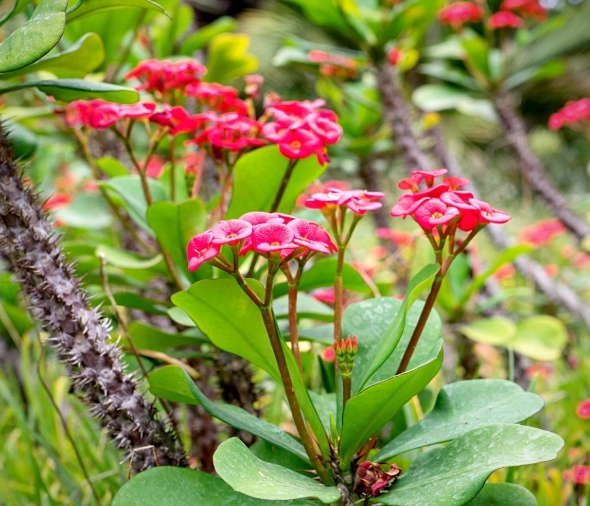
The Complete Care Breakdown
Forget vague advice. Let's get specific. I'm splitting this for the two main types you'll encounter: the succulent/desert types and the leafy/tropical types.
| Care Aspect | Succulent Euphorbias (e.g., E. trigona, E. obesa, E. milii) | Leafy/Tropical Euphorbias (e.g., E. pulcherrima, E. leucocephala) |
|---|---|---|
| Light | Bright, direct light for 4-6+ hours daily. A south or west window is ideal. They can tolerate intense sun. Low light causes elongation and weakness. | Bright, indirect light. Some morning sun is okay, but harsh afternoon sun can scorch leaves. East or shaded west window. |
| Watering | The #1 killer. Soak thoroughly, then let the soil dry out completely. In winter, this might mean watering once a month or less. Stick your finger deep into the pot. If it's damp, wait. | Keep soil moderately moist but never soggy. Water when the top inch of soil feels dry. They dislike drought as much as waterlogging. |
| Soil & Pot | Fast-draining cactus/succulent mix. I add extra perlite or pumice (up to 50%). Terracotta pots are best—they wick away moisture. Drainage holes are mandatory. | Standard, well-draining potting mix. A bit of perlite for aeration is good. Plastic or glazed pots are fine as they retain more moisture. |
| Temperature & Humidity | Warm and dry. They love average household temps (65-80°F). Keep above 50°F. Low humidity is perfect. | Average to warm temps. Avoid drafts and sudden temperature drops. Appreciate average to slightly higher humidity (mist occasionally). |
| Fertilizer | Minimal. Half-strength balanced fertilizer (10-10-10) once in spring and once in mid-summer. Never fertilize in fall/winter. | Balanced liquid fertilizer monthly during active growth (spring-fall). Stop in winter. |
Here's a personal tip most miss: Observe the plant, not the calendar. My Euphorbia horrida in a hot, sunny spot might need water every two weeks in summer. The same species in a cooler room might go six weeks. The plant's slight wrinkling or softening is a better cue than a rigid schedule.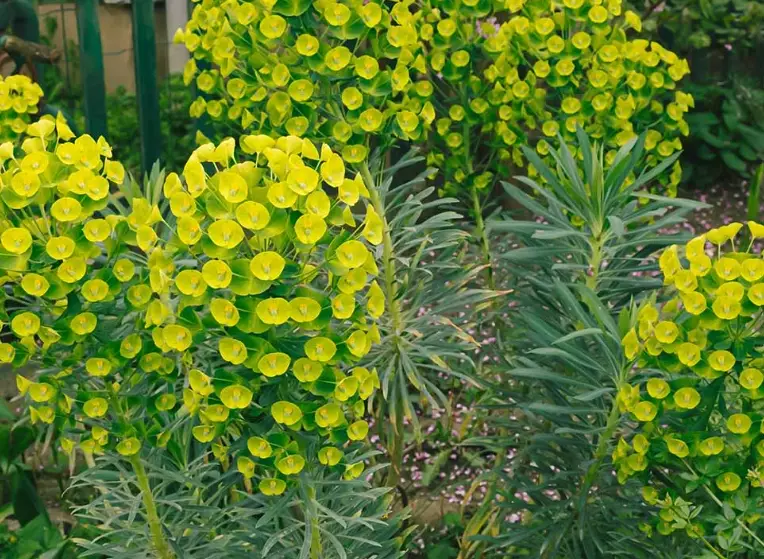
How to Propagate Your Euphorbia
Want more plants? Propagation is usually easy, but the sap complicates things. The most common method is stem cuttings.
Step-by-Step: Taking a Euphorbia Cutting (Safely)
- Gear Up: Put on gloves and safety glasses. Seriously.
- Cut: Use a clean, sharp knife to take a 3-6 inch cutting from a healthy stem.
- Stop the Sap: Immediately dunk the cut end in lukewarm water for a few seconds. This coagulates the latex. Alternatively, dab it with a paper towel and let it callus. The water method is faster and cleaner in my experience.
- Callus: Let the cut end dry and form a hard callus in a shady spot. This can take 2-7 days. Skipping this leads to rot.
- Plant: Stick the callused end into a dry, well-draining mix. Do not water.
- Wait for Roots: Place in bright, indirect light. After about 2 weeks, give a slight tug. If there's resistance, roots are forming. Now you can give a light watering.
Some species, like Euphorbia obesa, are grown from seed, but cuttings are the go-to for most home growers.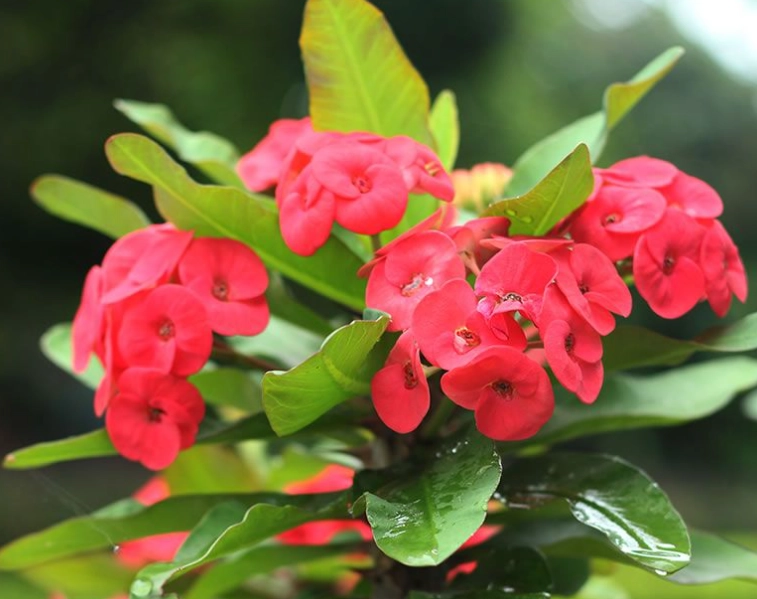
Common Problems & Real Fixes
Let's diagnose the ugly stuff.
Yellowing & Dropping Leaves
On succulent types: Almost always overwatering. Check the roots for rot. If mushy, cut above the rot, let callus, and re-root.
On leafy types: Could be overwatering, underwatering, or a draft. Check soil moisture first. Sudden leaf drop on a Poinsettia often means it felt a cold draft or the soil got too dry once.
Stretching & Leaning (Etiolation)
Not enough light. The new growth is pale and stretched. The fix is more light, but the stretched part won't compact. You can eventually cut it off and propagate the top.
Brown, Scabby Patches on Stems
Usually sunburn from moving a plant into direct sun too quickly. Acclimate it gradually. The scars are permanent but harmless.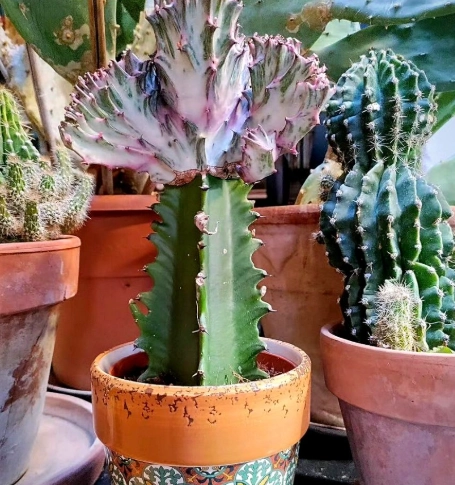
Pests
Mealybugs love euphorbias. They look like tiny cotton balls in stem crevices. Isolate the plant. Dab them with a cotton swab dipped in rubbing alcohol. For larger infestations, insecticidal soap or neem oil works, but test on a small area first as some euphorbias have sensitive skin.
Handling the Sap: A Non-Negotiable Safety Protocol
This is the most critical part of euphorbia care, often underplayed. My protocol for any pruning or repotting:
- Gloves: Nitrile or rubber, not fabric.
- Eye Protection: Safety glasses. A splash in the eye can cause severe pain and temporary blindness—a trip to the ER.
- Long Sleeves.
- Work on disposable paper or a tray you can easily clean.
- Keep a roll of paper towels and a bowl of lukewarm water nearby to instantly dab cuts.
- If sap gets on skin, wash immediately with soap and cool water (warm can open pores). If a rash develops, hydrocortisone cream can help.
- If sap gets in eyes, rinse with copious amounts of water for 15 minutes and seek medical attention.
It sounds extreme, but it becomes second nature. It's the price of admission for growing these incredible plants.
Your Burning Questions Answered
Growing euphorbias is a rewarding journey. They teach you patience, observation, and respect. You learn to appreciate their stark beauty and resilient nature. Start with a tough one like Euphorbia trigona or a Crown of Thorns, master its quirks, and you might just find yourself, like I did, hunting for rare species at specialty nurseries. Just remember the gloves.
Reader Comments