Let's clear something up right away. If you're here, you probably want a natural solution to keep mosquitoes away. You've heard about citronella plants, maybe seen them at the garden center labeled as the "mosquito plant." I bought my first one over a decade ago with that exact hope. I stuck it in a pot on my patio and waited for the bugs to vanish. They didn't. That experience taught me the biggest lesson about citronella: it's not a magic force field. The plant itself, just sitting there, has a subtle effect. The real power is in its leaves and the oil they contain. This guide will cut through the marketing hype and show you exactly how to grow healthy citronella plants and, more importantly, how to use them effectively to make your outdoor space more enjoyable.
What’s Inside This Guide
What Exactly Is a Citronella Plant?
This is where most people get confused, and honestly, the plant industry doesn't help. The plant commonly sold as "citronella" in nurseries is typically a specific cultivar of scented geranium, often Pelargonium citrosum or similar. It has a lovely lemony scent when you rub the leaves. However, the true source of commercial citronella oil, used in candles and sprays, is primarily from two types of grass: Cymbopogon nardus and Cymbopogon winterianus.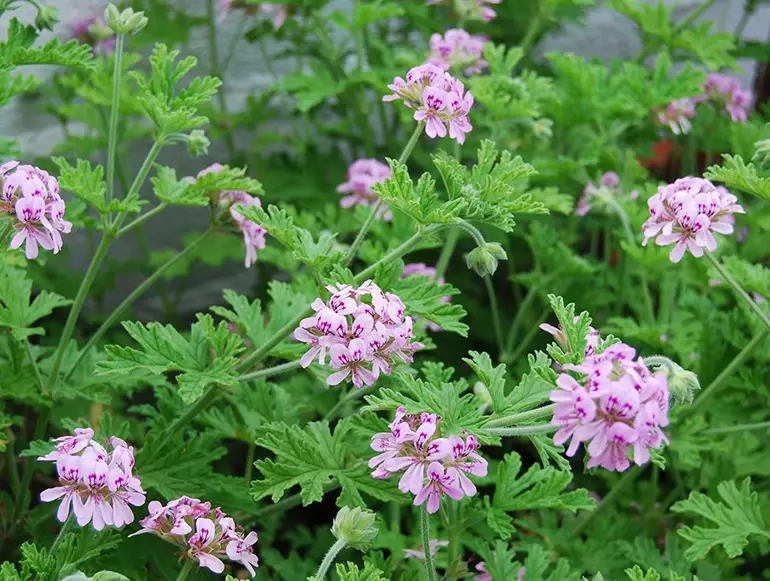
Think of it this way: you have the ornamental "mosquito plant" (the scented geranium) and the industrial "citronella grass." Both contain citronellal and geraniol, the compounds mosquitoes dislike, but the concentrations differ. The grass has a higher oil yield. For the home gardener, the Pelargonium type is more common, easier to manage in pots, and still very useful. The key is managing expectations. Don't expect either to clear a half-acre yard on its own.
How to Grow and Care for Citronella Plants
Whether you have the geranium or the grass variety, their needs are pretty similar. They're tropical plants at heart, which gives you a big clue about what they love.
Getting Started: Sun, Soil, and Planting
These plants are sun worshippers. They need a minimum of 6 hours of direct sunlight daily. More is better. I made the mistake of putting one in partial shade once; it grew tall and spindly, with very little fragrance. The leaves were pale. It was a sad, ineffective plant.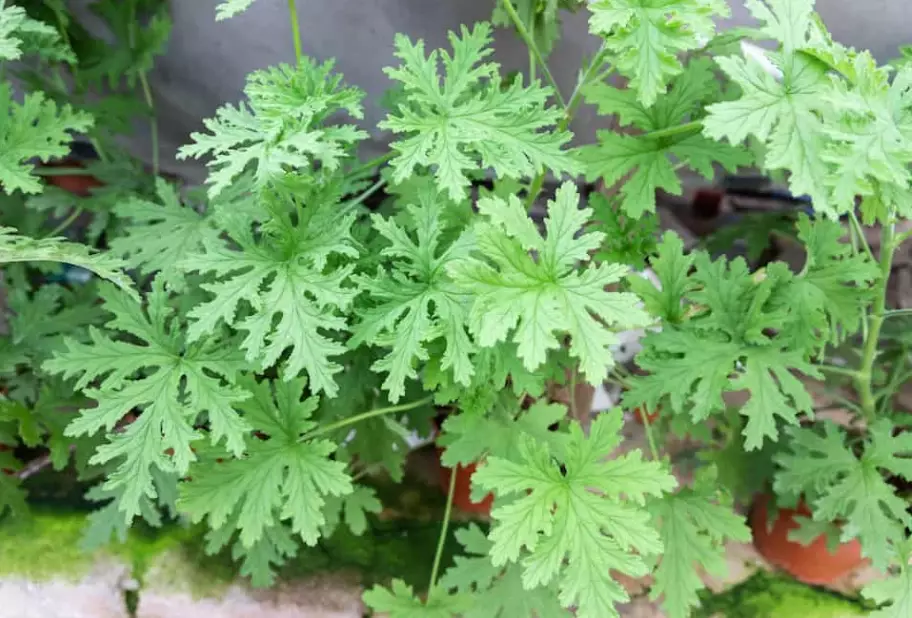
Well-draining soil is non-negotiable. They hate wet feet. For pots, use a high-quality potting mix. In the ground, amend clay soil with compost and sand. You can start from seeds, but it's slow. Most people buy a starter plant or use cuttings. If you know someone with a plant, ask for a 4-6 inch cutting, remove the lower leaves, and stick it in water or moist soil. It roots easily.
Here’s a quick comparison of starting methods:
| Method | Pros | Cons | Best For |
|---|---|---|---|
| Buying a Starter Plant | Instant size, guaranteed variety, ready to use. | Most expensive, limited selection. | Beginners, immediate placement. |
| Propagation from Cuttings | Free, easy, preserves traits of a plant you like. | Takes a few weeks to root and establish. | Gardeners on a budget, sharing plants. |
| Growing from Seed | Cheapest, can grow many plants. | Slowest, germination can be inconsistent. | The patient gardener, large-scale planting. |
Ongoing Care: Water, Food, and Winter
Water when the top inch of soil feels dry. Stick your finger in. In hot summer, that might be every other day for a potted plant. In the ground, they're more drought-tolerant once established. Overwatering is the fastest way to kill it.
Feed them monthly during the growing season (spring to early fall) with a balanced, water-soluble fertilizer. Don't overdo it. Too much nitrogen gives you lots of soft, green growth with less fragrant oil.
If you live where temperatures drop below freezing, you must bring your citronella indoors. It is not frost-hardy. Before the first frost, pot it up (if it's in the ground) and move it to a sunny window. It might get leggy indoors. Don't be afraid to prune it back in spring when you move it outside again. Pruning is good—it encourages bushier growth, which means more leaves for you to use.
Harvesting and Using Citronella Effectively
This is the part that most guides gloss over. Growing the plant is only half the battle. Using it correctly is what gives you results.
When and How to Harvest: The oil concentration is highest on warm, sunny days. Harvest in the late morning after the dew has dried. Use clean scissors to cut stems, taking no more than one-third of the plant at a time. Always cut just above a leaf node to encourage new growth.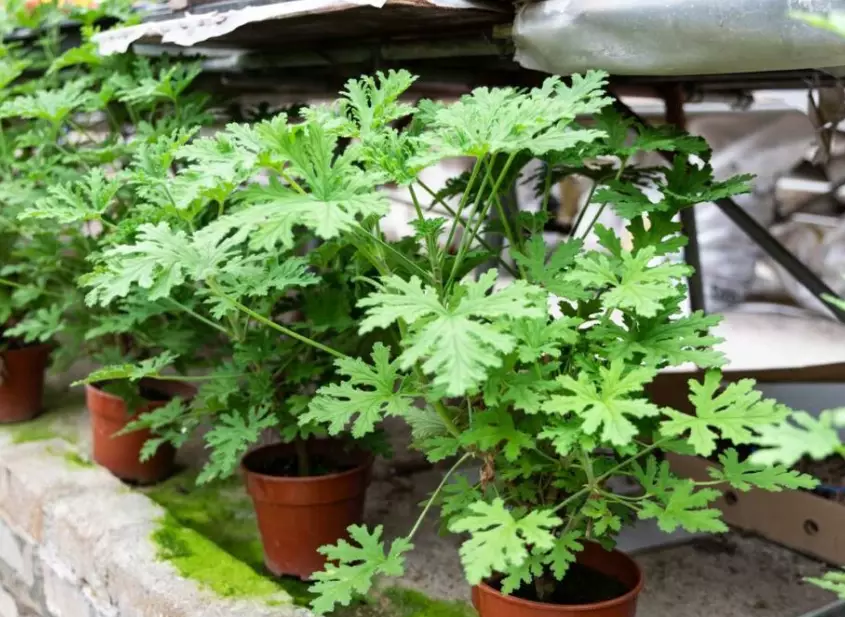
Simple Uses You Can Try Tonight:
- The Crush-and-Rub: The simplest method. Pick a few leaves, crush them between your fingers to release the oil, and rub them on your skin (do a patch test first for sensitivity). Reapply every 30-60 minutes.
- Patio Pot Protection: Place several potted plants around your seating area. Gently brush against them or crush a leaf occasionally to release scent into the immediate air.
- Homemade Citronella Spray: Steep a large handful of chopped leaves in a cup of boiling water for an hour. Strain, let it cool, and pour into a spray bottle. Add a tablespoon of vodka or rubbing alcohol as a preservative. Shake and spray on clothes, patio furniture, and around doorways. It won't last as long as store-bought, but it's pure and refreshing.
- Citronella "Tiki Torch" Oil: You can make infused oil by packing a jar with leaves and covering with a carrier oil like soybean or olive oil. Let it sit in a sunny window for 2 weeks, strain, and use the oil in outdoor oil torches.
For a stronger, more concentrated product, you'd need to distill the oil, which is a more involved process. But for most backyard purposes, these methods work well when combined. I often use the spray on my chair and table, have a couple of plants nearby, and keep a bowl of crushed leaves on the table. It creates a layered defense.
Remember, citronella is a deterrent, not an exterminator. It works best in a calm, protected area. A strong breeze will blow the scent away. It's also most effective against the mosquitoes that are just looking for a meal, not the ones that are already locked onto you.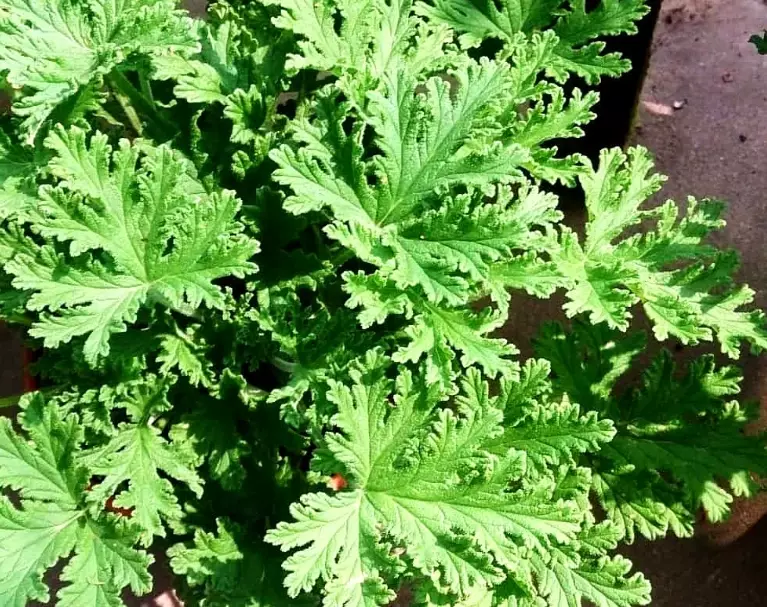
Reader Comments