Lavender. Just saying the word conjures up images of purple fields in Provence and a scent that promises calm. It's a beautiful, multi-purpose plant, but here's the thing most beginner guides gloss over: it's surprisingly easy to kill with kindness. I've seen more lavender plants drown in soggy soil or get hacked back at the wrong time than I can count. After a decade of growing it commercially and in my own garden, I've learned its secrets the hard way. This guide isn't just about planting lavender; it's about understanding what it truly needs to thrive, so you can enjoy its beauty, fragrance, and usefulness for years.
What You'll Find in This Guide
How to Grow Lavender Successfully: A Step-by-Step Guide
Forget the romanticized version. Lavender is a Mediterranean plant at heart. It craves sun, lean soil, and excellent drainage. Getting these three things right is 90% of the battle.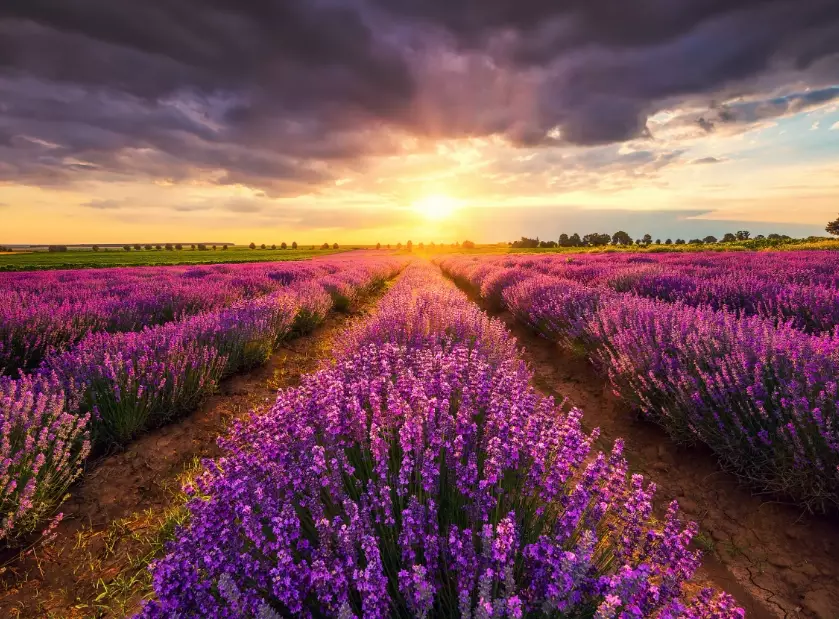
Choosing the Right Lavender Variety
Not all lavenders are created equal. Picking the wrong one for your climate is the first stumble. English lavender (Lavandula angustifolia) is the classic for fragrance and hardiness, but Spanish lavender (L. stoechas) has those cute bunny-ear bracts and tolerates more humidity. If you're in a hot, humid area, look for Lavandin hybrids (L. x intermedia) like 'Grosso' or 'Provence' – they're tougher.
| Variety | Best For | Hardiness Zone | Key Characteristic |
|---|---|---|---|
| Lavandula angustifolia 'Hidcote' | Cold climates, intense fragrance, hedging | 5-9 | Compact, deep purple flowers |
| Lavandula x intermedia 'Grosso' | Hot & humid areas, oil production | 6-10 | Long stems, high oil yield, very vigorous |
| Lavandula stoechas 'Anouk' | Container gardening, decorative flowers | 8-10 | Distinctive "flag" petals, tolerates more moisture |
| Lavandula angustifolia 'Munstead' | General garden use, early bloomer | 5-9 | Reliable, bushy, lighter purple flowers |
Planting Lavender: Location and Soil are Everything
This is where most people go wrong. You can't just stick it anywhere.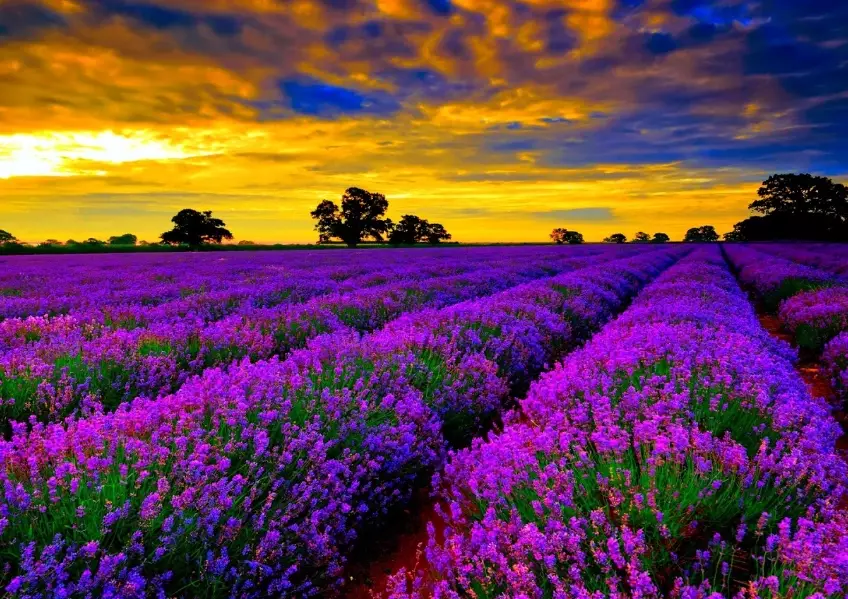
Sun: Full sun. Non-negotiable. At least 6-8 hours of direct, blazing sun. Less and it gets leggy and rarely flowers.
Soil: This is critical. Lavender needs poor to moderately fertile, alkaline soil. The Royal Horticultural Society (RHS) consistently notes drainage as the top priority. If your soil is heavy clay, you must amend it. I mix in a hefty amount of coarse sand or fine gravel (up to 30% by volume) and some lime to raise the pH. For pots, use a cactus/succulent mix and add extra perlite. A raised bed is often the perfect solution.
Spacing: Give it room. Air circulation prevents fungal diseases. Space plants at least 2-3 feet apart depending on the variety.
The Planting Moment: A Personal Note
I killed my first three lavender plants. I planted them in "good" garden soil, watered them diligently, and watched them turn gray and mushy. The soil was too rich, too wet. Now, I plant them almost negligently. I dig a hole, throw in a handful of grit, plop the plant in so the crown is slightly above soil level (to prevent rot), backfill with my gritty mix, water once to settle, and then... I mostly ignore it. It sounds harsh, but that's what they like.
The Biggest Mistakes Gardeners Make with Lavender (And How to Avoid Them)
Let's cut to the chase. Here are the subtle errors that turn lavender brown and woody.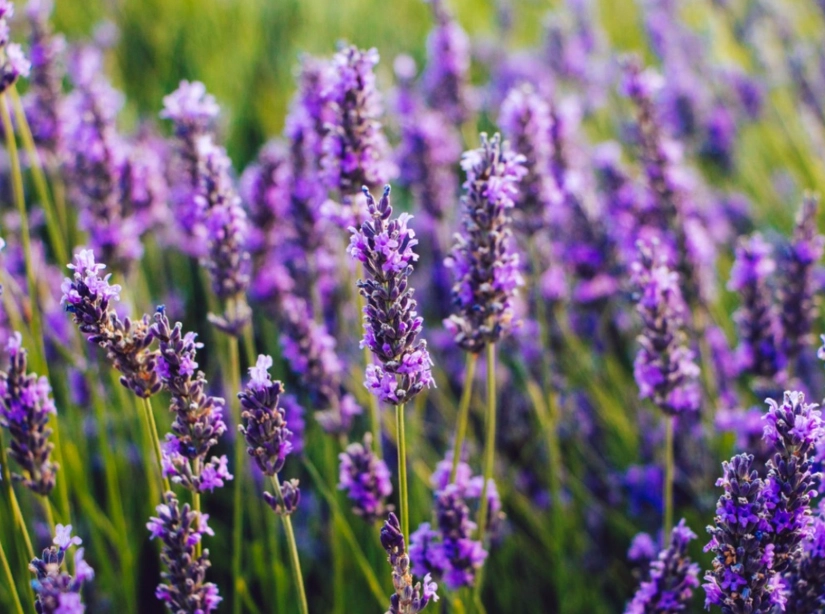
Overwatering and Poor Drainage
This is the number one killer. Lavender is drought-tolerant. Once established, it often needs no supplemental water. Water deeply but infrequently, only when the soil is completely dry several inches down. In winter, wet soil + cold = dead lavender. Ensure your planting site or container has fantastic drainage.
Wrong Pruning Time and Technique
Pruning is essential to prevent a woody, sprawling center, but timing is everything. The golden rule: Prune right after the first flush of flowers fades, usually in mid-summer. Never cut back into old, bare wood in late fall or early spring—it likely won't regrow. Use sharp shears and trim off the flower stalks and about one-third of the current year's green growth, following the plant's natural mound shape.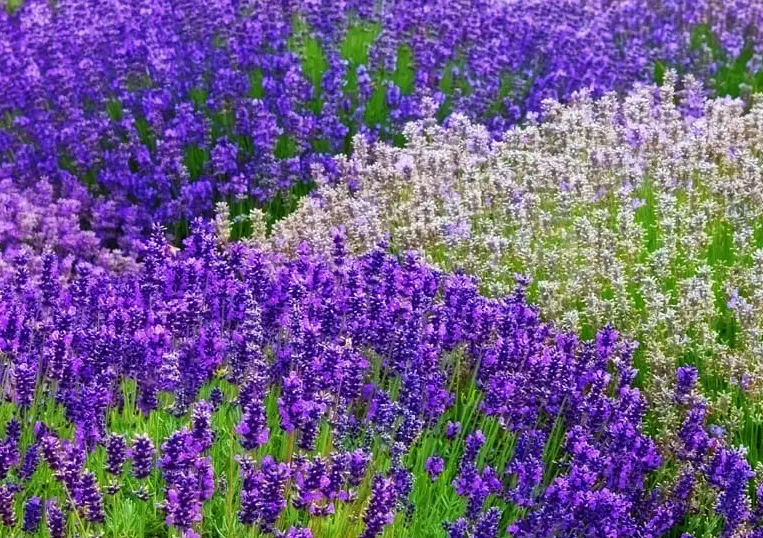
Ignoring Soil pH
Lavender prefers a pH between 6.5 and 7.5 (slightly alkaline). Acidic soil can stunt it. If your soil is acidic, an annual sprinkle of garden lime in the fall makes a world of difference. It's a simple step most forget.
Using Rich Fertilizer
More food is not better. Lavender thrives on neglect. A single, light application of a balanced, slow-release fertilizer in early spring is plenty. Over-fertilizing leads to soft, floppy growth that's prone to disease and has less fragrance.
Harvesting and Using Lavender: From Garden to Home
The reward for your care. Harvest when about half the flowers on the spike are open, on a dry, sunny morning after the dew has evaporated. This is when the essential oil content is highest.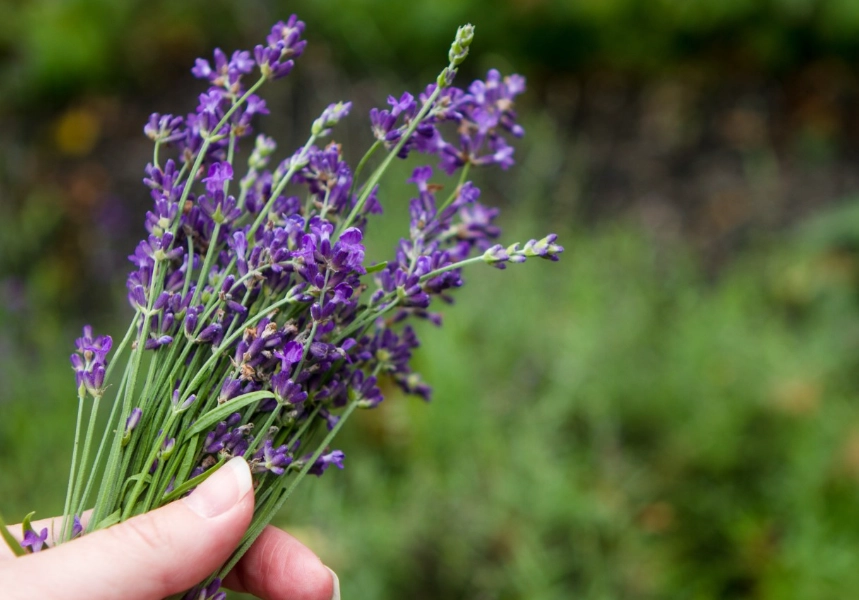
Drying and Storing
Bundle stems with a rubber band (they shrink as they dry) and hang them upside down in a dark, warm, well-ventilated place. Don't cram them in a closet—mold is a risk. Once crispy dry, strip the buds by running your fingers down the stem. Store in airtight jars away from light.
Practical Uses Beyond Potpourri
- Sleep Aid: Fill a small muslin bag with dried buds and place it inside your pillowcase. The scent is proven to promote relaxation. A study published by the National Center for Biotechnology Information has shown lavender aroma can improve sleep quality.
- Simple Lavender Sugar: Layer dried buds with white sugar in a jar. After a week, sift out the buds. Use it in shortbread, lemonade, or on grapefruit.
- Bug Repellent Sachets: Combine dried lavender with cedar chips and dried mint. Place in drawers or closets to deter moths.
- First-Aid Oil: While making true essential oil requires distillation, you can make a gentle infused oil for minor burns or insect bites. Steep dried lavender in a carrier oil like jojoba for 4-6 weeks, then strain.
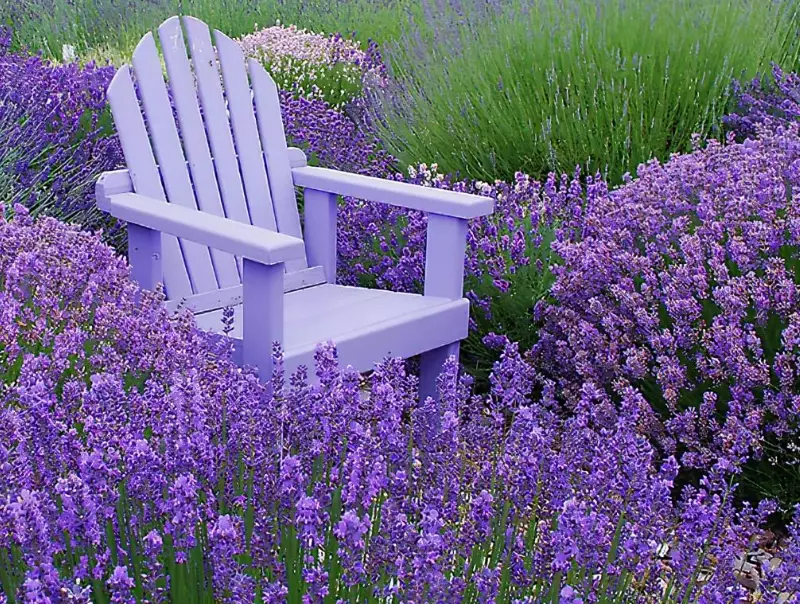
My favorite use? I keep a jar of dried buds by the kitchen sink. A pinch tossed into very hot water in the sink creates an instant, calming steam clean for the air—and my mood—after a long day.
Reader Comments