Let's talk about a plant that doesn't get nearly enough credit. Philadelphus lewisii, or Lewis' mock orange, is that tough, beautiful shrub you see thriving in forgotten corners of old gardens or holding its own in wild, dry landscapes. It's not the diva of the plant world. It doesn't demand constant attention. But when it blooms in late spring, the air fills with a sweet, citrusy fragrance that can stop you in your tracks. If you're tired of finicky plants or want a native shrub that actually looks after itself, this is your guy.
What You'll Learn in This Guide
What Exactly Is Philadelphus lewisii?
Named for Meriwether Lewis of the Lewis and Clark expedition, this North American native is a workhorse. It's often confused with its more common European cousin, Philadelphus coronarius. The main difference? Lewis' mock orange is just... better adapted. It's more drought-tolerant once established, has a more graceful, arching habit, and its white flowers, while slightly smaller, come in greater profusion.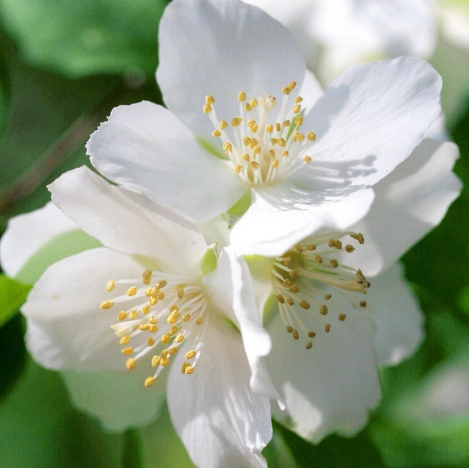
I've seen it growing in the rocky, dry soils of eastern Washington state, looking perfectly happy without a drop of supplemental water all summer. That's its superpower. It's a plant that remembers how to live without us.
Quick Profile: Deciduous shrub. Grows 6-10 feet tall and wide. Zones 4-8. Blooms May-June with clusters of fragrant, 1-inch white flowers. Green, oval leaves turn a dull yellow in fall (let's be honest, fall color isn't its selling point).
The Foolproof Planting Guide
Getting this right from the start saves years of hassle. The biggest error I see is treating it like a thirsty, pampered hybrid. It's not.
Site Selection: Sun and Soil
Full sun is ideal. It will tolerate light shade, but the bloom show will be less spectacular. The fragrance also seems more potent in full sun. As for soil, here's the non-consensus part: everyone says "well-drained soil," which is true. But what they don't say is that it's incredibly tolerant of poor soil. Heavy clay? It'll manage. Sandy, nutrient-poor stuff? No problem. It actually prefers not to be in super rich, amended garden beds where it might get leggy. I planted one in a spot with terrible, compacted fill dirt, and it outperformed the one I babied in perfect loam.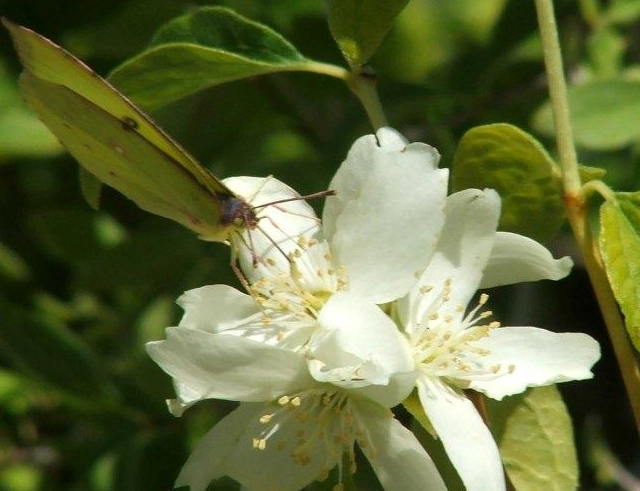
The Planting Process, Step-by-Step
1. Dig the hole. Make it twice as wide as the root ball, but only just as deep. You want the top of the root ball level with or slightly above the surrounding soil. Planting too deep is a silent killer.
2. Don't amend the backfill. Seriously. Skip the bagged compost or manure. This encourages roots to stay in the cozy hole instead of venturing out into the native soil. Just break up the clumps you removed.
3. Place and backfill. Settle the plant in, backfill with the native soil, and tamp gently.
4. Water deeply. Create a shallow basin around the plant and soak it. This settles the soil and eliminates air pockets.
5. Mulch. Apply 2-3 inches of wood chip mulch around the base, keeping it a few inches away from the stem. This is crucial for moisture retention in the first few years.
Ongoing Care and Maintenance
This is where Philadelphus lewisii shines. After the first two years, it asks for almost nothing.
| Task | What to Do | When to Do It | Expert Tip |
|---|---|---|---|
| Watering | Deep, infrequent watering for first two summers. Then, minimal supplemental water except in extreme drought. | Every 7-10 days when newly planted. Mature plants: only if leaves wilt. | Use a soaker hose. Overhead watering can promote powdery mildew in humid climates. |
| Fertilizing | Generally not needed. A light application of balanced, slow-release fertilizer in early spring can boost blooms if soil is very poor. | Early spring, as buds swell. | If you must fertilize, use half the recommended dose. More is not better here. |
| Pest & Disease Watch | Aphids may appear in spring. Powdery mildew can be an issue in late summer in humid, crowded conditions. | Monitor in late spring/early summer. | For aphids, a strong blast of water works. For mildew, improve air circulation via pruning. Rarely needs spraying. |
The table makes it look simple because it is. I've neglected my Lewis' mock orange for seasons at a time, and it just keeps going. The only thing that really matters is the pruning.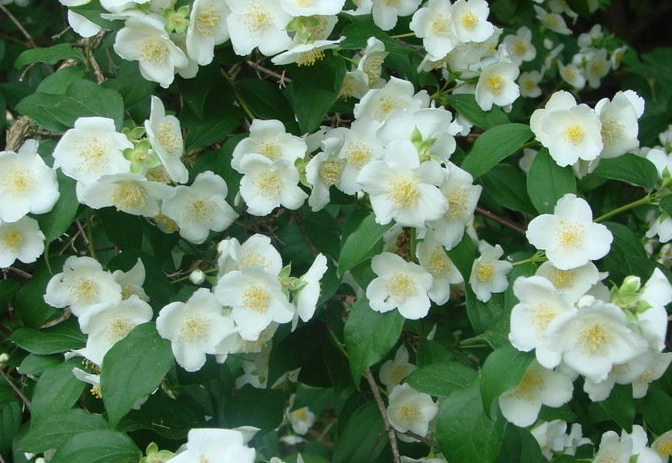
Pruning: How to Avoid the Biggest Mistake
This is the number one question I get. "My mock orange doesn't bloom!" Nine times out of ten, it was pruned at the wrong time.
Philadelphus lewisii blooms on old wood. That means the flower buds for next spring are formed on the growth it makes this summer. If you go out in late fall or early spring and give it a haircut, you're cutting off all those buds. No buds, no flowers, no fragrance. It's that straightforward.
The right way to prune: Prune immediately after flowering, in late June or early July. This gives it the whole rest of the growing season to produce new shoots, which will then set buds for the following year.
How to actually do it: Don't just shear the top. That creates a dense, ugly outer shell. Go inside the plant and: - Remove about 1/3 of the oldest, thickest stems right down at the base. This encourages new, vigorous growth from the ground. - Thin out any crossing or rubbing branches. - Trim back the remaining long, arching branches by up to one-third, cutting just above an outward-facing bud or side shoot. This method keeps the plant open, airy, and productive. I do this religiously every July, and the difference in bloom quantity the next year is staggering.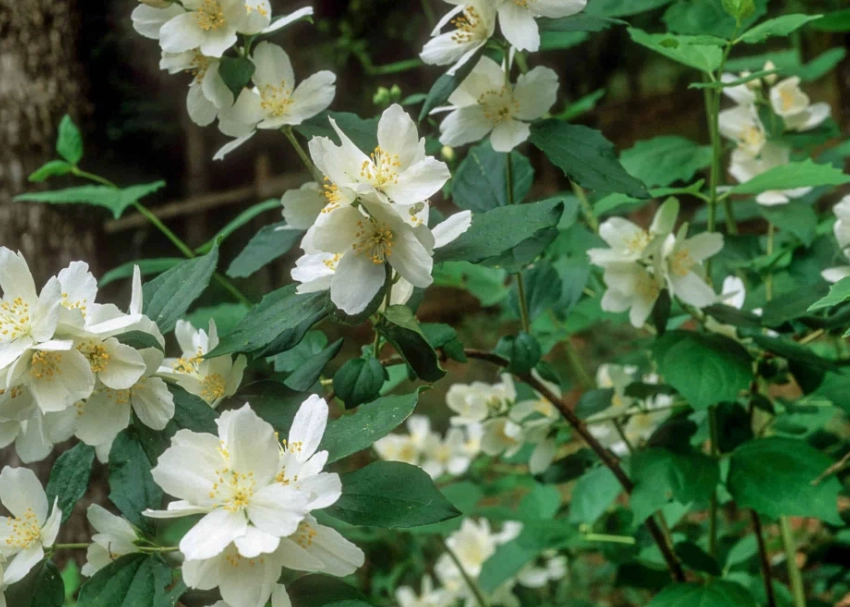
Using It in Your Garden Design
Because of its size and somewhat "wild" look, people struggle with where to put it. It's not a foundation plant (too big). It's not a formal hedge (too loose). Here's where it excels:
As a Backdrop Shrub: Plant it at the back of a mixed border. Its green foliage is a perfect neutral canvas for summer perennials in front. When it blooms, it becomes the star. After blooming, it fades back into a supporting role.
In a Wildlife Garden: The flowers attract pollinators. The dense, twiggy structure provides excellent shelter for birds. According to the Lady Bird Johnson Wildflower Center, it's a valuable native plant for supporting local ecosystems.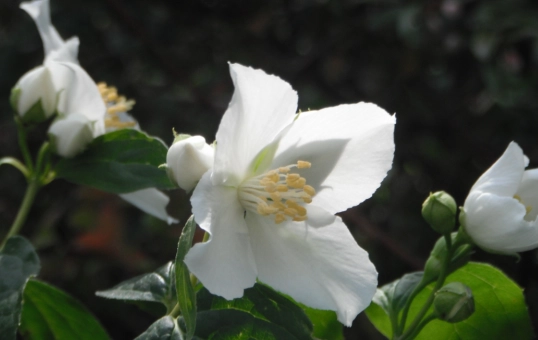
As a Fragrance Anchor: Plant it near a patio, deck, or open window where you sit in the evenings. The scent carries remarkably well on warm spring nights.
A Warning: It can sucker. Not aggressively like some sumacs, but it will slowly spread outwards by sending up new shoots from its roots. Give it room, or be prepared to occasionally chop a sucker off at ground level. I actually like this habit—it means the plant is happy and trying to naturalize.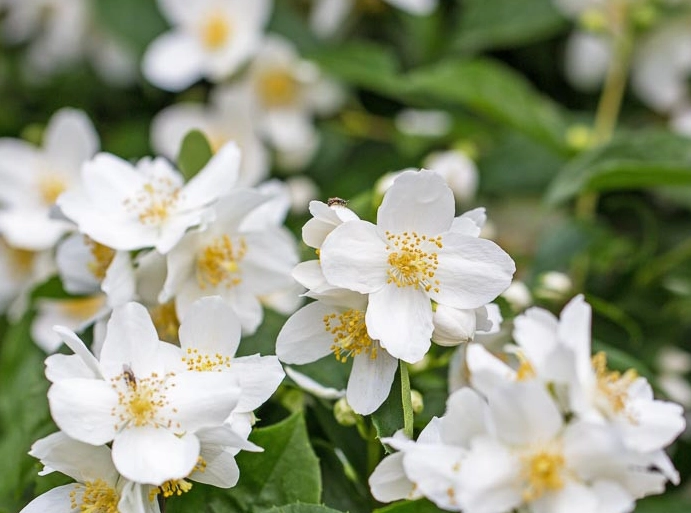
Your Questions, Answered
My Philadelphus lewisii is 5 years old and has never bloomed well. What's wrong?
How drought tolerant is it really? Can I plant it in a xeriscape?
Is it true it's deer resistant?
Can I grow Philadelphus lewisii in a container?
What are the best companion plants for Lewis' mock orange?
I've heard it's a good plant for erosion control. Is that true?
Reader Comments