Let's be honest. My first attempt at growing chrysanthemums was a disaster. I bought a beautiful pot from the garden center in full bloom, planted it, and waited for the magic to repeat next year. It didn't. I got a few spindly stems and maybe two flowers. Sound familiar? That experience, repeated over a few seasons, is what pushed me to dig deeper. After a decade of trial, error, and consulting with nursery veterans, I've realized most advice misses the crucial, non-negotiable details. This isn't just another fluffy article about "the flower of autumn." This is a tactical guide to transform your chrysanthemum growing from hit-or-miss to reliably stunning.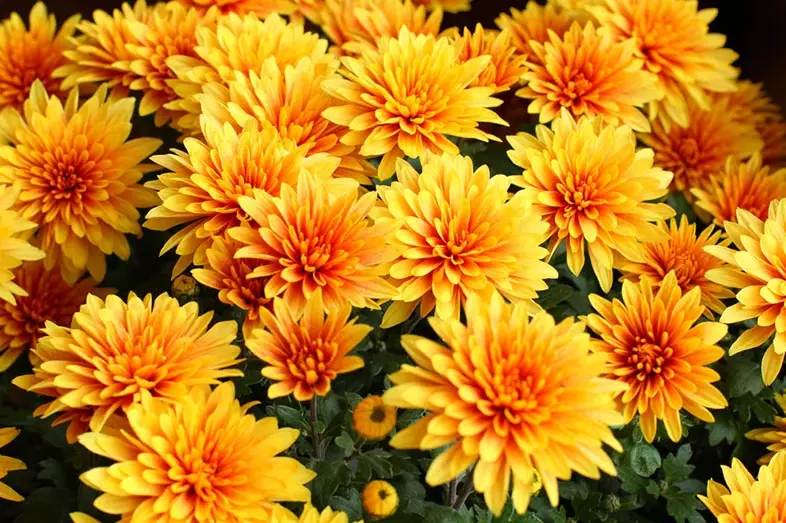
The key isn't love or luck. It's understanding that the garden center plant is a product, often forced to bloom for instant sale, and your job is to reset its life cycle. Get that wrong, and you'll join the legion of gardeners wondering why their mums never come back strong.
What's Inside This Guide
Understanding Your Mum: Garden vs. Florist Types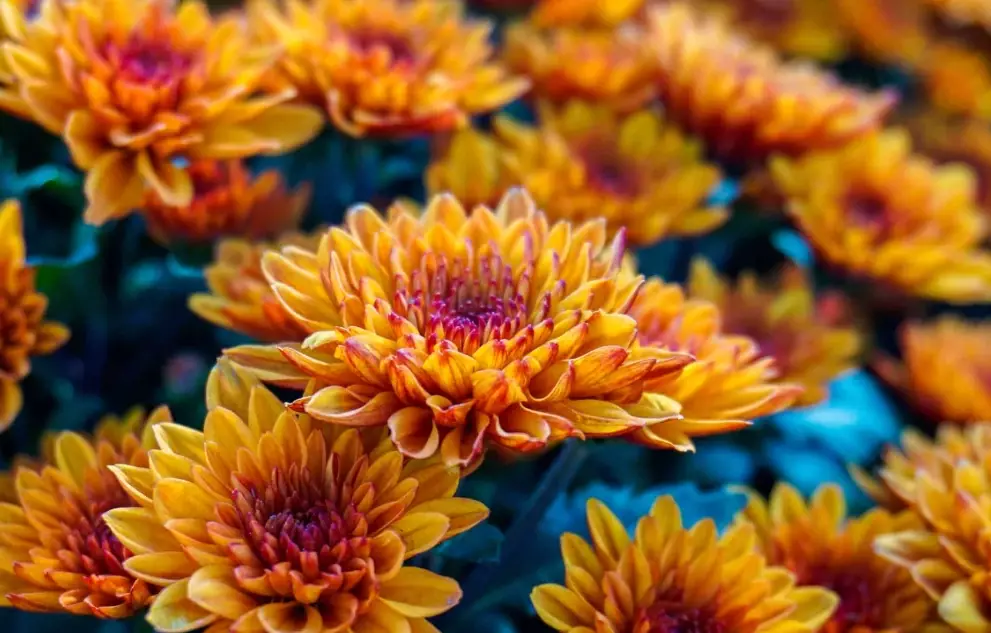
This is the single most important distinction. Walk into any big-box store in September, and you're looking at florist chrysanthemums (Chrysanthemum x morifolium). They're bred for one perfect, compact bloom show in a pot. Their hardiness is questionable. The plants you want for a perennial garden are hardy garden mums. Nurseries like Monrovia or local specialty growers will label these clearly. If the tag doesn't mention a USDA hardiness zone (typically 5-9), assume it's a temporary guest.
The Planting Formula for Success: Location, Soil, Timing
Chrysanthemums are sun worshippers. They need at least 6 hours of direct sun. More is better. Less than that, and you get leggy growth, weak stems, and few flowers. Morning sun that dries dew from the leaves is ideal to prevent disease.
Soil is non-negotiable. They hate wet feet. Soggy soil in winter is the #1 killer. Your planting spot must be well-drained. If you have clay, you must amend it. I mix in a hefty amount of compost and some coarse sand or perlite. A raised bed is a perfect solution.
When to plant? The golden rule: Spring is for roots, Fall is for shows. If you want a perennial, plant in the spring. This gives the plant all season to establish a robust root system before winter. Fall planting is a gamble—the plant is putting energy into blooms, not roots, when it should be hunkering down.
The Step-by-Step Planting Process
- Dig a hole twice as wide as the root ball, but no deeper.
- Mix your native soil with 50% compost. A handful of bone meal mixed in is a slow-release phosphorus boost for roots and future flowers.
- Tease the roots. If the plant is root-bound (you see roots circling the pot), gently loosen them with your fingers. This encourages them to grow outward.
- Plant at the same depth it was in the pot. Backfill with your soil mix, firm gently, and water deeply.
- Mulch lightly with 1-2 inches of shredded bark or compost, keeping it away from the crown of the plant.
The Pinching & Pruning Schedule You Must Follow
Here's where you control the show. Unpinched mums will bloom earlier, on tall, often floppy stems with fewer flowers. Pinching creates a bushier plant with exponentially more bloom sites. It's simple but time-sensitive.
How to pinch: Using your fingers or sharp pruners, remove the top 1-2 inches of each stem, just above a set of leaves. You're removing the growing tip, which forces the plant to branch out from the leaf nodes below.
- Spring (Late May/Early June): When new growth is 6-8 inches tall, pinch all tips.
- Early Summer (Early July): Pinch again. New branches will have formed; pinch those tips too.
- STOP DATE: Do not pinch after July 15th in most northern zones (July 4th in far north). This is the critical deadline. Pinching later removes the forming flower buds, and you'll get no blooms.
The Overwintering Secret Most Blogs Get Wrong
Everyone says "mulch heavily." That's only half the story. The real killer is alternate freezing and thawing, which heaves the shallow roots out of the ground. The secret is timing and material.
Do NOT mulch in early fall. Wait until the ground has frozen hard, usually after several hard frosts. This might be late November or December. Mulching too early keeps the soil warm, delaying dormancy and encouraging rot.
What to use: Loose, airy materials like straw, shredded leaves, or evergreen boughs. Avoid heavy, wet mats of whole leaves or heavy wood chips right on the crown. I pile loose straw about 4-6 inches deep over the plants after the ground is frozen.
The Spring Reveal: In early spring, as new growth begins at the base, gently pull back the mulch. Do not cut back the old, dead stems until you see new green growth. Those old stems provide some protection to the tender crown.
5 Can't-Kill Chrysanthemum Varieties for Beginners (That Actually Come Back)
Based on personal experience and consensus from sources like the Missouri Botanical Garden's plant finder, these are workhorses. Look for these names.
| Variety Name | Bloom Type & Color | Height/Spread | Why It's a Keeper |
|---|---|---|---|
| 'Clara Curtis' | Single, pink daisy with yellow center | 24" H / 24" S | Spreads gently, incredibly hardy (to Zone 4), blooms in late summer, a true perennial. |
| 'Hillside Sheffield Pink' | Single, soft salmon-pink daisy | 24-36" H / 24" S | Vigorous, never needs staking, airy feel, thrives on neglect. |
| 'Ryan's Pink' (aka 'Venus') | Double, clear pink button | 15-18" H / 18" S | Perfect compact mound, excellent color, reliable rebloomer. |
| 'Mammoth Daisy' (Series) | Large single daisy (Red, Yellow, White) | 24-30" H / 30" S | Huge 3-inch flowers, very robust, covers ground. |
| 'Tripoli' | Single, vibrant magenta-pink daisy | 24" H / 24" S | Stunning late-season color, attracts butterflies, strong stems. |
Your Chrysanthemum Problems, Solved
Why are my chrysanthemums tall and floppy, falling over before they bloom?
This is almost always a light issue. They're stretching for more sun. The other culprit is missing the pinching schedule. Tall, weak growth means they needed to be pinched back in June to encourage bushiness. For immediate rescue, you can stake them discreetly with green garden stakes and twine.
I planted mums in the fall and they were beautiful. Why did they not come back in the spring?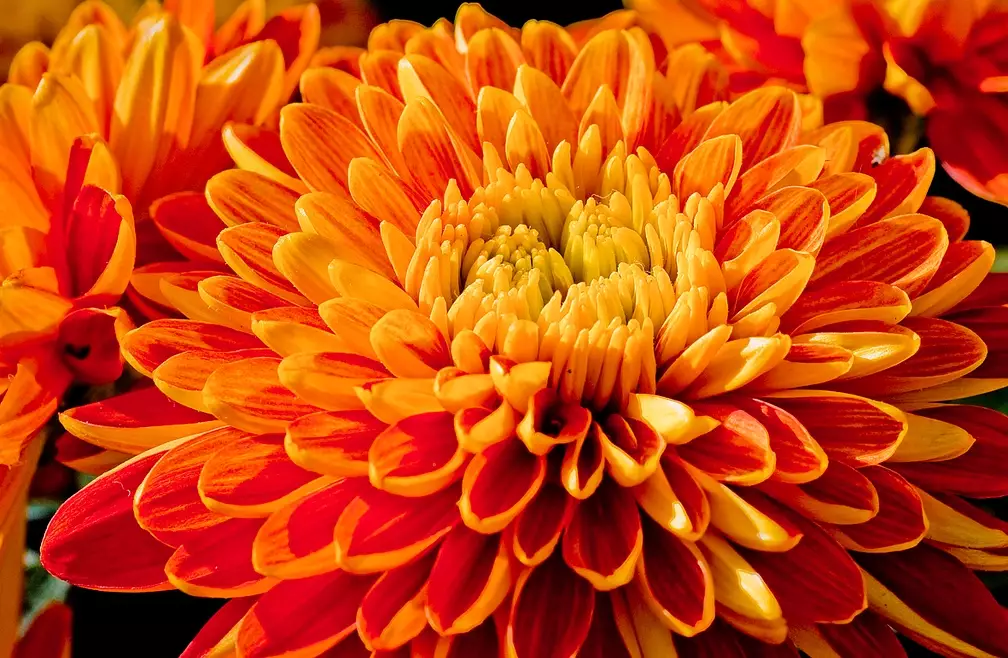
You planted a florist mum, not a hardy garden variety. Fall-planted mums, even hardy ones, have no time to establish roots before focusing energy on blooming and then facing winter. It's a huge stress. The root system remains small and shallow, making it vulnerable to freezing or rotting. Always plant hardy mums in the spring.
The leaves on my mum have white powdery spots. What is it and how do I fix it without harsh chemicals?
That's powdery mildew. It's ugly but rarely fatal. It thrives in humid conditions with poor air circulation. First, improve air flow by thinning the center of the plant a bit in spring. Water at the base in the morning, not overhead. A weekly spray of a 1:9 milk-to-water solution can suppress it. As a last resort, a horticultural oil or sulfur-based fungicide can be used, but prevention through spacing and watering habits is more effective.
When is the best time to divide overgrown chrysanthemum clumps?
Early spring, just as you see the first tiny green shoots emerging from the ground. This is the plant's natural reset time. Dig up the entire clump, and use a sharp spade or knife to cut it into sections, each with several shoots and a good chunk of roots. Replant immediately, water well, and discard the old, woody center of the clump. Dividing every 2-3 years keeps them vigorous.
Can I grow chrysanthemums in containers permanently?
You can, but it's a high-maintenance commitment. The soil in pots freezes harder than ground soil, so overwintering is tricky. You must move the pot to an unheated garage or bury it in the ground for winter. Container mums also need more frequent watering and feeding. For most gardeners, it's easier to grow them in the ground and use annuals for container displays.
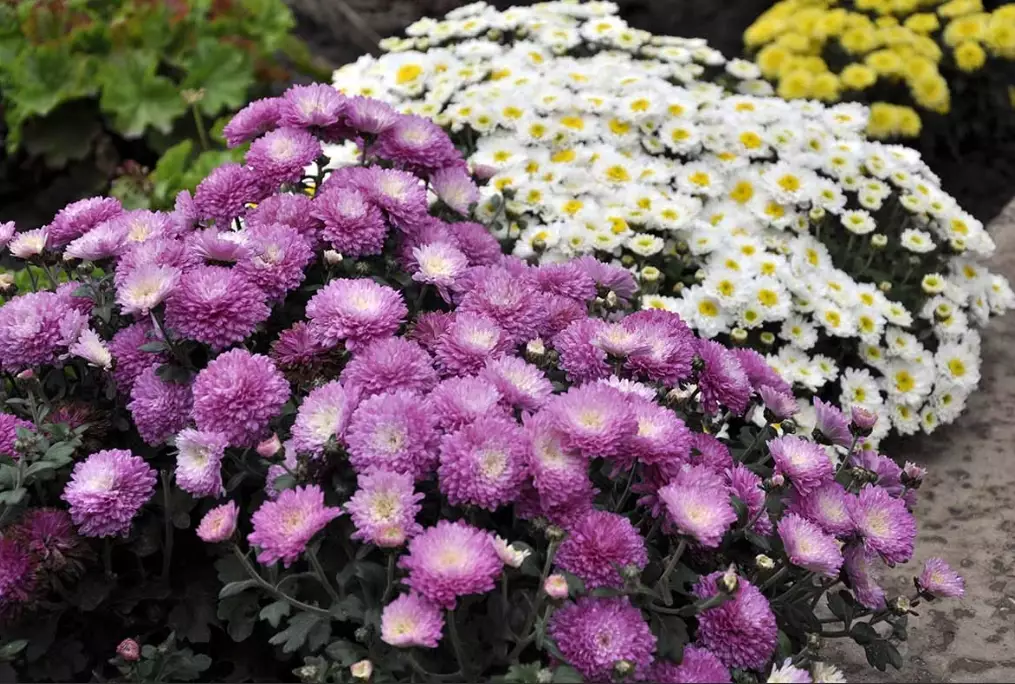 Growing chrysanthemums that return bigger and better each year isn't about having a green thumb. It's about choosing the right plant, putting it in the right place, and following a few non-negotiable rules on timing. Skip the impulse buy of the blooming pot in autumn. Plan ahead. Plant a hardy variety this spring, pinch it twice, and protect it in winter. Come next fall, you'll have a display that makes all that effort—and my early failures—worth it.