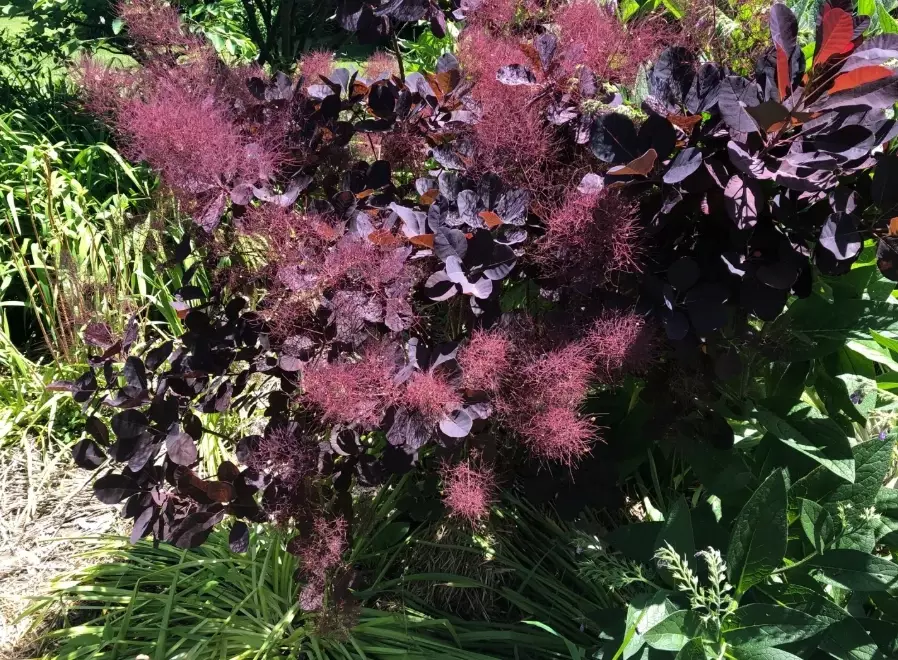
Let's talk about the smoke bush, or Cotinus if you want to get botanical. You've probably seen it—that shrub with the cloud-like plumes of pink or purple that seem to float above the foliage in summer. It stops traffic. It makes neighbors ask "what is that?". And the best part? It's tougher than it looks. I've grown several in different gardens over the years, battling clay soil and unpredictable weather, and I'm here to tell you it's one of the most rewarding low-fuss plants you can add for major impact.
This isn't just a pretty face. It's a workhorse for dry, sunny spots where other plants might struggle. But to get those legendary smoke plumes and vibrant leaf color, there are a few things you need to get right that most generic guides gloss over. We're going past the basics into the nitty-gritty that actually matters.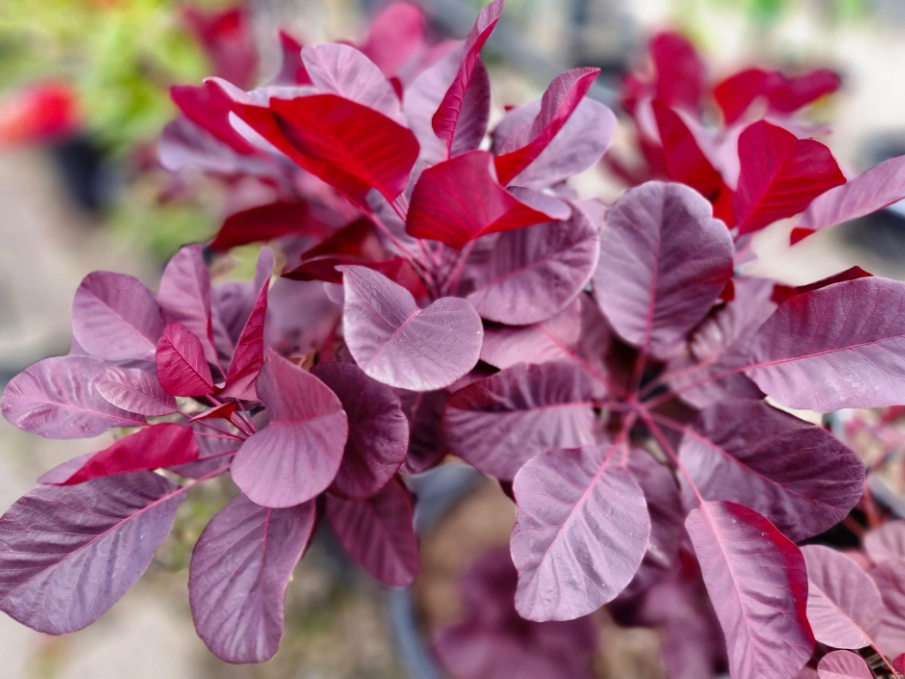
What's Inside?
Getting Your Smoke Bush in the Ground: The Right Start
Location is everything. I made the mistake once of planting a 'Royal Purple' in a spot that got afternoon shade. The leaves stayed a dull greenish-purple, and the flowering was pathetic. Lesson learned.
Sunlight is non-negotiable. You want full sun. Six hours minimum, but aim for eight. This is the single biggest factor for intense leaf color and prolific smoke plumes. More sun equals more color, more flowers, and a denser habit.
Soil is where you have some flexibility, but drainage is key. They hate wet feet. My current garden has heavy clay, so I did this: dug a hole twice as wide as the root ball, but only as deep. I mixed the native clay with a hefty amount of coarse sand and compost (about a 2:1:1 ratio) to create a looser, well-draining mound for the root ball to sit on. This prevents water from pooling around the crown. The University of Maryland Extension notes that good drainage is critical for preventing root rot in woody ornamentals, and Cotinus is no exception.
Spacing is another common oversight. These shrubs can get big—8 to 15 feet tall and wide depending on the variety. Don't cram it next to your foundation or under a window. Give it room to breathe and show off its natural, often wide-spreading form.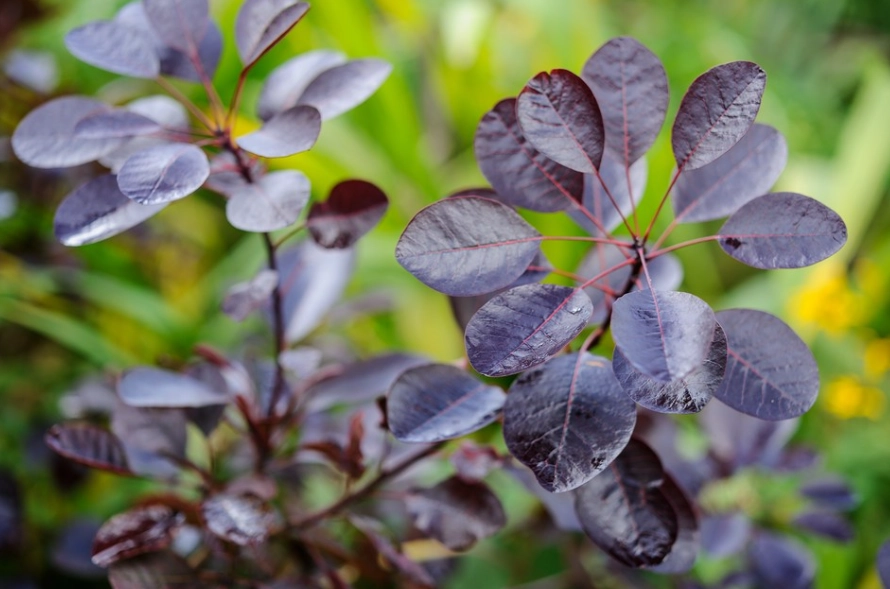
The Smoke Bush Care Calendar: What to Do and When
Once established, a smoke bush is incredibly low maintenance. "Established" means it's been in the ground for a full growing season and has put out new roots into the surrounding soil. Here's a seasonal breakdown.
Spring (Late March - May)
This is pruning time. The big question: do you want giant leaves or maximum flowers? It's one or the other.
For massive, colorful leaves (the approach I prefer for cultivars like 'Royal Purple'), cut the entire shrub back hard in early spring, just as buds begin to swell. I'm talking 6 to 12 inches from the ground. It sounds brutal, but it forces out long, vigorous shoots with leaves that can be twice the normal size. The trade-off is you'll get few, if any, smoke plumes.
For a more natural, tree-like form with lots of flowers, use the "one-third" method. Remove about one-third of the oldest, thickest stems at the base each spring. This encourages renewal and maintains air circulation.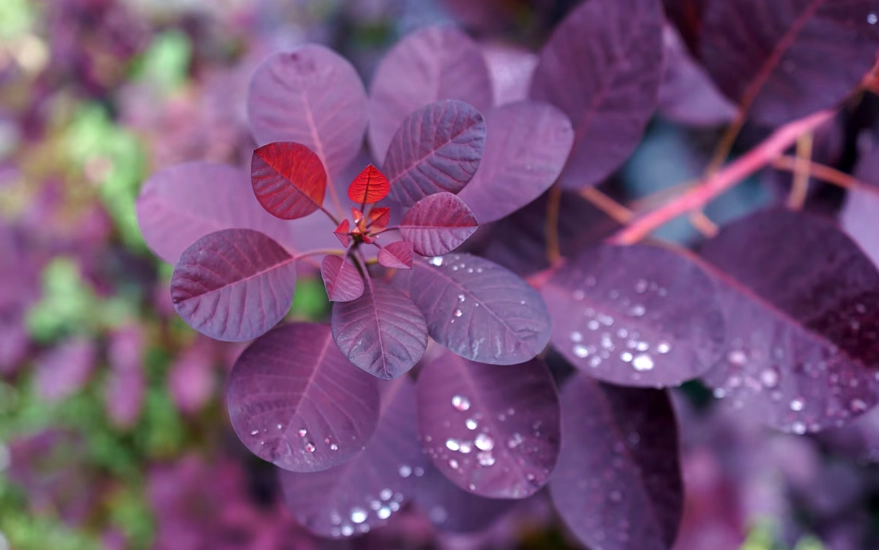
Summer (June - August)
Watering. If you're in a drought and the leaves start to look limp, give it a deep, slow soak. Otherwise, leave it alone. Established plants are remarkably drought-tolerant. The smoke plumes (panicles) appear in early to mid-summer and last for weeks, gradually fading to a hazy beige.
Fall & Winter (September - February)
Enjoy the fall color—yellows, oranges, and reds on the green-leaved species, deeper purples and scarlets on the purple types. Then, do nothing. Seriously. No pruning, no fertilizing. Let it go dormant.
Picking Your Smoke Bush: A Quick Comparison of Top Varieties
Not all smoke bushes are the same. The species Cotinus coggygria is the most common, but cultivars offer distinct personalities. The Missouri Botanical Garden's Plant Finder is an excellent resource for verifying the details on these cultivars.
| Variety Name | Foliage Color | Flower Plume Color | Mature Size (H x W) | Best For |
|---|---|---|---|---|
| 'Royal Purple' | Deep maroon-purple, turns scarlet in fall | Pinkish-purple | 10-15' x 10-15' | Dramatic color contrast, large spaces |
| 'Grace' | Violet-blue in spring, red-purple in fall | Pink | 10-15' x 10-15' | Hybrid vigor, very large leaves and plumes |
| Golden Spirit ('Ancot') | Chartreuse yellow, orange/red fall color | Pink | 6-8' x 6-8' | Brightening shady corners (needs some sun) |
| 'Nordine' | Wine-red, excellent cold tolerance | Purple-pink | 10' x 10' | Colder climates (USDA zone 4) |
| Species (C. coggygria) | Blue-green, brilliant fall color | Gray-pink to beige | 10-15' x 10-15' | Naturalized look, fantastic fall show |
My personal favorite is 'Grace'. It grows like a weed, has stunning multi-season color, and the plumes are enormous. 'Royal Purple' is the classic, but in my experience, it can be slightly less vigorous and more prone to mildew in humid summers if air circulation is poor.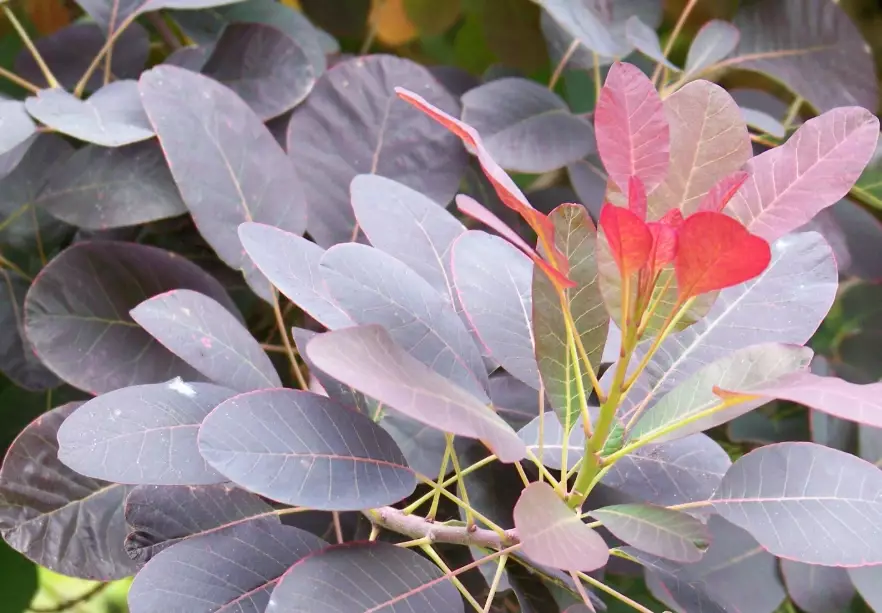
Using Smoke Bush in Your Landscape: Beyond the Specimen Plant
Sure, you can plop one in the middle of a lawn as a focal point. But to really integrate it, think about texture and color echoes.
I love pairing purple smoke bushes with plants that have silver or lime-green foliage. Think Russian sage (Perovskia), lamb's ear (Stachys), or a mound of 'Angelina' sedum at its feet. The contrast makes the purple pop.
For the green or golden varieties, use them as a backdrop for hot-colored flowers—deep red bee balm, orange daylilies, or purple coneflowers. The smoky plumes soften and tie together these bold colors.
Another underrated use: a tall, informal screen or hedge. Plant them 6-8 feet apart and let them grow together. You get seasonal privacy plus an incredible visual feature. Just remember you'll need to commit to the annual pruning to keep them at the desired height and density.
Smoke Bush Problems Solved: Your Questions Answered
 Can I grow a smoke bush in a container or pot?
At the end of the day, the smoke bush is a forgiving and spectacular plant. It asks for little—mostly just sunshine and well-drained soil—and gives back so much in texture, color, and architectural form. Whether you go for the regal purple of 'Royal Purple' or the luminous glow of 'Golden Spirit', planting one is a decision you're unlikely to regret. Just give it space, sun, and the right prune for your goals, and it’ll be the star of your garden for decades.