Let's talk about viola flowers. You've probably seen them. Those cheerful, little faces popping up in spring gardens, often confused with their larger cousin, the pansy. But here's the thing – violas are their own star. They're tougher, longer blooming, and frankly, a bit more interesting if you ask me. I've grown them for over a decade, watched beginners kill them with kindness, and helped others turn a patch of soil into a viola paradise. This guide isn't just a list of facts. It's the stuff I wish I knew when I started, the mistakes to avoid, and the simple steps that actually work.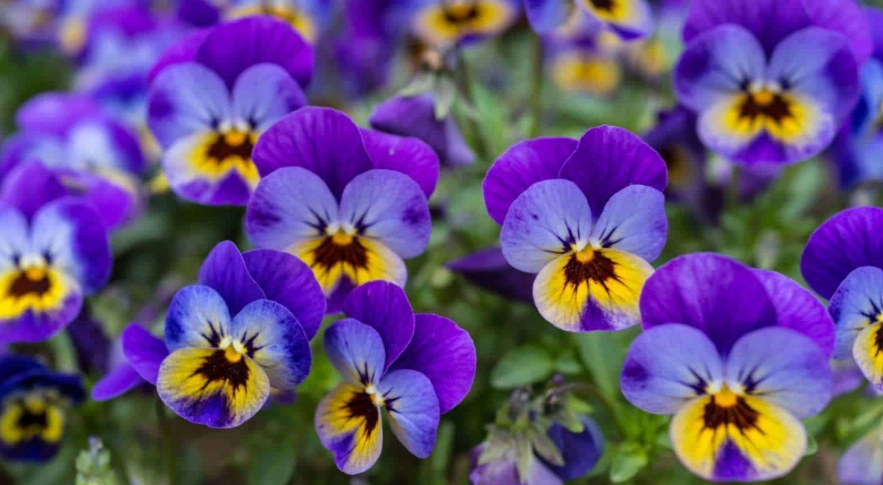
What's Inside This Guide?
What Exactly Are Viola Flowers?
Violas are a huge group of plants, but the ones we usually grow in gardens are hybrids, often called Johnny-jump-ups or tufted pansies. They're cool-season annuals or short-lived perennials. The biggest point of confusion? Telling them apart from pansies.
Most people think size is the only difference. It's not. The real giveaway is the number of petals facing upward. Pansies have four petals up, one down. Violas have two petals up, three down. Look closely next time. That smaller, more abundant flower with a charming, complex face is usually a viola.
A quick comparison: Violas often have more flowers per plant, tolerate a wider range of temperatures (especially cold), and are generally more resilient to wet weather. Pansies give you a bigger, bolder bloom but can get leggy and sulk in heat faster.
I made the mistake early on of treating them exactly the same. I planted a "pansy mix" that was actually half violas in a spot that stayed soggy after rain. The pansies rotted. The violas thrived. That's when I started paying attention.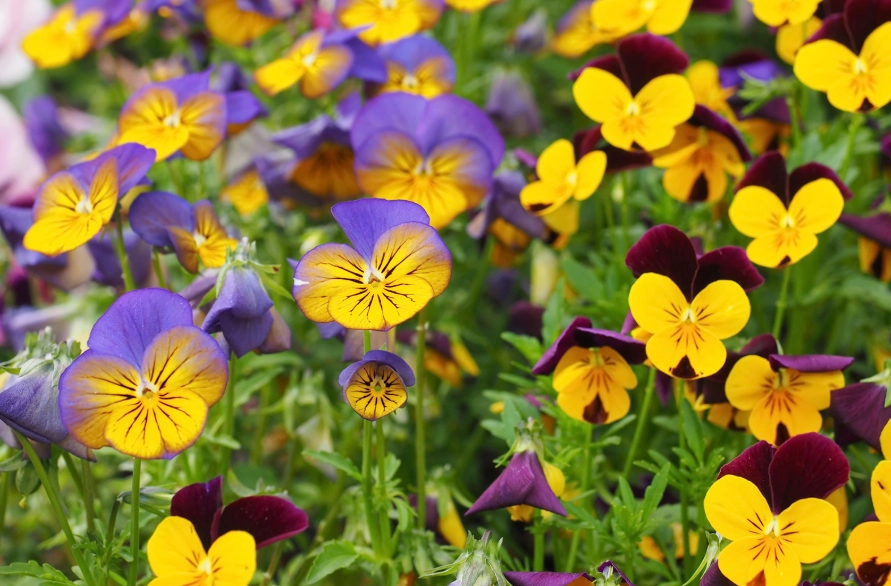
How to Plant Viola Flowers for Success
Getting this part wrong sets you up for a season of struggle. The goal is to encourage a deep, healthy root system before the plant even thinks about flowering.
Timing is Everything
For spring bloom, plant in early spring as soon as the soil can be worked. For fall bloom and overwintering (in milder zones), plant in early autumn. Planting in late spring for summer flowers is a rookie mistake. Violas hate hot roots. They'll bolt, get leggy, and stop flowering.
The Planting Process, Step-by-Step
1. Location: Full sun to partial shade. In hotter climates, afternoon shade is non-negotiable. More than 6 hours of direct, hot sun and they'll fry.
2. Soil Prep: This is where most fail. Violas need well-draining soil more than they need rich soil. I mix in a generous amount of compost and a handful of coarse sand or perlite if my soil is heavy clay. The Royal Horticultural Society (RHS) notes good drainage as critical for preventing crown rot.
3. Spacing: Give them room. 6 to 8 inches apart. Crowding them invites fungal diseases and weak growth. It feels sparse at first, but they fill in.
4. Planting Depth: Plant at the same depth they were in the pot. Burying the stem is a death sentence. Firm the soil gently around the roots.
5. Water In: Water thoroughly right after planting to settle the soil. Then, hold off. Let the top inch dry out before watering again to force those roots to search downward.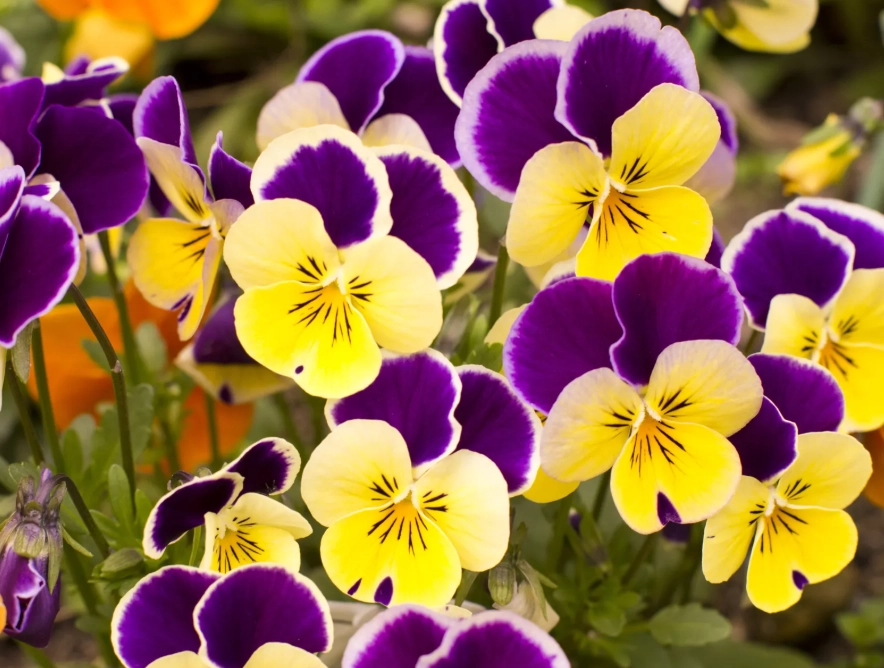
The Non-Negotiable Viola Care Routine
Once planted, violas are pretty low-maintenance if you stick to a few key habits.
Watering: The Biggest Killer
Overwatering kills more violas than anything else. They like consistent moisture but hate wet feet. Stick your finger in the soil. If the top inch is dry, water deeply at the base of the plant, avoiding the leaves. Early morning is best. In containers, drainage holes are mandatory – I drill extra ones if needed.
Feeding: Less is More
A common myth is that violas are heavy feeders. They're not. A single application of a balanced, slow-release fertilizer at planting time is often enough for the season. If you must feed again, use a half-strength liquid fertilizer every 4-6 weeks during peak bloom. Too much nitrogen gives you lots of leaves and few flowers.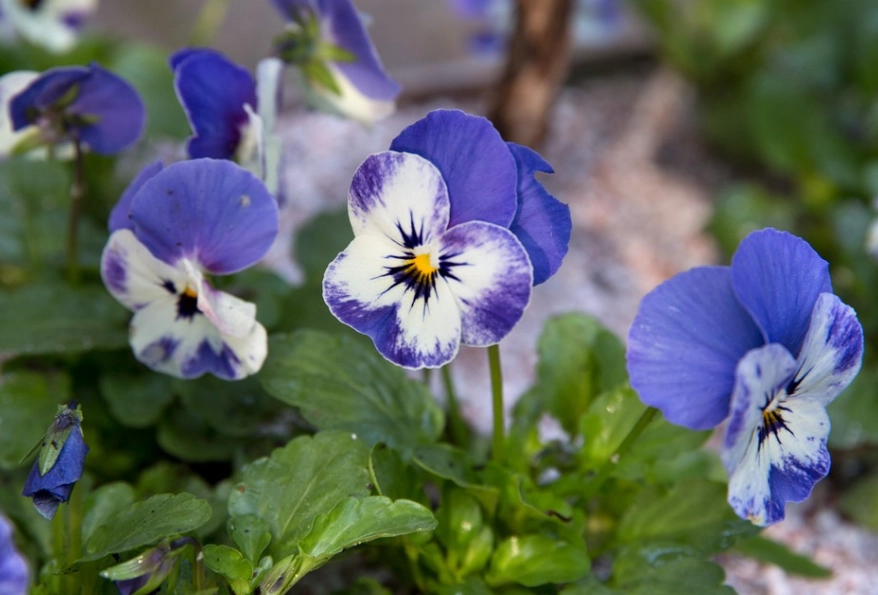
Deadheading: The Secret to Non-Stop Blooms
This is non-negotiable. You must remove spent flowers. Don't just snap off the petal head. Follow the stem down to the next set of leaves and pinch or snip there. This prevents seed formation (which tells the plant its job is done) and encourages new branching and blooms. I do this every few days while I'm having my morning coffee. It's therapeutic.
Troubleshooting Common Viola Problems
Even with perfect care, issues pop up. Here’s how to diagnose and fix them fast.
| Problem | Likely Cause | Immediate Action |
|---|---|---|
| Leggy, sparse growth with few flowers | Not enough sun, overcrowding, or excessive nitrogen. | Move to a sunnier spot, thin plants, switch to a bloom-booster fertilizer (higher P-K). |
| White, powdery coating on leaves | Powdery mildew. Caused by poor air circulation and damp foliage. | Improve spacing, water at soil level. Remove badly affected leaves. A milk spray (1 part milk to 9 parts water) can help suppress it. |
| Holes in leaves and flowers | Slugs and snails. They love tender viola foliage. | Set out beer traps at dusk, use iron phosphate-based bait, hand-pick at night with a flashlight. |
| Plant wilts, stems turn black at soil line | Stem or crown rot from overwatering/poor drainage. | It's often fatal. Remove affected plants immediately. Improve drainage before replanting. |
| Flowers stop in summer heat | Normal reaction. Plant is stressed. | Provide afternoon shade, ensure consistent watering. Cut back by one-third to encourage fresh growth for fall. |
Aphids can also be an issue. A strong blast of water from the hose usually knocks them off. For persistent problems, insecticidal soap works. The key is acting early.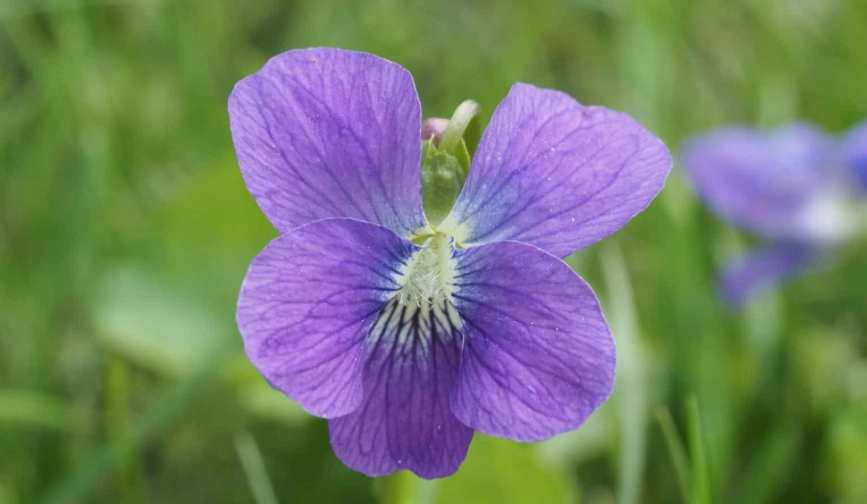
My Top Picks: Viola Varieties to Try
Not all violas are created equal. After trialing dozens, these are the ones that consistently perform and bring me joy.
- Viola 'Sorbet XP Delta Pure Yellow': The most clean, vibrant yellow I've seen. No dark centers, just sunshine. It's prolific and holds up well. A true workhorse.
- Viola 'Johnny-Jump-Up': The classic. Tiny purple, yellow, and white faces that self-seed politely. It's nostalgic, tough as nails, and perfect for cottage gardens or container edges.
- Viola 'Freckles': White flowers heavily speckled with purple-blue freckles. Uniquely charming and a great conversation starter. Performs well in partial shade.
- Viola 'Penny Orange Jump Up': A stunning apricot-orange. The color is warmer and more complex than many modern hybrids. It has a trailing habit, perfect for spilling over the edge of a pot.
- Viola 'Halo Sky Blue': A soft blue with a white "halo" around the center. The color is serene and mixes beautifully with pastels or whites. It's less common but worth seeking out.
Avoid varieties marketed solely for massive flower size if you live in a rainy area. Those big petals turn to mush in a downpour. The mid-sized, multiflora types are your best all-weather friends.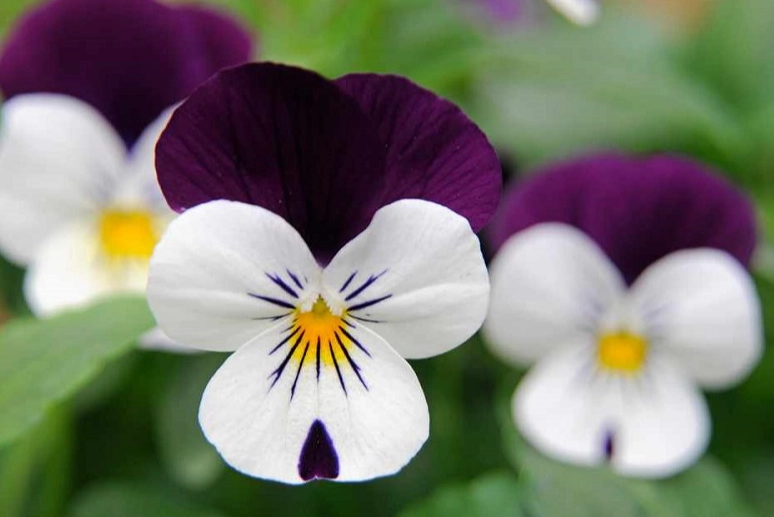
Your Viola Questions, Answered
Can I grow violas from seed, and is it worth the effort?
Absolutely, but it requires patience. Start seeds indoors 10-12 weeks before your last frost date. They need darkness to germinate, so cover the trays. The seeds are tiny, so surface-sow and press in. They can take 2-3 weeks to sprout. For most gardeners, buying established plants in spring or fall is easier and gets you flowers faster.
Why are my viola leaves turning yellow?
Yellow leaves usually point to watering issues. If they're soggy and yellow, you're overwatering. Let the soil dry out. If they're dry, crispy, and yellow, you're underwatering. Nutrient deficiency (usually nitrogen) can also cause yellowing, but check water first. Old leaves naturally yellow and die back – just pinch them off.
 My violas were gorgeous in spring but died in summer. What did I do wrong?
Probably nothing. Violas are cool-season plants. Most naturally decline with sustained heat above 80°F (27°C). You didn't kill them; the weather did. The trick is to treat them as spring/fall performers. Cut them back hard when they get leggy in summer, keep them watered, and they may surprise you with a comeback in cooler autumn weather.
Are violas perennial? Will they come back next year?
It depends on your climate and the variety. In USDA zones 6-9, many violas can behave as short-lived perennials or self-seed reliably, giving the impression they've returned. In colder zones, they're strictly annuals. The hybrid bedding violas are less likely to be truly perennial than species types like Viola cornuta.
What's the best way to use violas in container gardens?
They're fantastic "spillers" and "fillers." Plant them at the edge of pots to cascade down. Mix them with spring bulbs like tulips – the violas cover the fading bulb foliage. For a long-season container, pair them with cool-season greens like kale or lettuce. Just ensure the pot is large enough (at least 12 inches deep) with excellent drainage. In pots, they'll need more frequent watering and feeding than in the ground.
Growing viola flowers successfully boils down to a few simple principles: give them cool weather, well-drained soil, consistent but not excessive water, and plenty of deadheading. They reward a little attention with months of color. Forget the fussy reputation. Start with a tough variety like 'Johnny-Jump-Up,' get the basics right, and you'll find these little flowers are one of the most reliable joys in the garden.