Peonies. The name alone conjures images of lavish, fragrant blooms that seem too perfect for a real garden. They're the divas of the perennial world—stunning when they perform, famously fussy when they don't. If you've ever planted a peony only to get a few sad leaves and zero flowers, you're not alone. I've been there. My first peony, a mail-order 'Sarah Bernhardt', sulked for three years before giving me a single, glorious bloom. The problem wasn't the plant; it was me. I was following generic gardening advice, not peony-specific rules.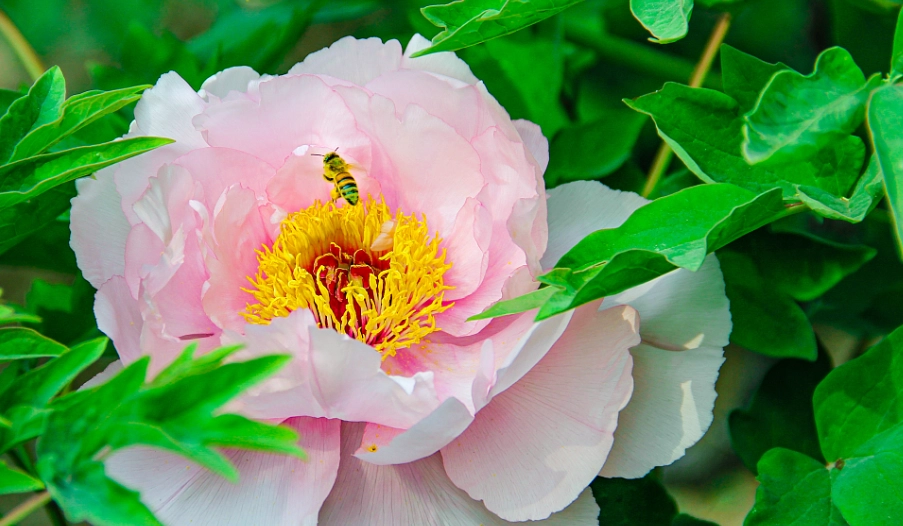
This guide is the result of two decades of trial, error, and conversations with nursery pros. We're going to skip the fluff and get straight to what actually works. Forget just "planting a peony". We're going to engineer the perfect conditions for a lifetime of blooms.
What's Inside This Guide?
Picking Your Peony: It's More Than Just Color
Your first major decision isn't pink or red. It's what type of peony you're buying. This dictates its form, size, and even its staking needs. Most garden centers just label them "peony," which is a huge disservice.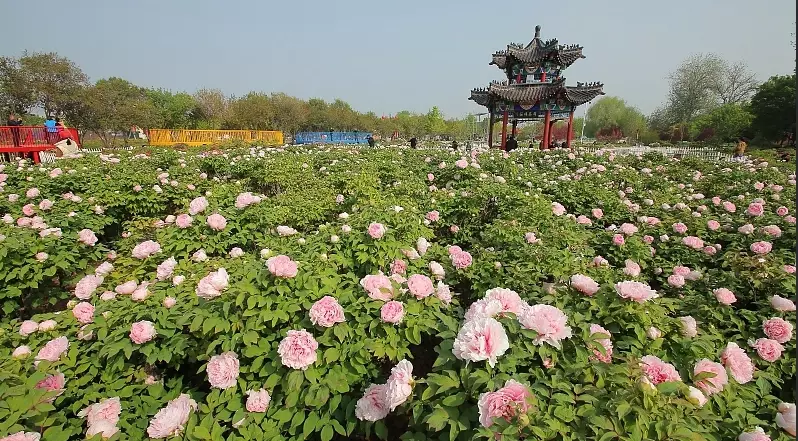
| Type | Key Characteristics | Best For | Biggest Drawback |
|---|---|---|---|
| Herbaceous Peonies | Classic garden peony. Dies back to the ground each winter. Huge, often fragrant flowers on bushes 2-3 ft tall. Lives for 50+ years. | Traditional cottage gardens, cut flowers. Most common and reliable. | Flops over in rain if not staked. Short bloom season (2-3 weeks). |
| Tree Peonies | Woody shrub that doesn't die back. Can grow 4-7 ft tall. Enormous, exotic-looking flowers in early spring. Very expensive. | Focal point specimen plant. Earlier bloom than herbaceous types. | Slow growing. Requires perfect drainage. Price tag. |
| Intersectional (Itoh) Peonies | Hybrid of the above. Dies back like herbaceous, but with stronger stems and unique colors. Long bloom time. | Modern gardens. Minimal staking needed. Excellent for long-season color. | Still pricey, though less than tree peonies. Fewer varieties available. |
For 95% of gardeners starting out, a herbaceous peony is the way to go. They're tough, affordable, and the care principles you learn apply broadly. When selecting, look for 3-5 eye bare root divisions. "Eyes" are those little red buds on the root crown. More eyes mean more stems in year one. A cheap, single-eye plant will take years longer to establish.
The Non-Negotiable Rules of Peony Planting
This is where most failures happen. Peonies are forgiving about many things, but planting depth is sacred law. Get this wrong, and you'll get leaves forever, but no flowers.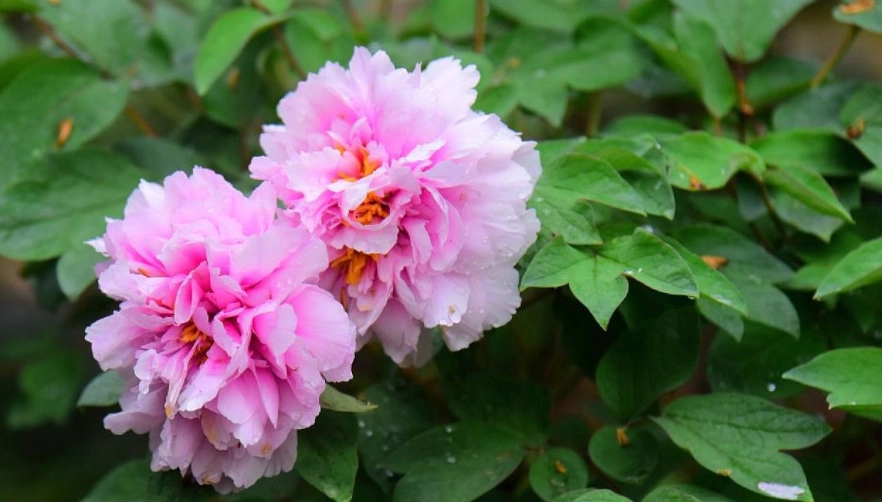
Location is Everything
Peonies need full sun. That means at least 6 hours of direct, unfiltered sunlight. Morning sun is ideal. In hot southern climates (USDA zones 7-8), a bit of afternoon shade can prevent scorching, but less than 6 hours of sun is a recipe for weak growth and no blooms.
They hate wet feet. Soil must be well-draining. If you have heavy clay, you must amend it. I mix in a hefty amount of compost and some coarse sand or even fine gravel to improve texture. Raised beds are a fantastic option.
The Planting Ritual
Fall is the absolute best time to plant bare-root peonies. The soil is warm, the air is cool, and it gives the roots months to settle in before the spring growth sprint. Spring planting is possible, but plants will be slower to establish.
- Dig a Wide, Shallow Hole: Make it about 18 inches across and 18 inches deep. This loosens the soil for easy root expansion.
- Amend the Soil: Mix the excavated soil with 2-3 shovels of compost and a handful of bone meal or a balanced, slow-release organic fertilizer. Peonies are heavy feeders, but they like their food served at planting time.
- The Critical Depth: Place the root so the eyes are no more than 2 inches below the final soil surface in cold climates (zones 3-5). In warmer zones (6-8), plant them only 1 inch deep. I use a stick laid across the hole as a guide. Planting too deep is the #1 reason for failure to bloom.
- Backfill and Water: Gently fill the hole, firming the soil as you go to eliminate air pockets. Water thoroughly to settle the soil.
- Mark the Spot: It will die back in winter. Place a labeled stake so you don't accidentally dig it up or plant on top of it.
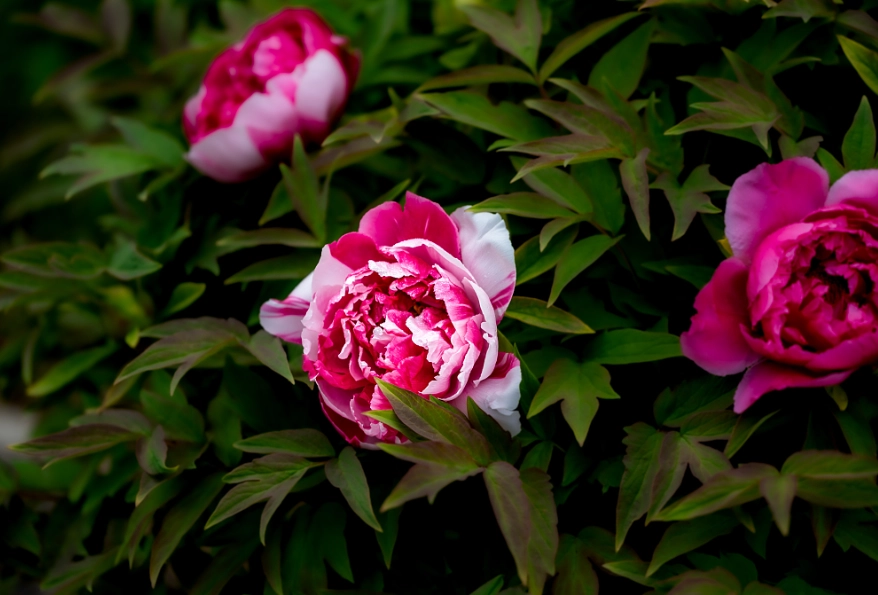
Feeding, Watering, and the Critical Fall Cutback
Once planted, peonies are low-maintenance, but not no-maintenance. Their needs are seasonal and specific.
Spring: As shoots emerge, apply a balanced, low-nitrogen fertilizer. Too much nitrogen (the first number on the bag) gives you gigantic leaves at the expense of flowers. I use a 5-10-10 formula or simply top-dress with compost. If you have heavy flower heads, install a peony ring or stakes early, when the plant is about 10 inches tall. Trying to stake a flopped-over plant is a nightmare.
Summer: Water deeply during dry spells, aiming for about 1 inch per week. Water at the base, not overhead, to prevent fungal diseases. After blooms fade, deadhead (cut off the spent flower) to keep the plant looking tidy, but leave all the foliage. The leaves are the solar panels making energy for next year's blooms.
Fall: This is the most important act of care. After the first hard frost turns the foliage brown, cut the stems down to ground level. Remove all foliage from the area and discard it (don't compost). This prevents diseases like botrytis from overwintering. It feels brutal, but it's essential.
Why Your Peony Won't Bloom (And How to Fix It)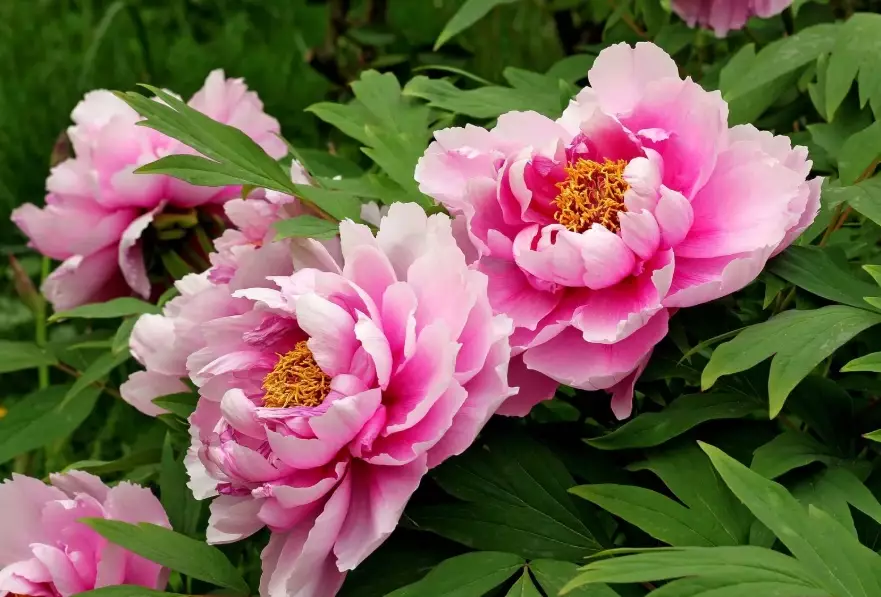
Let's diagnose the common issues. If your peony is healthy but flowerless, run down this list.
Planted Too Deep: This is the culprit 80% of the time. If your plant has been in for more than two years with no blooms, you might need to carefully dig it up in the fall and replant it higher.
Not Enough Sun: Has a tree grown and started shading it? Even an hour less of sun can impact flowering. Consider relocating it.
Over-fertilized with Nitrogen: Are you using a lawn fertilizer nearby? Or a generic plant food? Switch to a bloom-booster formula or just use compost.
Too Young or Recently Divided: Patience. A bare-root peony can take 2-3 years to settle in and bloom well. Don't panic in year one.
Ants? They're harmless. They're just sipping nectar from the sticky buds. No need to get rid of them.
5 Can't-Kill Peony Varieties for Beginners
Start with a proven winner. These varieties are widely available, vigorous, and less prone to flopping.
- 'Sarah Bernhardt': The classic late-blooming pink double. Fragrant, excellent for cutting. A bit of a flopper, so stake it well.
- 'Karl Rosenfield': A stunning deep crimson double. Strong stems, good fragrance. Reliable and show-stopping.
- 'Festiva Maxima': White double with flecks of crimson at the center. Heirloom variety from 1851. Incredibly fragrant and vigorous.
- 'Coral Charm': A single-to-semi-double that opens coral-pink and fades to peach. Unusual color, very strong stems. An intersectional-like herbaceous type.
- 'Bartzella' (Itoh): If you want to splurge on an intersectional. Lemon-yellow double flowers, incredibly strong stems, blooms for weeks. Worth every penny.
Your Peony Problems, Solved
 Can I move or divide an established peony?
 The truth about peonies is they demand a bit of upfront precision—chiefly, that perfect planting depth and a sunny spot. But once you give them that, they repay you with decades of effortless, breathtaking beauty. They're not fragile; they're just particular. Follow these rules, and you'll shift from wondering why they won't bloom to wondering what to do with all the bouquets.