You bring home a beautiful plant. It thrived for months. Then, a leaf turns yellow. You panic. Do you water it more? Less? Move it to sun or shade? You can't find the answer because you don't know what the plant is. This is the core problem house plant recognition solves. It's not just about putting a name to a pretty face; it's the first and most critical step in providing proper care. For over a decade, I've watched plant enthusiasts kill with kindness simply because they misidentified their green charge. Let's fix that.
What's Inside This Guide
Why Correct Plant Identification Actually Matters
Calling a Monstera a "philodendron" might seem harmless. Until you try to propagate it like a philodendron and fail. Or you water your succulent like it's a fern. Identification is the master key to care sheets. Light, water, humidity, soil, temperature—all these needs are species-specific.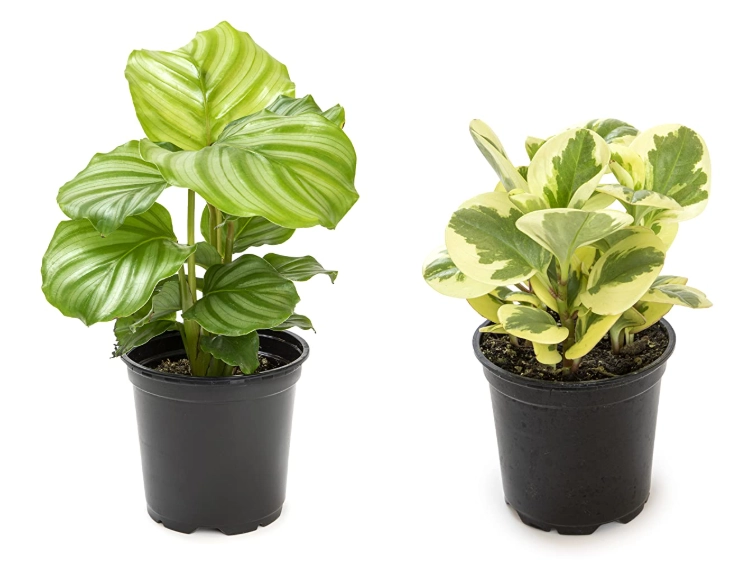
I once helped a friend who was convinced her Snake Plant (Sansevieria) was dying because the tips were brown. She was watering it weekly. The plant was, in fact, a ZZ Plant (Zamioculcas zamiifolia), which needs even less water. She was drowning it. A simple, correct ID would have told her to water every 3-4 weeks.
Beyond care, identification matters for safety. Is that cute vine you bought Pothos (mildly toxic) or English Ivy (can cause dermatitis)? Knowing the difference is crucial if you have pets or kids.
How to Identify House Plants: A Step-by-Step Guide
Before you even open an app, play detective. Apps are tools, not oracles. Your own observations are the most valuable data points. Most people jump straight to snapping a photo, but that's where mistakes begin. The app needs context you can provide.
Step 1: Become a Leaf Detective
Examine the leaf like it's a crime scene. Forget the flower (most houseplants rarely bloom indoors anyway).
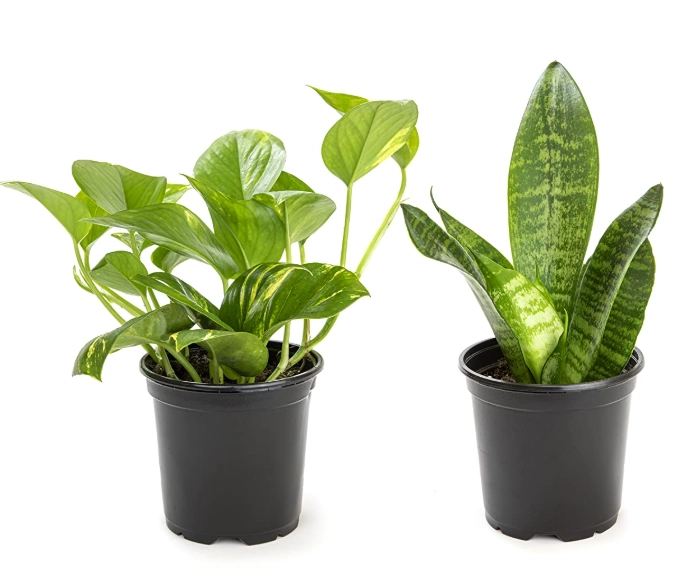
- Shape & Size: Is it heart-shaped (Philodendron), spear-like (Snake Plant), or divided into leaflets (Monstera, Schefflera)?
- Texture & Thickness: Is it waxy and thick (Jade Plant), paper-thin (Nerve Plant), or fuzzy (African Violet)?
- Color & Pattern: Are there stripes (Spider Plant), silver splashes (Satin Pothos), or pink edges (Tricolor Stromanthe)?
- Arrangement: Do leaves grow opposite each other, alternately on the stem, or in a rosette from the center (Succulents)?
Step 2: Examine the Stems and Growth Habit
Is it a vine that trails or climbs (Pothos, Philodendron)? A upright, woody shrub (Ficus, Croton)? A cluster of leaves from a central base (Peace Lily, Chinese Evergreen)? Does it have a thick, water-storing trunk (Ponytail Palm)?
Step 3: Use a Systematic Identification Key (The Old-School Way)
Resources like the Missouri Botanical Garden's Plant Finder or the University of Florida's IFAS Extension databases let you filter plants by characteristics. It's slower, but it teaches you botany. You learn that a "palm-like" plant with feathery leaves might be a Parlor Palm (Chamaedorea) and not a true palm at all.
What Are the Best House Plant Identification Apps?
Here's the real talk. No app is 100% accurate. They are fantastic starting points, but you must verify. I've tested them all on my collection of 80+ plants. Their performance varies wildly based on what you're trying to identify.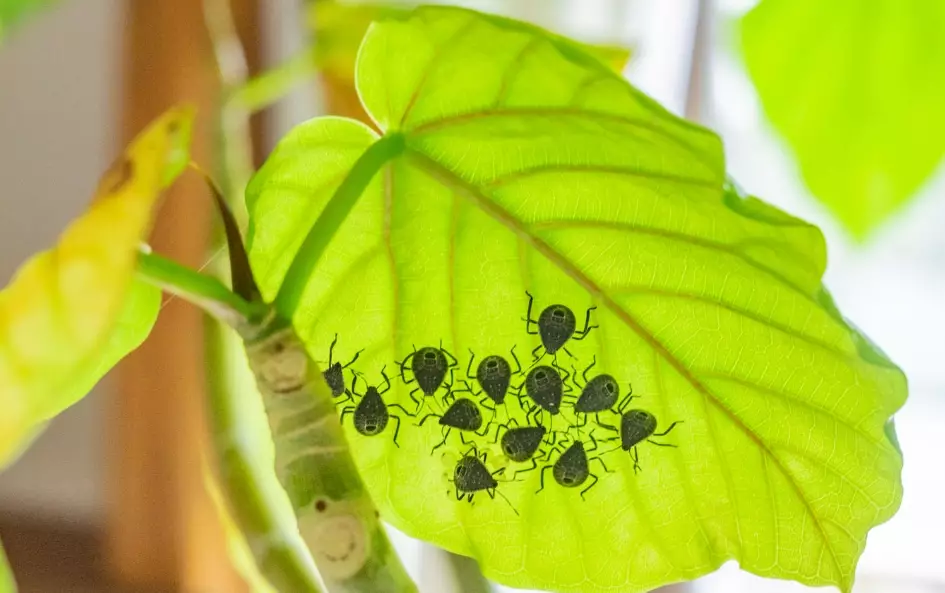
| App Name | Primary ID Method | Core Features for Plant Parents | Biggest Strength | Notable Weakness |
|---|---|---|---|---|
| PictureThis | Photo + AI | Care reminders, disease diagnosis, large database. | High accuracy on common ornamentals; good disease ID. | Heavy push for premium subscription; can be overly confident on wrong IDs. |
| Planta | Photo + AI & Manual Input | Extremely detailed, personalized watering/fertilizing/misting schedules. | Seamless integration of ID into a full care planner. | Schedules can be too rigid and lead to overwatering if not adjusted. |
| Google Lens | Photo + AI | Free, integrated into Android and Google App. | Surprisingly good and completely free; great for quick checks. | Provides less plant-specific care info; can confuse plants with similar-looking objects. |
| iNaturalist | Photo + Community ID | Connects to a global community of naturalists and scientists. | Most reliable for rare or unusual species; IDs are verified by humans. | Slower (requires human input); interface less tailored to pure houseplant care. |
My personal workflow? I use Google Lens for a fast, free guess. Then, I cross-reference with PictureThis or iNaturalist to see if they agree. For a plant I know I'll keep long-term, I'll add it to Planta to manage its care schedule, but I always manually check its soil before following its watering alerts.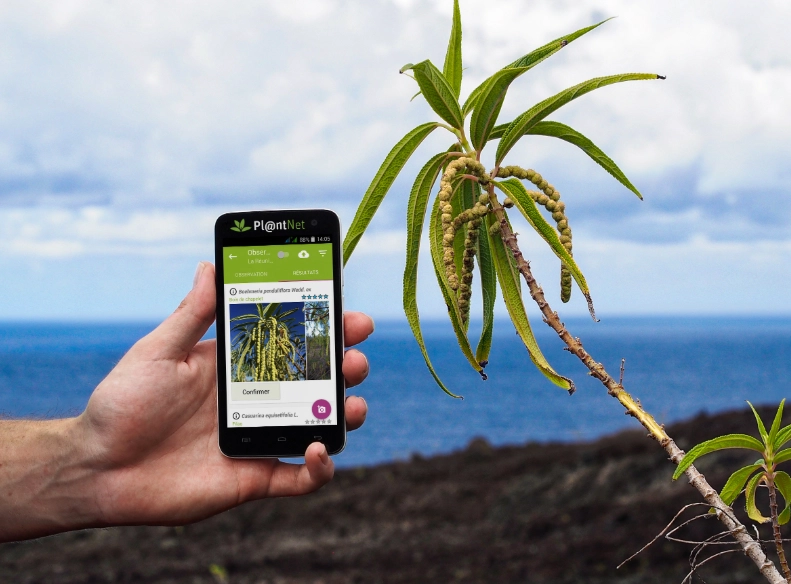
The worst mistake is blindly trusting the first result an app gives you. I've seen a Pepperomia obtusifolia get identified as a Jade Plant because both have glossy, oval leaves. To the AI, the shape was similar enough. A human would note the Jade's thicker, woody stem and different leaf arrangement.
How Plant ID Apps Work (And Where They Fail)
People think these apps are magic. They're not. They're pattern-matching machines. They use a type of artificial intelligence called convolutional neural networks trained on millions of labeled plant images.
Here's the catch: the training data is everything. If the database has 50,000 images of Monstera deliciosa but only 500 of the rarer Monstera adansonii (Swiss Cheese Vine), the app will be biased toward identifying any holey leaf as the more common Monstera. It's not stupid; it's statistically guessing.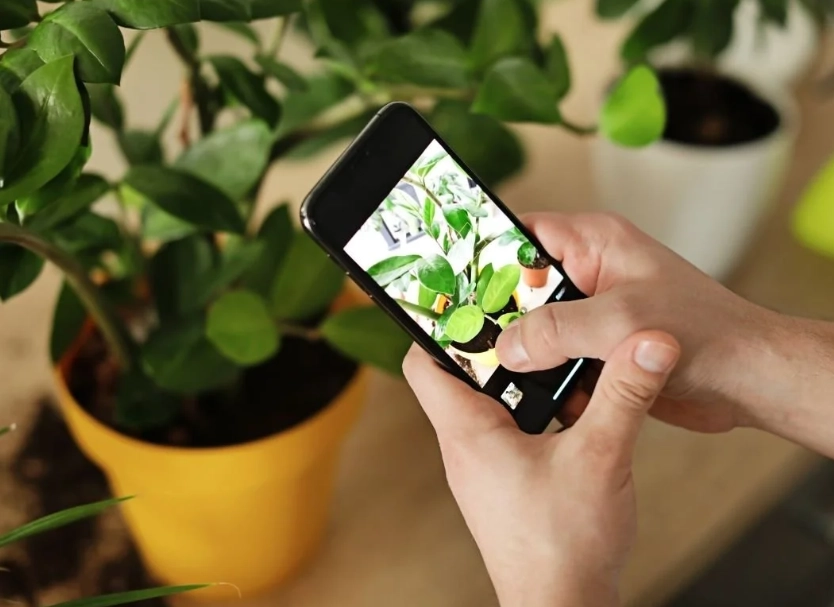
Common failure points:
- Juvenile Plants: A baby Monstera looks nothing like its mature, fenestrated form. Apps often fail here.
- Stressed or Unhealthy Plants: Yellowing, curling, or sparse leaves change the plant's "fingerprint."
- Poor Photo Quality: Blurry shots, bad lighting, or photos that don't show the leaf shape and arrangement clearly.
- Hybrids and Cultivars: Is it a 'Golden Pothos' or a 'Neon Pothos'? The care is identical, but apps might struggle with cultivar-level IDs.
The most underutilized feature in every app? The ability to take multiple photos. Take one of the whole plant, one close-up of a leaf from the top, one of the stem, and one of the soil line. Submit them together. This gives the AI context and dramatically increases accuracy.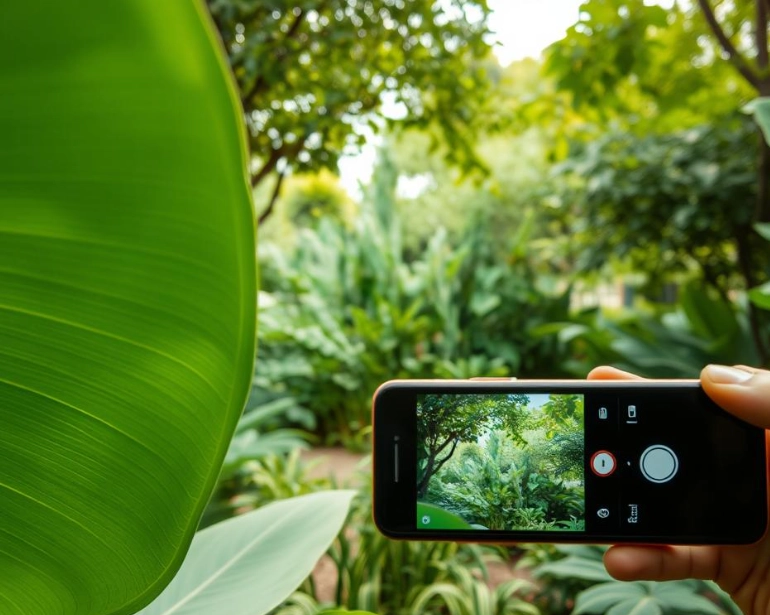
Your Plant Identification Questions, Answered
House plant recognition feels like a mystery, but it's a solvable one. It's a mix of old-school observation and new-school technology. Use the apps as powerful assistants, but never surrender your own judgment to them. Start with the leaf. Take good photos. Cross-reference. When in doubt, ask a human in a plant shop or online community. The goal isn't just to get a name—it's to start a proper conversation with the living thing in your home. Once you know its name, you can learn its language.