I killed my first fuchsia. It was a gorgeous, trailing thing I bought in a hanging basket, and I treated it like the tropical diva it appeared to be. When frost threatened, I panicked, tried to bring it inside, and created a mess of dropped leaves and flowers. That's when a nursery owner set me straight: "You're buying the wrong kind. You need a hardy fuchsia." That conversation changed my gardening game in my Zone 7 garden. Forget everything you think you know about fussy, one-season fuchsias. The hardy varieties are tough, perennial shrubs that can survive winters down to USDA Zone 6, and with a bit of know-how, even lower. They're not just plants; they're long-term garden architecture that happens to produce an endless fireworks display of blooms from early summer right up to the first hard freeze.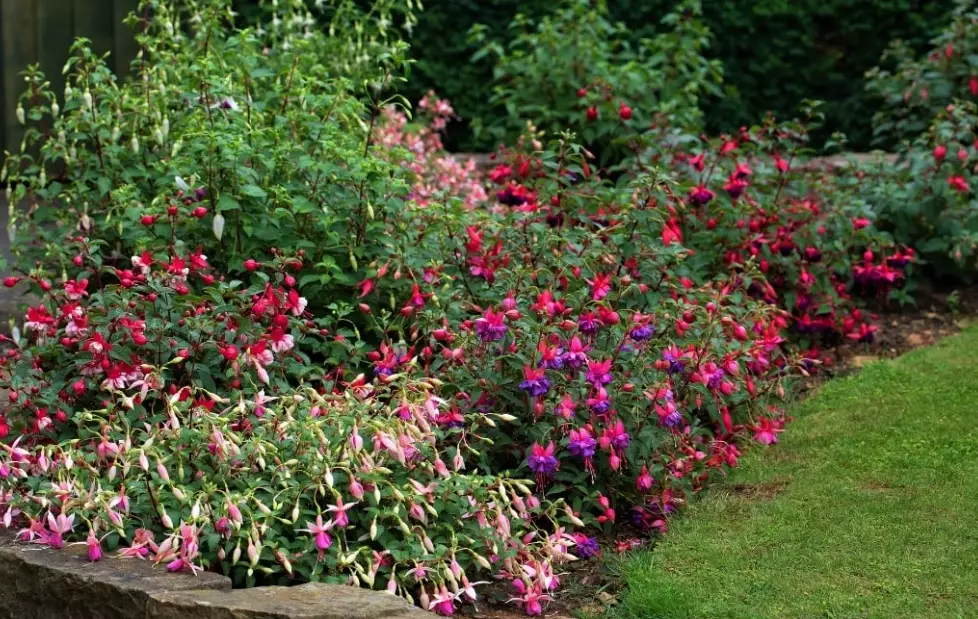
What's Inside?
What Makes a Fuchsia "Hardy"?
It's all in the genetics. Most fuchsias sold as annuals are hybrids of species native to cloud forests in Central and South America—think warm, humid, and frost-free. Hardy fuchsias, however, descend from species that evolved in cooler, more temperate regions like the mountains of Chile and New Zealand. Fuchsia magellanica is the superstar parent here. This species has woody stems and a deep, resilient root system that can endure freezing ground temperatures.
The label "hardy" isn't a universal guarantee. A variety hardy to Zone 7 might still perish in Zone 5. The key is the plant's crown—the point where stems meet roots below the soil. If that crown survives the winter, the plant will re-sprout in spring, often growing larger and bushier each year. The top growth usually dies back, which surprises many first-timers who think their plant is dead come April. Patience is key.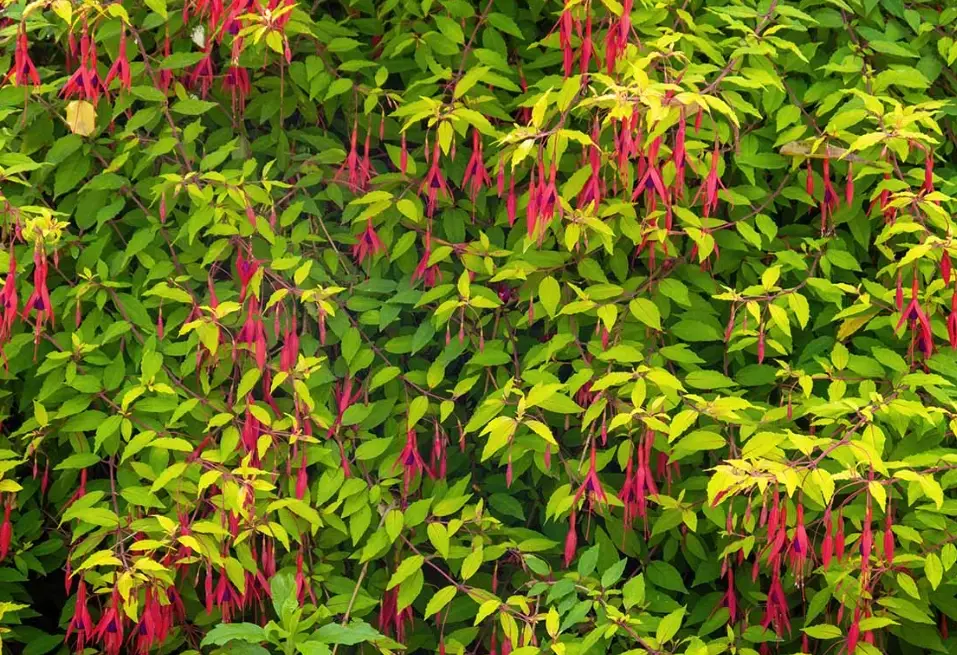
Top Hardy Fuchsia Varieties for Your Garden
Choosing the right variety is 80% of the battle. Don't just grab any fuchsia; look for these proven performers. I've grouped them by their strongest trait to help you decide.
| Variety Name | Key Features & Bloom Color | Mature Size (HxW) | Best For | Hardiness (USDA Zone) |
|---|---|---|---|---|
| Fuchsia 'Riccartonii' | The classic. Slender, red tube and sepals with a deep purple skirt. Incredibly vigorous. | 4' x 4' | Creating a fast, dense hedge or background shrub. | 6-7 (with protection) |
| Fuchsia 'Dollar Princess' | Double blooms! Purple sepals over a full, ruffled red-purple skirt. Very floriferous. | 2.5' x 2.5' | Containers or the front of a border where you can admire the complex flowers. | 7-8 |
| Fuchsia 'Genii' | Golden-yellow foliage that glows in shade. Flowers are red and purple. Color contrast is stunning. | 3' x 3' | Lighting up a dark corner. Foliage provides interest before and after bloom. | 7-8 |
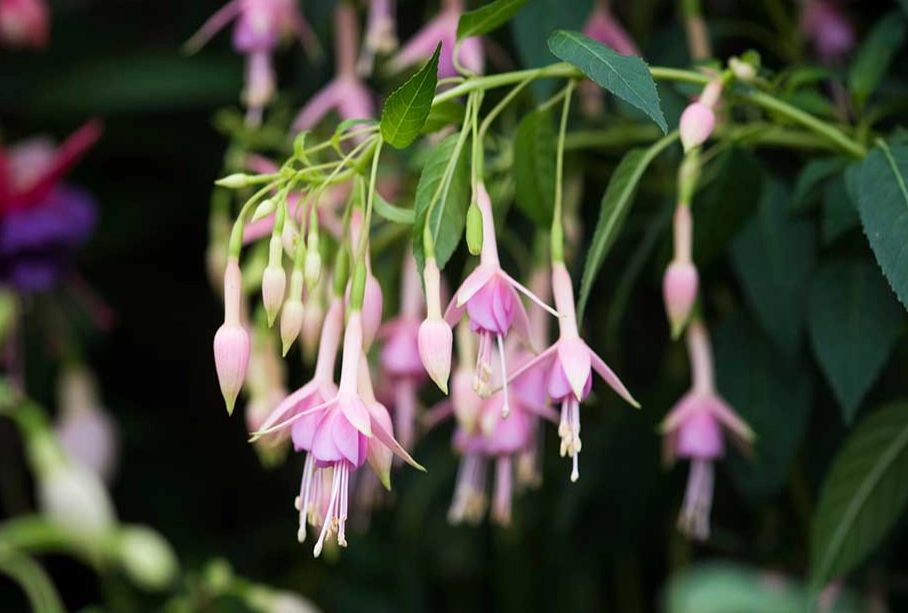
| Fuchsia 'Hawkshead' | Pure white, elegant, slender flowers. A clean, cool look. More upright and airy growth. | 3.5' x 2.5' | Moon gardens or softening a dark green hedge. Less "busy" looking. | 6-7 |
| Fuchsia magellanica 'Versicolor' | Grey-green leaves variegated with cream and pink. Delicate red and purple flowers. A foliage plant first. | 4' x 4' | Adding subtle, sophisticated foliage texture even when not in bloom. | 7-8 |
My personal workhorse is 'Riccartonii'. I have three forming a loose hedge along a partially shaded path. They came back after a -10°F (-23°C) snap we had a few years ago, while a more delicate 'Dollar Princess' in a more exposed spot didn't make it. Site matters as much as genetics.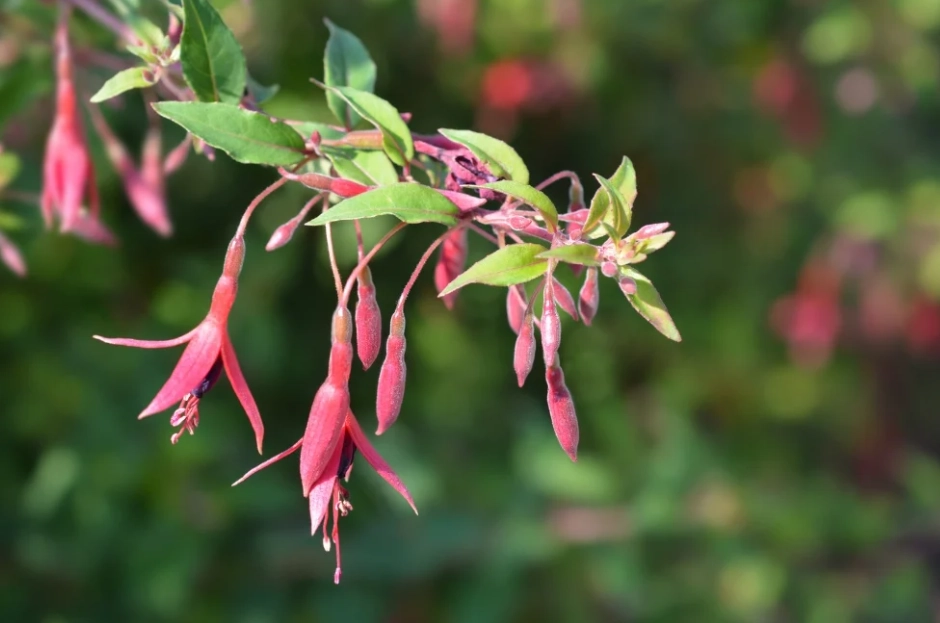
How to Plant a Hardy Fuchsia for Success
Getting the planting right sets the stage for years of growth. This isn't about plopping it in any old hole.
Location is Everything
Forget "full sun" labels from annual fuchsia care. In most climates, especially south of Zone 8, hardy fuchsias thrive in morning sun and afternoon shade. Hot afternoon sun will scorch leaves and stress the plant, reducing blooms. A spot under the dappled light of a high-branched tree or on the east side of a house is perfect. In cooler, coastal climates (like the Pacific Northwest), they can handle more sun.
The Planting Ritual
Spring is the best time, after the last frost. This gives the plant a full season to establish its roots before winter.
Amend the soil with plenty of compost. They like soil that holds moisture but drains well—think rich and crumbly. A handful of bone meal mixed into the planting hole encourages strong root development. Water it in deeply and keep the soil consistently moist (not soggy) for the first month.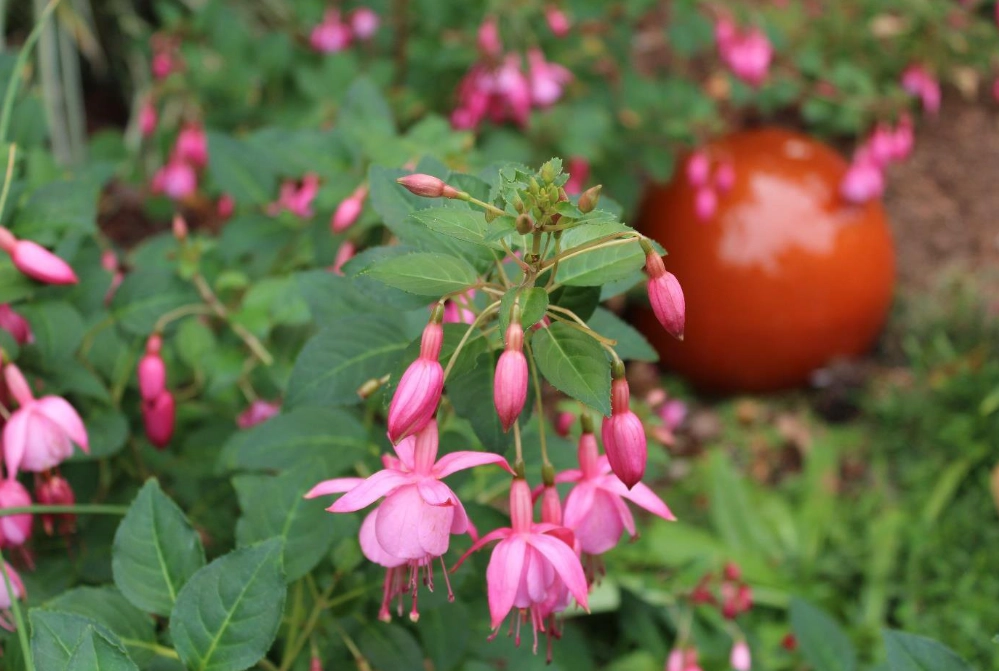
The Year-Round Care Guide
Once established, hardy fuchsias are surprisingly low-maintenance, but they do have preferences.
Watering: They have shallow roots. Deep, regular watering is better than frequent sprinkles. During hot, dry spells, they might need water every other day. A layer of organic mulch (bark chips, leaf mold) is a lifesaver—it keeps roots cool and moist.
Feeding: They're not heavy feeders, but they bloom for months. I give mine a balanced, slow-release organic fertilizer in spring as new growth appears. Then, I switch to a liquid tomato feed (higher in potassium) every 3-4 weeks from early summer until late August to fuel flowering. Stop feeding by early fall to let the plant harden off for winter.
Pruning: Here's the big one. Do NOT prune in fall. The dead-looking stems above ground provide some protection to the crown. Wait until you see new buds swelling in mid to late spring. Then, cut all the old growth back to just above the new buds, even if that's near ground level. It feels brutal, but they explode with fresh, vigorous growth. Pinch the tips of this new growth when it's about 6 inches long to encourage bushiness.
Overwintering Strategies: Mulch, Not a Move
This is the make-or-break moment for most gardeners. Your goal is to protect the crown from repeated freeze-thaw cycles and extreme cold.
After the first few frosts blacken the foliage:
1. I cut back the floppy, blackened stems to about 6-12 inches, just so the plant is tidy and I remember where it is.
2. Then, I pile on a thick, loose, dry mulch. I use about 6-8 inches of straw, shredded leaves, or pine boughs. The key word is dry and loose—you're creating an insulating air pocket, not a wet, smothering blanket. Avoid heavy, matting materials like whole leaves or grass clippings.
3. For varieties I'm pushing in Zone 6, or for a particularly exposed plant, I'll add an overturned plastic nursery pot (with holes) over the mulch pile to keep excess rain and snow off.
Come spring, as temperatures consistently rise above freezing, I gently remove about half the mulch. I leave a light layer until all danger of a hard late frost has passed, then remove it completely to let the sun warm the soil.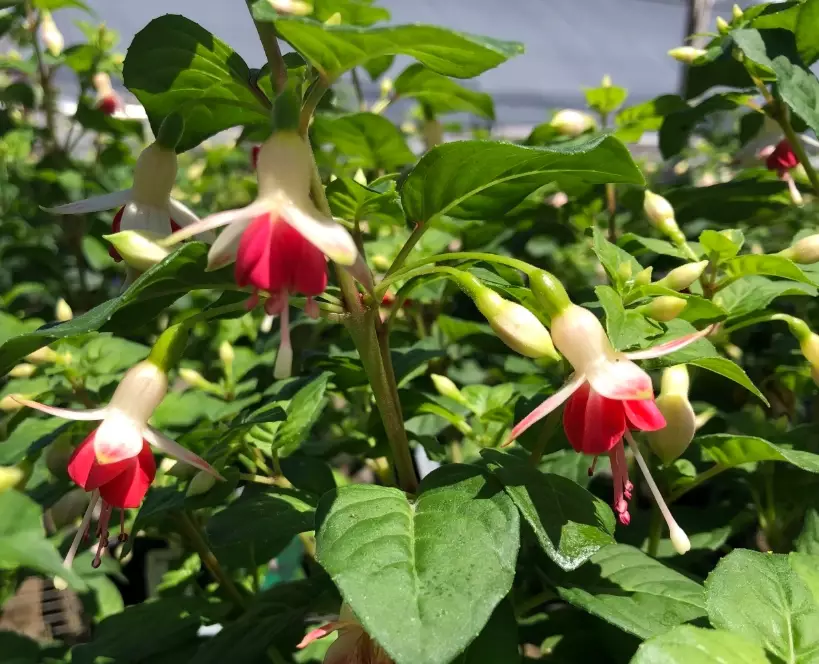
Troubleshooting Common Problems
They're tough, but not invincible.
No spring regrowth? Wait until June. Seriously. I've had crowns sit dormant until early summer after a tough winter. If there's still no sign by late June, gently scrape the soil near the crown. If it's mushy or brittle, it didn't make it. If it's firm, keep waiting.
Leggy growth with few flowers? Not enough light, or you forgot to pinch back the spring growth. Also, overfeeding with high-nitrogen fertilizer gives you leaves, not blooms.
Fuchsia gall mite? This is a nasty pest causing distorted, swollen growth. It's more common on the coast. The Royal Horticultural Society (RHS) advises cutting out and destroying infected growth immediately. For hardy fuchsias, a hard spring prune often removes the problem. I avoid systemic pesticides because they harm pollinators visiting the flowers.
Your Hardy Fuchsia Questions Answered
My hardy fuchsia survived winter but the new growth is only coming from the base, not the old stems. Is that normal?
Completely normal, especially in zones at the lower end of the plant's hardiness range. The old stems often act as a sacrificial layer, dying back to protect the crown. The plant is essentially restarting from its root system. This basal growth will be vigorous and likely produce more stems than last year, leading to a fuller shrub. Just prune away the clearly dead old wood.
Can I grow a hardy fuchsia in a container year-round in a cold climate?
It's risky and requires more work. The issue is the roots are far more exposed to freezing temperatures in a pot than in the ground. To even attempt it, use the largest pot possible (at least 18 inches in diameter), insulate the pot by wrapping it in bubble wrap or burlap, and move it to a sheltered spot like against a house foundation. Heeling the entire pot into a garden bed for winter is a better trick. For reliability, in-ground planting is always superior for winter survival.
 What's the single biggest mistake people make when trying to overwinter hardy fuchsias?
Applying the wrong kind of mulch too early. Piling wet, dense material like compost or sodden leaves directly on the crown in late fall creates a cold, soggy environment perfect for rot. You want dry insulation. Wait until the ground has started to freeze before piling on loose straw or leaves. The goal is to keep the plant cold and dormant, not to keep it warm, which can trigger premature growth.
Are the berries on my hardy fuchsia edible?
Yes, the small, dark purple berries are edible and are sometimes used in jams. They have a mild, grape-like flavor with a peppery finish. However, the yield is usually small, and birds often get them first. Always be 100% certain of your plant's identification before consuming any part of it.
Hardy fuchsias break all the rules we associate with their delicate cousins. They offer a unique blend of exotic beauty and perennial resilience. Start with a tough variety like 'Riccartonii' or 'Hawkshead', plant it right, protect its crown in winter, and you'll be rewarded with a loyal garden performer that gets better every year. It's not just a plant; it's a testament to gardening smarter, not harder.