Let's talk about spurge plants. You might know them as those pretty euphorbias in pots or the annoying weeds taking over your lawn. I've been growing and dealing with them for over a decade, and I'll tell you straight—most guides miss the subtle stuff that actually matters. Whether you're nurturing a Christmas poinsettia or battling spurge weed, this guide cuts through the fluff with practical steps and hard-earned insights.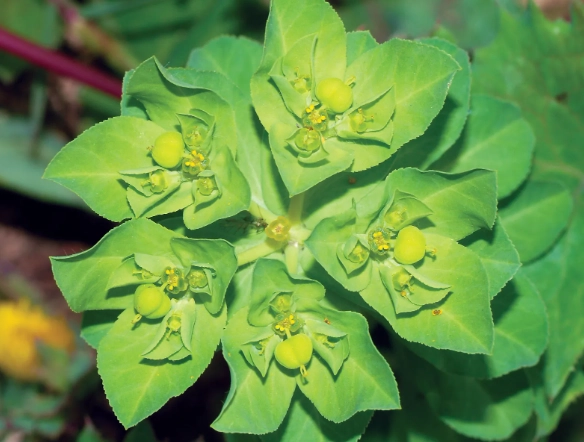
What's Inside This Guide
What Is a Spurge Plant? A Quick Rundown
Spurge plants belong to the Euphorbia genus, which includes over 2,000 species. Yeah, that's huge. From the festive poinsettia (Euphorbia pulcherrima) to the invasive prostrate spurge weed (Euphorbia maculata), they share a common trait: a milky, latex sap that can be toxic. I remember my first encounter—I touched the sap while pruning and got a nasty rash. Lesson learned: always wear gloves.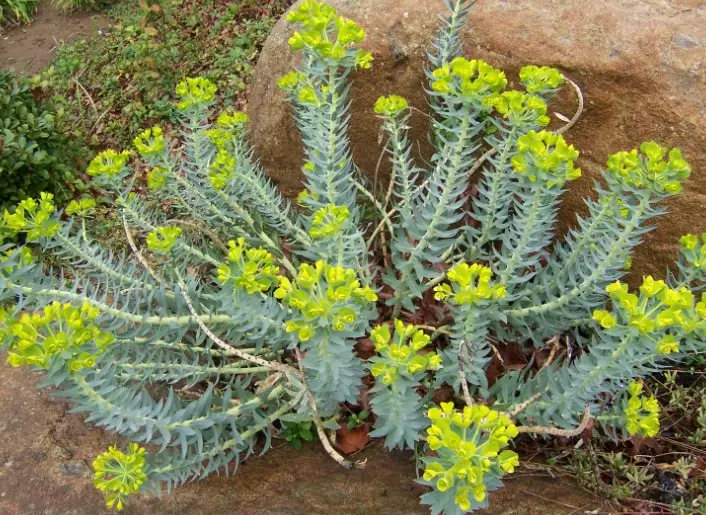
People often confuse them with cacti because some, like the pencil cactus (Euphorbia tirucalli), look similar. But euphorbias are succulents with unique care needs. The Royal Horticultural Society notes that euphorbias thrive in well-draining soil, which is a key point many beginners overlook. If you're planting one, think dry and bright, not damp and shady.
Pro tip: Don't assume all spurge plants are the same. Ornamental types need pampering, while weedy ones demand aggression. I've seen gardens ruined by mixing them up.
How to Successfully Care for Ornamental Spurge Plants
So you've got a decorative euphorbia, maybe a crown of thorns or a medusa's head. Here's the real deal on keeping it alive and kicking.
Light and Temperature: Finding the Sweet Spot
Most euphorbias love full sun—at least 6 hours a day. But here's a nuance: if you're in a hot climate like Arizona, afternoon shade can prevent scorching. I lost a beautiful Euphorbia milii to sunburn because I ignored this. Aim for temperatures between 60-80°F (15-27°C). They can handle a chill down to 50°F (10°C), but frost is a killer. Move pots indoors in winter if you're in a cold zone.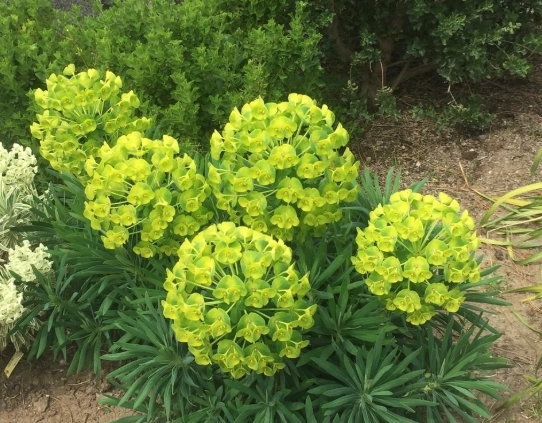
Watering and Humidity: Avoiding Common Blunders
This is where everyone messes up. Euphorbias are drought-tolerant, but that doesn't mean neglect. Water deeply when the top 2 inches of soil are dry, then let it dry out completely. In my experience, overwatering leads to root rot faster than underwatering. Use a moisture meter if you're unsure—it saved my plants multiple times. Humidity? Low to moderate is fine. Don't mist them; it encourages fungal issues.
Soil and Fertilizing: Laying the Groundwork for Health
Use a cactus or succulent mix with added perlite for drainage. I mix my own: 2 parts potting soil, 1 part sand, 1 part perlite. Fertilize sparingly—once a month during spring and summer with a balanced, water-soluble fertilizer diluted to half strength. Skip it in fall and winter. Over-fertilizing causes weak growth and fewer flowers.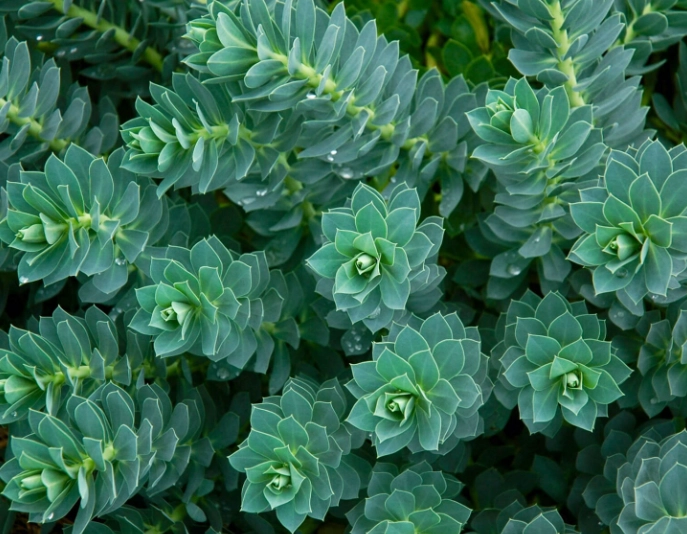
| Spurge Type | Light Needs | Watering Frequency | Common Issues |
|---|---|---|---|
| Poinsettia (Euphorbia pulcherrima) | Bright indirect light | Every 7-10 days | Leaf drop from overwatering |
| Crown of Thorns (Euphorbia milii) | Full sun | Every 10-14 days | Root rot in soggy soil |
| Pencil Cactus (Euphorbia tirucalli) | Direct sun | Every 2-3 weeks | Skin irritation from sap |
Identifying and Controlling Weedy Spurge: A Practical Approach
Now, for the ugly side: spurge weeds. These guys, like spotted spurge, spread like wildfire and choke out your lawn. Identification is key—they have small, oval leaves with a reddish spot and a prostrate growth habit. I once spent a summer battling them in my backyard, and traditional methods failed until I got strategic.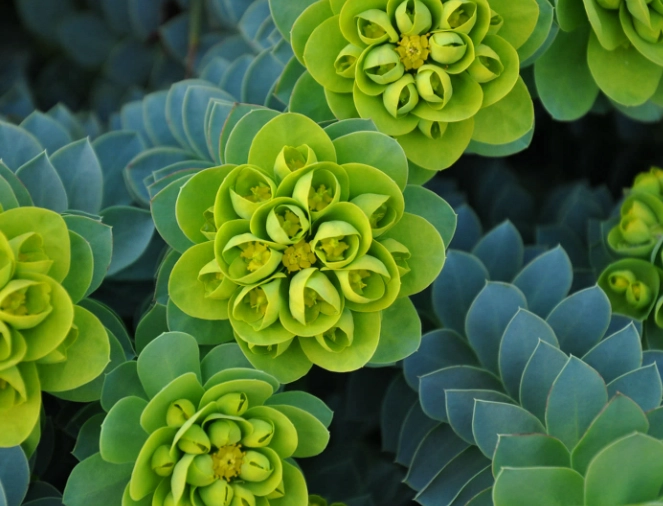
Manual removal: Pull them out when the soil is moist, ensuring you get the entire root. If you leave even a bit, they regrow. Use a weeding tool for efficiency.
Chemical control: For large infestations, herbicides with dicamba or 2,4-D can work, but spot-treat to avoid harming desirable plants. Always follow label instructions—I've seen neighbors damage their gardens by over-applying.
Prevention: Maintain a thick, healthy lawn through proper mowing and fertilization. Spurge weeds thrive in bare spots. The University of California's Integrated Pest Management Program recommends using pre-emergent herbicides in early spring to stop seeds from germinating.
My non-consensus take: many gardeners waste time on frequent weeding without addressing soil health. Test your soil's pH and nutrient levels; spurge often indicates compacted or poor soil. Aerate and amend with compost to long-term solutions.
Spurge Plant Toxicity: Safety Info You Need
That milky sap? It's loaded with diterpene esters that can cause skin irritation, eye damage, or stomach upset if ingested. I've had friends rush to wash their hands after contact, but that's not enough. Wear gloves and long sleeves when handling euphorbias, especially during pruning.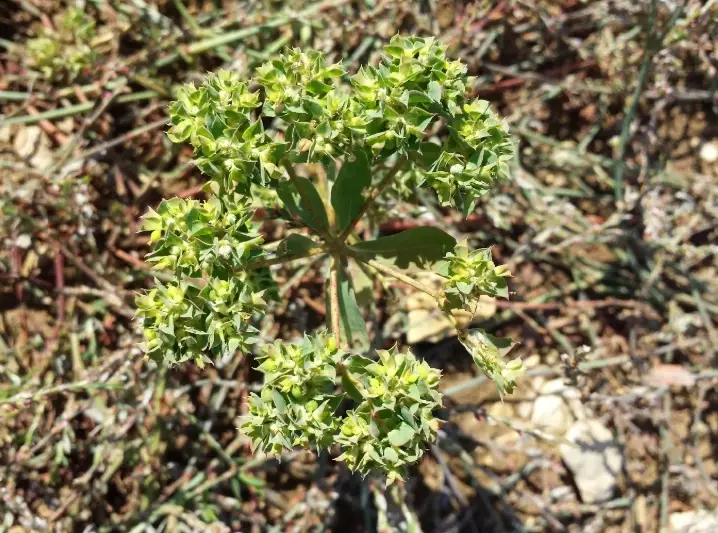
If sap gets on your skin, wash immediately with soap and water. For eyes, rinse thoroughly and seek medical help—don't rub. Keep plants away from pets and kids. The ASPCA lists many euphorbias as toxic to cats and dogs, so if you have furry friends, opt for non-toxic alternatives or place plants out of reach.
Some people think dried plants are safe, but the sap can remain active. Always dispose of clippings in sealed bags.
Propagating Spurge Plant: A Step-by-Step Walkthrough
Want more euphorbias? Propagation is easy if you do it right. Here's my method, refined over years of trial and error.
Step 1: Choose the right time. Spring or early summer is best, when plants are actively growing. I tried propagating in winter once, and the cuttings just rotted.
Step 2: Take cuttings. Use a sterile knife to cut a 4-6 inch stem. Let the cut end callus over for a day or two—this prevents rot. Many guides skip this, but it's crucial.
Step 3: Plant the cutting. Dip the end in rooting hormone (optional but boosts success) and insert it into a pot with well-draining mix. Water lightly and place in bright, indirect light.
Step 4: Monitor and transplant. Roots should form in 3-6 weeks. Once established, move to a permanent pot. I've propagated dozens of euphorbias this way, with a success rate over 80%.
For seeds, sow them in shallow trays and keep them warm. But honestly, cuttings are faster and more reliable.