You've seen the candles at every summer BBQ. You've maybe even bought a citronella plant from the garden center, hoping it would be a magic shield against mosquitoes. If you're feeling like the results are hit or miss, you're not alone. Most people get citronella wrong. The name itself is a bit of a misdirection – it's not one single plant, and its power isn't in just sticking it in a pot on your patio. After a decade of gardening and testing natural repellents, I've seen the same mistakes repeated. The good news? When you understand what citronella actually is and how it works, you can turn it into a genuinely effective part of your mosquito defense strategy. This guide cuts through the marketing hype and gives you the actionable, science-backed details you need.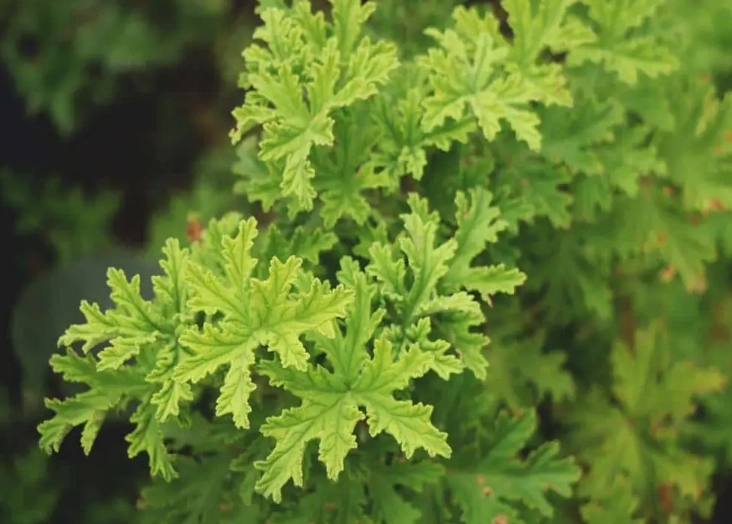
What You'll Find Inside
What Citronella Really Is (It's Not What You Think)
Let's clear this up first. "Citronella" refers to the essential oil, not a specific plant species. The oil is prized for its strong, lemony scent that masks the attractants mosquitoes use to find us. This oil is primarily extracted from two types of grass:
- Cymbopogon nardus (Ceylon type) and Cymbopogon winterianus (Java type). The Java type is considered superior for repellent quality, containing more of the key active compounds like citronellal, geraniol, and citronellol.
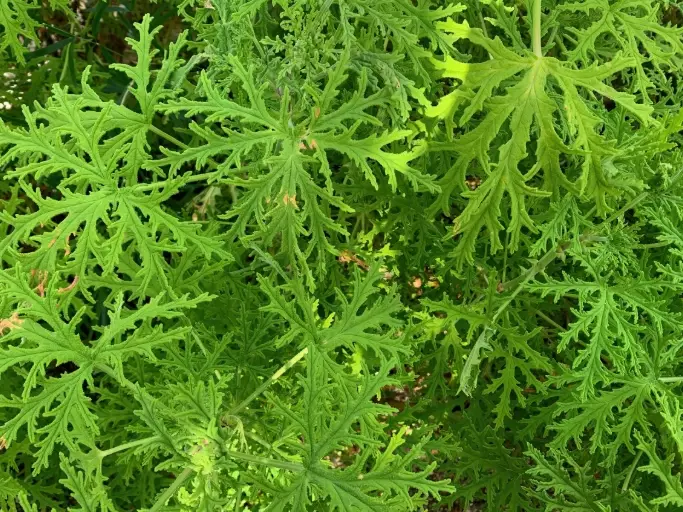
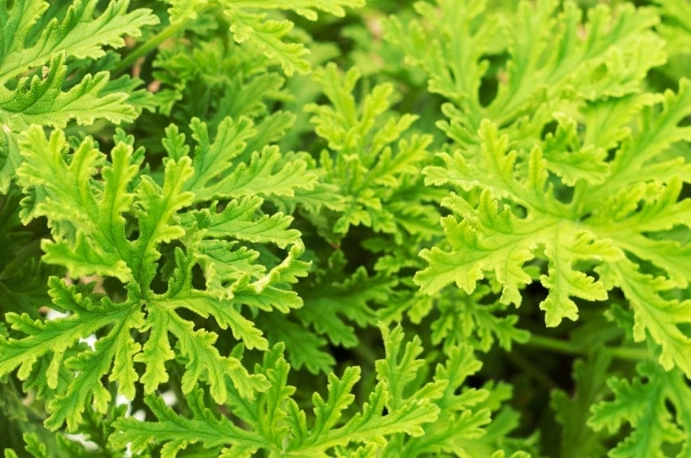
Now, the plant you buy labeled "Citronella Plant" or "Mosquito Plant" at most big-box stores? That's usually a scented geranium (Pelargonium citrosum). It smells nice, vaguely lemony, but it contains negligible amounts of the actual citronella oil used in effective repellents. It's a decorative plant, not a functional one. This is the first major pitfall for beginners.
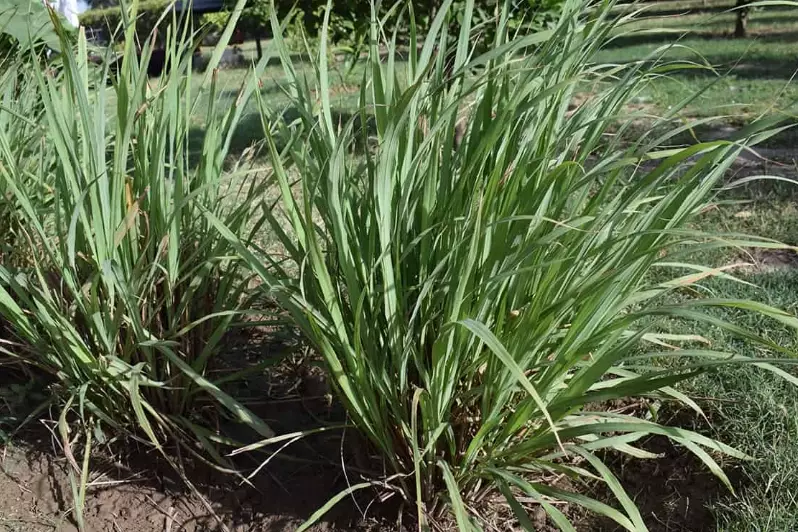
The real citronella grass looks like a clumping ornamental grass with long, arching green blades. If you crush a leaf between your fingers, it releases a powerful, pure lemon scent—much sharper and cleaner than the geranium's smell.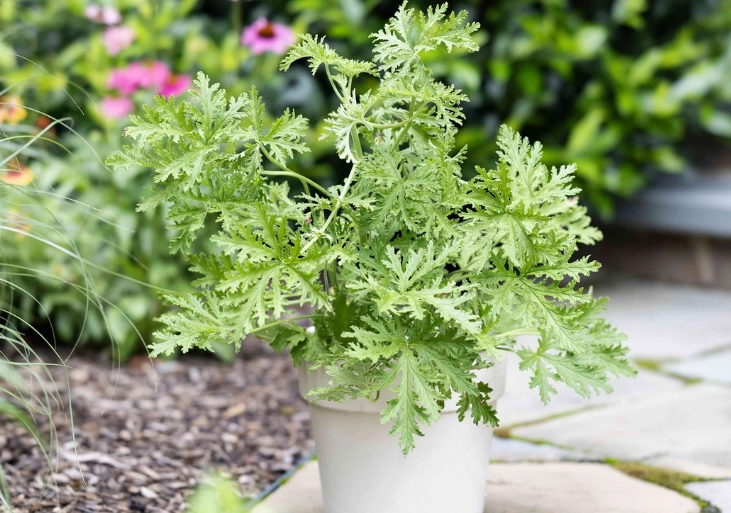
Growing Citronella Grass: The Care Guide Everyone Misses
So you want to grow the real thing. It's a tropical perennial grass, which gives you clues about its needs. Most guides will tell you the basics: sun, water, well-drained soil. But they skip the nuances that make the difference between a struggling clump and a lush, oil-rich plant.
Sunlight: The Non-Negotiable Factor
Citronella grass needs full, direct sun – at least 6 to 8 hours daily. Not partial sun. Not dappled light. Full sun. I made the mistake of planting my first batch where it got morning shade, and the plants grew tall but spindly, with a weak scent. The intensity of sunlight directly influences the concentration of essential oils in the leaves. More sun equals more potent oil, which is the whole point.
Soil and Watering: Avoiding the Soggy Death
Well-draining soil is critical. It hates wet feet. I mix standard potting soil with a hefty portion of perlite or coarse sand (about a 2:1 ratio). In the ground, amend clay soil with compost and sand. Water deeply when the top inch of soil feels dry, but then let it approach dryness again. In pots, ensure there are ample drainage holes. Overwatering leads to root rot faster than you'd think.
Feeding and Winter Care
It's not a heavy feeder. A balanced, slow-release fertilizer applied in spring and mid-summer is plenty. Over-fertilizing, especially with high-nitrogen mixes, promotes soft, sappy growth that bugs love and that holds less oil.
Here's the big one for non-tropical gardeners: It will not survive frost. You have two options. Treat it as an annual and replant each year. Or, bring it indoors. Dig up a portion of the clump or bring the whole pot inside before nighttime temps dip below 45°F (7°C). Place it in your sunniest window. It will likely go semi-dormant, looking a bit sad, but keep watering sparingly. It'll bounce back in spring.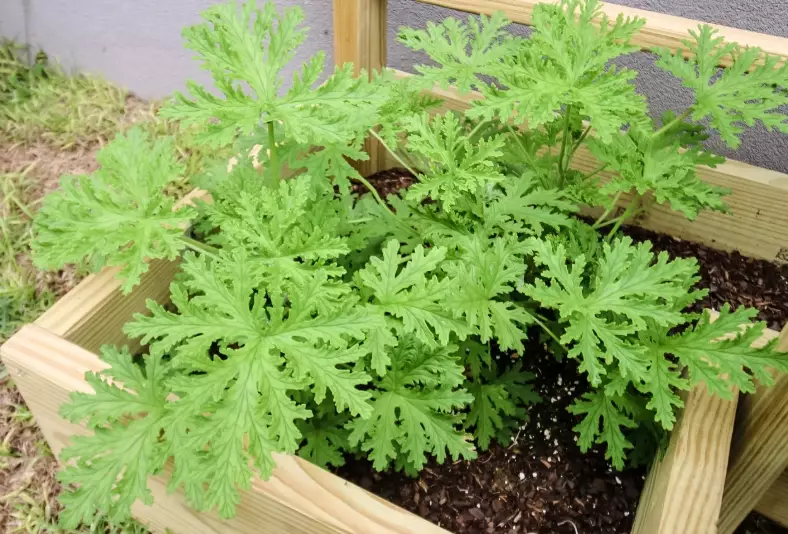
| Care Aspect | Optimal Condition | Common Mistake to Avoid |
|---|---|---|
| Light | Full sun (6-8+ hours) | Placing in partial shade, resulting in weak growth and low oil content. |
| Soil | Well-draining, loamy mix | Using heavy, water-retentive soil that causes root rot. |
| Water | Deep, infrequent watering | Frequent light watering keeping roots constantly moist. |
| Climate | USDA Zones 10-12 (perennial) | Leaving outdoors in frost; it must be brought inside in colder zones. |
| Pot vs. Ground | Both work; pots offer mobility | Using a pot without drainage holes. |
Using Citronella Oil: From Candles to DIY Sprays
The plant itself, while fragrant, doesn't create a significant repellent zone just by sitting there. To harness its power, you need to use the extracted oil to create a concentrated scent cloud. Here’s how the common methods stack up.
Citronella Candles and Torches
These work by creating a zone of scented smoke or vapor that confuses mosquitoes. The catch? Their range is limited, usually to a few feet downwind. On a perfectly still evening, a few candles spaced around your seating area can help. Add a breeze, and their effectiveness plummets. Look for candles with a high percentage of real citronella oil, not just "fragrance." A study referenced by the U.S. Environmental Protection Agency (EPA) notes that citronella candles can provide area protection but should be used with other methods for best results.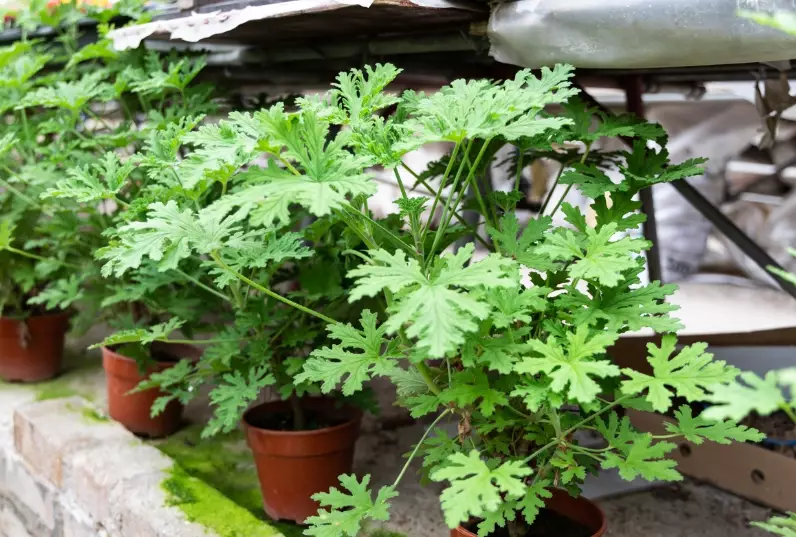
Topical Repellents (The Most Direct Method)
This is where citronella oil can be highly effective when formulated correctly. The oil is volatile and evaporates quickly from the skin, so it needs to be combined with a carrier oil or lotion and often blended with other complementary oils for longer-lasting effects.
I use a simple, effective DIY spray:
- 1 oz (30 ml) witch hazel or vodka (as an emulsifier)
- 3 oz (90 ml) distilled water or aloe vera juice
- 15 drops citronella essential oil
- 10 drops lemon eucalyptus oil (this is a game-changer for longevity)
- 5 drops cedarwood oil
Shake vigorously before each use and spray on clothing and exposed skin (avoiding eyes and mouth). Reapply every 1-2 hours. This blend works better than citronella alone.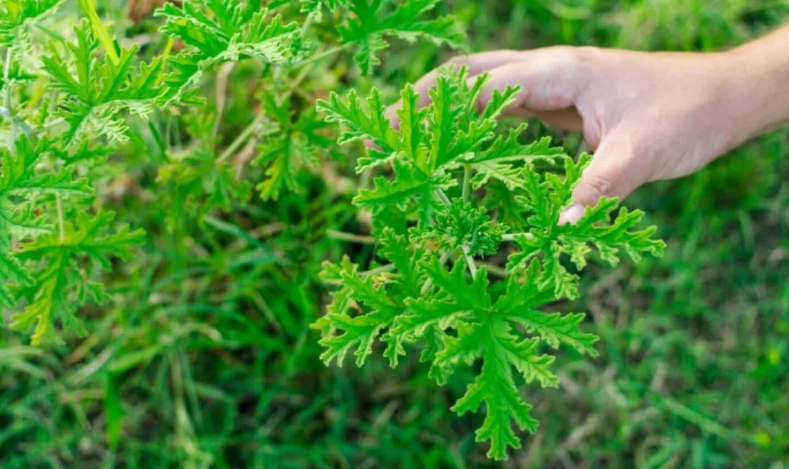
Diffusers and Outdoor Misters
Using an electric diffuser on a screened porch can help keep the air scented. Some advanced outdoor systems mist a diluted citronella solution around a patio perimeter. These can be effective but are a more significant investment.
Effectiveness & Common Myths Debunked
Let's be brutally honest. Citronella is a good, natural option, but it's not a magic force field. Understanding its limits is key to using it successfully.
Myth 1: Planting citronella around your yard will repel mosquitoes. This is the biggest myth. A few plants won't release enough oil into the air to protect an area. Their primary value is as a source of leaves for homemade products or simply as an ornamental.
Myth 2: It works as well as DEET. It doesn't. According to research compiled by authorities like the Centers for Disease Control and Prevention (CDC), while citronella oil can be effective, products like DEET, picaridin, and IR3535 generally provide longer-lasting and more reliable protection against a wider range of mosquitoes, including those carrying diseases. Citronella is a fantastic choice for low-risk, everyday situations in the backyard.
Myth 3: All citronella products are created equal. Quality varies wildly. Check labels. For candles, look for "essential oil." For sprays, the concentration matters. The EPA registers insect repellents for efficacy—look for their registration if buying a commercial spray.
The most effective strategy is integration. Use citronella as part of a plan: eliminate standing water (mosquito breeding grounds), use fans on your patio (mosquitoes are weak fliers), wear protective clothing during peak biting hours, and use a targeted repellent on your skin. Citronella fits beautifully into this layered approach.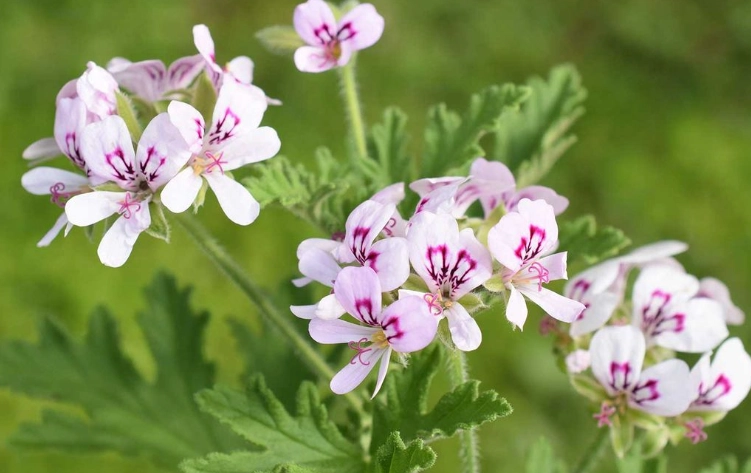
Your Citronella Questions, Answered
Citronella isn't a simple plug-and-play solution. It requires a bit more knowledge and effort than buying a chemical spray. But that's the point. You're choosing a natural, aromatic path that, when understood and used smartly, can effectively contribute to a more pleasant, bite-free outdoor experience. Start with the right plant (or the right oil), manage your expectations, and layer your defenses. Your summer evenings will thank you.