Plant genetics isn't just for scientists in white coats. If you've ever tried to grow tomatoes that kept getting blight or wished your roses were more pest-resistant, you've bumped into genetics. I remember my first garden—full of promise, then wiped out by a fungus. That's when I dug deeper. This field studies how traits pass from one plant generation to the next, and it's changing everything from backyard gardening to global food security. Let's cut through the jargon and get practical.
Quick Navigation: What's Inside
What is Plant Genetics and Why Does It Matter?
At its core, plant genetics looks at DNA—the instruction manual inside every cell. It determines whether a plant is tall or short, produces sweet fruit or bitter leaves, resists drought or wilts. For centuries, farmers selected seeds from the best plants, slowly improving crops. But today, we can read and edit that manual directly. The U.S. Department of Agriculture notes that genetic advances have boosted crop yields by over 20% in recent decades. Why should you care? Because whether you're a hobbyist or a pro, understanding this can save you time, money, and frustration.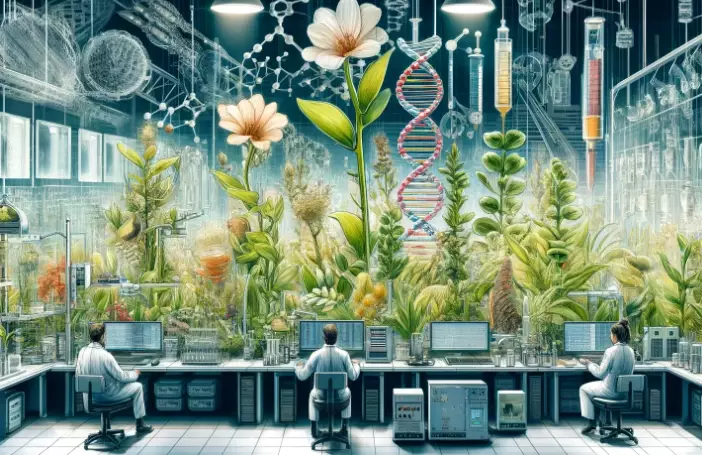
Take my neighbor's experience. She planted heirloom beans, beautiful but prone to beetles. After learning about genetic resistance, she switched to a hybrid variety. No pesticides, just smarter choices. That's the power of genetics in action.
Key Techniques in Modern Plant Genetics
There's a toolbox out there, and not all tools are equal. Let's break it down.
Traditional Breeding vs. Genetic Engineering
Traditional breeding is like matchmaking—crossing two plants and hoping their offspring have the desired traits. It's slow, taking years or decades. Genetic engineering, on the other hand, is more precise. Scientists insert specific genes directly, like adding a disease-resistance gene from a wild relative into a commercial crop. A report from the Food and Agriculture Organization highlights that engineered crops can reduce chemical use by up to 40%. But here's a nuance many miss: traditional methods can accidentally bring in bad traits along with good ones. I've seen breeders overlook this, ending up with plants that yield well but taste bland.
CRISPR and Gene Editing in Plants
CRISPR is the new kid on the block—a technology that lets us edit genes with pinpoint accuracy. Think of it as a molecular scissors. Instead of adding foreign DNA, you tweak the existing code. For example, researchers used CRISPR to create mushrooms that don't brown easily, reducing food waste. It's cheaper and faster than older methods. But there's a catch: regulation is murky. In some places, CRISPR-edited plants face fewer restrictions than GMOs, but it's a gray area. If you're experimenting, check local laws first.
Personal take: I think CRISPR is overhyped for home use. It's great for labs, but for most gardeners, focusing on proven hybrids is more practical. Don't jump on the bandwagon without a clear goal.
Practical Applications: From Garden to Farm
Let's get hands-on. How does this translate to real life?
Developing Disease-Resistant Crops
Disease is a huge pain point. Take potato late blight—the same fungus that caused the Irish Potato Famine. Through genetics, we've developed varieties with natural resistance. Here's a step-by-step case study from a small farm in Oregon:
- Step 1: Identify the pathogen. They tested soil and found Phytophthora infestans.
- Step 2: Source resistant genes. They used wild potato relatives from South America, known for resilience.
- Step 3: Cross-breed over three seasons, selecting only healthy plants.
- Step 4: Field trials. The new variety showed 90% less infection without fungicides.
This isn't just theory. You can apply similar logic to your garden. Start with resistant seeds from reputable suppliers like Burpee or local nurseries that prioritize genetics.
Improving Yield and Nutrition
More food with better nutrients—that's the dream. Golden Rice is a famous example, engineered to produce beta-carotene to combat vitamin A deficiency. But on a smaller scale, you can select for traits. Say you want sweeter corn. Save seeds from the sweetest ears each year; over time, genetics will shift. I did this with my tomatoes, and after five seasons, they're noticeably juicier. It's slow, but it works.
Here's a table comparing common genetic approaches for home growers:
| Technique | Best For | Time Required | Cost | Success Rate |
|---|---|---|---|---|
| Traditional Selection | Hobbyists, organic gardens | 3-10 years | Low | Moderate |
| Hybrid Seeds | Quick results, disease control | 1 season | Medium | High |
| GMO Varieties | Large-scale farming, pest resistance | N/A (buy seeds) | High | Very High |
Notice how hybrids offer a balance. They're often overlooked because people think "non-GMO" is always better, but that's a misconception. Hybrids can be more resilient without genetic engineering.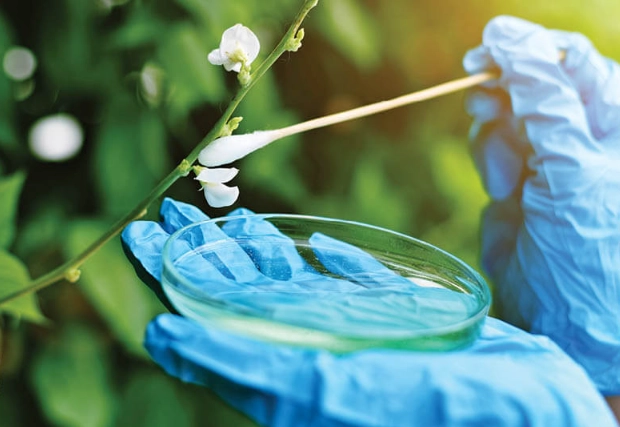
Common Mistakes and How to Avoid Them
I've messed up plenty. Here are pitfalls to watch for.
Mistake 1: Ignoring local adaptation. Just because a plant has great genetics doesn't mean it'll thrive in your soil. I once imported seeds from a dry region for my humid garden—total failure. Always test small batches first.
Mistake 2: Over-relying on technology. Genetic tools are aids, not magic bullets. I've seen farmers spray less on Bt-corn (engineered for pest resistance) but then neglect crop rotation, leading to superweeds. Integrate genetics with good practices like companion planting.
Mistake 3: Not documenting. If you're saving seeds, keep records. Which plant was healthiest? When did it flower? Without notes, you're guessing. I use a simple spreadsheet—it's saved me from repeating errors.
Another thing: don't assume all heirlooms are superior. Some are genetically weaker due to inbreeding. It's okay to mix heirlooms with modern varieties for diversity.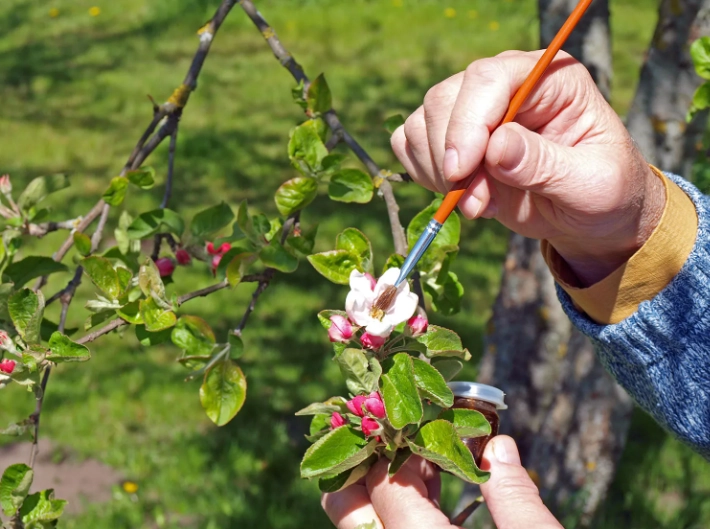
Frequently Asked Questions (FAQ)
Wrapping up, plant genetics isn't a distant science—it's in every seed you plant. By understanding the basics, you can make informed choices that lead to healthier, more productive gardens. Don't get bogged down by complexity; start small, observe, and adapt. Whether it's picking the right tomato variety or saving seeds for next year, genetics is your ally. Keep experimenting, and remember, even experts learn from failures. Happy growing!