Let's cut to the chase. If you're gardening where summers feel like an oven, heat tolerant plants are your best bet for a garden that doesn't just survive, but thrives. I've spent over a decade experimenting with plants in scorching zones, and here's the real deal—no fluff, just actionable advice.
Quick Navigation
What Are Heat Tolerant Plants?
Heat tolerant plants are species that can handle high temperatures, often above 90°F (32°C), without wilting or dying. It's not just about drought resistance—though that's part of it. These plants have adaptations like deep roots, waxy leaves, or reflective surfaces to reduce water loss. Think of them as the tough guys of the plant world.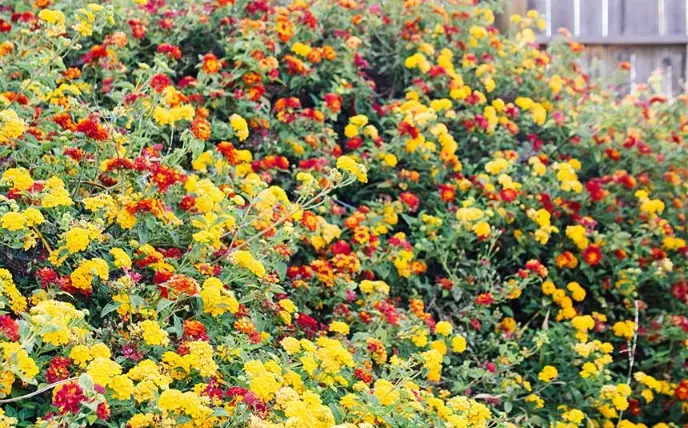
From my experience, many gardeners confuse heat tolerance with drought tolerance. A plant might handle dry soil but fry in direct sun. True heat champions, like lantana or yucca, laugh at the midday sun.
The Science Behind Heat Tolerance
Plants manage heat through mechanisms like transpiration cooling or producing heat-shock proteins. According to botanical studies, species from Mediterranean or desert climates often excel. For example, the University of Arizona's Cooperative Extension notes that native succulents have evolved to store water and reflect sunlight.
Top Heat Tolerant Plants for Your Garden
Here are my top picks, based on years of trial in hot regions like Texas and Arizona. I've seen these plants bounce back from heatwaves that turned lawns brown.
| Plant Name | Key Features | Care Essentials |
|---|---|---|
| Lavender | Drought-tolerant, fragrant, attracts bees. Its gray leaves reflect sun. | Full sun, well-drained soil, water sparingly once established. |
| Succulents (e.g., Agave) | Store water in leaves, thrive in neglect. Agave americana can handle extreme heat. | Gritty soil, minimal watering, protect from frost if applicable. |
| Lantana | Flowers profusely in heat, comes in vibrant colors. I've seen it bloom at 100°F. | Full sun, moderate water, prune to encourage growth. |
| Rosemary | Culinary herb, woody stems resist heat. It's almost indestructible in hot climates. | Full sun, sandy soil, avoid overwatering. |
| Yucca | Architectural plant, sword-like leaves. Native to deserts, so heat is its friend. | Full sun, any well-drained soil, water rarely. |
| Bougainvillea | Vibrant bracts, loves heat and sun. Perfect for trellises in hot yards. | Full sun, let soil dry between waterings, fertilize lightly. |
| Sedum | Ground cover, succulent leaves. 'Autumn Joy' variety handles heat well. | Full sun to part shade, well-drained soil, low water needs. |
| Oleander | Evergreen shrub, toxic but tough. It thrives in coastal heat with salt air. | Full sun, tolerant of poor soil, water during dry spells. |
| Palms (e.g., Date Palm) | Iconic for hot landscapes, provide shade. Phoenix dactylifera is a classic. | Full sun, deep watering occasionally, protect from cold snaps. |
| Zinnias | Annual flowers, bright and cheerful. They bloom non-stop in summer heat. | Full sun, average soil, deadhead for more flowers. |
Each of these has quirks. For instance, lantana can become invasive in some areas—check local guidelines. And succulents? They hate wet feet, so drainage is non-negotiable.
How to Care for Heat Tolerant Plants
Planting heat tolerant species isn't a free pass to neglect. Here's how to set them up for success.
Soil Preparation: The Foundation
Most heat-loving plants despise soggy soil. Amend your garden bed with sand or perlite for drainage. I learned this the hard way when my rosemary roots rotted in clay soil. Aim for a pH between 6.0 and 7.5—neutral to slightly acidic works for many.
Watering Strategies: Less is More
This is where beginners mess up. Water deeply but infrequently. Soak the root zone once a week rather than daily sprinkles. Early morning watering reduces evaporation. Use a moisture meter if unsure; it's a game-changer.
During heatwaves, some plants might need extra drinks, but don't overdo it. Signs of thirst include wilted leaves in the morning—if they perk up at night, hold off on water.
Pruning and Maintenance
Prune in late winter or early spring to remove dead growth and encourage airflow. For flowering plants like bougainvillea, prune after blooming to avoid cutting off buds. I've seen gardeners prune oleander too hard—it can stress the plant in heat.
Common Mistakes When Growing Heat Tolerant Plants
We all make errors. Here are the big ones I've witnessed.
- Overwatering: It's tempting to water when it's hot, but many heat-tolerant plants are adapted to dry spells. Root rot kills more than drought. Check soil moisture first.
- Wrong Plant Placement: Even sun-lovers can scorch if planted against a reflective wall. Provide afternoon shade for young plants.
- Ignoring Mulch: A layer of organic mulch keeps roots cool and retains moisture. But keep it away from stems to prevent rot.
- Fertilizing in Peak Heat: High-nitrogen fertilizers can burn plants when temperatures soar. Use slow-release options in spring or fall.
Personal story: I once planted agave in a low spot where water pooled after rain. It turned to mush. Lesson learned—elevation matters.
FAQ: Your Heat Tolerant Plant Questions Answered
Wrapping up, heat tolerant plants are a game-changer for hot climates. Start with a few from the list, focus on soil and water basics, and avoid common pitfalls. Your garden can be lush without constant babysitting.
Got more questions? Drop a comment—I'm happy to share from my decade of sweat and success in the heat.