Look out your window. The plants in your yard or local park aren't just sitting there. They're in a constant, silent negotiation with the atmosphere, a negotiation that's getting tougher every year. Climate change isn't a distant political debate for them; it's a daily reality of shifting seasons, erratic weather, and new pests. As a gardener for over a decade, I've watched familiar patterns break. The maple that used to turn crimson in mid-October now holds green leaves into November. My lettuce bolts to seed during a surprise April heatwave. This isn't just anecdotal; it's the frontline of a global shift. This guide cuts through the generic headlines to show you exactly how global warming is reshaping plant life and, more importantly, what you can do about it in your own patch of earth.
What's Inside This Guide
How Climate Change is Reshaping Your Garden
Forget the broad strokes. Let's talk specifics. The main drivers affecting plants are warmer average temperatures, altered precipitation patterns (more intense droughts and floods), and higher atmospheric CO2 levels. Each of these plays out in surprisingly direct ways.
Phenology is Out of Whack
Phenology is the timing of natural events—budding, flowering, fruiting. It's nature's clock, and climate change is throwing it off. Springs are arriving earlier. I've recorded lilacs blooming 10-12 days earlier now than in my grandfather's gardening journals from the 1970s. This creates a dangerous mismatch. If a tree blossoms early but the pollinators it depends on (like a specific bee species) are still hibernating, you get poor fruit set. It's a silent reproductive failure.
The Water Stress Tightrope
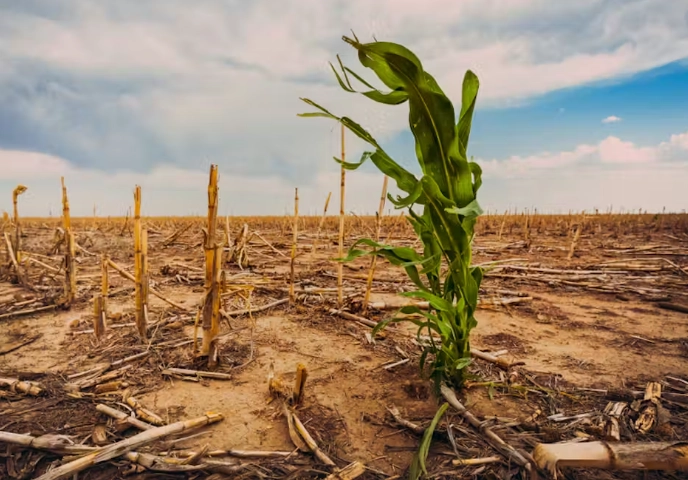
It's not just about less rain; it's about weirder rain. Longer dry spells punctuated by torrential downpours. Plants suffer in both scenarios. Drought causes wilting, stunted growth, and makes them vulnerable to pests like borers. But heavy, intense rain is just as bad—it compacts soil, washes away nutrients, and can lead to root rot in plants that hate "wet feet." I see more hemlocks and azaleas struggling with root fungi after consecutive soggy summers than ever before.
A Common Mistake: Many gardeners see a plant struggling in heat and immediately drown it with water. Often, the real issue is that the hot sun has baked and compacted the soil surface, creating an impermeable crust. The water runs off, and the roots underneath stay dry. Loosening the soil surface gently with a hand fork before watering is a simple, rarely mentioned fix.
New Pests, New Diseases
Milder winters mean pests that used to be killed off by deep frosts are now surviving. The range of the Southern Pine Beetle is marching northward. Diseases like powdery mildew thrive in the combination of warm days and cool, humid nights that are becoming more frequent. Your plant's historical hardiness zone is less of a guarantee of safety now.
| Climate Stressor | Direct Impact on Plants | What You Might See |
|---|---|---|
| Warmer Temperatures | Earlier budbreak, longer growing season, increased respiration (using more sugar). | Fruit trees blooming before frost danger passes, vegetables "bolting" (going to seed) prematurely. |
| Erratic Precipitation | Drought stress or waterlogging, nutrient leaching, root damage. | Wilting, leaf scorch (brown edges), yellowing leaves, stunted growth, increased fungal issues. |
| Higher CO2 Levels | Initial growth boost, but often with reduced nutritional quality (more carbs, less protein). | Lush-looking foliage but less flavorful fruits or veggies, plants potentially more attractive to certain pests. |
| Extreme Weather Events | Physical damage (broken branches), soil erosion, saltwater intrusion (coastal areas). | Uprooted trees, shredded leaves from hail, salt burn on leaves after coastal storms. |
A Practical Adaptation Guide for Gardeners
Okay, so the problem is clear. What do we actually do? Adaptation isn't about giving up; it's about gardening smarter. Here’s a tactical plan.
Rethink Your Plant Palette
Your plant choices need a climate audit. The USDA Hardiness Zone map has shifted north, and you should too. Look for plants native to regions slightly south of you, or select cultivars bred for heat and drought tolerance.
Don't just think "cactus." Consider deep-rooted perennials like Butterfly Weed (Asclepias tuberosa) or Russian Sage (Perovskia). For vegetables, okra, sweet potatoes, and southern pea varieties like 'Mississippi Silver' are heat champions. A resource like the Lady Bird Johnson Wildflower Center's native plant database is invaluable for finding region-specific, resilient options.
Revolutionize Your Soil and Water Strategy
Soil is your secret weapon. Healthy, organic-rich soil acts like a sponge, holding water during droughts and draining excess during floods. My non-negotiable annual practice is applying a 3-inch layer of compost in the fall. It's better than any bagged fertilizer.
Mulch is your best friend. A thick layer (wood chips, straw, shredded leaves) keeps soil cool, retains moisture, and suppresses weeds. Drip irrigation or soaker hoses deliver water directly to the root zone with minimal evaporation, unlike wasteful overhead sprinklers.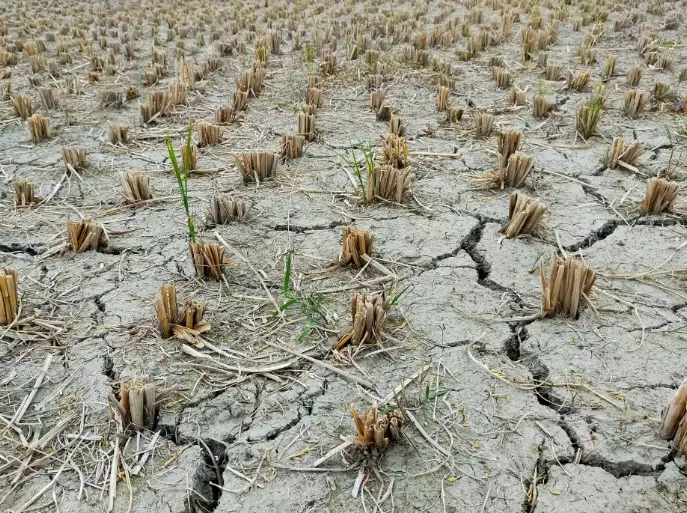
Consider a rain garden—a shallow depression planted with water-tolerant natives—to capture runoff from your roof or driveway. It reduces flooding, filters pollutants, and provides a habitat.
Embrace Microclimates and Shade
Your yard has microclimates. The north side of your house is cooler. A spot under a deciduous tree gets summer shade and winter sun. Use these to your advantage. Plant heat-sensitive lettuce or spinach on the east side where it gets morning sun but afternoon relief. Use taller plants (sunflowers, trellised beans) to create shifting shade for others.
How Plants Fight Back (And How We Can Help)
Plants aren't passive victims. They have strategies, and we can amplify them. One of the most critical is carbon sequestration—the process of pulling CO2 from the air and storing it in plant tissues and soil.
Fast-growing trees like hybrid poplars or sycamores are carbon-sequestering powerhouses. But don't overlook perennials and soil. A mature prairie or meadow grassland has an enormous carbon-storing capacity in its deep root systems. By choosing perennial crops (asparagus, rhubarb, berry bushes) over annuals where possible, and by minimizing soil disturbance (no-till gardening), you help lock carbon away.
This is where the narrative shifts from doom to action. Your garden can be a carbon sink. Planting a diverse mix of native trees, shrubs, and perennials isn't just pretty; it's a functional, living system that contributes to climate mitigation. Organizations like The Nature Conservancy publish research on the most effective plant species for carbon capture in different biomes.
Your Climate Gardening Questions, Answered
Reader Comments