Let's be honest. You see a few holes in your kale leaves, and the first instinct is to grab the nearest bottle of insecticide. I've been there. For years, I treated my garden like a battlefield, spraying anything that moved. Then I learned about Integrated Pest Management, or IPM, and it changed everything. It's not about declaring war on insects; it's about smart, sustainable co-existence. IPM is a systematic approach that combines multiple tactics to manage pests below damaging levels, prioritizing environmental health and long-term solutions over quick chemical fixes. Think of it as being a garden detective and strategist, not just a exterminator.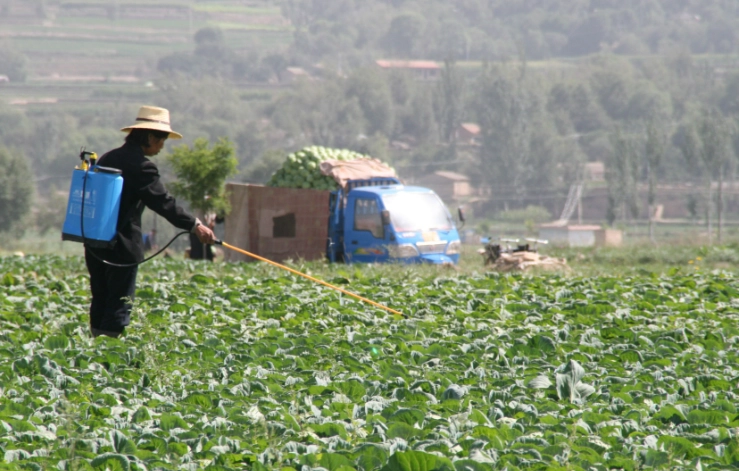
What You’ll Find in This Guide
What IPM Really Is (And What It Isn't)
A lot of people get this wrong. IPM isn't just "use organic sprays instead of synthetic ones." That's just swapping one bottle for another. The core of IPM is a decision-making framework. The University of California Statewide IPM Program defines it perfectly: it's an ecosystem-based strategy that focuses on long-term prevention through a combination of techniques like biological control, habitat manipulation, and resistant plant varieties.
The biggest mistake I see? Gardeners jump straight to the "control" step. They see a pest and react. IPM flips that script. 70% of your effort should be in prevention and monitoring. It's about creating a garden that's resilient from the start.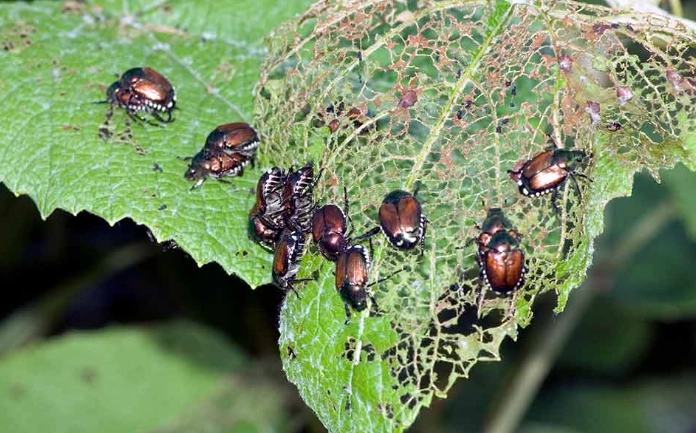
How to Implement IPM in 4 Practical Steps
This is the actionable blueprint. You can apply this to aphids on your roses, slugs in your lettuce, or squirrels in your corn.
Step 1: Monitor and Identify
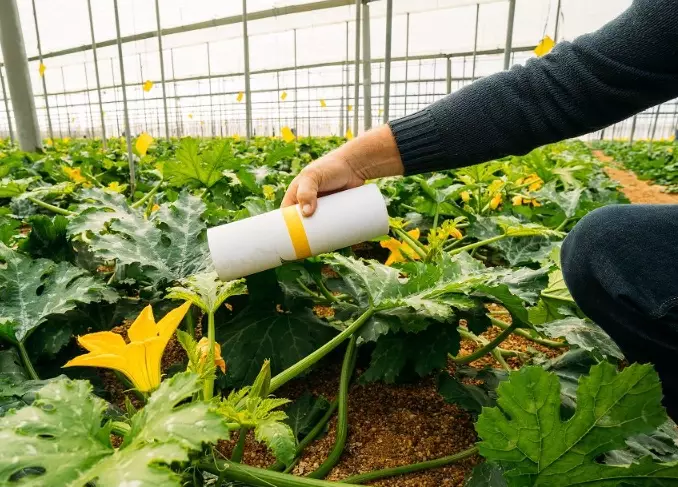
This is your scouting mission. Get out there twice a week, early in the morning. Look under leaves, check stem joints. Don't just look for pests; look for signs of pests (chewed edges, sticky honeydew, eggs). The critical part? Correct identification. Is that bug a harmful cucumber beetle or a beneficial soldier beetle? Killing the wrong bug sets you back. Use resources like your local university's cooperative extension website (e.g., Cornell's Insect Identification Lab) or apps with expert-verified databases. Guessing is a recipe for wasted effort.
Step 2: Set Action Thresholds
This is the most overlooked step. Not every pest needs action. An action threshold is the point where pest numbers or damage justify control. One caterpillar on a mature tomato plant? Probably fine. Ten on a seedling? Time to act. This threshold varies wildly. For ornamental plants, you might tolerate quite a bit of cosmetic damage. For a crop you're planning to harvest next week, your threshold is near zero. This step stops you from overreacting.
Step 3: Prevention & Control
Now you choose your tactics, always starting with the least risky option. The hierarchy looks like this:
- Cultural Controls: Change the environment. Choose disease-resistant plant varieties (look for codes like VFN on tomato tags). Rotate crops each year. Space plants properly for air flow. Water the soil, not the leaves, to prevent fungal diseases.
- Physical/Mechanical Controls: Use barriers and hands-on methods. Floating row covers to exclude pests. Hand-picking larger insects (it's therapeutic, I swear). Traps for slugs or Japanese beetles.
- Biological Controls: Enlist natural enemies. This isn't just buying ladybugs (which often fly away). It's about conserving the predators you already have. Plant nectar-rich flowers (like alyssum, dill, yarrow) to feed parasitic wasps and hoverflies. Avoid broad-spectrum pesticides that kill these allies.
- Chemical Controls: The last resort. And if you must, use the most targeted, least persistent option. This could be insecticidal soap for aphids or a biological pesticide like Bacillus thuringiensis (Bt) for caterpillars. Always read the label—twice.
Step 4: Evaluate
Did it work? What happened a week later? Keep simple notes. "Sprayed soapy water on aphids on July 10. Saw reduction, but ladybug larvae appeared on July 15 and finished the job." This turns you from a reactive gardener into a learned one.
Your IPM Toolkit: From Prevention to Intervention
Let's break down those control options with specifics you can use this weekend.
| Control Method | What It Is | Best For | Pro Tip / Common Pitfall |
|---|---|---|---|
| Cultural | Planting marigolds to deter nematodes; using a soaker hose to keep leaves dry. | Long-term, foundational prevention. | Pitfall: Planting the same "companion plant" everywhere without checking if science supports it. Not all folklore works. |
| Physical | Copper tape for slugs; yellow sticky cards for whiteflies. | Immediate, non-toxic removal or barrier. | Tip: For cabbage worms, a simple floating row cover installed right after planting is 95% effective. Cheaper and easier than spraying. |
| Biological | Releasing predatory mites for spider mites; attracting birds with a birdbath. | Ongoing, self-sustaining regulation. | Pitfall: Releasing ladybugs at noon on a sunny day. They'll immediately fly off. Release them at dusk near an aphid colony after misting the plants. |
| Chemical (Reduced-Risk) | Horticultural oil for scale insects; Diatomaceous earth for crawling pests. | Targeted outbreaks when other methods hit threshold. | Critical: Even "organic" pesticides can harm bees. Spray at dusk when bees are not active. Neem oil, for instance, is broad-spectrum and can harm beneficials too. |
A Real Garden Case Study: Beating Tomato Hornworms
Let's walk through a real scenario. Last summer, my prized 'Brandywine' tomato had its top leaves stripped bare overnight.
Step 1 (Monitor & ID): I found a large, green caterpillar with a horn on its rear and white V-shaped markings. A quick check confirmed: tomato hornworm. I also found small, white, rice-like cocoons on its back—the larvae of a parasitic braconid wasp had already attacked it.
Step 2 (Threshold): I found two hornworms, one parasitized. For me, two large, actively feeding hornworms on one plant crossed my aesthetic and harvest threshold.
Step 3 (Prevention & Control):
1. Cultural/Preventive for next year: I noted to till the garden deeper in fall to disrupt overwintering pupae.
2. Physical: I hand-picked the non-parasitized hornworm (and relocated the parasitized one to a sacrificial plant—those wasps are gold!).
3. Biological: I planted more dill and cilantro nearby to attract and sustain more parasitic wasps.
4. Chemical: Not needed. Hand-picking was sufficient. If the infestation were severe, Bt (Bacillus thuringiensis) would have been my targeted choice.
Step 4 (Evaluate): The hand-picking solved the immediate problem. The plant recovered. By encouraging wasps, I saw fewer hornworms the rest of the season. Success.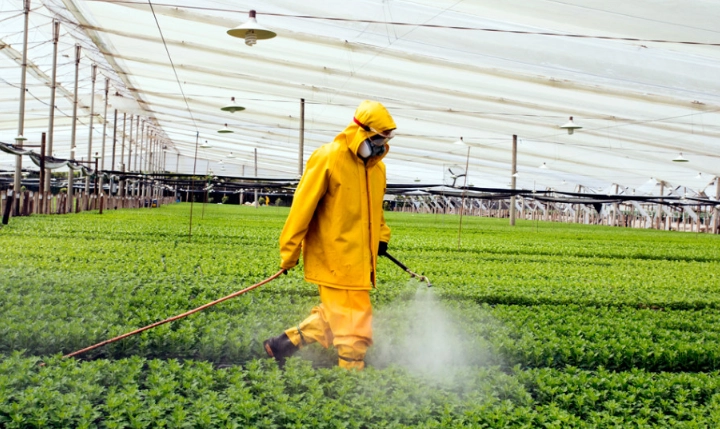
Your Top IPM Questions, Answered
Starting IPM feels slower than grabbing a spray bottle. You're investing time in observation and setup. But within a season or two, you'll spend less time fighting fires and more time enjoying a balanced, lively garden ecosystem. Your soil will be healthier, you'll see more bees and butterflies, and you won't be worrying about chemical residues on your food. It's not perfection; it's intelligent management. Give the 4-step process a try on one problem area this month. You might be surprised how effective being a thoughtful strategist instead of a frantic soldier can be.