I remember the first time I saw a lacewing larva devouring an aphid on my rose bush. I was about to reach for the insecticidal soap, frustrated with the sticky leaves. But I paused. That tiny, voracious predator was doing the job for me, for free. That moment changed everything. It wasn't just about one bug eating another; it was a glimpse into a self-regulating system—a biological balance—that I had been unknowingly fighting against for years with sprays and chemicals.
Most gardening advice focuses on the what and the how: what to plant, how to water. It rarely explains the why behind a thriving ecosystem. The real magic happens underground and in the air, in the complex web of relationships between plants, insects, fungi, and bacteria. Getting this balance right means less work, fewer pests, healthier plants, and a garden that feels alive.
What You'll Learn in This Guide
- What Does "Biological Balance" Actually Mean in Your Garden?
- Why Bother? The Real-World Benefits of a Balanced Ecosystem
- The 3 Biggest Mistakes That Destroy Garden Balance (And How to Fix Them)
- A Practical, 5-Step Plan to Build Biological Balance From Scratch
- How to Maintain Balance Through the Seasons
- Your Questions, Answered by a Gardener Who's Been There
What Does "Biological Balance" Actually Mean in Your Garden?
Forget the textbook definition. In your backyard, biological balance means that predator and prey populations exist in a dynamic equilibrium where no single species (including pests) gets out of control. It's a system with checks and balances.
Think of it like a neighborhood. You have producers (plants), consumers (herbivores like aphids), and the cleanup crew/police force (decomposers and predators like ladybugs, spiders, and soil microbes). When the neighborhood is balanced, everyone has a role, and resources are recycled efficiently. A pest outbreak is like a crime spree—it's usually a sign that the "police force" (beneficial insects) is missing or weakened, often because their food or habitat has been removed.
Why Bother? The Real-World Benefits of a Balanced Ecosystem
This isn't just feel-good, hippie gardening. The practical upsides are massive.
First, natural pest control. When you have hoverflies, parasitic wasps, and birds calling your garden home, they handle the grunt work. I've watched a single chickadee family clear a small tree of caterpillars in an afternoon. That's efficiency you can't buy in a bottle.
Second, resilience. A balanced garden with diverse plant life and healthy soil can withstand drought, heavy rain, and temperature swings better than a monoculture. The diversity acts as an insurance policy.
Third, soil that works for you. Balanced soil biology—fungi, bacteria, earthworms—breaks down organic matter into plant-available nutrients, improves soil structure, and even helps suppress soil-borne diseases. You fertilize less. You water less because the soil holds moisture better.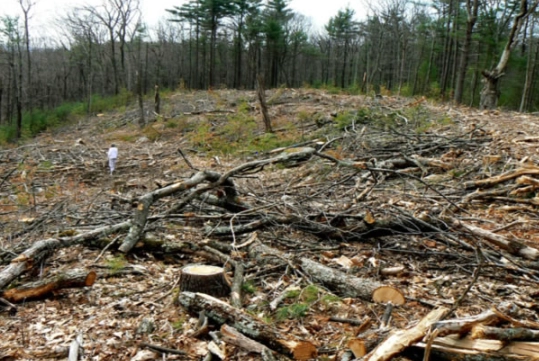
The 3 Biggest Mistakes That Destroy Garden Balance (And How to Fix Them)
I made all of these. Most new gardeners do.
1. The "Clean Slate" Fallacy
We're taught that tidy is good. So we rake every leaf, pull every "weed," and leave bare soil exposed. This is a desert for beneficial insects. It removes overwintering sites for predator eggs, eliminates food sources (many "weeds" are early-season nectar sources), and destroys soil structure. Fix: Leave some leaf litter. Designate a "messy corner" with stems and debris. Use mulch.
2. Reaching for the Broad-Spectrum Spray
This is the nuclear option. A non-selective insecticide doesn't care if it kills a cabbage worm or a lacewing. It wipes out the pest and its natural enemies. The pests often rebound faster because their predators are gone. Fix: Practice tolerance. Identify the pest. Is it actually causing damage? Often, hand-picking or a strong blast of water is enough. If you must spray, use targeted options like horticultural oil or insecticidal soap, and spray at dusk to minimize harm to beneficials.
3. Planting a Monoculture
A long row of identical plants is a buffet sign for pests. It's easy for them to find and devastate. Fix: Interplant. Mix flowers, herbs, and vegetables. Diversity confuses pests and provides constant nectar and pollen for beneficial insects.
A Practical, 5-Step Plan to Build Biological Balance From Scratch
Okay, so your garden might be out of whack. Here's how to reset it, step-by-step. You don't need to do it all at once.
Step 1: Audit Your Soil. This is the foundation. Get a simple soil test (your local cooperative extension office offers them). More importantly, look for life. Dig a shovelful. Do you see earthworms? Is the soil crumbly? If it's compacted and dead, start by adding compost—not fertilizer. Compost inoculates the soil with life.
Step 2: Plant for the Predators. You need to recruit the "good guys." Plant these insectary plants in clusters throughout your garden:
- Early Season: Alyssum, dill, cilantro (let it flower), yarrow.
- Mid Season: Cosmos, fennel, sunflowers, basil (let it bolt).
- Late Season: Goldenrod, asters, sedum.
These provide nectar and pollen for adult beneficial insects, which they need to reproduce.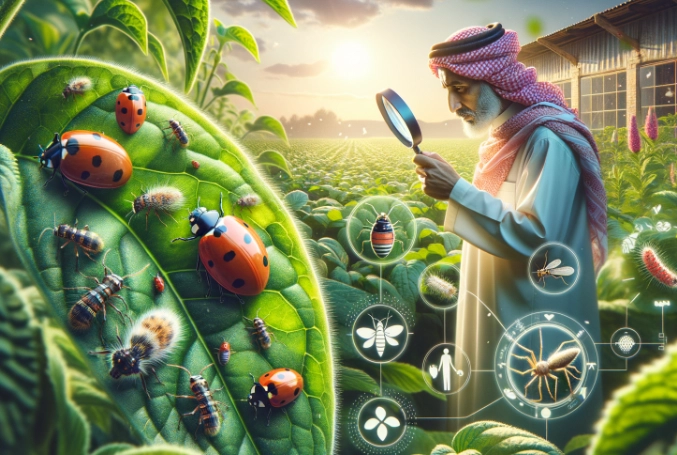
Step 3: Provide Shelter and Water. A simple bug hotel made of bundled hollow stems or drilled wood. A shallow dish with pebbles and water. A few flat rocks for basking. These small features make your garden a permanent residence, not just a restaurant.
Step 4: Embrace Some "Weeds." Clover is a nitrogen-fixer and great ground cover. Dandelions are early bee food. Learn the useful ones and let them occupy some space, especially in non-vegetable areas.
Step 5: Observe and Interfere Less. This is the hardest step. Spend time just watching. See which insects visit. Identify them. Before you intervene, ask: "Is this causing real harm?" Often, the system will correct itself if you give it a week.
How to Maintain Balance Through the Seasons
Balance isn't a one-time setup. It's active stewardship.
| Season | Key Action for Balance | What to Watch For |
|---|---|---|
| Spring | Leave last year's plant stems up as long as possible. Sow insectary plants early. Apply a thin layer of compost. | Early aphid colonies. Check for ladybug larvae before acting. |
| Summer | Ensure consistent moisture (deep, infrequent watering). Deadhead flowers to prolong bloom for beneficials. Hand-pick large pests. | Japanese beetles, cabbage worms. Look for parasitic wasp cocoons or diseased pests (a sign nature is working). |
| Fall | DO NOT do a full cleanup. Leave seed heads for birds and stems for overwintering insects. Plant fall-blooming perennials. | Preparing the system for winter, not sterilizing it. |
| Winter | Plan next year's garden with diversity in mind. Order seeds for native plants and insectary species. | Observe where birds forage; they're eating overwintering insect eggs. |
The research backs this up. Studies cited by institutions like the USDA and universities such as Cornell's College of Agriculture and Life Sciences consistently show that diversified planting and reduced pesticide use lead to higher natural enemy populations and reduced pest pressure. You're not just gardening; you're managing a complex, living community.
Your Questions, Answered by a Gardener Who's Been There
Building biological balance is the opposite of instant gratification. It's a slow, rewarding shift from being a gardener who fights nature to one who orchestrates it. You start to see your space as a habitat. The wasp isn't a threat; it's a pest controller. The leaf litter isn't trash; it's an insect hotel. When that shift happens, the work gets easier, and the garden becomes infinitely more interesting. Start with one step—maybe just leaving those dead stems until spring—and see what moves in. You might be surprised.
Reader Comments