I used to think gardening was a battle. Me versus the aphids. Me versus the wilting leaves. Me versus the stubborn clay soil. Every weekend was a new skirmish, and I was losing. Then I stumbled on the idea of a garden ecosystem, and everything changed. I stopped being a general and started being a facilitator. The result? My backyard is now a buzzing, blooming, self-regulating world that needs far less from me and gives back so much more.
A garden ecosystem isn't a fancy label. It's a practical shift in thinking. Instead of a collection of isolated plants you defend, you create a connected community where soil life, plants, insects, birds, and even you work together. It's about resilience, not control.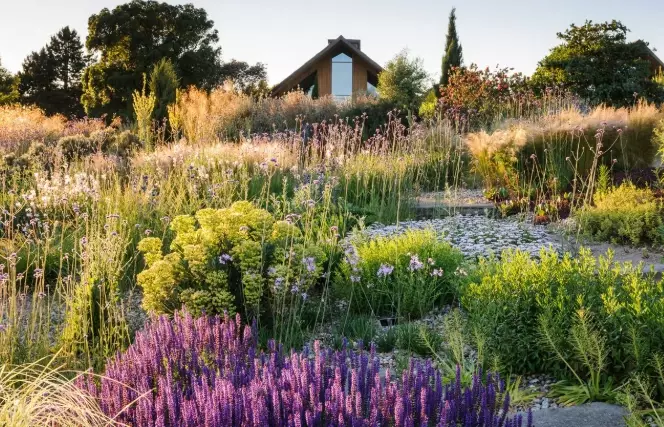
What's Inside?
What a Garden Ecosystem Really Is (And Isn't)
Let's clear something up. A garden ecosystem isn't just letting your yard go wild (though that's one valid approach!). It's intentional design that mimics nature's patterns to create a stable, productive space.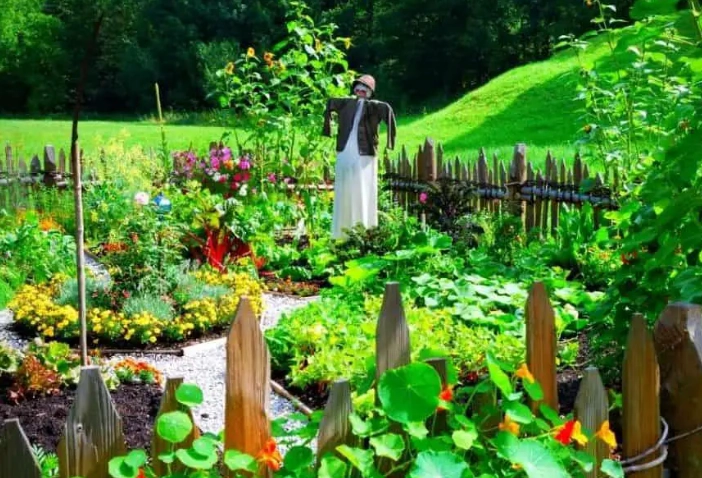
Think of it like this: In a conventional garden, you're the sole energy source—buying fertilizer, spraying pesticides, constantly watering. In an ecosystem garden, you set up relationships that generate their own energy. The clover feeds nitrogen to your tomatoes. The ladybugs you attracted eat the aphids on your roses. The deep roots of your comfrey pull up nutrients for shallow feeders.
The Core Players in Your Backyard Ecosystem:
- Producers: Your plants (flowers, veggies, trees, grasses). They capture sun energy.
- Consumers: Insects, birds, mammals (including you!). They eat plants or other animals.
- Decomposers: The superstars in the soil—bacteria, fungi, worms. They break down dead stuff, creating rich humus and cycling nutrients.
Your job is to get these three groups talking to each other.
The biggest mistake I see? Gardeners focus 90% on the plants and 10% on the soil and animal life. Flip that ratio. Healthy soil and diverse insect life are the foundation; the beautiful plants are the happy result.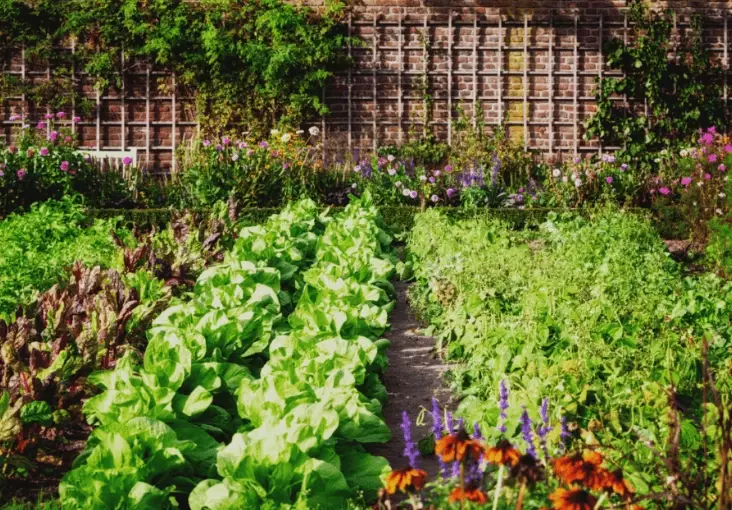
Your Step-by-Step Guide to Building From Scratch
You don't need ten acres. You can start this on a balcony with pots or in a small suburban yard. It's about principles, not scale.
Step 1: Observe and Map (Don't Just Dig)
Put the shovel down for a week. Watch your space. Where does the sun hit at 9 AM, noon, and 4 PM? Where does water pool after rain? Is there a dry, windy corner? Notice what's already there—even the "weeds." Dandelions, for instance, indicate compacted soil. This isn't wasted time; it's your most valuable research. A simple sun map drawn on paper saves years of struggling with sun-loving plants in the shade.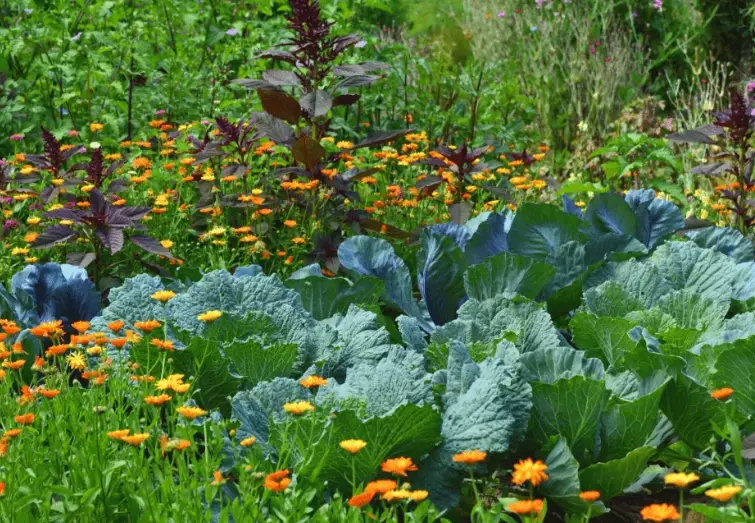
Step 2: Feed the Soil, Not Just the Plants
This is the non-negotiable first physical step. Synthetic fertilizers feed plants directly but can harm soil life. We want to feed the decomposers.
- Compost is king: But don't just buy a bag. Start a pile or a bin. Kitchen scraps, fallen leaves, grass clippings. Let the worms and microbes do their thing. Resources from the USDA Natural Resources Conservation Service emphasize soil organic matter as the key to soil health.
- Stop tilling deeply: Constant digging destroys fungal networks and soil structure. Use a broadfork to aerate if needed, or simply layer materials on top (a technique called sheet mulching or lasagna gardening).
- Plant a living mulch: Instead of bare dirt between plants, use low-growing clover or creeping thyme. They suppress weeds, retain moisture, and feed the soil.
Expert Slip-Up: Many gardeners add way too much compost, thinking if some is good, more is better. A thick layer (more than 3 inches) can actually smother soil life and create a water-repellent barrier. A 1-2 inch top-dressing once or twice a year is plenty.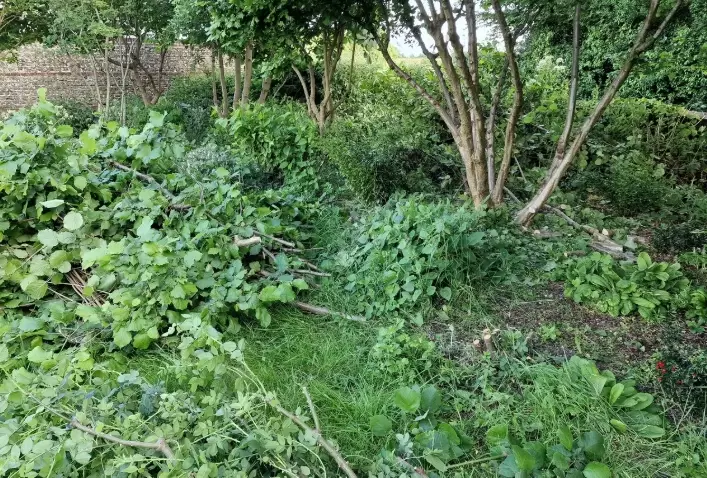
Step 3: Choose Plants That Work Together
This is where it gets fun. Don't plant in monoculture blocks. Mix it up.
- Go Native (Mostly): Native plants co-evolved with your local insects and birds. They're the backbone of your ecosystem. An oak tree supports over 500 species of caterpillars, which are baby bird food. A non-native ornamental might support zero. Check with your local native plant society or university extension office for lists.
- Use Companion Planting Logic: Plant tall sunflowers to provide afternoon shade for heat-sensitive lettuce. Let fragrant basil confuse pests looking for your tomatoes. Let nasturtiums act as a "trap crop" for aphids, luring them away from your beans.
- Think in Layers: Like a forest, have canopy (trees), understory (shrubs), herbaceous layer (flowers, veggies), and ground cover. This maximizes space and creates diverse habitats.
How to Attract the Right Kind of Life
You want an insectary, not just a garden. Beneficial insects are your free pest patrol.
The Recruitment Strategy:
- Food for All Life Stages: Adult ladybugs eat aphids, but their larvae are even hungrier. However, adults also need pollen and nectar when pests are scarce. Plant small-flowered herbs like dill, fennel, cilantro (let it flower), and yarrow. These are insect filling stations.
- Provide Shelter: Leave a patch of bare, undisturbed soil for ground-nesting bees. A simple "bug hotel" with hollow stems and drilled wood can house solitary bees and lacewings. A pile of rocks or old logs is a five-star hotel for beetles and spiders.
- Water Source: A shallow dish with pebbles and water gives bees and birds a safe drink.
Birds are part of this too. They eat insects and caterpillars. Plant berry-producing shrubs (serviceberry, elderberry) and let some seed heads stand in winter for food.
The shift happens when you see a few aphids and think, "Great, ladybug food is here," instead of reaching for a spray. It takes a season or two for the balance to establish. Be patient.
The Low-Intervention Maintenance Mindset
An established ecosystem garden is lower maintenance, but it's not no-maintenance. The work just changes.
- Water Deeply, Not Frequently: This encourages deep roots, making plants more drought-resilient. Soaker hoses or drip irrigation under mulch are ideal.
- Leave the Leaves (Mostly): Fallen leaves are winter blankets for pollinators and soil builders. Rake them off the lawn onto garden beds.
- Tolerate Some Damage: A few holes in leaves are a sign of a living system. It's only a problem if the plant's health is seriously declining. Act as a referee, not a dictator.
- Observe Constantly: Your main tool becomes your eyes. A weekly walk-through to see what's blooming, what's being eaten, and where water is needed is more valuable than hours of frantic weekend work.
I made the mistake of "over-helping" my first ecosystem plot. I saw a wasp checking out a caterpillar and intervened, only to learn it was a parasitic wasp laying eggs *inside* the pest caterpillar, which would naturally control it. Lesson learned. Sometimes the best action is inaction.
Your Garden Ecosystem Questions, Answered
Won't attracting more insects just mean more pests eating my vegetables?
My HOA requires a "neat" lawn. Can I still build an ecosystem garden?
I have a tiny patio with only containers. Is this even possible?
How do I deal with a major pest outbreak without chemicals?
Isn't this just a trend? How is it different from organic gardening?
Reader Comments