Most gardeners get excited about new plants or fancy tools. I get excited about dirt. Specifically, the life in it. And if your soil feels more like lifeless concrete than a fluffy, dark sponge, you're missing the single most important workforce you could ever have: earthworms. Forget the fertilizer aisle for a second. These wriggly engineers are the original organic solution, working 24/7 for free. I've seen gardens transform from struggling patches to thriving ecosystems just by focusing on what happens below the surface. Let's talk about why they matter and, more importantly, how you can get them on your team.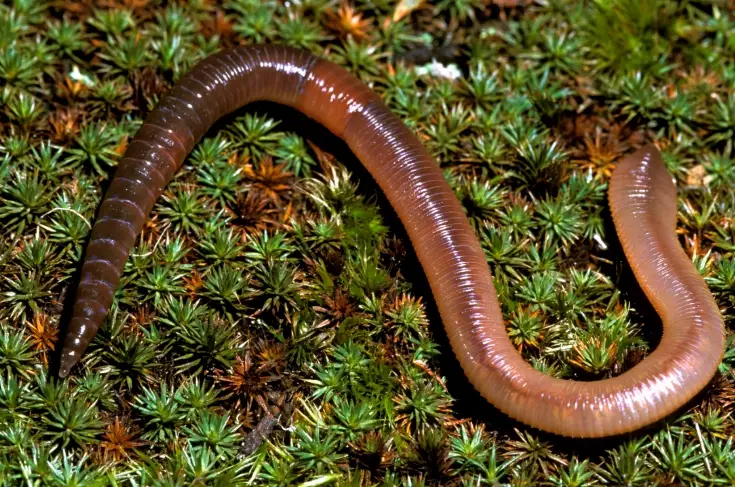
What's Inside: Your Quick Guide
The Underground Factory: How Earthworms Improve Your Soil
Calling earthworms "good for soil" is like calling the sun "good for light." It's a massive understatement. Their work is a complex, multi-step process that no machine or chemical can replicate. They don't just live in the soil; they actively create it.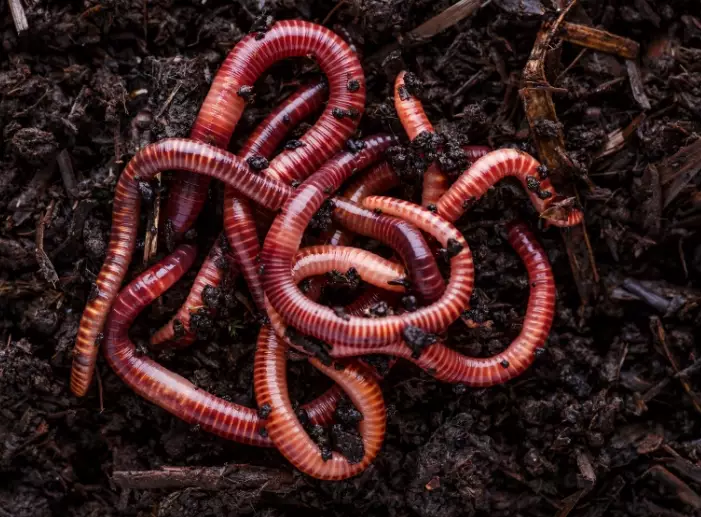
Think of a compacted lawn or a hard-packed vegetable bed. Water pools on top, roots can't penetrate, and everything struggles. Now, picture an earthworm tunneling through. That tunnel isn't just a hole. It's a superhighway for air and water. It's like poking thousands of tiny straws into the ground, allowing rainwater to infiltrate deeply instead of running off. This aeration is the first and most physical benefit.
But the real magic is in their digestion. As they eat their way through soil and organic matter (dead leaves, old roots, etc.), their gut is a fermentation chamber. What comes out the other end is worm castings – often called black gold. This isn't just poop. It's a concentrated, nutrient-rich, biologically active humus. The process neutralizes soil pH, binds nutrients in a plant-available form, and coats everything with beneficial microbes. Studies, like those referenced by the USDA's Natural Resources Conservation Service on soil health, show castings can have significantly higher levels of nitrogen, phosphorus, potassium, and calcium than the surrounding soil.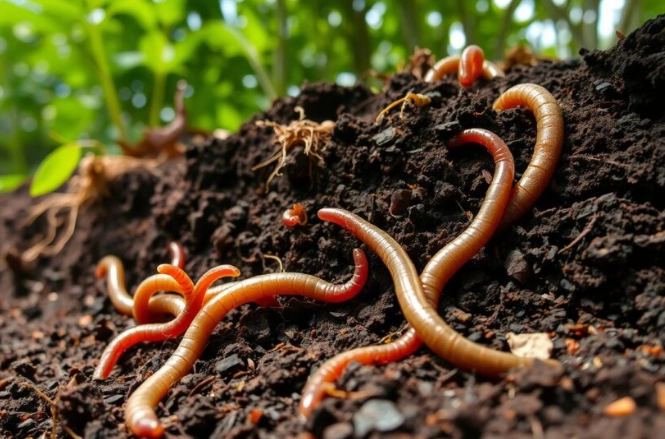
Here’s a breakdown of their main jobs:
| Earthworm Activity | Direct Benefit to Your Garden | What You'd Have to Do Manually |
|---|---|---|
| Tunneling (Aeration) | Improves soil structure, drainage, and root penetration. | Double-digging beds, using a broadfork, core aeration for lawns. |
| Creating Castings | Adds readily available nutrients and improves soil fertility. | Applying balanced organic fertilizer and compost. |
| Mixing Layers | Brings subsoil nutrients up and incorporates organic matter down. | Tilling or turning the soil, which can damage structure. |
| Boosting Microbiology | Castings inoculate soil with beneficial bacteria and fungi. | Applying expensive microbial inoculants or compost tea. |
The kicker? They do all this simultaneously, without disturbing plant roots the way a shovel or tiller does. A healthy population can process and bring to the surface an astonishing amount of soil each year. It's a silent, constant renewal.
How to Attract Earthworms to Your Garden (The Right Way)
You can't just order a box of earthworms online, dump them in clay, and expect a miracle. They'll likely leave or die. The goal isn't to introduce them, but to create an environment where they want to live and multiply. It's about hospitality, not stocking.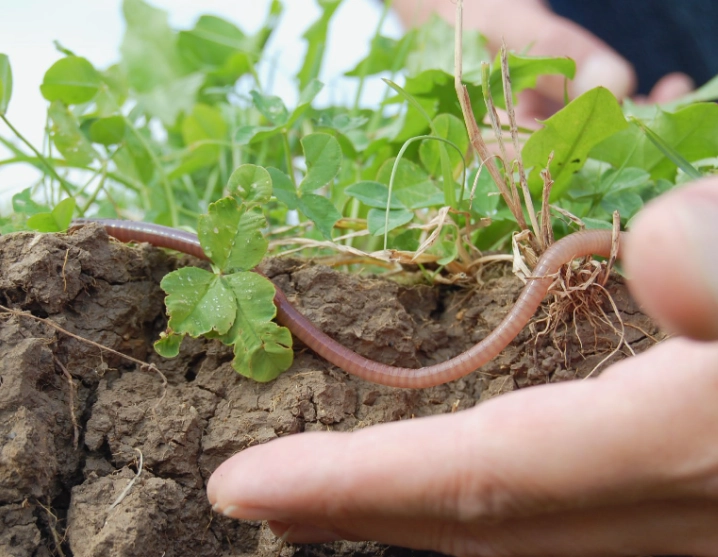
Stop Tilling the Soil
This is rule number one. Rotary tillers are earthworm shredders. They slice through burrows, desiccate the soil, and destroy the delicate fungal networks worms and plants rely on. If you want a thriving underground community, you have to stop the annual massacre. Switch to no-till methods. Use a layer of compost on top (sheet mulching) and let the worms pull it down for you. It's less work and far more effective.
Feed Them, and Feed the Soil
Earthworms eat decaying organic matter and the microbes that break it down. If your soil is bare dirt, there's no food. You need to become a constant, gentle supplier of their favorite meals.
- Compost: A top-dressing of finished compost is a five-star buffet.
- Leaf Mold: Shredded, decomposed leaves are a primary food source in nature.
- Cover Crops: Plants like clover or winter rye are brilliant. You grow a crop not for harvest, but to chop and drop as "green manure." The roots break up soil, and the foliage becomes worm food. I've seen worm numbers explode after just one season of a clover cover crop.
- Mulch: Straw, wood chips, or grass clippings. As it breaks down at the soil-mulch interface, worms will congregate right there, safe and well-fed.
A quick test: On a damp evening, gently lift a layer of mulch or a bit of compost in your garden. See a few pink wrigglers? You're on the right track. See nothing but ants and pill bugs? Your soil is likely hungry and dry.
Keep the Soil Consistently Moist
Earthworms breathe through their skin, which needs to stay moist. Dry soil is a death sentence. Consistent moisture doesn't mean soggy; it means the soil feels like a wrung-out sponge. Drip irrigation or soaker hoses are perfect because they maintain moisture without waterlogging. A good mulch layer is crucial here—it dramatically reduces evaporation.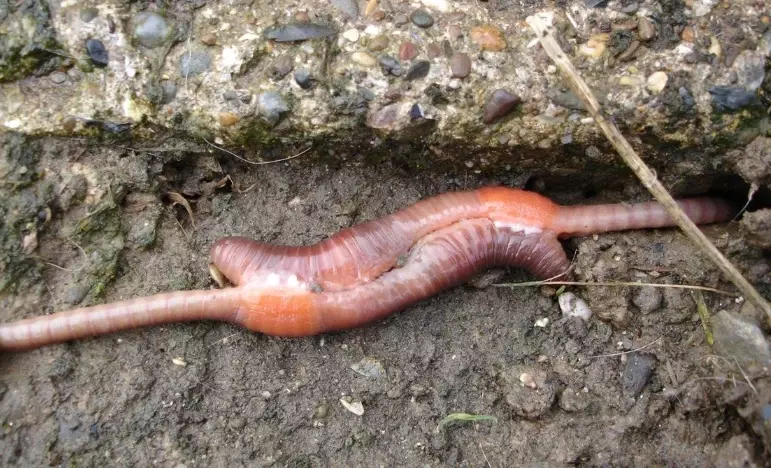
Avoid Harsh Chemicals
This should be obvious, but it's worth stating. Synthetic pesticides, herbicides, and especially chemical fertilizers (the high-salt, fast-release kinds) are toxic to soil life. They create a sterile, salty environment that worms will flee. If you're serious about biological soil health, your gardening has to go organic. The worms will thank you by doing the fertilizing for you.
What Most Gardeners Get Wrong About Earthworms
Here's where experience talks. I've made these mistakes, and I see them all the time.
Mistake 1: Assuming all worms are equal. The small, reddish worms you find in a compost pile (often red wigglers, *Eisenia fetida*) are composting champions but aren't typically deep soil dwellers. The larger, greyish nightcrawlers (*Lumbricus terrestris*) are the deep-tunnel experts for gardens and lawns. Don't assume your compost worms will fix your lawn compaction—they're different species with different jobs.
Mistake 2: Over-correcting with store-bought worms. Buying a tub of worms and releasing them into unprepared soil is a waste of money. They often just crawl away or die. Focus on habitat first. Build the restaurant, and the customers will come on their own.
Mistake 3: Not realizing they can be an invasive species issue. In northern forests, particularly in North America, non-native European earthworms (the very ones we love in gardens) are actually causing ecological damage by consuming the forest floor too quickly. This is a nuanced but critical point. In your garden, they're allies. In pristine native forests, they can be disruptors. Don't dump your fishing bait or compost worms in wild areas.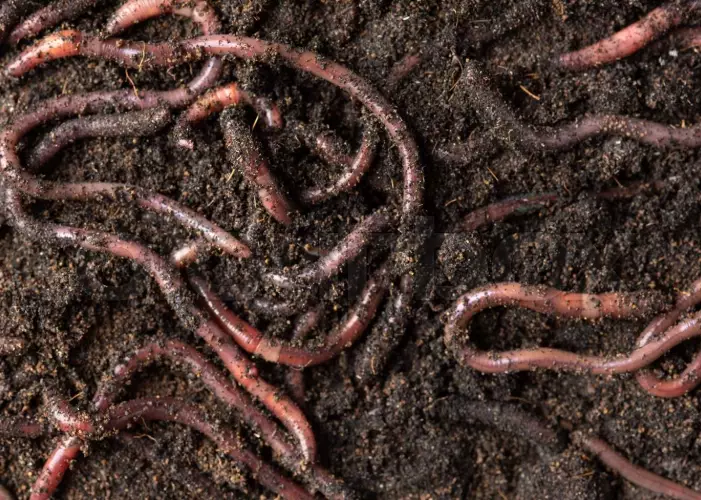
Your Earthworm Questions, Answered
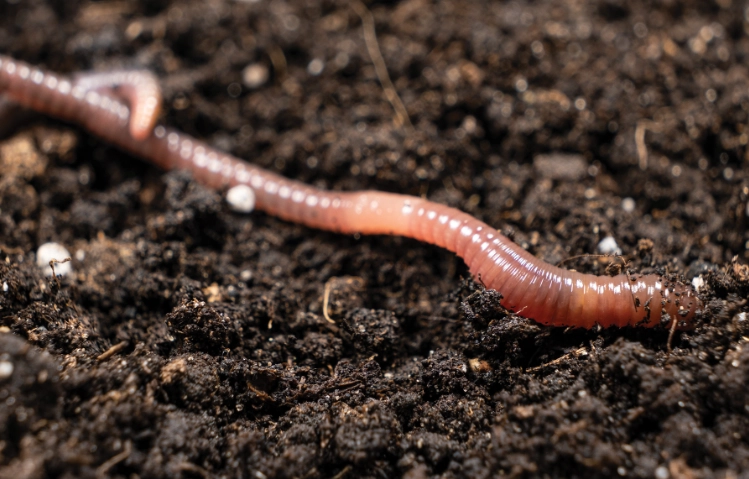
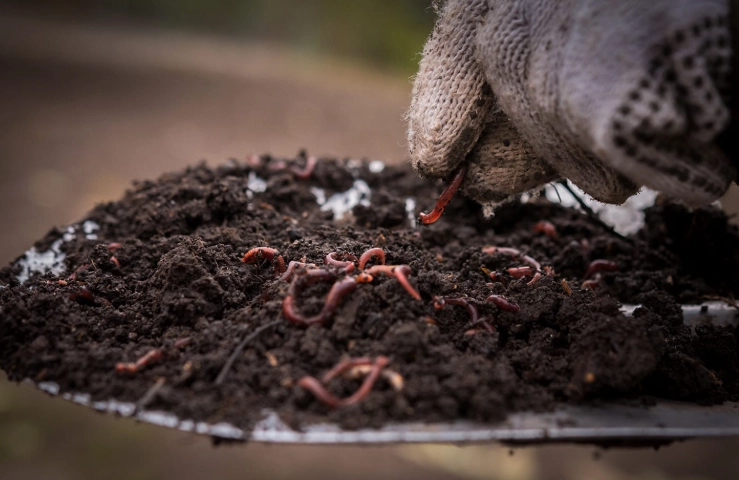
Watching for earthworms isn't just a gardening tip; it's a fundamental shift in perspective. You start managing for life, not just for plants. When you see that first fat nightcrawler on a rainy path, or find your soil crumbly and full of channels, you'll know your garden is working with you, not against you. Put the tiller away, pile on the mulch, and let the underground crew take over. The results speak for themselves.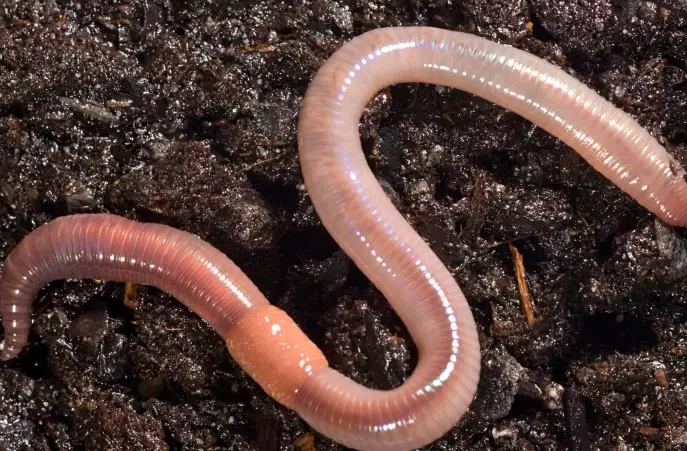
Reader Comments