I remember the first time I planted a butterfly bush, thrilled at the idea of my garden swarming with monarchs. The flowers bloomed, bees came, but the butterflies? A few passersby, maybe a cabbage white. It was pretty, but it felt like a missed connection. Then I learned the secret: I was only offering a snack bar, not a nursery. The real magic, the life-cycle-completing, generation-sustaining magic, happens not with the showy nectar flowers, but with the humble, often overlooked butterfly host plants. These are the specific plants where butterflies lay their eggs and their caterpillars must eat to survive. Get this right, and you move from being a casual observer to a vital part of the ecosystem.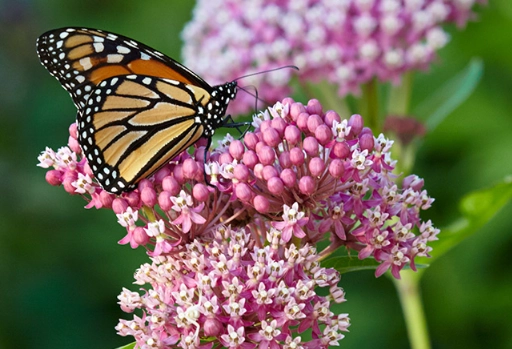
What You'll Find in This Guide
How to Choose the Right Butterfly Host Plants for Your Region
This is where most well-intentioned projects stumble. You can't just pick a plant from a generic online list and hope. The relationship between a butterfly and its host plant is incredibly specific, often forged over millennia. A monarch caterpillar, for instance, will only eat plants in the milkweed family (Asclepias). But here's the kicker: not just any milkweed.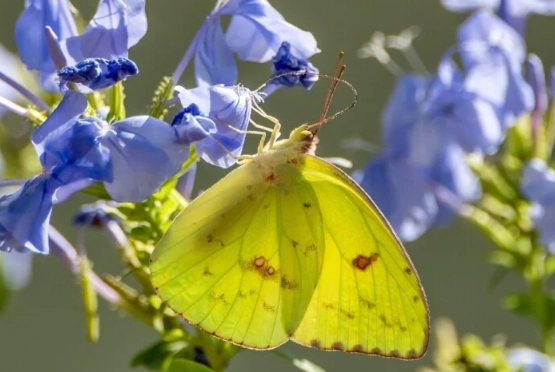
One subtle mistake I see constantly? Gardeners planting tropical milkweed (Asclepias curassavica) in temperate zones like the northern U.S. It's pretty, grows easily, and is sold everywhere. The problem is it doesn't die back in mild winters, which can disrupt monarch migration patterns and encourage the spread of a parasite called OE. The Xerces Society for Invertebrate Conservation recommends native milkweeds like Swamp Milkweed (A. incarnata) or Common Milkweed (A. syriaca) for most of North America.
So, step one is research. Don't just search "butterfly plants." Search "native butterfly host plants" plus your state or ecoregion. Your local university extension service or a native plant society are goldmines for this information. Think about it this way: you're building a cradle for the next generation. It has to be the right model.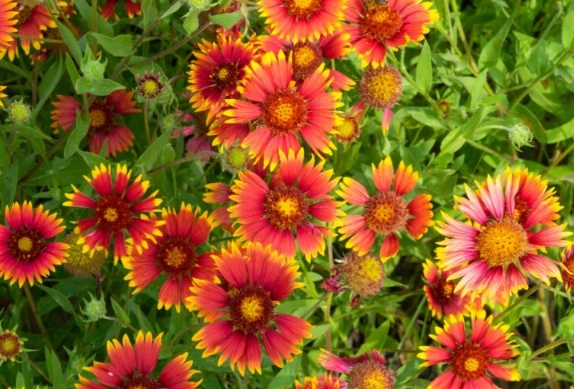
What Are the Most Common Butterfly Host Plants and Which Butterflies Do They Attract?
While natives are key, some plant families are superstar hosts for a wide range of butterflies. Planting a selection of these creates a robust support system. Here’s a breakdown of the workhorses.
| Host Plant | Butterflies It Supports (Examples) | Key Planting Notes |
|---|---|---|
| Milkweed (Asclepias spp.) | Monarch | Full sun. Essential for monarch survival. Choose native species. |
| Parsley, Dill, Fennel, Carrot Tops (Apiaceae family) | Black Swallowtail, Anise Swallowtail | Easy from seed. Plant extra – caterpillars are hungry! |
| Passion Vine (Passiflora spp.) | Gulf Fritillary, Zebra Longwing, Julia | Vigorous vine. Some species are native to the southern U.S. |
| Snapdragon, Toadflax (Plantaginaceae family) | Common Buckeye, Baltimore Checkerspot | Buckeyes love snapdragons in my garden. They're tough annuals/perennials. |
| Violets (Viola spp.) | Great Spangled Fritillary, Variegated Fritillary | Shade-tolerant ground cover. A vital host many forget. |
| Grasses (Various native species) | Skippers, Satyrs, Wood Nymphs | Little bluestem, switchgrass. Many brown/"drab" butterflies rely on grasses. |
| Tulip Tree, Sweet Bay, Spicebush (Lauraceae family) | Spicebush Swallowtail, Palamedes Swallowtail, Tiger Swallowtail | Trees and shrubs. Plant for long-term, large-scale impact. |
Notice something? The list includes herbs, vines, wildflowers, grasses, and trees. A successful habitat has layers. Don't just focus on the perennial flower bed. That patch of "weedy" violets or a clump of native grass is a butterfly nursery.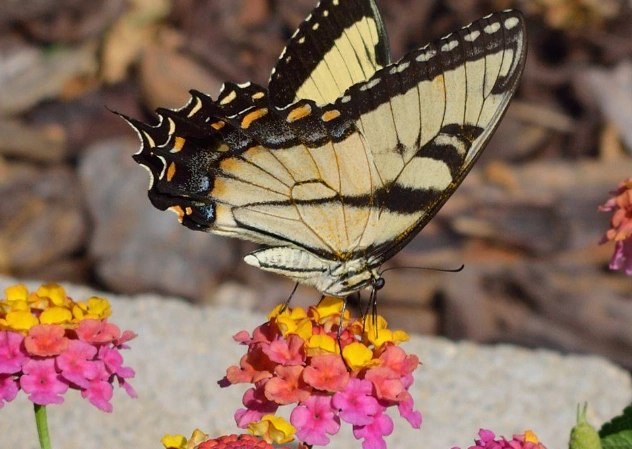
Beyond the Obvious: Supporting the Lesser-Known Butterflies
Everyone wants monarchs and swallowtails. But what about the others? Planting an oak tree supports over 500 species of caterpillars, according to research by entomologist Doug Tallamy. Willows, cherries, and elms are also powerhouse hosts. If you have the space, adding a native tree or shrub is the single most impactful thing you can do. It's the difference between a motel and an apartment complex for butterflies.
Practical Planting and Care Tips for a Successful Habitat
You've got your plants. Now, how do you keep them alive and attractive to butterflies? It's not just about sticking them in the ground.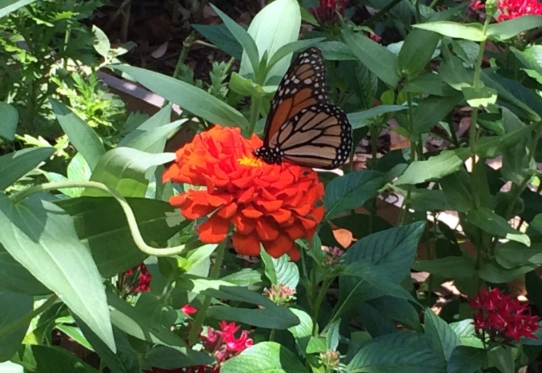
Sun and Soil: Most host plants, especially those for sun-loving butterflies, need at least 6 hours of direct sun. Check the specific needs of your chosen plants. Milkweed hates wet feet, while swamp milkweed tolerates it. Get the basics right.
The "No-Spray" Zone: This is non-negotiable. Insecticides, even organic ones like neem oil or Bt (Bacillus thuringiensis), will kill caterpillars. Bt is a biological pesticide specifically targeted at caterpillars. If you spray it on your broccoli, fine. If it drifts onto your milkweed, you've just wiped out the monarch generation you're trying to help. Herbicides can kill the host plants themselves. Embrace a bit of messiness.
Plant in Clusters: Butterflies are visual creatures. A single, lonely parsley plant might get missed. Plant three or five together. It creates a stronger visual and chemical signal for searching females.
Accept the Damage: Your plants will get eaten. Holes in leaves, missing stems, chewed flowers – this is the sign of success! It means caterpillars are growing. If you can't stand the look, plant host plants in the back of a border or in a dedicated "caterpillar cafe" area where aesthetics are secondary to function. I plant extra dill and parsley just for the swallowtails. They always find it.
Water and Mulch: Keep young plants well-watered until established. A layer of mulch helps retain moisture and suppress weeds (pulling weeds is better than spraying). Healthy plants recover from caterpillar munching faster.
Your Host Plant Questions, Answered
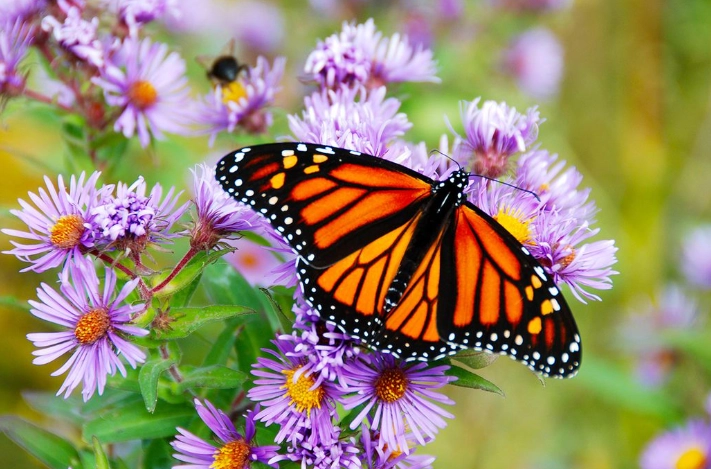
Starting a garden with butterfly host plants is a shift in perspective. You're not just decorating a space; you're provisioning a lifeline. It requires letting go of perfection, embracing some damage, and thinking like a butterfly parent. The reward isn't just a fleeting glimpse of wings, but the deep satisfaction of watching an egg become a caterpillar, then a chrysalis, and finally a new butterfly taking its first flight from a plant you provided. That connection turns a garden into a sanctuary.