What You'll Find in This Guide
I still remember the first time I sipped tea made from leaves I grew myself. It was a chamomile plant in a rusty pot on my balcony, and the flavor blew away anything from a store-bought box. That's the magic of a tea garden—it's not just about plants; it's about creating a little sanctuary where you control what goes into your cup. If you're tired of bland herbal teas or worried about pesticides in commercial products, growing your own is the answer. This guide will walk you through everything, from picking the right spot to avoiding the pitfalls that made my first attempt a bit of a mess.
What is a Tea Garden and Why You Need One
A tea garden isn't some fancy estate with rolling hills—though those are nice to visit. For most of us, it's a dedicated space, big or small, where you grow plants specifically for making tea. Think herbs like mint, chamomile, and lavender, or even true tea plants (Camellia sinensis) if you're up for a challenge. Why bother? Let me break it down.
First, the taste. Freshly harvested leaves have a vibrancy that dried, packaged stuff can't match. My homegrown peppermint tea has a crisp, almost sweet note that store-bought versions lack. Second, it's cost-effective. A packet of seeds or a small plant costs less than a few boxes of tea, and with care, it keeps giving for years. Third, you know exactly what's in it. No hidden chemicals or processing—just pure, organic goodness if you choose to grow that way.
But here's a point most guides miss: a tea garden is as much about mental health as it is about tea. Tending to those plants, even for ten minutes a day, becomes a ritual. It's my go-to stress reliever, and studies from sources like the Royal Horticultural Society show gardening can reduce anxiety. So, you're not just growing tea; you're growing calm.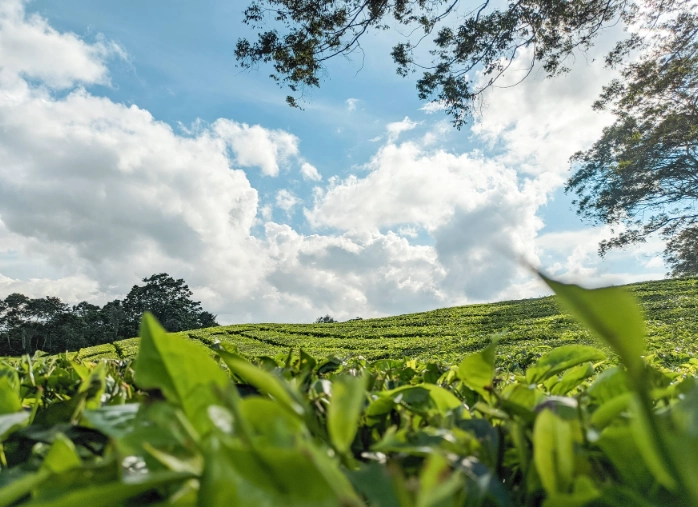
Step-by-Step Guide to Building Your Tea Garden
Starting a tea garden feels overwhelming, but it's simpler if you tackle it step by step. I've helped friends set up theirs in everything from sprawling backyards to tiny apartment corners. The key is to adapt to your space.
Choosing the Perfect Spot
Light is king. Most tea plants need at least 6 hours of sunlight daily. My balcony gets morning sun and afternoon shade, which works well for herbs like lemon balm that can scorch in intense heat. If you're indoors, a south-facing window is ideal. Don't have that? Grow lights are a decent backup—I used a cheap LED panel for my first indoor setup and it kept the plants alive through winter.
Space-wise, you don't need acres. A 2x4 foot raised bed or a few large containers can host a surprising variety. I once saw a neighbor grow a thriving tea garden in recycled buckets on a fire escape. Just ensure good drainage; soggy roots are a death sentence. Drill holes in containers if needed.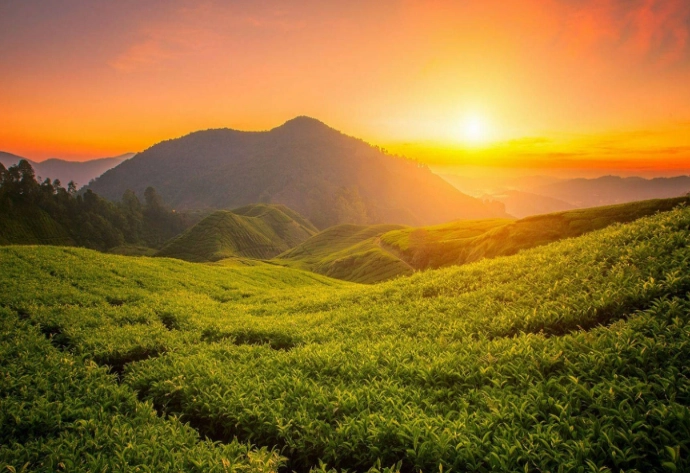
Essential Tea Plants to Grow
Picking plants is where fun meets function. Start with easy, forgiving herbs that give quick rewards. Here's a table of my top picks based on years of trial and error:
| Plant | Best For | Sunlight Needs | Time to First Harvest |
|---|---|---|---|
| Peppermint | Digestive tea, refreshing flavor | Partial to full sun | 6-8 weeks |
| Chamomile | Calming bedtime tea | Full sun | 8-10 weeks |
| Lemon Balm | Citrusy tea for stress relief | Partial shade | 8 weeks |
| Lavender | Floral tea for relaxation | Full sun | 3-4 months |
| Camellia sinensis | True tea (green, black) | Partial shade | 2-3 years |
If you're a beginner, skip Camellia sinensis for now—it's slow and fussy about climate. Stick to herbs like mint or chamomile; they're almost foolproof. I made the mistake of starting with lavender, which needs perfect drainage, and lost a few plants to root rot. Learn from my blunder.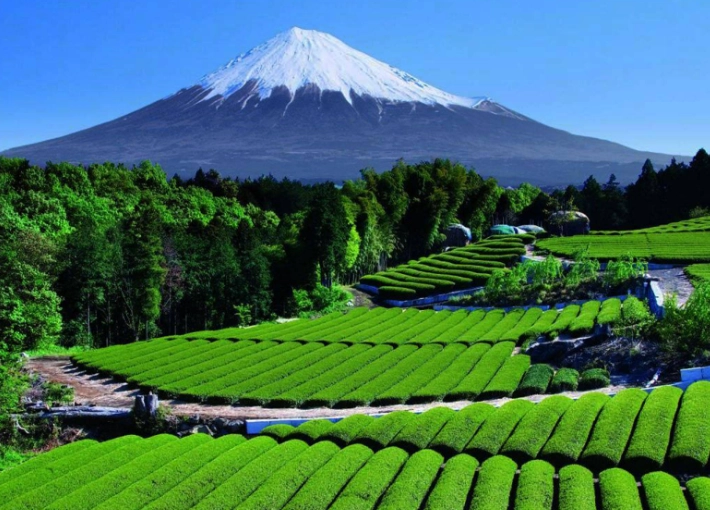
Soil Preparation and Planting Tips
Good soil makes all the difference. Don't just grab dirt from your yard; it's often too compacted. For containers, use a high-quality potting mix with compost blended in. I add a handful of perlite for extra drainage, especially for Mediterranean herbs like lavender.
When planting, space herbs about 12 inches apart to avoid overcrowding. Mint is invasive, so keep it in its own pot unless you want it taking over. For seeds, follow packet directions, but a general rule: plant twice as deep as the seed's size. Water gently after planting—a soaking, not a sprinkle.
Pro tip from my experience: Label your plants. Sounds obvious, but I once mixed up chamomile and feverfew seedlings, and let's just say the tea tasted off. Use popsicle sticks or waterproof markers.
Caring for Your Tea Garden: Maintenance Made Easy
Once your plants are in, the real work begins—but it's not hard if you get into a rhythm. I spend maybe 15 minutes a day checking on things, and that's mostly for enjoyment.
Watering and Feeding Schedule
Overwatering is the number one killer of tea gardens. Stick your finger an inch into the soil; if it's dry, water deeply until it runs out the drainage holes. In hot summers, that might be every other day for containers. For in-ground plants, once a week often suffices.
Feeding is simple. Use a balanced organic fertilizer every 4-6 weeks during the growing season. I prefer liquid seaweed extract—it's gentle and promotes strong growth without burning roots. Avoid heavy nitrogen fertilizers; they encourage leafy growth but can dilute the flavors in your tea herbs.
Pest Control Naturally
Pests happen. Aphids love tender new growth on mint, and spider mites can attack in dry conditions. Instead of reaching for chemicals, try neem oil spray. It's organic and effective. I mix 2 teaspoons of neem oil with a quart of water and a drop of dish soap, then spray every week as a preventative.
Another trick: attract beneficial insects. Plant marigolds or dill nearby; they draw in ladybugs that eat aphids. My tea garden has a few marigold borders, and I rarely see pests now.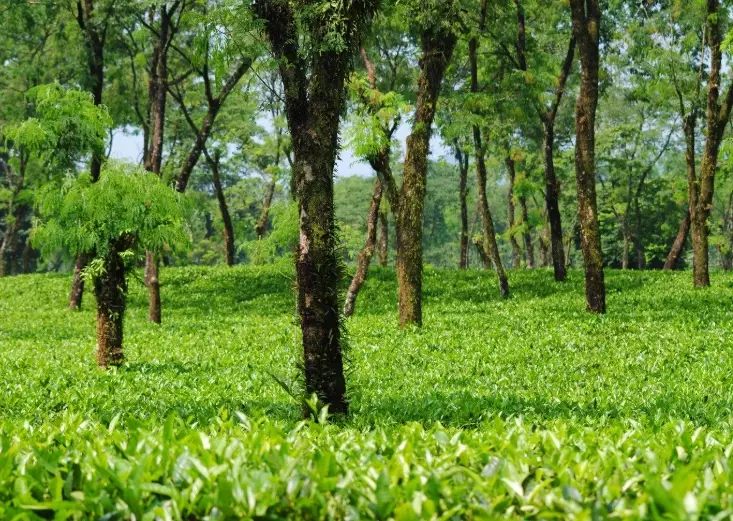
Harvesting and Using Your Homegrown Tea
Harvesting is the reward. For most herbs, pick leaves in the morning after the dew dries—that's when oils are peak. Use scissors to snip stems, never pull. Take no more than one-third of the plant at a time to keep it healthy.
Drying is straightforward. Bundle stems and hang them upside down in a dark, dry place. My attic works perfectly. Once crispy, store leaves in airtight jars away from light. For fresh tea, just steep a handful of leaves in hot water for 5-10 minutes. Experiment with blends; my favorite is mint with a pinch of lavender for evening relaxation.
If you grow Camellia sinensis, processing is more involved. For green tea, steam or pan-fry leaves soon after picking to stop oxidation. It's a fun project, but be prepared for trial and error—my first batch tasted grassy until I got the timing right.
Common Mistakes to Avoid in Tea Gardening
We all mess up. Here are pitfalls I've seen—and fallen into—so you can skip the frustration.
Ignoring soil pH: Some herbs, like chamomile, prefer slightly alkaline soil. Test your soil with a cheap kit from a garden center. If it's too acidic, add a bit of lime. I didn't do this initially, and my chamomile struggled until I adjusted.
Planting too deep: Burying stems can cause rot. Keep the soil level consistent with how the plant was in its nursery pot. I lost a lemon balm plant this way by being overzealous with mulch.
Neglecting pruning: Herbs need regular trimming to stay bushy. If you let them go leggy, they produce fewer leaves. Prune every few weeks, even if you're not harvesting. It feels counterintuitive, but it works.
Assuming all plants need the same care: Mint thrives in moist soil, while lavender wants it dry. Group plants with similar needs together. My early garden had mint and lavender side by side, and one was always unhappy.
Your Tea Garden Questions Answered
Starting a tea garden has been one of my most rewarding projects. It's not about perfection; it's about learning and enjoying the process. If you begin with a few easy plants and avoid the common blunders, you'll be sipping your own brew in no time. Remember, even a single pot of mint on a windowsill counts as a tea garden. So grab some soil, pick a plant, and get growing—your future self will thank you with every cup.