You brought home a beautiful, lush plant. You had visions of it thriving. Now, it's sending out SOS signals—droopy leaves, strange spots, maybe even dropping limbs. Sound familiar? Don't panic. Plant troubleshooting isn't about having a green thumb; it's about learning to be a detective. It's the systematic process of observing symptoms, asking the right questions, and connecting the dots to find the root cause, not just treating the surface issue. Most plant problems stem from a handful of core factors: water, light, nutrients, and pests. Let's learn how to crack the case.
Quick Navigation: Find Your Plant's Problem
How to Diagnose Plant Problems: A Step-by-Step Process
Jumping straight to "it needs more water" is how plants drown. Follow this sequence every time.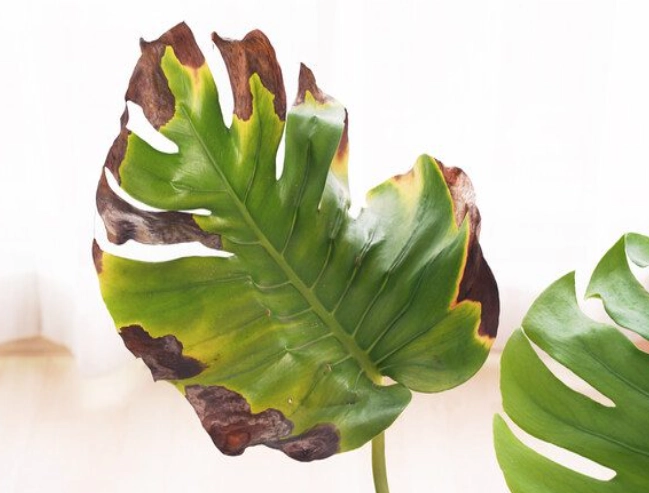
Step 1: The Full-Body Checkup
Get up close. Look at the top and underside of leaves (pests love hiding there). Check the stems for softness or cracks. Gently touch the soil an inch down. Is it soggy, bone dry, or just moist? Look at the color of new growth versus old growth. This isn't a glance; it's a focused inspection.
Step 2: Review the Plant's "Medical History"
When did you last water it? What has changed recently? Did you move it to a new spot? Repot it? Turn on the heating or air conditioning? A sudden change in environment is a prime suspect. I once nearly killed a fern by placing it near a heat vent I'd forgotten was active in winter.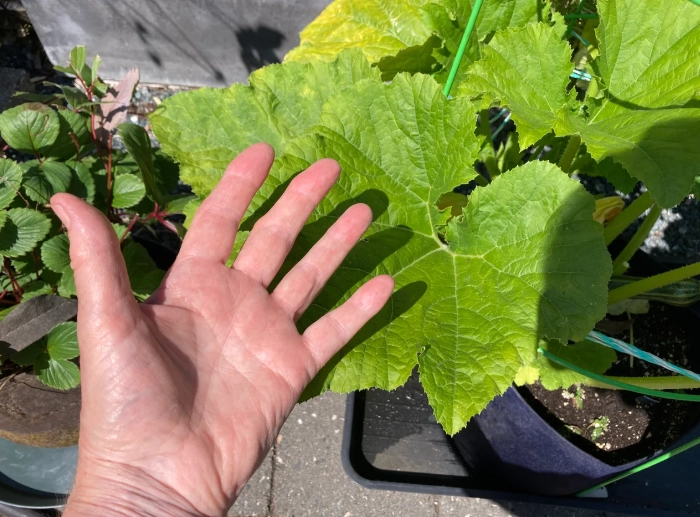
Step 3: Isolate the Most Likely Culprit
Use the process of elimination. If the soil is wet and the leaves are yellowing and soft, overwatering is a top suspect. If the soil is dry, the leaves are crispy, and it's in direct sun, underwatering and sun scorch are likely. Don't try to fix three things at once. Pick the primary issue.
The Master Symptom Checklist: Yellow Leaves, Wilting, Spots & More
Here’s a breakdown of common symptoms and their most probable causes. Think of this as your quick-reference chart.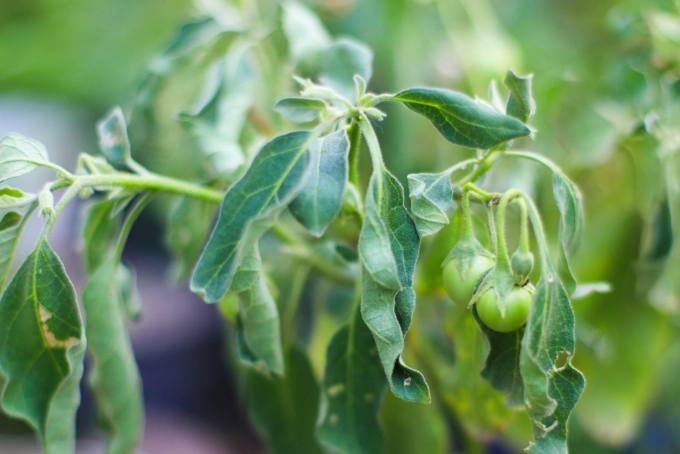
| Symptom | Possible Causes (Most to Least Common) | How to Check |
|---|---|---|
| Yellowing Leaves | 1. Overwatering (older leaves yellow, soft) 2. Underwatering (older leaves yellow, dry) 3. Nutrient Deficiency (Nitrogen: older leaves; Iron: new leaves) 4. Poor Drainage / Root Rot |
Check soil moisture. Inspect roots if possible (should be firm and white, not mushy/brown). |
| Leaves Wilting or Drooping | 1. Underwatering (soil is dry) 2. Overwatering / Root Rot (soil is wet, roots damaged) 3. Heat Stress or Draft 4. Shock from repotting or moving |
Soil finger test is crucial here. Feel the weight of the pot—a light pot needs water, a heavy one may be waterlogged. |
| Brown, Crispy Leaf Edges/Tips | 1. Low Humidity 2. Chemical Burn (from fertilizer or tap water salts) 3. Underwatering 4. Root-bound plant |
Consider your home's humidity. Check for white crust on soil surface (mineral buildup). |
| Spots on Leaves (Brown/Black/Yellow) | 1. Fungal or Bacterial Disease (often with a yellow halo) 2. Physical Damage 3. Sunburn (bleached, papery spots) 4. Pest Damage (look for tiny insects) |
Isolate the plant immediately if disease is suspected. Remove affected leaves with clean shears. |
| Leggy Growth or Small Leaves | 1. Insufficient Light (plant stretching for sun) 2. Needs Fertilization |
Assess the light quality. Is it bright but indirect, or truly dim? |
| Sudden Leaf Drop | 1. Dramatic Environmental Change (temperature, light) 2. Severe Overwatering/Underwatering 3. Draft (hot or cold) |
What changed in the last 1-2 weeks? This is almost always a stress response. |
Common Plant Troubleshooting Mistakes (And How to Avoid Them)
I've made these myself, and I see them all the time. Avoiding these will put you ahead of 90% of plant care guides.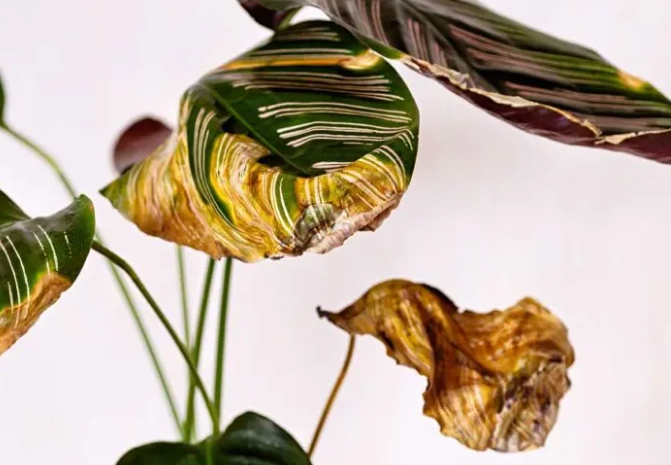
Mistake 1: Watering on a Schedule. This is the #1 killer of houseplants. Your plant doesn't drink based on the calendar. It drinks based on light, temperature, humidity, and pot size. A plant in a cool, dark room in winter needs water far less often than the same plant in a sunny summer window. Always do the finger test.
Mistake 2: Assuming "Bright Indirect Light." This term is vague. A north-facing window is indirect light. A spot 5 feet back from a south window is also indirect light, but it's vastly brighter. A simple trick: hold your hand 12 inches above the plant's location around noon. A faint, soft shadow means low light. A defined but blurry shadow means good indirect light. A sharp, crisp shadow means direct light.
Mistake 3: Repotting into a Pot That's Too Big. It feels generous, but it's a trap. Excess soil holds excess water that the small rootball can't absorb, leading to root rot. Only go up 1-2 inches in pot diameter at a time.
Mistake 4: Ignoring the Roots. If your plant is chronically struggling, you must check the roots. Gently tip it out of its pot. Healthy roots are firm and various shades of white to tan. Unhealthy roots from overwatering are mushy, dark brown or black, and often smell foul. This is a critical diagnosis step most people skip.
Your Action Plan: From Diagnosis to Recovery
You've identified the likely problem. Now what?
For Suspected Overwatering / Root Rot:
1. Stop watering immediately. Let the soil dry out significantly.
2. If the plant is severely wilted with wet soil, consider an emergency repot. Gently remove old soil, trim away any black, mushy roots with sterilized scissors, and repot into fresh, well-draining mix in a pot with drainage holes.
3. Place in bright, indirect light and resist watering until the top few inches of soil are dry.
For Nutrient Issues:
Don't just dump fertilizer on a sick plant—it can burn stressed roots. First, correct any water/light issues. Then, use a balanced, diluted liquid fertilizer (like a 10-10-10) at half strength during the next growing season watering. For resources on specific nutrient deficiencies, the University of Florida IFAS Extension has excellent, detailed publications.
For Pest Infestations (Aphids, Spider Mites, Mealybugs):
1. Isolate the plant to prevent spread.
2. For light infestations, wipe leaves with a solution of water and a few drops of mild dish soap or neem oil.
3. For heavier issues, you may need a targeted insecticidal soap or horticultural oil, following label instructions precisely.
4. Consistency is key—treat every 5-7 days for several weeks to break the life cycle.
The recovery pace depends on the plant and the damage. A dehydrated plant may perk up in hours. A plant recovering from root rot or severe shock may take months to put out new growth. Patience is part of the process.
Your Plant Troubleshooting Questions, Answered