Jump to What Matters
Let's cut to the chase. Healthy plant growth isn't about magic or green thumbs—it's about getting a few fundamentals right. I've killed my share of plants over the years, from overwatering a succulent to starving a tomato plant. But once I figured out the core principles, everything clicked. This guide is what I wish I had when I started: practical, no-nonsense advice that works whether you're growing herbs on a windowsill or vegetables in a backyard.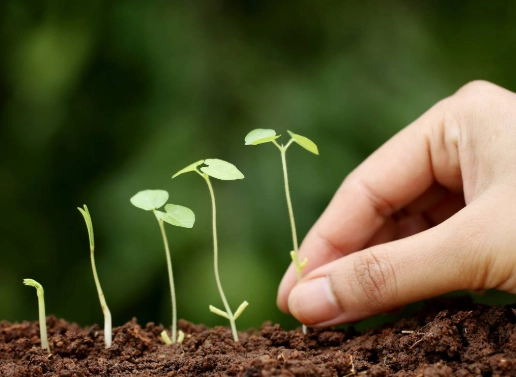
Think of it like this. Plants need food, water, and a good home. Mess up one, and they'll let you know. But by focusing on soil, water, light, and avoiding common pitfalls, you can set any plant up for success. I'll share some hard-earned lessons, including a time I nearly lost a prized monstera due to a simple soil error.
How to Build the Perfect Soil Foundation
Soil isn't just dirt. It's the plant's kitchen, bedroom, and support system all in one. Most beginners grab any bag from the store, but that's where problems start. I learned this the hard way when my rosemary kept wilting despite perfect watering. Turns out, the soil was too dense, suffocating the roots.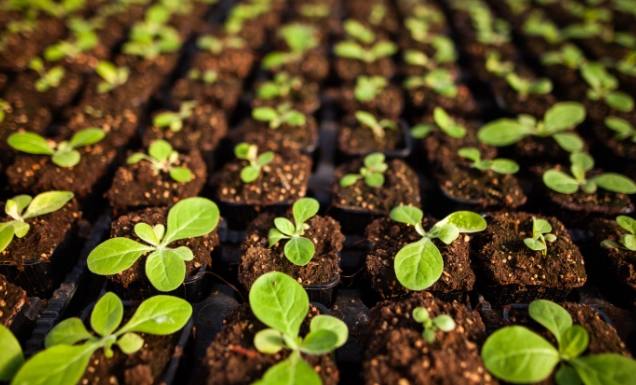
First, test your soil. You don't need a lab kit—just feel it. Squeeze a handful. If it stays in a tight ball, it's clay-heavy and needs aeration. If it falls apart, it's sandy and lacks nutrients. Aim for a crumbly texture that holds moisture but drains well. A study from the University of California Agriculture and Natural Resources emphasizes that soil structure is more critical than often assumed for root health.
Here's what to add for healthy plant growth:
- Compost: This is gold. It improves texture and feeds microbes. Make your own or buy from a trusted source. I mix in about 30% compost for most plants.
- Perlite or vermiculite: For drainage. Perlite is like little white rocks that keep soil airy. Vermiculite holds water better. Use perlite for succulents, vermiculite for moisture-lovers like ferns.
- Organic matter: Things like coconut coir or leaf mold. They help retain nutrients without waterlogging.
Pro tip: Don't reuse old potting soil without refreshing it. Over time, it compacts and loses nutrients. I made this mistake with my indoor peace lily, and it stopped flowering until I repotted with fresh mix.
For specific plants, tailor the mix. Cacti need more sand; vegetables thrive in rich, loamy soil. Here's a quick reference table I use: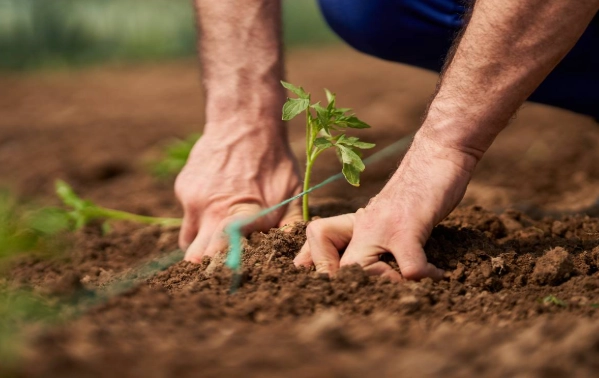
| Plant Type | Ideal Soil Mix Components | Key Consideration |
|---|---|---|
| Succulents & Cacti | 50% potting soil, 25% perlite, 25% coarse sand | Fast drainage is non-negotiable |
| Vegetables (e.g., Tomatoes) | 60% compost, 30% garden soil, 10% vermiculite | Nutrient-rich and moisture-retentive |
| Indoor Tropicals (e.g., Monsteras) | 40% peat moss, 30% perlite, 30% orchid bark | Aeration to prevent root rot |
| Herbs (e.g., Basil) | 50% potting mix, 30% compost, 20% perlite | Balanced drainage and fertility |
Watering Smart: More Than Just a Schedule
Watering is where most people go wrong. I used to water every Sunday, rain or shine. Bad idea. Plants don't care about calendars; they care about soil moisture. Overwatering is the number one killer of houseplants, according to many extension services, and I've drowned more than a few ferns proving it.
Instead of a schedule, use the finger test. Stick your finger about an inch into the soil. If it's dry, water. If it's damp, wait. For larger pots, a moisture meter helps—they're cheap and save guesswork.
Signs You're Watering Wrong
Yellow leaves often mean too much water. Wilting can mean too little or too much—check the soil first. I once panicked when my snake plant drooped, added water, and made it worse. The roots were rotting from prior overwatering.
Water deeply but infrequently. This encourages roots to grow down, making plants more resilient. For containers, water until it runs out the drainage holes. Then let the soil dry out partially before next time. Early morning is best to reduce evaporation and fungal issues.
Consider the plant's needs. Succulents store water, so they need less. Leafy greens drink more. And always use room-temperature water—cold water can shock roots. I learned this after using icy tap water on my tropical plants; they developed brown spots within days.
Why Light Isn't Just About Sunshine
Light is plant food. Without enough, growth stalls. But too much can burn leaves. It's not just about placing a plant near a window. Direction matters. South-facing windows get intense light; north-facing get gentle light. East for morning sun, west for afternoon heat.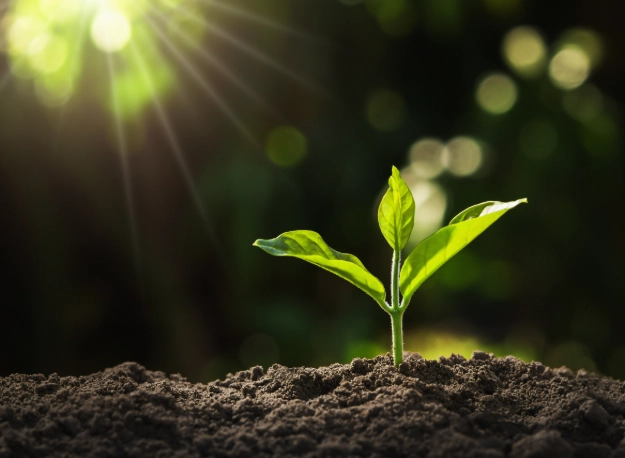
I grouped all my plants in a sunny corner once, thinking more light is better. Some thrived, but my calathea got scorched. Now I match plants to their light preferences. Low-light plants like pothos can handle shade; high-light plants like peppers need direct sun for hours.
If natural light is limited, grow lights work. LED full-spectrum lights are energy-efficient. Place them about 12 inches above plants for 12-16 hours a day. I use them for seedlings in winter, and they perk up within a week.
Watch for leggy growth—that's stems stretching toward light, a sign of insufficiency. Rotate pots regularly for even exposure. My fiddle leaf fig leaned so much it nearly toppled until I started turning it weekly.
The 3 Most Common Plant Care Mistakes (I've Made Them Too)
After years of trial and error, I see patterns. Here are the big ones that sabotage healthy plant growth.
1. Ignoring Drainage: Pots without holes are death traps. Water pools at the bottom, roots rot. Even if you're careful, moisture builds up. Always use pots with drainage, or drill holes yourself. I lost a beautiful ceramic pot because I didn't want to ruin it—ended up ruining the plant instead.
2. Over-fertilizing: More food doesn't mean faster growth. It can burn roots and cause salt buildup. Follow label instructions, and dilute to half-strength for indoor plants. I once gave my orchid a full dose of fertilizer, and the leaves turned crispy. Now I fertilize only during active growing seasons (spring and summer), and skip it in winter.
3. Neglecting Pest Checks: Pests sneak in. Spider mites, aphids, fungus gnats—they're tiny but destructive. Inspect leaves regularly, especially undersides. At first sign, isolate the plant and treat with insecticidal soap or neem oil. I had a mealybug infestation spread to half my collection because I ignored a few white spots.
These mistakes are easy to fix once you're aware. Prevention is key: good soil, proper watering, and regular observation.
Your Burning Questions Answered
Healthy plant growth boils down to understanding basics and adapting to your plant's signals. Start with good soil, water wisely, provide adequate light, and avoid common errors. Remember, every plant is an experiment—learn from failures. My garden now flourishes because I stopped following rigid rules and started observing. Yours can too.