Let's be honest. You see those stunning vertical gardens on Instagram or in a fancy hotel lobby and think two things: "I want that" followed immediately by "I could never make that work." The space, the cost, the fear of a wall of dead plants—it's enough to make anyone stick to a regular old pot on the floor. But here's the truth I've learned after a decade of designing and building these things: a vertical garden is one of the most forgiving and transformative projects you can tackle. It's not about having a green thumb from day one; it's about setting up a smart system that works for your life.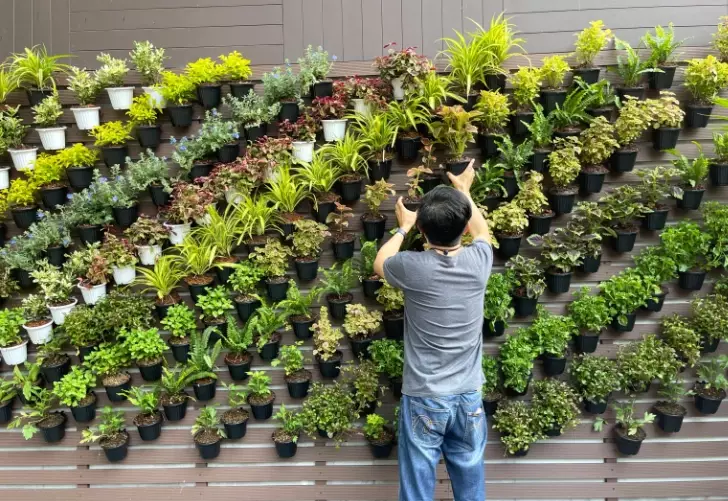
What's Inside: Your Quick Guide
What is a Vertical Garden and Why You Need One
A vertical garden, or living wall, is exactly what it sounds like: plants growing on a vertical surface instead of horizontally in the ground. But it's more than just a decoration. For anyone living in an apartment with a postage-stamp balcony, or a house with a boring concrete wall, it's a game-changer. The benefits go way beyond looks.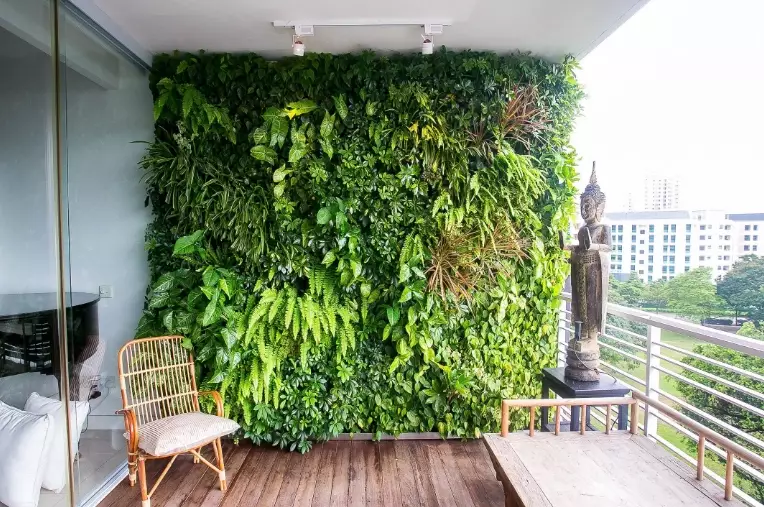
Think about air quality. A study by NASA highlighted the role of plants in removing common household toxins. More plants in a small space equals cleaner air. There's the mental health angle too—being surrounded by greenery reduces stress. And from a pure logistics standpoint, you're growing your herb garden or creating a privacy screen without sacrificing an inch of floor space.
The biggest misconception? That they're incredibly high-maintenance. They can be, if you design them wrong. But if you start with the right framework and plant choices, a vertical garden can be easier to care for than a collection of scattered pots. One watering point, one fertilizing session. It's efficient.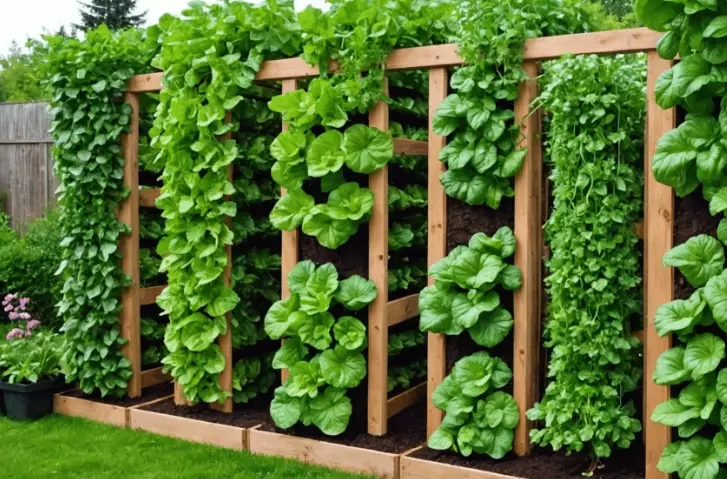
Vertical Garden Design Ideas for Any Space
Don't get stuck thinking a vertical garden requires a custom-built, irrigation-fed steel frame. Start simple. The goal is to get plants on a wall, and there are a hundred ways to do it.
For indoor vertical gardens, I'm a huge fan of modular felt pocket systems. They're lightweight, affordable, and you can start with just three or four pockets. Hang them near a kitchen window for herbs like basil, thyme, and mint. You'll use them more because they're right there. In a living room with lower light, a simple grid of shelves holding a mix of pothos, philodendron, and spider plants creates an instant living art piece.
Outdoors is where you can get creative. Pallet gardens are a classic for a reason—they're free or cheap, and the slats naturally create planting pockets. Just be sure to use a pallet stamped with "HT" (heat-treated, not chemically treated). For a more polished look, a series of wall-mounted wooden boxes, staggered for visual interest, works beautifully. I built one for a client's shaded patio using nothing but cedar fence boards and brackets from the hardware store. It took an afternoon.
Comparing Common Vertical Garden Systems
| System Type | Best For | Cost | Key Consideration |
|---|---|---|---|
| Felt Pocket Panels | Indoors, herbs, small plants | Low to Medium | Lightweight, but dries out faster. Needs frequent watering. |
| Modular Plastic Trays | Indoor/Outdoor, uniform looks | Medium to High | Often have built-in irrigation channels. Heavier when full. |
| DIY Wooden Planter Boxes | Outdoors, larger plants, vegetables | Low (DIY) | Allows for deeper soil, better for root veggies. Requires sealing wood. |
| Treillage (Espalier) | Outdoor walls, climbing fruits/vines | Medium | Permanent structure. Train plants like apples, jasmine over years. |
How to Build Your Own Vertical Garden: A Step-by-Step Guide
Let's walk through building a simple, foolproof outdoor vertical garden using a wooden pallet. This is the project I recommend for first-timers.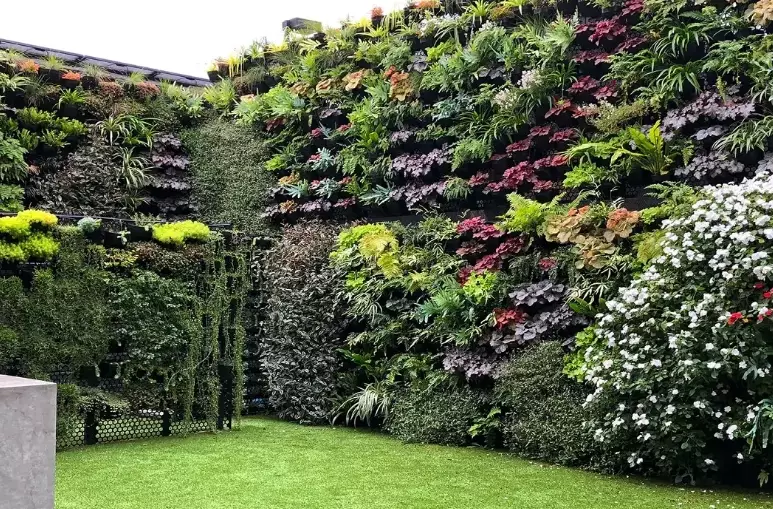
Step 1: Source and Prep Your Pallet. Find an HT pallet. Sand it down to avoid splinters. This is boring but crucial. Line the back, bottom, and sides with landscape fabric, stapling it securely. This fabric holds the soil in but lets water drain. Most people use a staple gun here—don't skimp on staples.
Step 2: The Soil Mix. This is where most DIY guides are too vague. Do NOT use garden soil or heavy potting mix. It will compact and suffocate roots. You need a light, soilless mix. I use a blend of 60% coconut coir, 30% perlite, and 10% compost. The coir retains moisture without getting soggy, the perlite ensures drainage, and the compost feeds the plants. Mix it in a wheelbarrow.
Step 3: Planting. Lay the pallet flat, fabric-side down. Start filling it with your soil mix through the slats. Pack it in firmly. Then, carefully plant your seedlings or small plants through the slats and the open top. Plant densely—they'll grow to fill gaps. Herbs, succulents, and shallow-rooted annuals like nasturtiums work great.
Step 4: The Critical Resting Phase. Here's the step almost everyone skips, leading to soil spillage and dead plants. Leave the planted pallet flat on the ground for at least two weeks. Water it lightly. This lets the roots establish and bind the soil together. After this period, you can slowly tilt it up to its vertical position.
Step 5: Mounting and Watering. Secure it to a wall or fence with heavy-duty brackets. Watering is simple: use a watering can with a long spout and water generously at the top. Let it trickle down. A drip irrigation kit hooked to a timer is the ultimate upgrade for vacations.
How to Choose the Right Plants for Your Vertical Garden?
Plant choice makes or breaks your project. The golden rule: right plant, right place, right neighbors.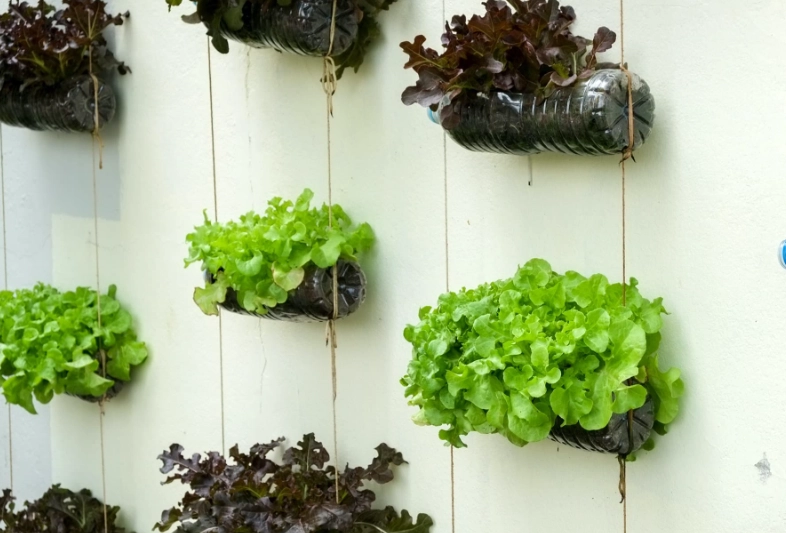
For sun-drenched walls (6+ hours of sun):
- Sedums and Sempervivums (Hen & Chicks): The ultimate survivors. Drought-tolerant, colorful.
- Herbs: Rosemary, thyme, oregano. They love heat and good drainage.
- Trailing plants: Creeping Jenny or some succulents for spillover effect.
For shady or indoor spots (low to medium light):
- Ferns: Button fern, maidenhair fern (if you can keep it humid).
- Pothos & Philodendron: Virtually indestructible, great trailers.
- Peperomia: Diverse, colorful foliage, low water needs.
- Staghorn Fern: Mount it on a board for a dramatic statement piece.
The subtle mistake I see? People mix plants with wildly different water needs. Putting a thirsty fern next to a drought-loving succulent is a recipe for one dead plant. Group plants with similar thirst levels. Your vertical garden should be a community, not a battlefield.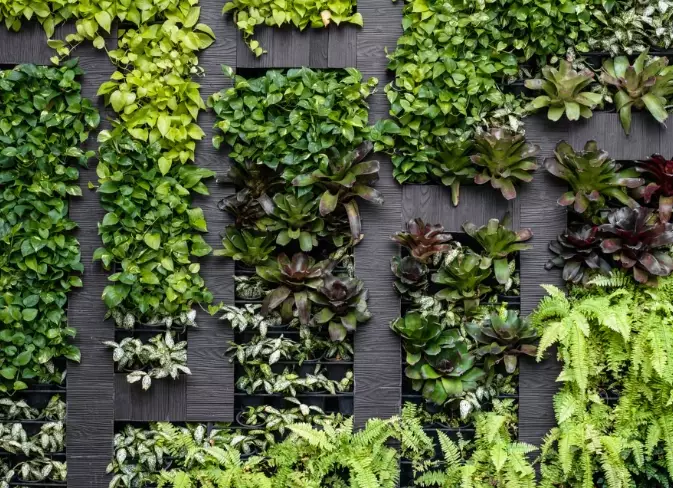
Keeping It Alive: Non-Negotiable Maintenance Tips
Maintenance isn't hard, but it needs to be consistent. Forget the "set it and forget it" dream.
Watering: Vertical gardens dry out faster than pots. Check moisture by sticking your finger an inch into the soil or pocket. If it's dry, water. In hot summers, this might be daily. Drip irrigation is the best investment you'll make for an outdoor system. For indoor pockets, a long-spouted watering can is your best friend.
Feeding: Nutrients wash out with frequent watering. Use a diluted, balanced liquid fertilizer every two weeks during the growing season. Halve the strength recommended on the bottle. It's easier to add more than to fix fertilizer burn.
Pruning and Grooming: Don't be sentimental. Pinch back leggy growth to encourage bushiness. Remove yellowing leaves immediately—they attract pests. This is the single most overlooked task. A quick five-minute tidy-up every week keeps everything healthy and looking sharp.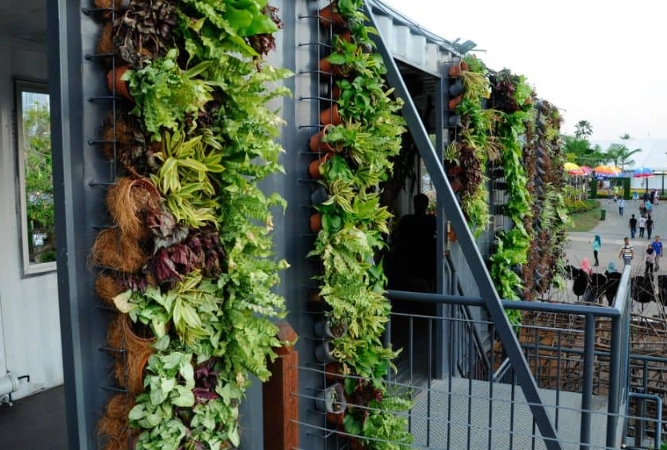
Reader Comments