Let's be honest. For years, I treated my garden like a separate project from the natural world. I'd buy bags of fertilizer, spray anything that moved, and water on a rigid schedule. It was expensive, time-consuming, and frankly, felt a bit wrong. Sustainable gardening flips that script. It's about working with nature, not against it, to create a space that's beautiful, productive, and actually helps the local ecosystem. This isn't about achieving a perfect, magazine-ready lawn. It's about building a resilient, living system in your backyard that saves you time, money, and gives you peace of mind.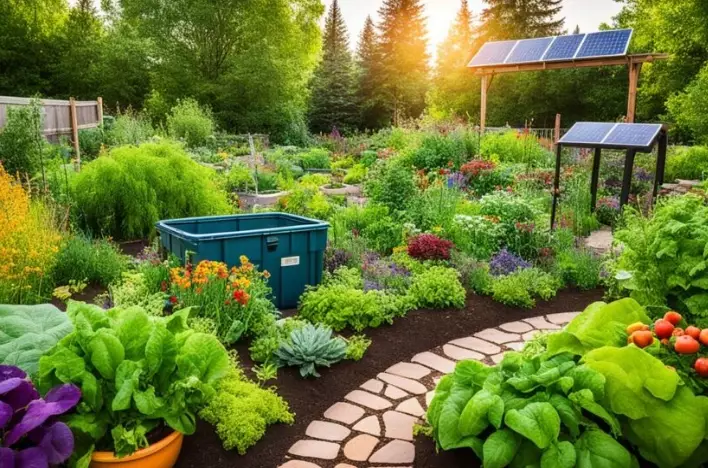
What's Inside This Guide
- How to Build a Sustainable Garden Soil Foundation
- Becoming Water-Wise: Conservation Beyond the Rain Barrel
- The Right Plant, Right Place: Choosing Sustainable Plants
- Managing Pests and Weeds the Sustainable Way
- A Practical Case: Transforming a Suburban Plot
- Your Sustainable Gardening Questions, Answered
How to Build a Sustainable Garden Soil Foundation
Forget fertilizers for a second. The single most important element of a sustainable garden is the soil. Healthy soil teems with life—fungi, bacteria, worms—that feed your plants, retain water, and suppress disease. Most problems start here.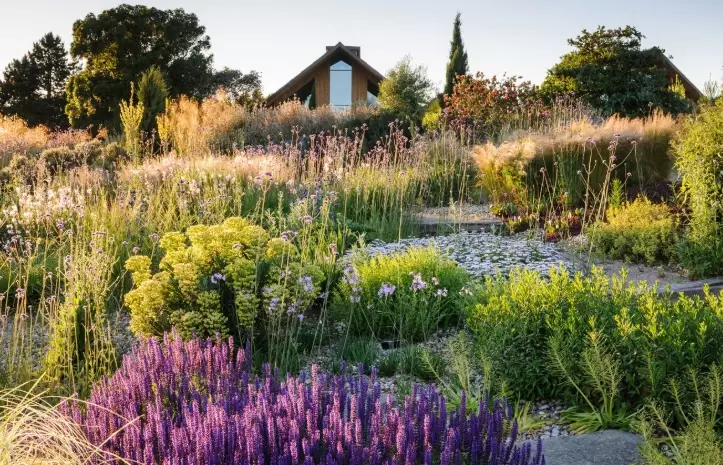
A common mistake I see is immediate tilling and amending of new beds. You buy a tiller, churn everything up, and mix in compost. This can actually destroy the existing soil structure and fungal networks. A better approach is no-dig or lasagna gardening. Layer materials on top and let worms do the work.
What is Mulch, and Why Is It a Game-Changer?
Mulch is your best friend. A 2-3 inch layer of organic mulch (wood chips, straw, shredded leaves) does several things at once: suppresses weeds, retains soil moisture, regulates temperature, and as it breaks down, it feeds the soil. It drastically cuts down on watering and weeding time.
I made the error of using dyed wood chips for aesthetics years ago. Don't. Use natural, untreated materials. Your local tree service might even drop off free wood chips.
Composting: The Black Gold Standard
You don't need a fancy bin. A simple pile in the corner works. The key is balance between "greens" (kitchen scraps, grass clippings) for nitrogen and "browns" (dry leaves, cardboard) for carbon.
| Material | Category | Tips & Cautions |
|---|---|---|
| Fruit & Veggie Scraps | Green (Nitrogen) | Excellent. Avoid large pits. |
| Coffee Grounds & Filters | Green | Great. Worms love them. |
| Eggshells | Mineral | Crush them. They add calcium. |
| Dry Leaves | Brown (Carbon) | Shred them to break down faster. |
| Cardboard (non-glossy) | Brown | Remove tape. Great for sheet mulching. |
| Grass Clippings | Green | Use thin layers to avoid matting. |
| Meat, Dairy, Oily Foods | Avoid | Attracts pests and can smell. |
| Diseased Plants/Weeds with Seeds | Avoid | Can survive and spread. |
Becoming Water-Wise: Conservation Beyond the Rain Barrel
Rain barrels are a great start, but they're just one tool. The goal is to get water into the soil and keep it there. Overwatering is a bigger sin than underwatering for most established plants—it rots roots and wastes a precious resource.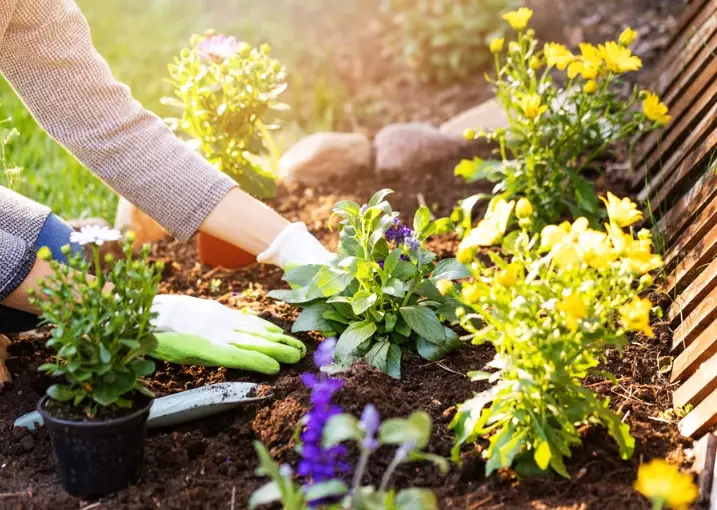
**Drip irrigation** is a sustainable gardener's secret weapon. It delivers water slowly and directly to the root zone, minimizing evaporation and runoff. Soaker hoses work on the same principle. Both are far more efficient than sprinklers, which can lose half their water to wind and evaporation.
**Timing matters.** Water early in the morning. This gives plants time to drink before the heat of the day and allows leaves to dry, preventing disease. Watering deeply and less frequently encourages roots to grow deeper, making plants more drought-tolerant.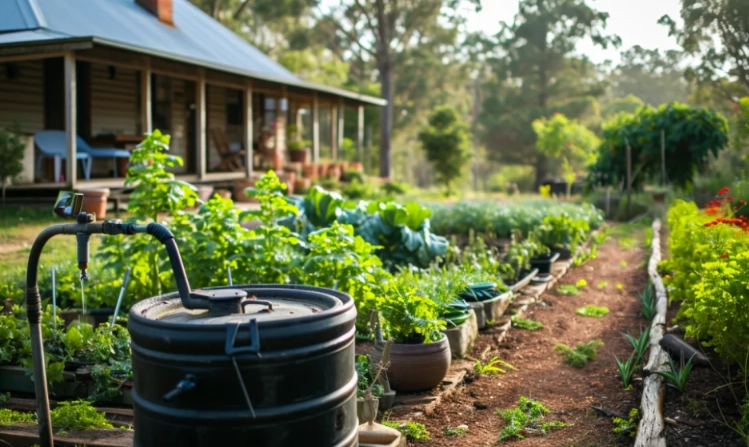
The Right Plant, Right Place: Choosing Sustainable Plants
This is where many enthusiastic beginners go wrong. They fall in love with a plant at the nursery without considering if it's suited for their specific conditions. A plant struggling in the wrong spot needs constant coddling—more water, more fertilizer, more pest control. That's the opposite of sustainable.
**Native plants** are the cornerstone. They've evolved over millennia to thrive in your local climate, soil, and with local wildlife. They typically need less water, no fertilizer, and support crucial pollinators like native bees and butterflies. Check with your local university extension office or native plant society for lists.
**Embrace perennials.** While vegetables are often annuals, focus on perennial herbs, flowers, and shrubs. Once established, they come back year after year, saving you money and reducing soil disturbance. Think rosemary, lavender, echinacea, and berry bushes.
**Practice companion planting.** This isn't just folklore. Planting certain species together can deter pests, attract beneficial insects, and improve growth. For example, planting basil near tomatoes is said to improve flavor and repel flies and mosquitoes. Marigolds can help deter nematodes in the soil.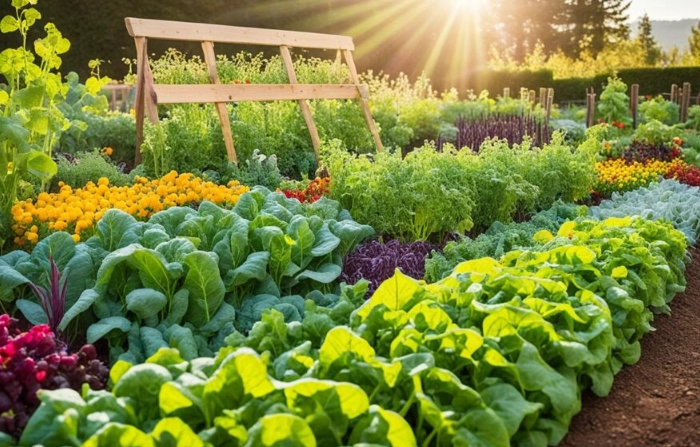
Managing Pests and Weeds the Sustainable Way
The goal isn't eradication. It's balance. A healthy garden ecosystem has predators and prey. The first question when you see a bug shouldn't be "What spray kills it?" but "What is it, and is it actually causing harm?"
**Encourage beneficial insects.** Plant flowers like yarrow, dill, fennel, and sunflowers to attract ladybugs, lacewings, and hoverflies—all voracious predators of aphids and other pests. A small insect hotel can provide nesting sites for solitary bees and other helpers.
**For weeds, prevention is key.** That thick layer of mulch is your first defense. For persistent weeds, hand-pulling is effective. Consider a **"stale seedbed"** technique: prepare your bed, water it, let the weed seeds germinate, then lightly hoe them off before you plant your desired seeds. It cuts weeding work later by half.
Vinegar-based herbicides? They're non-selective and can harm soil life. I use them sparingly, only on patio cracks, never in beds.
A Practical Case: Transforming a Suburban Plot
Let's make this concrete. Meet Amy, who had a 20' x 30' sunny backyard of struggling grass and a few foundation shrubs. She wanted a vegetable patch and more color but hated the thought of high maintenance.
Year 1, Spring: Instead of tilling, she used the sheet mulching method. She laid cardboard over the grass, soaked it, then piled on 6 inches of a mix of compost, shredded leaves, and grass clippings. She planted a few easy native perennials (black-eyed Susans, bee balm) and a small raised bed for tomatoes and herbs, mulching everything heavily with straw.
Year 1, Summer: She installed a single rain barrel and used soaker hoses in the veggie bed. She was surprised how little she needed to water the new perennial area. She let some of her herbs flower to attract bees.
Year 2: The sheet-mulched area had become beautiful, soft soil. She expanded her planting, adding a dwarf fruit tree and a pollinator-friendly flower strip. The diversity of plants brought more birds and ladybugs. Weeds were minimal.
Amy's total inputs now are her kitchen compost, an annual top-up of mulch, and time spent harvesting and observing, not constantly fighting her garden.
Your Sustainable Gardening Questions, Answered
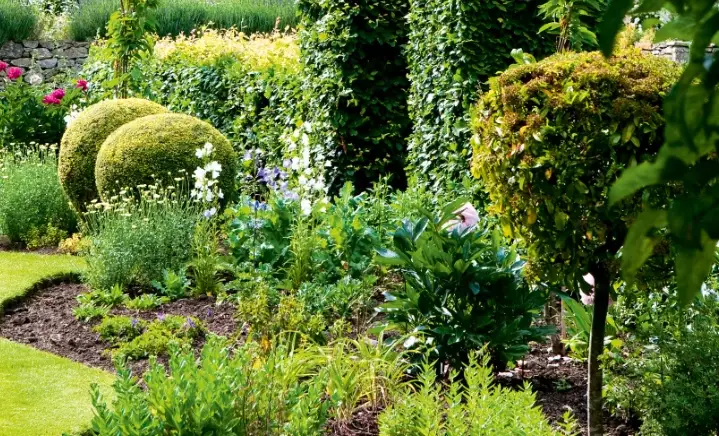
The shift to sustainable gardening is a mindset change. It's about moving from being a controller to a steward. You'll have failures—a plant that doesn't make it, a pest outbreak. See them as information, not disasters. Over time, you'll develop a deep, satisfying connection to the little ecosystem you're nurturing right outside your door. It's less work in the long run, and infinitely more rewarding.
Reader Comments