I remember the first year my kale was turned into Swiss cheese by flea beetles. I sprayed neem oil until I was blue in the face. It helped, maybe. But the beetles kept coming. Then I tried something different. I planted a few rows of arugula and mustard greens on the far side of the garden, weeks before my kale went in. The beetles swarmed those plants instead, leaving my kale almost untouched. That was my messy, hands-on introduction to trap cropping.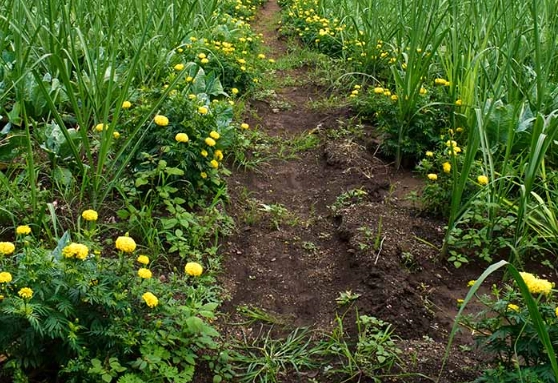
It felt less like gardening and more like tactical pest management.
What You'll Learn in This Guide
What Are Trap Crops and How Do They Actually Work?
Forget complex definitions. A trap crop is a sacrificial plant you grow to attract pests away from your more valuable crops. It's a form of companion planting with a very specific, defensive job.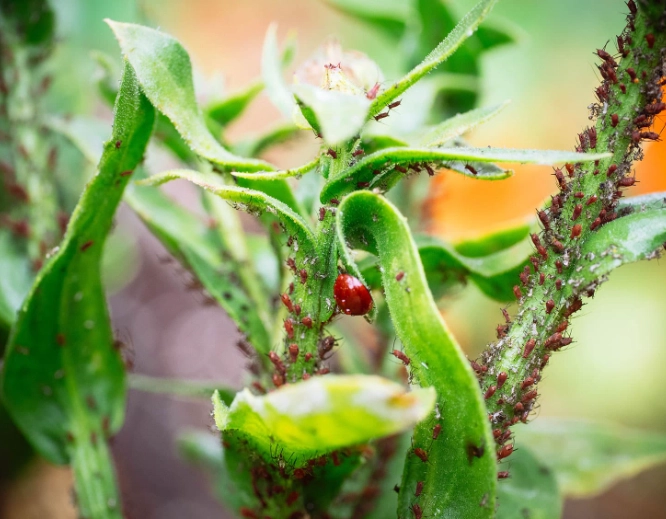
The logic is simple. Many pests have strong preferences. Colorado potato beetles love eggplant more than potato. Squash bugs are drawn to Blue Hubbard squash like magnets. By offering these pests their favorite meal in a designated area, they congregate there, leaving your main harvest relatively safe.
It’s not magic, and it’s not a force field. The trap crop doesn't repel pests. It’s more attractive. This is a critical distinction that changes how you set everything up.
The real beauty? It slashes your need for sprays, even organic ones. You focus your management efforts—whether that's hand-picking, spraying, or simply destroying—on a small, sacrificial area instead of your entire garden.
The Best Trap Crops for Common Garden Pests
Choosing the right plant is 80% of the battle. You need to match the trap crop to the specific pest plaguing your garden. A generic "good trap crop" doesn't exist.
Here’s a breakdown of workhorse trap crops, the pests they lure, and how to deploy them. I've found this more reliable than any generic list.
| Trap Crop | Pests It Attracts | Main Crop to Protect | Key Planting Note |
|---|---|---|---|
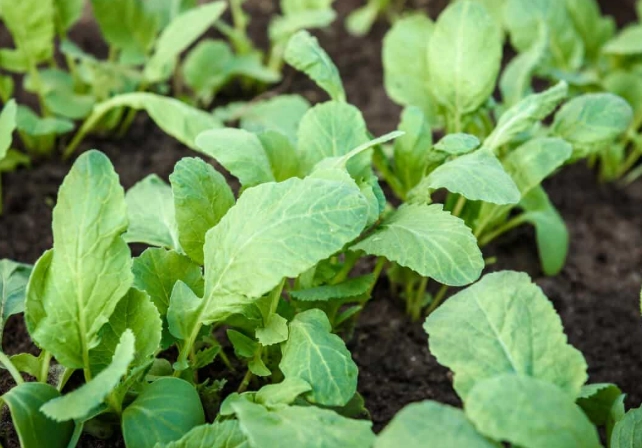
| Mustard Greens & Arugula | Flea beetles, aphids | Broccoli, kale, cabbage, bok choy | Plant 2-3 weeks earlier than brassicas. The hotter the variety, the better. |
| Sunflower (Dwarf Varieties) | Stink bugs, leaf-footed bugs | Tomatoes, peppers, beans | Plant as a perimeter border. Bugs sunbathe and feed on them. |
| Nasturtium | Aphids, cabbage white butterflies, squash bugs | Brassicas, fruit trees, cucumbers | Great as a low-growing perimeter. Also deters some pests from its scent. |
| Blue Hubbard Squash | Squash bugs, cucumber beetles | Zucchini, summer squash, cucumbers | The ultimate squash bug magnet. Plant at the garden's edge. |
| Radish (Daikon or Early) | Flea beetles, root maggots | Turnips, carrots, other root veg | Fast-growing. Can be interplanted or used as a early-season trap. |
| Cherry Belle Radish | Harlequin bugs | Cabbage, kale, collards | Acts as a "dead-end" trap—bugs can't reproduce well on it. |
My personal favorite combo? Dwarf sunflowers around the tomato patch. The stink bugs hang out on the sunflowers all day, making them easy to spot and dispatch. It’s satisfyingly efficient.
Planning and Planting Your Trap Crop Strategy
Throwing a few trap crop seeds in the ground and hoping isn't a strategy. It's a recipe for a pest highway straight to your dinner. You need a plan based on timing, location, and layout.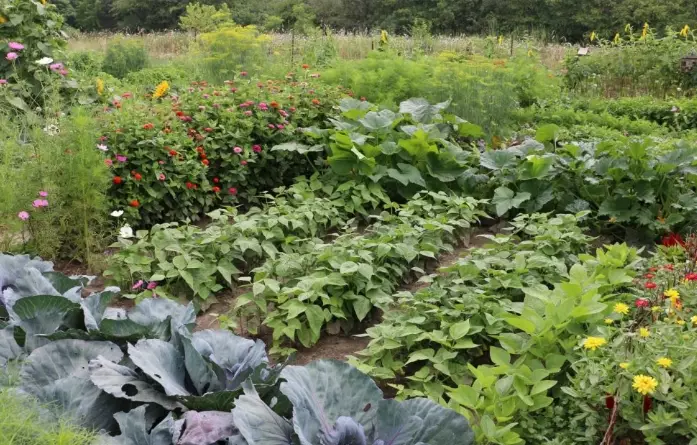
Timing is Everything: The Head Start Rule
This is non-negotiable. Your trap crop must be more attractive when pests arrive. That means it needs to be larger, lusher, and more established than your main crop.
For most situations, plant your trap crops 2 to 4 weeks before you transplant or direct seed your main crop. This gives them time to grow into a juicy target. For flea beetles on radishes or mustard, I sow them as soon as the soil can be worked in spring. By the time my tender kale seedlings go in, the beetles are already partying on the trap plants.
Location, Location, Location: Perimeter vs. Perimeter
Where you put them depends on how the pest moves.
Perimeter Planting: This is the most common and effective method for flying insects like stink bugs, cucumber beetles, and moths. You create a protective barrier or "sacrificial border" around your main crop plot. The pests encounter the trap crop first and (hopefully) stay there. Plant sunflowers, nasturtiums, or a row of Blue Hubbard squash around the edge.
Intercropping/Strip Planting: For less mobile pests like flea beetles or aphids, you can plant strips of trap crops within the main crop bed. A row of arugula between rows of broccoli, for example. The key here is density—make the trap crop strip dense and easy to find.
I made a mistake one year intercropping nasturtiums too sparsely among my squash. The squash bugs found them, then just walked a few inches over to my zucchini. Too convenient.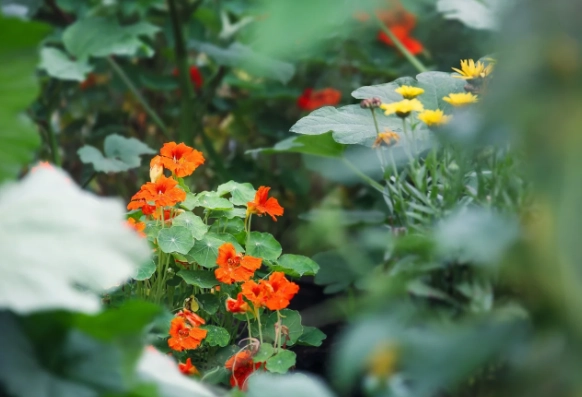
The Crucial Step: Managing Infested Trap Crops
Here’s the part most guides gloss over. What do you actually do when your trap crop is swarming with bugs? If you do nothing, you've just created a pest breeding ground and reservoir right next to your garden.
You have to manage the trap. This is the "work" in the trade-off.
Option 1: The Sacrificial Destruction. This is direct and effective. Once the trap crop is heavily infested and has done its job of concentrating the pests, you destroy it. Pull it up, bag it, and throw it in the trash (not the compost). For a strip of mustard covered in flea beetles, I might simply till it under. This kills the pests and removes the attractant.
Option 2: Targeted Spraying. This is where using organic insecticides makes the most sense. Spraying a pyrethrin or insecticidal soap solution on a small, defined trap crop area is efficient and minimizes environmental impact. You're containing the treatment.
Option 3: Physical Removal. For larger pests like squash bugs or Colorado potato beetles, you can go out daily and hand-pick them off the trap crop. Drop them into soapy water. Because they're all concentrated in one place, this is far less time-consuming than searching your entire garden.
The rule? Don't let the trap crop become a neglected pest hotel. Monitor it closely and have an action plan ready before you even plant the seed.
Common Trap Crop Mistakes (And How to Avoid Them)
I've made most of these. Learning the hard way is effective, but you can skip the frustration.
Mistake 1: Planting Too Close. This is the big one. If your Blue Hubbard squash is 2 feet from your zucchini, you've just expanded the buffet. Pests will move freely between them. Solution: Keep a buffer. Place perimeter trap crops at least 10-15 feet away from the main crop if possible. For intercropped traps, ensure the main crop isn't touching the trap crop.
Mistake 2: Ignoring Timing. Planting your trap crop at the same time as your main crop is useless. The pests will choose based on minor preferences, not overwhelming attraction. Solution: Mark your calendar. Schedule trap crop planting as its own, critical garden task weeks ahead.
Mistake 3: Letting Trap Crops Go to Seed. A flowering, senescing trap crop can stop being attractive or even start harboring different pests or diseases. Solution: Destroy or replace trap crops before they decline. Succession plant new trap crops if you have a long season.
Mistake 4: Using the Wrong Variety. Not all sunflowers are equal. Giant varieties can shade your garden. Some radishes bolt too quickly. Solution: Choose varieties suited to the role. Dwarf sunflowers, early and bolt-resistant radishes, and hot mustards are often your best bets.
It's not a set-and-forget system. It's an active management tool. When you get it right, the reduction in garden stress is incredible.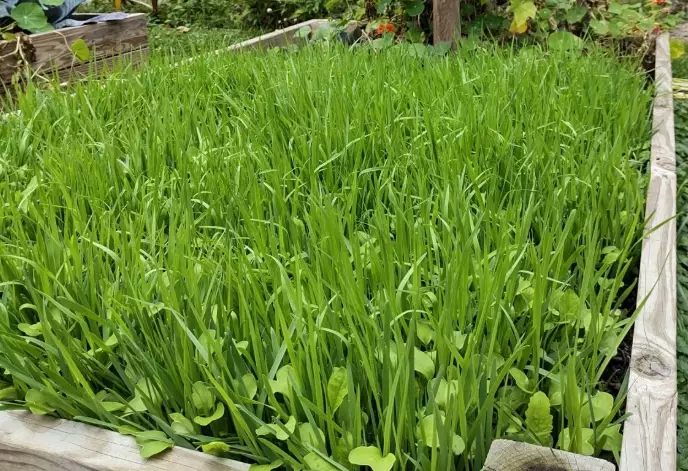
Your Trap Crop Questions Answered
What is the biggest mistake beginners make when planting trap crops?
Can I use the same trap crop plants year after year in the same spot?
How do I actually get rid of the pests once they're on the trap crop?
Are trap crops worth the extra space and effort in a small backyard garden?