You've seen them. Those tiny green aphids clustered on your rose buds, or the fine webbing of spider mites on your houseplants. Your first instinct might be to grab the strongest chemical spray you can find. Wait. There's a simpler, safer, and often more effective solution sitting in your pantry: insecticidal soap.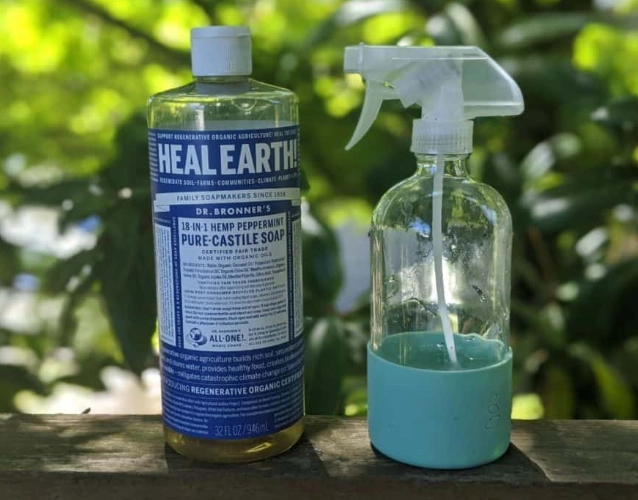
I've gardened for over a decade, and I've made every mistake in the book with this stuff. I've melted leaves with dish soap, washed away beneficial insects by spraying at noon, and wondered why the aphids were still laughing at me. Through trial and error (mostly error), I've learned that insecticidal soap isn't just "soapy water." It's a specific, powerful tool. When you understand how it works and, crucially, how to use it correctly, it becomes the most valuable thing in your organic pest control arsenal.
What's Inside This Guide
- How Insecticidal Soap Actually Kills Pests (The Science)
- The Only DIY Insecticidal Soap Recipe You'll Ever Need
- How to Use Insecticidal Soap Correctly: A Step-by-Step Method
- What Pests Does It Control? (And What It Won't Touch)
- The 3 Biggest Mistakes Everyone Makes
- Your Insecticidal Soap Questions, Answered
How Does Insecticidal Soap Work? It's Not What You Think
Forget poison. Insecticidal soap kills through physical action, not chemistry. The active ingredients are potassium salts of fatty acids. These are basically salts derived from natural oils (like coconut or olive oil).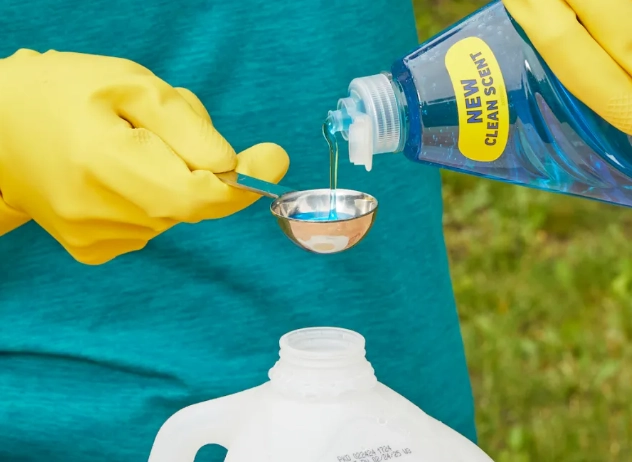
Here's the breakdown: The soapy solution breaks down the insect's protective waxy outer coating, called the cuticle. Once this waterproof layer is compromised, the pest rapidly loses water and essential fluids. Essentially, it dies from dehydration. This happens within minutes to hours.
Key Insight: Because it works physically, pests can't develop resistance to it like they can to repeated chemical insecticide use. That's a huge win for long-term garden management.
This mode of action is why it's so specific. It's most effective on soft-bodied pests with thin cuticles. Hard-shelled beetles, caterpillars with thick skins, and beneficial insects like ladybug larvae are less affected because the soap can't penetrate their armor as easily.
The Only DIY Insecticidal Soap Recipe You'll Ever Need
You can buy it, but making your own is cheap, easy, and lets you control the ingredients. The biggest pitfall? Using the wrong soap.
Critical Warning: Do not use standard dish soap (like Dawn), hand soap, or laundry detergent. These contain degreasers, fragrances, dyes, and antibacterial agents that will severely damage or kill your plants. I learned this the hard way with a scorched basil plant.
You need pure, liquid castile soap. Look for brands like Dr. Bronner's. The ingredient list should be short: water and saponified oils (coconut, olive, etc.). Nothing else.
The Proven Recipe
- 1 gallon (4 liters) of warm water – Warm water helps the soap mix better.
- 2.5 to 5 teaspoons (12-25 ml) of pure liquid castile soap – Start with 2.5 tsp for sensitive plants.
- 1 teaspoon (5 ml) of vegetable oil (optional) – Can help the solution stick to leaves longer. Use sparingly.
Mixing Instructions: Add the warm water to your sprayer first. Then add the soap and oil. Gently swirl or stir to combine. Do not shake vigorously, as this creates too many suds that can clog your sprayer.
Always mix a fresh batch for each use. The mixture can separate and loses effectiveness if stored.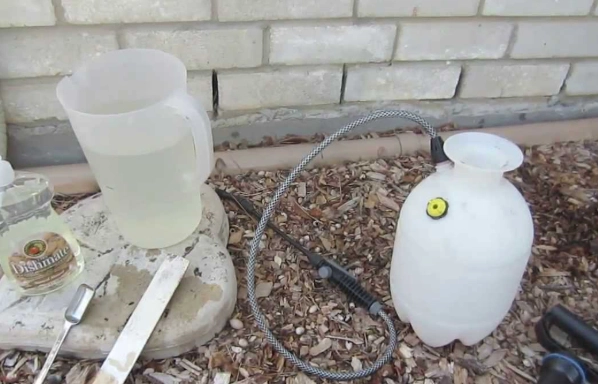
How to Use Insecticidal Soap Correctly: A Step-by-Step Method
Application is everything. A haphazard spray is a wasted effort.
- Test First. Pick an inconspicuous leaf or two, spray them, and wait 24-48 hours. Look for yellowing, browning, or wilting. Some plants are sensitive (e.g., ferns, succulents, some herbs).
- Time It Perfectly. Spray early in the morning or late in the evening. Never spray in full, hot sun. The water droplets can act like magnifying glasses and scorch the leaves. Cool, cloudy days are ideal.
- Drench the Enemy. This is the most crucial step. You must make direct contact with the pest. Spray the plant thoroughly, paying extreme attention to the undersides of leaves, where most pests live and lay eggs. Spray until the solution is dripping off the plant. A light mist won't work.
- Repeat Strategically. One spray rarely solves an infestation. Insecticidal soap doesn't affect eggs. You need to break the life cycle. Spray every 4-7 days for 2-3 weeks to catch newly hatched nymphs before they mature and reproduce.
- Rinse (Sometimes). For sensitive plants or edible crops you'll harvest soon, you can rinse the leaves with clean water 2-4 hours after application. This removes any residue but still gives the soap time to work.
What Pests Does It Control? (And What It Won't Touch)
Insecticidal soap has a clear hit list. It's brilliant for some pests and useless for others. Knowing the difference saves you time and frustration.
| Pests It's Highly Effective Against | Pests It Has Little Effect On | Notes & Tips |
|---|---|---|
| Aphids (all types) | Adult beetles (Japanese, Colorado potato) | Your #1 target. Coat those clusters. |
| Spider Mites | Caterpillars (tomato hornworm, cabbage looper) | Must hit the fine webbing directly. |
| Whiteflies | Slugs and snails | Spray the undersides where adults and nymphs sit. |
| Mealybugs | Ants | Use a cotton swab dipped in soap for heavy infestations. |
| Soft Scale (crawler stage) | Earthworms & beneficial soil life | Timing is key – target the tiny crawlers, not the hard adult shells. |
| Thrips (young) | Ladybugs, lacewings (adults) |
The 3 Biggest Mistakes Everyone Makes (Including Me)
Let's cut to the chase. Here's where most people, myself included at first, go wrong.
Mistake 1: Using the Wrong Soap. I've said it, but it bears repeating. Dish soap is for dishes. That "gentle on hands" formula is brutal on plant cells. Stick to pure castile soap.
Mistake 2: Poor Coverage. You sprayed the top of the leaf and called it a day. Aphids laugh from their hideout underneath. You must drench the plant, especially the undersides. Get a sprayer with a wand that lets you aim upward.
Mistake 3: Giving Up After One Spray. You killed the adults. The eggs you missed hatch three days later, and you think the soap "didn't work." It did. You just didn't follow up. Consistency over 2-3 weeks is non-negotiable for established infestations.
Your Insecticidal Soap Questions, Answered
Insecticidal soap isn't magic, but it's close. It's a targeted, safe, and resilient tool that puts control back in your hands. Start with the right soap, apply it with the thoroughness of a detective, and be patient. Your plants will thank you for ditching the harsh chemicals and solving their pest problems the smart way.