You've seen the tiny holes in your basil leaves, the sticky residue on your hibiscus, or that weird white fuzz on your squash vines. Your first instinct might be to grab a chemical spray, but something holds you back. Maybe it's the bees buzzing nearby, or the tomatoes you plan to eat. That's when you hear about neem oil for plants. It's touted as the holy grail of organic gardening. But does it work? Or is it just another greenwashed trend? Let's break it down.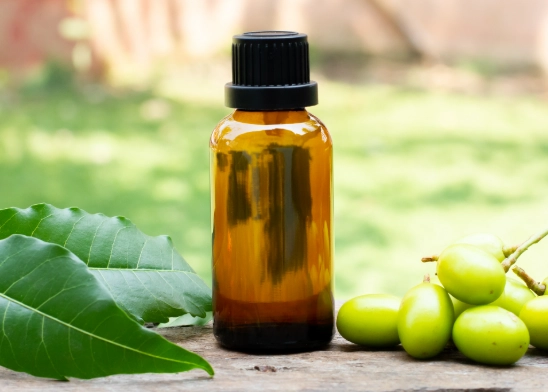
I've used neem oil for over a decade, from battling aphid invasions on my roses to rescuing a lemon tree from scale. I've also made every mistake in the book—burning leaves with a too-strong mix, spraying at the wrong time, you name it. This guide is about cutting through the hype and giving you the practical, usable knowledge to make neem oil work in your garden.
What's Inside This Guide
What Exactly is Neem Oil and How Does It Work?
Neem oil comes from pressing the seeds of the neem tree (Azadirachta indica). It's not a simple poison. Think of it as a multi-tool for plant health. Its primary active compound, azadirachtin, messes with insects on several levels.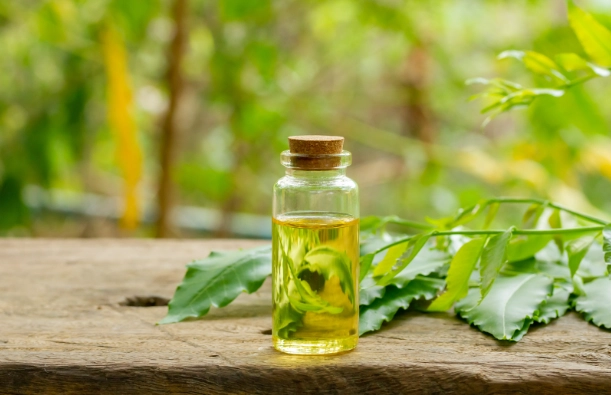
It acts as an antifeedant (bugs taste it and stop eating), a growth regulator (it disrupts their molting hormones so they never mature), and in high enough concentrations, it can suffocate soft-bodied pests by coating them. For fungi like powdery mildew, it seems to interfere with spore germination and spread.
Key Takeaway: Neem oil is a preventative and mild curative treatment. It's fantastic for managing populations before they explode. It's not a instant "nuke" for a severe, established infestation. For that, you might need to combine it with other methods, like a strong blast of water or hand-picking.
What You're Really Buying: Cold-Pressed vs. Clarified Hydrophobic
This is a nuance most guides miss. Cold-pressed neem oil is the raw, unprocessed stuff. It contains the full spectrum of compounds, including azadirachtin. It's the most effective but also has a stronger smell (like garlic and peanuts) and can clog sprayers more easily.
Many commercial sprays, especially ready-to-use ones, use clarified hydrophobic neem oil. This has had most of the azadirachtin removed. It works primarily as a suffocant and is better for fungal issues. If your goal is insect control, seek out cold-pressed oil. Check the label.
Your Step-by-Step Guide to Using Neem Oil on Plants
Success with neem oil is 90% about the process. Skip a step, and you'll wonder why it's not working.
1. The Gear Up. You need a garden sprayer (a 1-gallon pump sprayer is perfect), cold-pressed neem oil, a pure castile soap or insecticidal soap (as an emulsifier—don't use dish detergent, the degreasers can harm plants), and warm water.
2. The Test Patch. Always, always test on a small, inconspicuous part of the plant first. Wait 24-48 hours. Some plants are sensitive (like certain ferns, orchids, or plants with fuzzy leaves).
3. Timing is Everything. Spray early in the morning or late in the evening. Why? You avoid the hot sun, which can cause leaf burn when oil droplets magnify light. More importantly, you avoid harming beneficial insects like bees and ladybugs, which aren't active then.
4. The Art of Spraying. This is the most common failure point. You must drench the plant, especially the undersides of every leaf. That's where pests live and lay eggs. A light mist on the top does nothing. Spray until the solution is dripping off the leaves. Get into every nook and cranny.
5. The Follow-Up. Neem oil breaks down in sunlight and washes off. For an active problem, reapply every 5 to 7 days for at least 3-4 applications. This breaks the pest life cycle. For prevention, a spray every 2-3 weeks is sufficient.
Getting the Mix Right: Neem Oil Ratios for Every Job
The "standard" recipe is a starting point, not a rule. Here’s a more detailed breakdown.

| Purpose | Neem Oil | Emulsifier (Soap) | Water (1 Gallon) | Notes |
|---|---|---|---|---|
| General Prevention / Light Pest | 1 tsp (5ml) | 1/2 tsp (2.5ml) | 1 Gallon | The go-to for routine maintenance. |
| Active Infestation (Aphids, Mites) | 2 tsp (10ml) | 1 tsp (5ml) | 1 Gallon | Maximum recommended strength. Do a test patch first. |
| Fungal Issues (Powdery Mildew) | 1 Tbsp (15ml) | 1 tsp (5ml) | 1 Gallon | Higher oil concentration helps coat leaves. Apply at first sign. |
| Soil Drench for Fungus Gnats | 2 tsp (10ml) | 1 tsp (5ml) | 1 Gallon | Drench the soil surface, not the entire root ball. |
Mixing Pro-Tip: Never just dump oil into water. It will float. Mix the neem oil and emulsifying soap in a small cup of warm water first. Stir vigorously until it's a milky, uniform liquid. Then pour this concentrate into your sprayer filled with the rest of the water. Shake the sprayer well before and during use.
Store It Right: Mix only what you'll use in the same day. The mixture breaks down and loses potency. Store pure neem oil in a cool, dark place. It can solidify—just sit the bottle in warm water to liquefy it before use.
Tackling Specific Garden Problems with Neem Oil
Aphids, Whiteflies, and Mealybugs
These soft-bodied suckers are neem oil's prime targets. The key is underside coverage. They cluster there. A strong weekly spray will smother adults and disrupt the nymphs. You'll see results in a week, but stay consistent.
Spider Mites
Mites are tough. They reproduce incredibly fast. Neem can work, but you must be aggressive. Spray every 4-5 days for three weeks. Increase humidity around the plant if possible (mites hate moisture). For severe cases, consider alternating neem with another organic miticide like rosemary oil.
Powdery Mildew on Squash and Roses
At the first sign of white spots, start spraying. Coat both sides of all leaves. Neem won't "cure" already damaged tissue, but it prevents the spread to new growth. It works best as a protectant, so consider spraying susceptible plants (like your zucchini) every 10-14 days before mildew appears.
Scale Insects
The hard-shelled adults are armored against sprays. Neem works on the tiny, mobile "crawler" stage. Time your spraying for when crawlers are active (often late spring/early summer). You can also add a step: gently scrub visible scale off with a soft toothbrush dipped in your neem solution before spraying.
Common Neem Oil Mistakes (And How to Avoid Them)
I learned these the hard way so you don't have to.
Mistake 1: Spraying in Direct Sunlight. This causes phytotoxicity—brown, scorched spots on leaves. It looks like disease but is burn damage. Early morning is ideal.
Mistake 2: Using the Wrong Emulsifier. Dawn dish soap is not a safe insecticidal soap. It contains surfactants and degreasers meant for plates, not plant cells. They can strip protective coatings from leaves. Use pure castile soap or a commercial insecticidal soap.
Mistake 3: Giving Up After One Spray. Neem oil is not instant. You're disrupting a life cycle. If you spray once and see a few bugs the next day and quit, you've wasted your time. Commit to the 3-4 spray schedule.
Mistake 4: Ignoring the Undersides. Say it with me: The undersides are where the action is. Turn leaves over. Get the sprayer nozzle underneath. This is the single biggest factor in success or failure.
Your Neem Oil Questions, Answered
Neem oil isn't a magic bullet, but it's one of the most versatile tools in the organic gardener's kit. It asks for a bit more patience and attention to detail than a synthetic chemical. But the payoff—a thriving garden that's safe for your family, your pets, and the ecosystem—is more than worth the extra effort. Start with a test, mix it fresh, drench those undersides, and be consistent. Your plants will thank you.