Let's talk about grubs. You know, those fat, C-shaped larvae that turn your lush lawn into a patchwork of dead, spongy turf. Or maybe it's the fungus gnats staging a rebellion in your houseplant collection. For years, my answer was a sigh and a trip to the garden center for a chemical solution that made me feel uneasy. Then I discovered beneficial nematodes. These microscopic worms aren't just an alternative; for many pests, they're the superior option. They work 24/7, can't develop resistance, and leave no toxic residue. But here's the thing most articles gloss over: they're not a magic bullet you just sprinkle around. Using them effectively is a bit of a craft.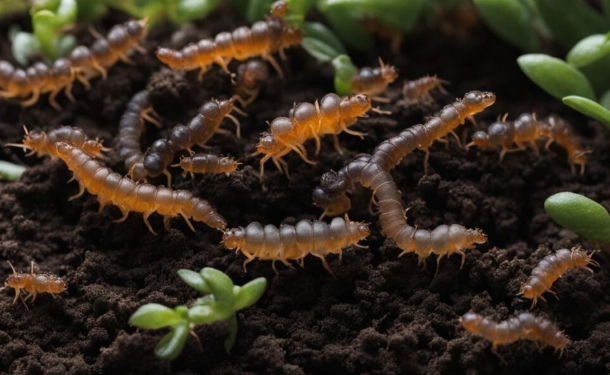
What's Inside This Guide
What Are Beneficial Nematodes, Really?
Forget the image of a garden worm. Beneficial nematodes are nearly invisible, thread-like roundworms that live in soil. The species we use for pest control, primarily Steinernema and Heterorhabditis, are parasitic to insects. Their lifecycle is like a nature documentary thriller. They hunt for pest larvae in the soil film, enter through natural body openings, and release symbiotic bacteria that kills the host within 24-48 hours. The nematodes then feed and reproduce inside the carcass, releasing a new generation of hunters back into the soil.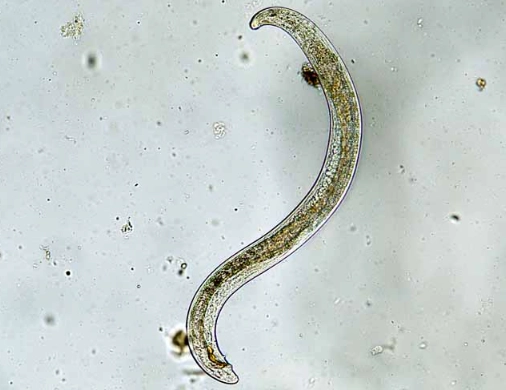
Key Takeaway: They are not harmful to earthworms, plants, pets, or humans. Their host range is specific to soil-dwelling insect pests. The University of California's Statewide Integrated Pest Management Program notes their safety and specificity as a cornerstone of biological control.
I remember my first batch. I mixed them in a watering can, feeling a bit silly watering what looked like plain water onto my grub-infested lawn. Two weeks later, digging up a test patch, I found the grubs—not dead and shriveled, but a weird, reddish-brown color. That was the telltale sign. The nematodes had done their work.
Playing Pest Matchmaker: Which Nematode for Which Bug?
This is where people get tripped up. You can't just buy "beneficial nematodes." You need the right species for your specific problem. Using Steinernema carpocapsae for white grubs is like sending a navy seal to fight in a desert—it's the wrong tool for the environment.
| Nematode Species | Best For Targeting | Key Notes & Hunting Style |
|---|---|---|
| Heterorhabditis bacteriophora (Hb) | White grubs (Japanese, June, Masked Chafer beetles), Black vine weevil larvae, Borers. | The grub specialist. Cruises deep in the soil profile. The one you want for lawn grub control. |
| Steinernema feltiae (Sf) | Fungus gnats, Thrips (pupal stage), Root weevils. | Loves moist, organic media. The go-to for greenhouse and houseplant fungus gnat issues. |
| Steinernema carpocapsae (Sc) | Armyworms, Cutworms, Sod webworms, Flea larvae (in soil). | A "sit-and-wait" ambusher near the surface. Good for caterpillar pests in lawns. |
| Steinernema riobrave (Sr) | Citrus root weevil, Mole crickets, Some grub species. | Tolerant of warmer soils and penetrates well. Often used in southern regions. |
Many reputable suppliers now sell mixed species packs (often Hb + Sf) for broad-spectrum control, which is a great starting point for general garden defense.
Finding the Good Stuff: Where to Buy Quality Nematodes
You can't grab these off a dusty shelf at a big-box store. They are living organisms with a shelf life. Look for reputable online biological control suppliers or specialized garden centers. Brands like Arbico Organics, Nature's Good Guys, or BioLogic Company are established in the space.
When you buy, they'll arrive in a sponge, gel, or powder suspended in a vial. They need to be refrigerated and used quickly—usually within a few weeks. Check the expiration date. If you're looking for beneficial nematodes for sale, prioritize suppliers who provide clear species information and storage instructions.
The Make-or-Break Moment: A Step-by-Step Application Guide
Here’s my field-tested method for how to apply beneficial nematodes correctly. Skipping a step can waste your money.
1. Preparation is Everything
Water the target area thoroughly the day before. The soil must be moist. Nematodes move in the water film between soil particles. Dry soil is a death sentence. Mow the lawn if needed, but do it before, not after.
2. The Mixing Ritual
Use a bucket, not a sprayer with a fine filter. Let your tap water sit out overnight to dechlorinate, or use rainwater. Chlorine kills them. Add the nematode concentrate to a small amount of water, stir to create a slurry, then dilute to the final volume. Stir gently but consistently.
3. Application Time
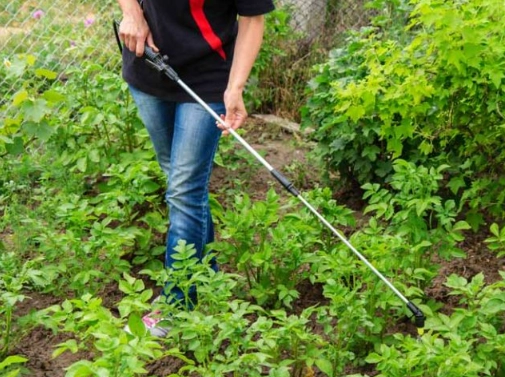
Apply in the early morning or late evening. UV light from the sun is harmful. Use a watering can with a coarse rose, a hose-end sprayer (with filter removed), or a backpack sprayer with the largest nozzle opening. Apply evenly over the soil, not the foliage. For lawns, focus on problem areas.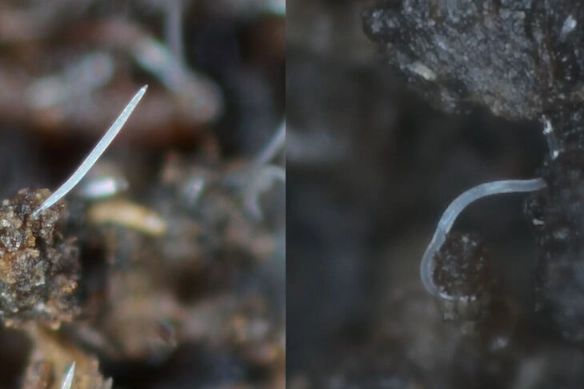
4. The Critical Follow-Up
Immediately after applying, give the area another gentle watering (about 1/4 inch) to wash the nematodes off the grass blades and into the soil. Keep the soil consistently moist, not soggy, for the next 7-14 days. This is non-negotiable.
Expert Slip-Up: The most common failure point I see is applying nematodes to a dry lawn, then watering lightly. The top inch gets wet, but the nematodes get stranded and die as the sun hits them. Pre-watering is the step most people skip, and it's the most important.
The 3 Mistakes That Make Nematodes Fail (And How to Avoid Them)
After a decade of using these, I've seen the same patterns.
- Mistake 1: Wrong Water. Chlorinated tap water is a silent killer. Always dechlorinate.
- Mistake 2: Wrong Conditions. Applying to hot, dry, or sunny soil. Target cool, moist, overcast periods.
- Mistake 3: Wrong Expectations. You won't see dead bugs on the surface. The pest dies underground. Be patient. It can take 1-2 weeks to see population decline, and a second application 7-10 days later often improves results.
Think of them as establishing a population, not applying a poison.
Your Questions, Answered
Switching to beneficial nematodes changed my approach to gardening. It's less about reacting to pests with a chemical knockout punch and more about managing the soil ecosystem. It requires a bit more attention to detail—the water, the timing, the species. But the payoff is a garden that feels more balanced, and the satisfaction of solving a problem with biology, not chemistry. Give it a shot. Just remember to water first.