You've probably seen them—those charming, rustic wooden towers stuffed with pine cones and bamboo, pinned to a fence or garden wall. An insect hotel looks like a fun weekend project, and it is. But if you think it's just a decorative bug condo, you're missing the real point. A properly built DIY insect hotel is a targeted conservation tool, a frontline defense for your garden's health, and a fascinating window into a hidden world.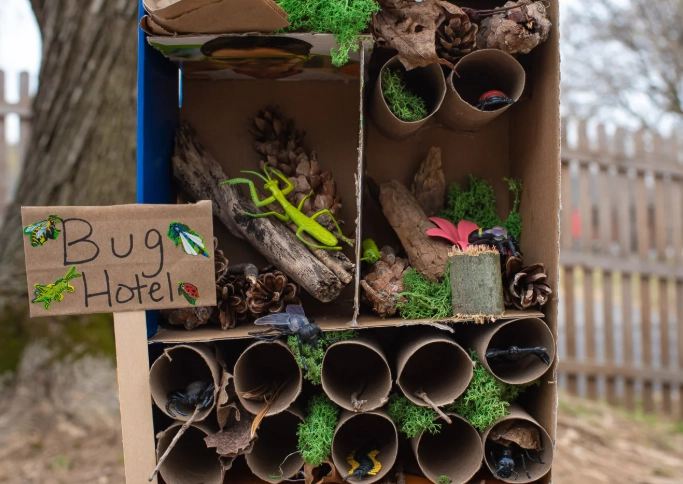
I built my first one a decade ago, following a popular online picture. It looked great. Nothing moved in. It was a failure, a decorative piece that did zero for local pollinators or pest controllers. That experience taught me that success isn't about aesthetics; it's about understanding who you're building for and what they actually need. This guide is about building a bug hotel that works.
Your Quick Build Guide
Benefits of Building an Insect Hotel
Let's be honest. We're not doing this just for the insects. We're doing it for our gardens, our food, and our local ecosystem. The payoff is direct.
Boost Pollination. Forget just honeybees. Your primary guests will be solitary bees—mason bees and leafcutter bees. According to the Xerces Society for Invertebrate Conservation, a single female red mason bee can do the pollination work of over 100 honeybees. They're non-aggressive, phenomenal pollinators for fruit trees and early spring blooms.
Natural Pest Control. This is the unsung hero benefit. Lacewings, ladybugs (ladybirds), and solitary wasps are voracious predators of aphids, caterpillars, mites, and other garden pests. A hotel gives them a safe place to overwinter or lay eggs, stationing your own pest patrol right in the vegetable patch.
Support Biodiversity. Modern gardens and tidy landscapes have stripped away the natural nooks—dead wood, hollow stems, piles of leaves—that many beneficial insects call home. A DIY insect hotel replaces some of that lost habitat, supporting species that struggle in overly manicured environments.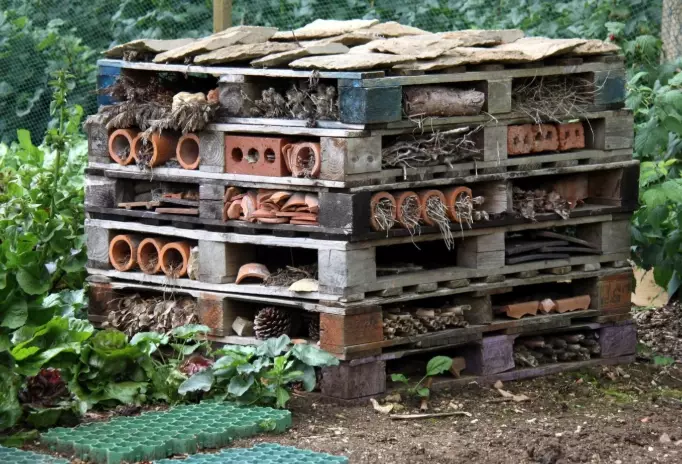
Who Checks In? Think of your hotel as having different suites:
Solitary Bees (Mason, Leafcutter): Need tubes (bamboo, reeds) or holes drilled in wood.
Ladybugs & Lacewings: Love dry leaves, straw, or corrugated cardboard packed into enclosed spaces.
Solitary Wasps (the good kind!): Use mud or paralyze pests to stock nests in small tubes.
Other Guests: Spiders, beetles, and more might use the sheltered crevices.
How to Build a DIY Insect Hotel: Step-by-Step
Here’s the practical blueprint. We'll focus on a classic, medium-sized wall-mounted hotel that caters to multiple species. The key is modular compartments.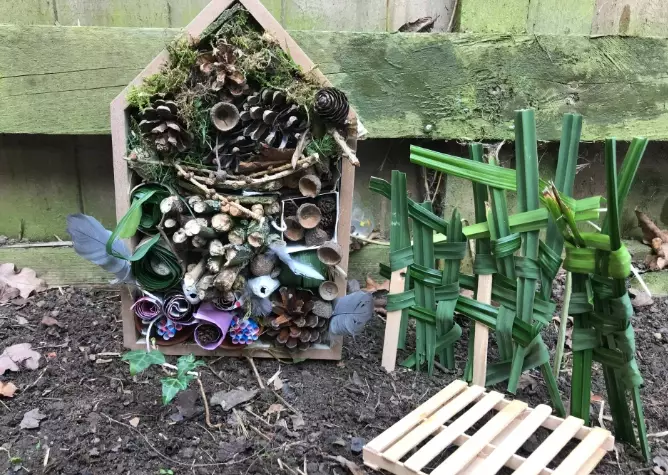
1. Gather Your Materials & Tools
For the Frame:
- Untreated, rough-sawn timber (like pine or cedar): Two side panels (approx. 30cm x 40cm), a back panel (30cm x 40cm), a top and bottom (30cm x 20cm), and a roof overhang piece.
- Exterior-grade wood screws (5cm).
- Two sturdy wall mounting brackets.
For the "Furniture" (Filler Materials):
- Bamboo canes of varying diameters (2mm to 10mm). This is your top-tier bee real estate.
- A short hardwood log (oak, beech) for drilling holes.
- Pine cones, lots of them.
- Dry hollow stems (like old raspberry or elderberry canes).
- Straw or dry grass.
- Corrugated cardboard rolled into tight tubes.
- Terracotta pot shards or broken bricks for a loose, dry base.
Tools You'll Need:
- Drill with assorted bits (including a 2-10mm set for bee holes).
- Saw (hand saw or electric).
- Screwdriver or impact driver.
- Sandpaper (to smooth rough holes).
- Staple gun or thin wire (for bundling materials).
2. Construct the Main Frame
Build a simple open-fronted box. Screw the two side panels to the back panel. Then attach the top and bottom pieces. It doesn't need to be airtight—insects need ventilation. The crucial step here is to attach a sloping roof that overhangs the front by at least 10cm. This keeps rain from soaking the interior, which is the number one killer of insect hotels. I use a separate piece of timber or even a reclaimed roof slate for this.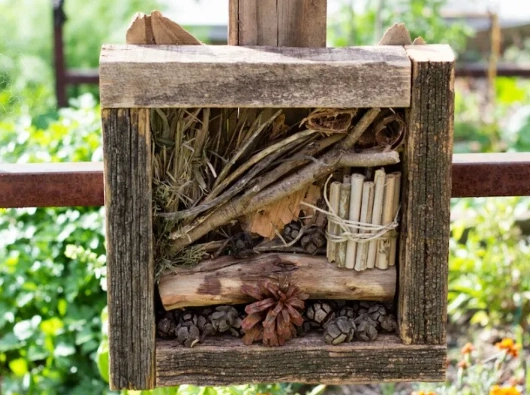
3. Prepare the Filler Compartments
This is where most pre-made hotels fail. They just jam materials in. You need to create secure, removable bundles.
For Bamboo/Stem Bundles: Cut bamboo canes and hollow stems so the back end is closed at a node. This creates a sealed tube. Bundle 10-15 similar-diameter tubes together with wire or staple them into a small wooden frame. This bundle should slide snugly into a compartment of your main box.
For the Drilled Log: Take your hardwood log (15-20cm diameter). Drill holes 5-10cm deep, using drill bits from 2mm up to 10mm. Space the holes at least 2cm apart. Critical step: Sand the entrance of each hole thoroughly to remove splinters that can tear insect wings. Do not drill through the back of the log.
For Pine Cones & Straw: Loosely pack these into sections framed with scrap wood or wire mesh to hold them in place. Some people bake pine cones in a low oven for an hour to kill any mites or mold spores—it's a good practice.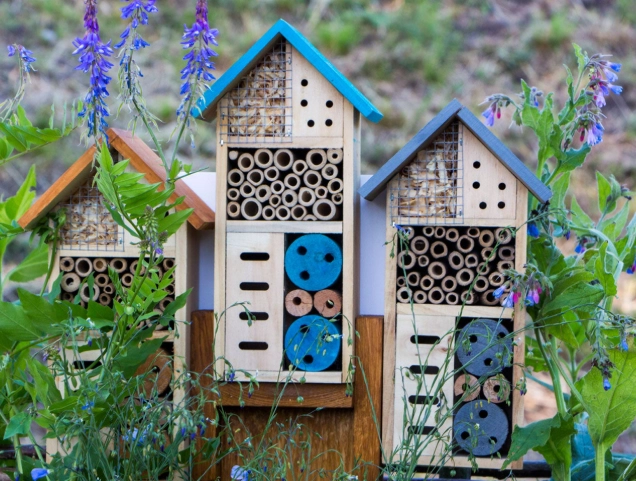
4. Assemble, Mount, and Maintain
Place the heaviest materials (bricks, log) at the bottom for stability. Stack your prepared compartments tightly into the frame, filling all gaps. You can use chicken wire over the front to keep everything secure from birds, but ensure the mesh is wide enough (>1cm) for insects to pass through.
Mount the hotel on a sunny wall or sturdy post, at least 1 meter off the ground. It must face south or southeast to catch the morning sun. Ensure it's absolutely stable; wobbling in the wind will deter tenants.
Maintenance is simple but specific. Don't disturb it in winter or early spring when it's occupied. In late autumn, you can gently clean out loose materials like straw, but leave the bamboo bundles and drilled logs completely alone for at least two years, as they contain developing insects.
| Material | Target Guests | Key Preparation Tip |
|---|---|---|
| Bamboo Canes | Solitary Bees | Cut at a node to seal the back. Vary diameters 2-10mm. |
| Drilled Hardwood Log | Solitary Bees, Wasps | Holes 5-10cm deep. Sand entrances smooth. Never use treated wood. |
| Pine Cones & Straw | Ladybugs, Lacewings | Keep dry. Consider a low oven bake to sanitize. |
| Corrugated Cardboard | Lacewings | Roll tightly, secure with rubber band. Replace every 1-2 years. |
| Terracotta/Bricks | Beetles, Spiders | Place at base for drainage and cool, dark crevices. |
Common DIY Insect Hotel Mistakes to Avoid
I've made these, or I've seen them render hundreds of hours of work useless.
Using the Wrong Wood. Pressure-treated lumber, plywood, and old pallets are often full of arsenic, copper, or other chemicals lethal to insects. If you wouldn't use it for a vegetable planter, don't use it for a bug hotel. Stick to natural, untreated timber.
Poor Weather Protection. A flat roof or no overhang lets rain soak the interior. A damp hotel grows mold and kills overwintering insects. That 10cm sloped overhang is non-negotiable.
Wrong Location. Shade, high foot traffic, or a wobbly mount equals zero occupancy. Insects need sun, peace, and stability. A south-facing, solid wall in a quiet part of the garden is perfect.
Forgetting the "Back Wall". This is the subtle error. When you bundle bamboo or drill holes, the chamber must have a sealed back. An open tube is useless. Always cut bamboo at a node, and never drill all the way through a log.
Avoid the "All-in-One" Trap: Many cute, small hotels sold in stores mix pine cones, bamboo, and straw in one tiny compartment. This looks pretty but is functionally terrible. Different materials have different moisture and space needs. Compacting them together creates a damp, moldy mess. Design with separate, distinct compartments.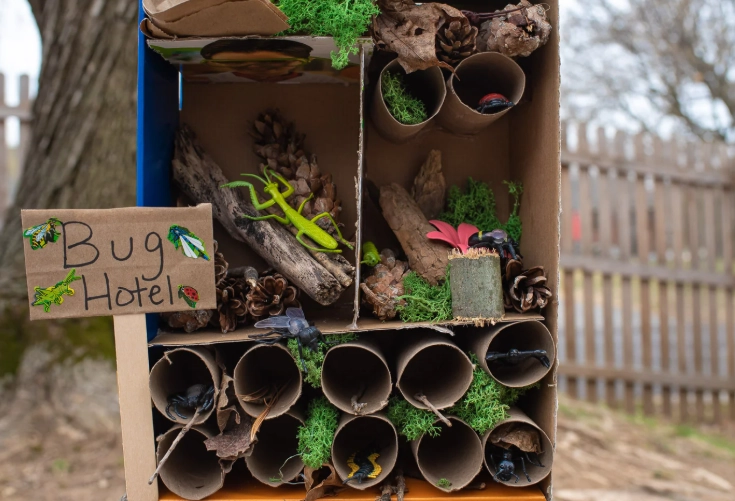
Your Insect Hotel Questions Answered
Building a DIY insect hotel that actually works is incredibly satisfying. You move from just building a garden ornament to creating a functional piece of ecological infrastructure. You start noticing the small things—a leafcutter bee snipping a perfect circle from your rose bush, a mason bee zipping in and out of a bamboo tube with a load of mud. That connection is the real reward. Grab some untreated wood, gather some natural materials, and give it a go. Just remember: think like a bug. Provide shelter, sun, and safety, and your guests will surely check in.