You see a few bees buzzing around your garden and think, "Great, job done." But here's the thing I learned the hard way: attracting a couple of casual visitors is different from creating a genuine, thriving bee habitat. It's not just about tossing some lavender seeds and hoping for the best. After years of trial, error, and a lot of observation, I've realized most advice misses the crucial details that make bees stick around. This guide cuts through the generic lists and gets into the *how* and *why*—the specific plant choices, the layout mistakes everyone makes, and the simple shifts that turn your space into a pollinator powerhouse.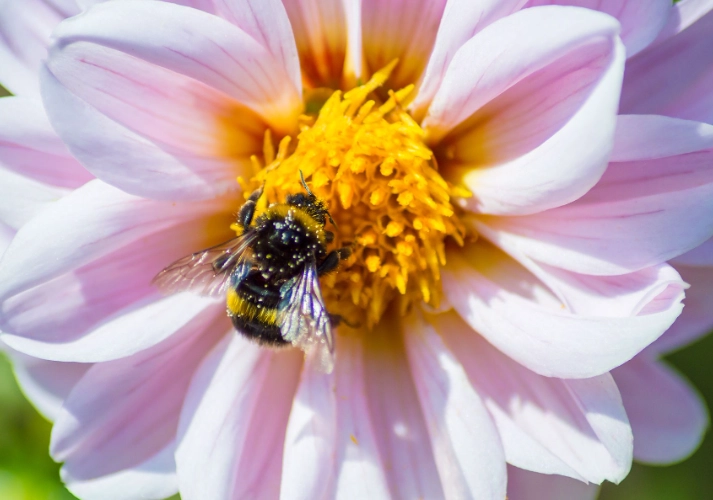
What You'll Find in This Guide
Why Attracting Bees is About More Than Honey
Let's be clear. We're not just talking about honeybees here. Most of the heavy lifting in your garden is done by native bees—over 4,000 species in North America alone, like bumblebees, mason bees, and sweat bees. They're often more efficient pollinators than honeybees, especially for crops like tomatoes and blueberries.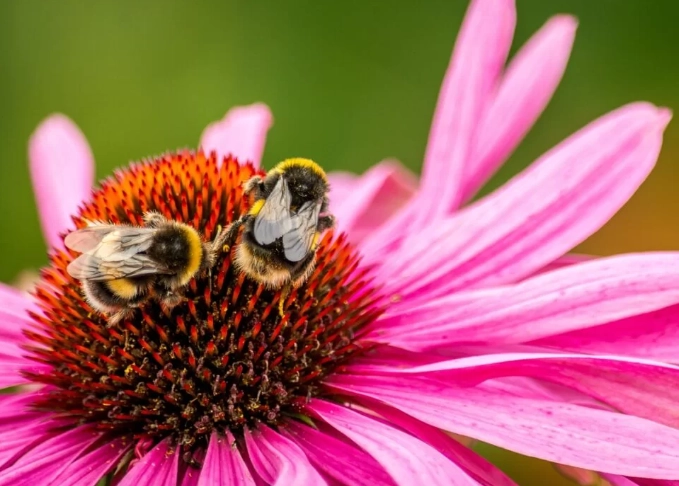
The problem is habitat loss. Lawns, pavement, and tidy, flowerless landscapes offer nothing for them to eat. Research from institutions like the Xerces Society for Invertebrate Conservation shows that providing floral resources is one of the most direct actions we can take. When you plant the right flowers, you're not just decorating. You're providing vital fuel for insects that pollinate roughly one-third of our food supply. It's a direct ecological contribution.
And honestly, it's pure magic to watch. The buzz becomes the soundtrack of your summer.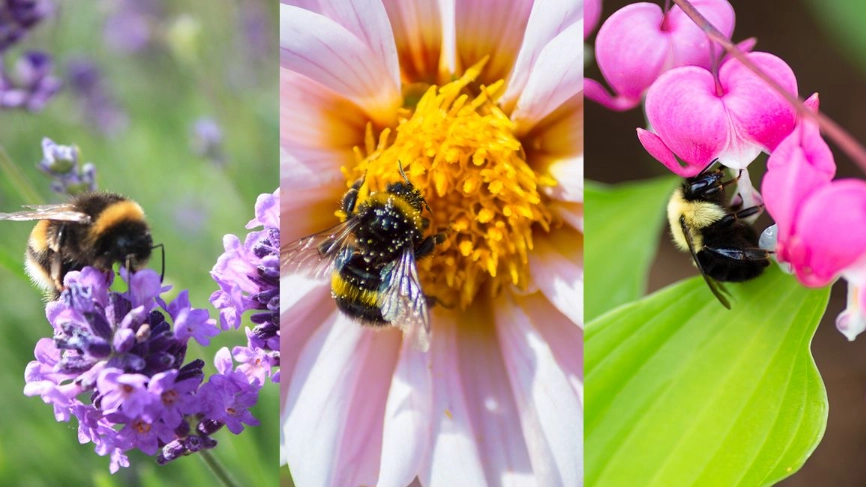
The Best Flowers for Bees: A Curated Selection
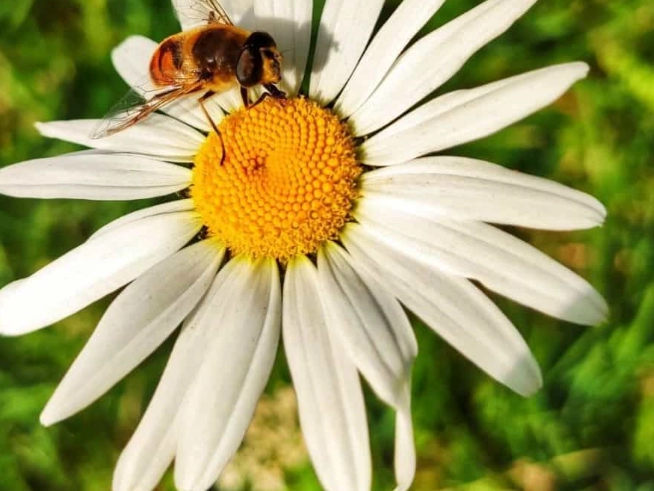
Forget vague categories. Bees have preferences, and they're not shy about showing them. The golden rule? Simple flowers are better than complex ones. Double-petaled, frilly hybrids might look pretty to us, but they often hide or even replace the nectar and pollen glands. Bees want an easy landing pad and a clear path to the food.
Here’s a breakdown of my top performers, based on years of watching which plants get mobbed first.
Native Powerhouses (The Non-Negotiables)
If you do nothing else, plant natives. They've evolved alongside local bee species, so their bloom times, nectar chemistry, and shapes are a perfect match. Your local university extension service (like those run by land-grant universities) will have perfect lists for your area.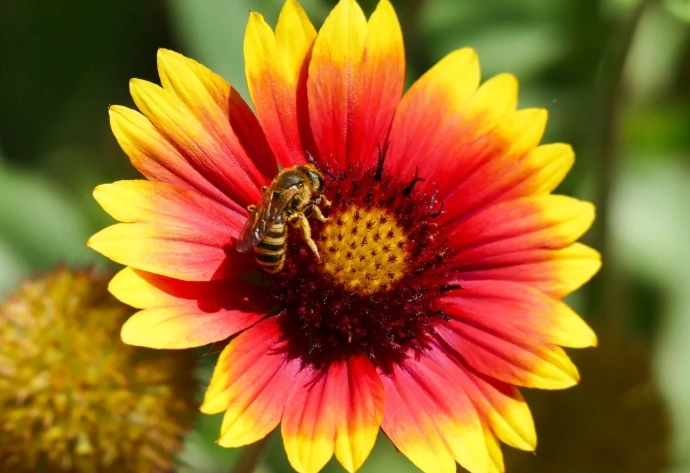
| Flower | Key Feature for Bees | Bloom Time | Note |
|---|---|---|---|
| Purple Coneflower (Echinacea purpurea) | Large, daisy-like center packed with pollen. A true landing pad. | Mid-Summer to Fall | Leave the seed heads in fall for goldfinches. |
| Bee Balm (Monarda) | Tubular flowers perfect for long-tongued bees like bumblebees. Intensely fragrant. | Summer | Can get powdery mildew; plant in good air circulation. |
| Goldenrod (Solidago) | Critical late-season nectar source. Ignore the hayfever myth (that's ragweed). | Late Summer to Fall | Supports a huge diversity of insect life. |
| Joe-Pye Weed (Eutrochium) | Massive, fluffy pink flower clusters that act as a bee magnet station. | Late Summer | Great for the back of a border; can get tall. |
Annuals & Herbs for Instant Impact
These are your fast-food joints for bees—quick to bloom and reliably packed with rewards. Perfect for filling gaps or container gardens.
- Borage: The undisputed champion in my garden. Its star-shaped blue flowers refill with nectar every two minutes. Bees are on them from dawn to dusk. It's also a great companion plant.
- Sunflowers (Single-Petal Varieties): Go for the classic, open-faced types. The center is a giant pollen buffet. "Lemon Queen" and "Moulin Rouge" are fantastic.
- Herbs (Let Them Flower!): This is a huge one people miss. Don't harvest all your herbs. Let some basil, oregano, thyme, mint, and sage go to flower. Bees adore them. My flowering thyme patch hums louder than any other spot.
How to Design a Bee Garden That Actually Works
Plant selection is half the battle. The other half is arrangement. A bee's-eye view is different from ours.
1. Think in Seasons, Not Just Summer
Bees are active from early spring (when queen bumblebees emerge hungry) to late fall. Your garden needs to provide a continuous buffet.
Early Spring: Crocus, Willow shrubs, Lungwort (Pulmonaria), Fruit tree blossoms.
Late Fall: Asters, Sedum 'Autumn Joy', that Goldenrod we talked about.
I made the mistake of having a summer-only garden for years. The spring and fall bees simply went elsewhere. Now, I prioritize those shoulder-season blooms.
2. Location and Shelter
Bees prefer sunny, sheltered spots. Wind makes flying and landing difficult. Place your bee garden where it gets at least 6 hours of sun, protected by a fence, wall, or shrubs. Also, leave some bare, undisturbed ground in a sunny spot. About 70% of native bees are ground-nesters. A perfectly mulched garden offers them nowhere to live.
3. Ditch the Pesticides. Completely.
This isn't negotiable. Even "organic" pesticides like pyrethrin can harm bees. Embrace a bit of insect damage—it's a sign of a healthy ecosystem. If you must buy plants, ask the nursery if they use systemic neonicotinoids. These chemicals persist in the plant and can poison pollen and nectar.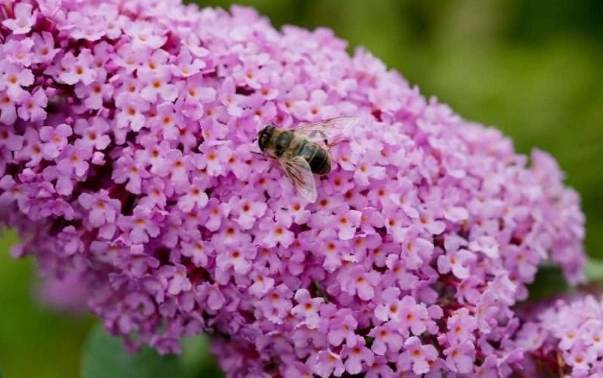
Common Mistakes That Keep Bees Away
Here's where my 10 years of messing up pays off for you. These are the subtle errors that nullify all your good planting intentions.
Mistake 1: Focusing Only on Nectar, Forgetting Pollen. Bees need both. Nectar is energy (carbs), pollen is protein for raising young. Plants like poppies, roses (single-petal types), and sunflowers are excellent pollen sources. If you only plant nectar-heavy flowers like salvias, you're only serving half the menu.
Mistake 2: The "One of Everything" Garden. It looks lovely to us, but to a bee, it's a confusing, inefficient scatter plot. Remember: clump, clump, clump.
Mistake 3: Overly Tidy Habits. Deadheading spent flowers is good for more blooms, but at the end of the season, leave some seed heads and stems standing. They provide overwintering habitat for bee larvae and other beneficial insects.
Mistake 4: Assuming All "Bee-Friendly" Labels Are Truthful. The horticulture industry loves slapping that label on plants. Inspect the flower yourself. Can you see the central reproductive parts (stamens and pistils)? If they're buried under layers of petals, it's probably useless to bees.
Your Bee Gardening Questions Answered
Let's tackle the specific, gritty questions that pop up when you're actually trying to do this.
What are the absolute best flowers to attract bees?
For reliability, you can't beat natives like Purple Coneflower and Bee Balm. For sheer, undeniable bee traffic, plant borage and let your herbs flower. Single-petal sunflowers and cosmos are also top-tier. The "best" is always what's native to your area and planted in a substantial group.
I planted flowers but bees aren't coming. What's the most common mistake?
It's almost always the planting scheme. A single coneflower plant in a sea of lawn is like a single gas station in a desert—not worth the trip. You need that critical mass. Also, check if your plants are true, simple-flower varieties and not sterile hybrids. And give it time. It can take a season for bees to find and register a new food source.
Do I need to have a huge garden to help bees?
Absolutely not. A window box, a few pots on a balcony, or a small sunny strip by your driveway can be a vital refueling station, especially in urban areas. Focus on high-impact plants in containers: lavender, thyme, dwarf sunflowers, and marjoram. Density matters more than total square footage.
Are there any flowers I should avoid if I want to attract bees?
Yes. Be wary of most modern hybrid roses, especially those labeled "double." Many popular bedding plants like begonias, impatiens (especially New Guinea types), and some petunias have been bred for color, not function, and offer little to no value. When in doubt, look for the simple, open flower shape.
Getting started is simpler than it seems. Pick one or two native perennials and plant three of them together this season. Add a pot of borage or flowering thyme. Observe. You'll be surprised how quickly the buzz finds you. It starts with a single flower clump, and before you know it, you've built an entire ecosystem.