I planted a beautiful apple tree years ago, full of hope. It grew, it bloomed gloriously every spring... and it never gave me a single apple. Not one. I watered it, fed it, talked to it (don't judge). The problem wasn't me, or the tree's health. It was loneliness. My tree needed a friend, a different variety of apple tree nearby, to swap pollen with. That's cross pollination in a nutshell—it's not just a biological term, it's the secret handshake between plants that makes your garden fruitful and resilient.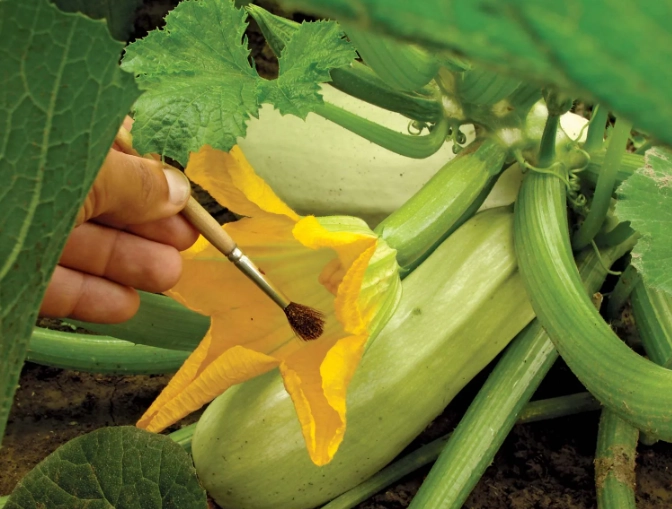
What You'll Learn
What Cross Pollination Really Is (And Isn't)
Let's clear something up first. Cross pollination is simply the transfer of pollen from the flower of one plant to the flower of a genetically different plant of the same species. The key is "genetically different." It could be another individual across your yard, or a different cultivated variety (cultivar).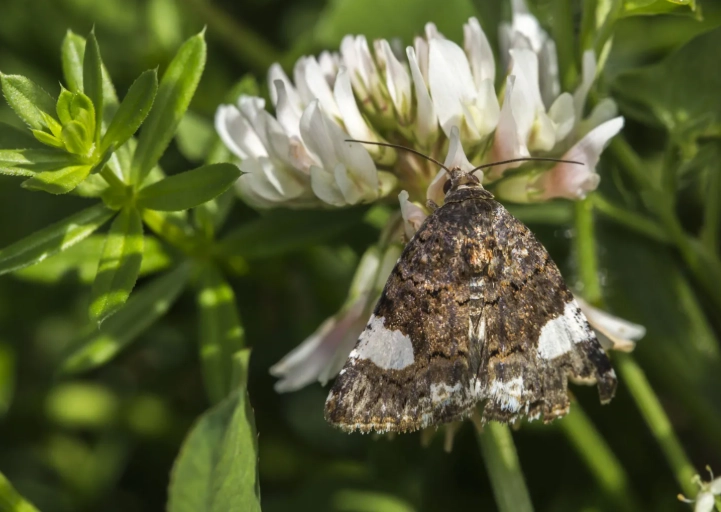
This is different from self-pollination, where a flower uses its own pollen. Many plants can do both, but relying on cross-pollination gives them a genetic boost.
Who does the heavy lifting? The usual suspects: bees (especially honeybees and bumblebees), butterflies, moths, hummingbirds, wind, and even water. Each has its preferred clientele. Bees love brightly colored, fragrant flowers with landing platforms. Wind pollinated plants, like corn or oak trees, have tiny, inconspicuous flowers that produce clouds of dust-like pollen—that's your springtime allergy right there.
Common Misconception: People see bees on tomato flowers and assume they're essential. Here's a nuanced truth: tomatoes are primarily self-pollinators. The flower's structure allows it to fertilize itself. However, studies from institutions like the University of California Agriculture and Natural Resources show that bumblebee pollination (through a buzz-pollination technique where they vibrate the flower) significantly increases the size, weight, and quality of tomato fruits. So while you'll get tomatoes without them, you'll get better tomatoes with them.
Why Cross Pollination Matters More Than You Think
It's not just about getting fruit. It's the cornerstone of ecological and agricultural health.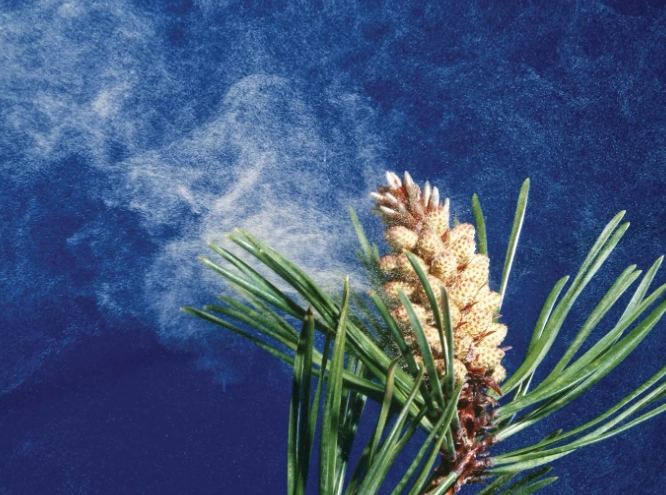
Genetic Diversity = Resilience. When plants cross-pollinate, their offspring have mixed genes. This is nature's insurance policy. A population with high genetic diversity is better at resisting diseases, pests, and adapting to climate changes. Think of it like a stock portfolio—diversity reduces risk. Monocultures (vast fields of one crop) are the opposite and are notoriously vulnerable.
It Directly Impacts Your Harvest. For many common garden plants, cross pollination is not optional; it's mandatory for fruit development.
| Plant Type | Cross Pollination Need | Key Notes for Gardeners |
|---|---|---|
| Apples, Pears, Plums | Most varieties require it. | You need at least two different, compatible varieties that bloom simultaneously. Check pollination charts. |
| Blueberries | Highly recommended. | Planting multiple varieties leads to larger berries and a longer harvest window. |
| Squash, Pumpkins, Cucumbers | Required. | Plants have separate male and female flowers. Pollen must move from male to female. One plant can pollinate itself if it has both flowers open. |
| Sweet Corn | Required (by wind). | Must be planted in blocks, not single rows, for effective pollen transfer. Kernels will be missing if poorly pollinated. |
| Tomatoes, Peppers, Beans | Self-sufficient but benefit. | Will produce fruit alone, but pollinator visits can improve yield and quality. |
The decline in pollinator populations, widely reported by sources like the Xerces Society for Invertebrate Conservation, makes understanding this process not just a gardening skill, but an act of stewardship.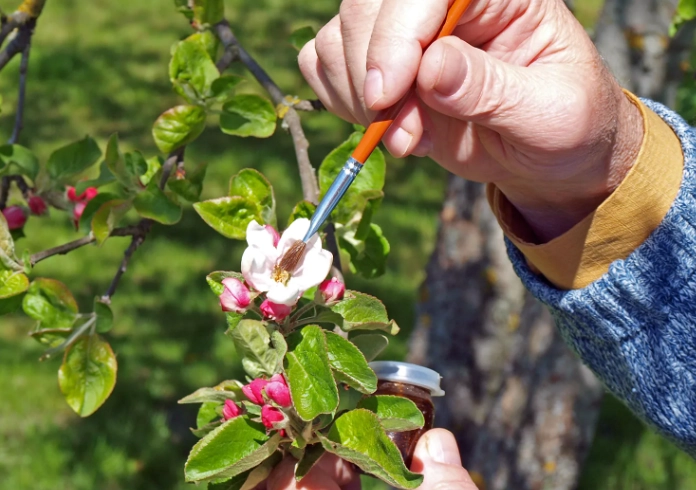
How to Attract and Keep Natural Helpers in Your Garden
You don't need to manage every pollen transaction. Build a habitat, and the experts will show up. Here’s how, based on what actually works, not just generic advice.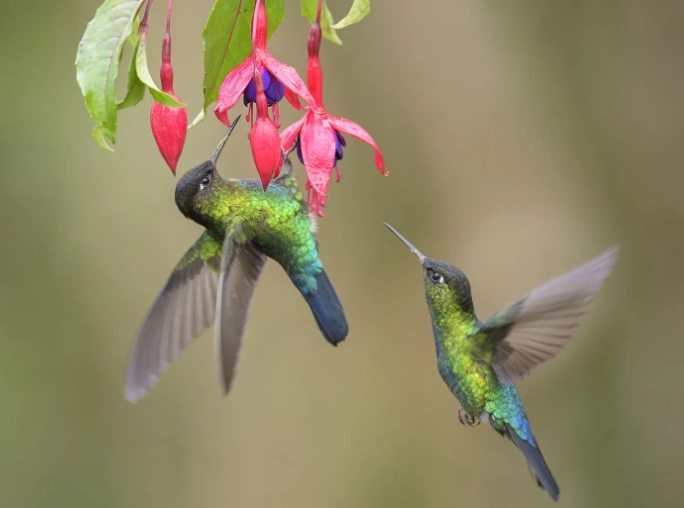
Planting for a Pollinator Buffet, Not a Snack Bar
The biggest error is planting only for midsummer. Pollinators need food from early spring to late fall. Plan for succession.
- Early Spring: Crocus, willow shrubs, lungwort, maple trees. These provide crucial nectar when little else is blooming.
- Late Spring to Summer: This is the easy part. Lavender, coneflower, bee balm, sunflowers, herbs like oregano and thyme (let them flower!).
- Late Summer to Fall: This is where most gardens fail. Goldenrod, asters, sedum, and Joe-Pye weed are absolute powerhouses for fueling migrating monarchs and overwintering bees.
Group the same plants together in clumps of at least 3 feet diameter. A bee is more likely to visit a large patch of lavender than one single plant scattered here and there—it's efficient foraging.
Provide More Than Just Food
Think about their whole life cycle.
Leave the Ground Bare. About 70% of native bee species nest in the ground. Leave some patches of bare, undisturbed, well-drained soil. They don't want mulch or landscape fabric there.
Offer Housing. A simple bundle of hollow stems (bamboo, reeds) or a drilled wood block can provide nesting sites for cavity-nesting bees.
Water Source. A shallow dish with pebbles and water gives them a safe place to drink without drowning.
Most importantly, stop using pesticides, especially neonicotinoids which are systemic and linger in pollen and nectar. If you must control pests, use targeted methods like hand-picking or insecticidal soap at dusk when bees aren't active.
When and How to Do It Yourself: The Hand Pollination Guide
Sometimes, you need to play matchmaker. This isn't complicated, and it's incredibly satisfying.
Scenario 1: The Lonely Fruit Tree. If you have space for only one apple tree, see if there's a neighbor with a compatible tree within 100 feet. If not, some nurseries sell multi-variety grafted trees—several types on one trunk—which solves the problem elegantly.
Scenario 2: The Greenhouse or Balcony Garden. No bees? You're the bee.
Scenario 3: Poor Weather. A cold, rainy week during bloom can ground bees. A few minutes of hand work can save your squash harvest.
Step-by-Step for Squash Family Plants
This is the most common and effective use of hand pollination.
- Identify: Find a male flower (straight, thin stem). Find a female flower (looks like it has a tiny fruit—the ovary—at the base of the flower). Do this in the morning when flowers are fresh.
- Collect: Pick a male flower. Gently peel back all its petals to expose the pollen-covered anther in the center. It will look like a little stick with yellow dust.
- Transfer: Take the exposed anther and gently but thoroughly dab and swirl it onto the stigma in the center of the female flower. The stigma is often slightly sticky. You want to see yellow pollen on it.
- Mark: Tie a little string or twist-tie on the stem of the female flower you pollinated. In a few days, you'll see if the ovary starts swelling (success!) or withers (try again).
For plants like corn, you can simply shake the tassels (tops) over the emerging silks on a calm morning to mimic the wind.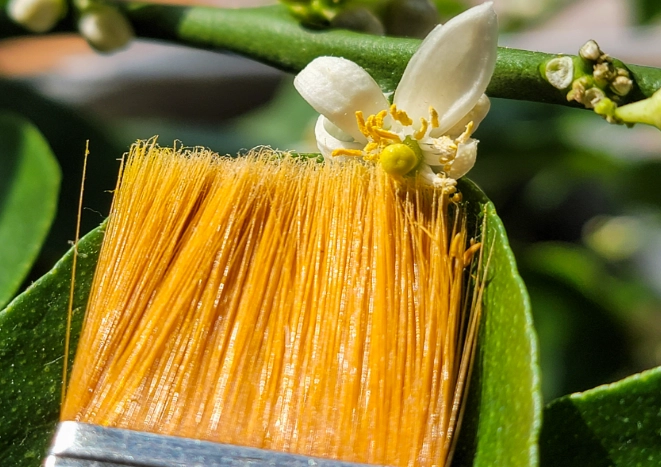
The goal isn't to hand-pollinate your entire garden forever. It's to ensure fruit set when natural mechanisms fail, or to understand the process so you can create a garden that doesn't need your intervention.
Cross pollination is that invisible thread connecting a blooming flower to a juicy apple, a plump pumpkin, and a biodiverse, thriving ecosystem in your backyard. By understanding it—whether you're selecting fruit trees, planting a pollinator patch, or playing bee for a day—you stop fighting your garden and start working with the fundamental rhythms that make it tick. That lonely apple tree of mine? I planted a compatible crabapple nearby. The next spring, it set fruit. Problem solved.