- How Insect Senses Drive Their Behavior
- A Practical Guide to Decoding Common Garden Insect Behaviors
- How to Use Insect Behavior for Natural Pest Control
- Attracting the Good Guys: Behavior-Based Pollinator & Predator Support
- Common Mistakes & The Expert's Non-Consensus View
- Your Insect Behavior Questions, Answered
You're not staring at a pest. You're looking at a sophisticated survival machine, programmed by millions of years of evolution. Every wiggle, every flight path, every bite is a piece of data. When I first started gardening, I saw bugs as problems to be solved. Now, after years of watching them, I see a language. Understanding insect behavior isn't just academic; it's the most powerful, overlooked tool you have for managing your garden. It turns guesswork into strategy. Let's decode it.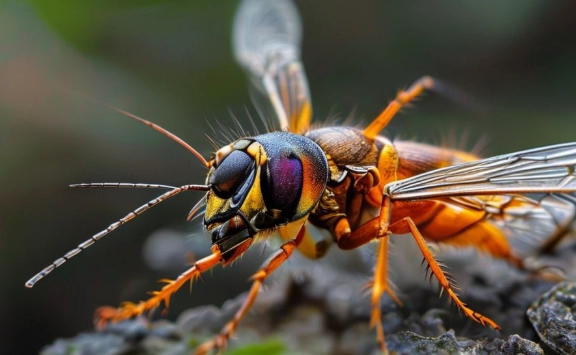
How Insect Senses Drive Their Behavior
Forget seeing the world through human eyes. An insect's reality is built on chemical trails, vibration maps, and ultraviolet signposts. This sensory difference explains everything.
Their world is dominated by chemosensation—taste and smell, often via their antennae and feet. A female moth releases a pheromone plume; a male miles downwind detects a few molecules and flies up the concentration gradient. That's not magic. It's chemistry. An ant doesn't "remember" the path to sugar; it follows a pheromone trail laid by a nestmate, reinforcing it on the return trip.
Vision matters, but differently. Many insects see into the ultraviolet spectrum. What looks like a plain yellow flower to us might have a bold, dark "nectar guide" pattern visible only to bees, directing them straight to the pollen. That's why planting choices based solely on human aesthetics often fail to attract pollinators.
Then there's mechanosensation—feeling vibrations. A spider in its web isn't just waiting; it's reading a vibrational newsfeed. It can distinguish between the struggle of a trapped fly, the breeze rustling a leaf, and the specific courtship "pluck" of a potential mate. Aphids feel the footsteps of an approaching ladybug and some will even drop off the plant.
When you connect an action to the sense that triggers it, prediction becomes possible.
A Practical Guide to Decoding Common Garden Insect Behaviors
Let's get specific. Here’s a breakdown of common garden scenes and what the behavior is really telling you.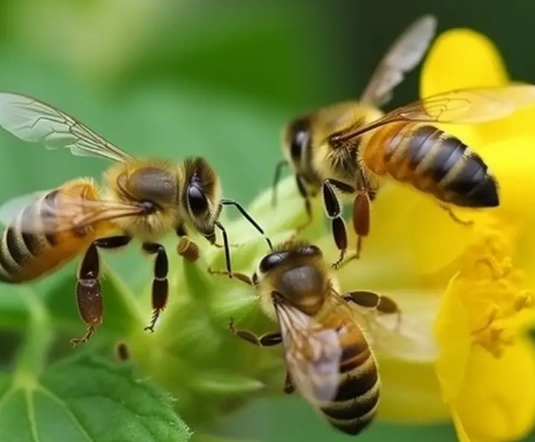
| What You See | Insect(s) Likely Involved | Behavior Decoded | Implication for Your Garden |
|---|---|---|---|
| Clusters of tiny, soft-bodied bugs on new stems/leaf undersides, often with sticky residue. | Aphids (Greenfly, Blackfly) | Piercing-sucking feeding. They tap into the plant's phloem (sap stream) for nutrients. The residue is "honeydew," their sugary waste. | Weakens new growth, can transmit plant viruses. Honeydew attracts sooty mold and ants. |
| Large, irregular holes chewed in leaves, sometimes entire leaves gone. | Caterpillars (Butterfly/Moth larvae), Beetles (e.g., Japanese Beetles) | Direct chewing/defoliation. Caterpillars eat to fuel rapid growth. Beetles often feed in groups. | Can cause significant aesthetic and photosynthetic damage. Identify the culprit—some caterpillars become desirable pollinators. |
| Tunnels or "mines" (winding white trails) inside leaves, between the surfaces. | Leafminer larvae (flies, moths, beetles) | The larvae live and feed protected inside the leaf tissue. The pattern is their feeding path. | Mostly cosmetic. Removing affected leaves is often sufficient. Severe cases stress the plant. |
| Ants running in a consistent, bustling trail up a tree trunk or plant stem. | Various Ant species | They are farming. The trail leads to a food source (like aphids) or back to the nest. They communicate via pheromones. | Rarely harm plants directly. They indicate another pest presence (aphids, scale) they are tending for honeydew. |
| Small, jewel-like beetles or hovering flies near flowers. | Ladybugs, Hoverflies, Solitary Bees | Pollination and predation. Ladybugs hunt aphids. Hoverflies pollinate and their larvae eat pests. Bees are pure pollinators. | Beneficial! Your garden is healthy and providing resources. Encourage them to stay. |
The Ant Trail: A Case Study in Chemical Communication
The Aphid-Ant Connection: A Symbiosis You Can Manage
I used to panic when I saw an ant highway on my rose bush. My instinct was to destroy the trail. Big mistake. Ants aren't eating your plant; they're visiting their "livestock"—aphids. The ants protect the aphids from predators like ladybugs, and in return, they "milk" them for honeydew.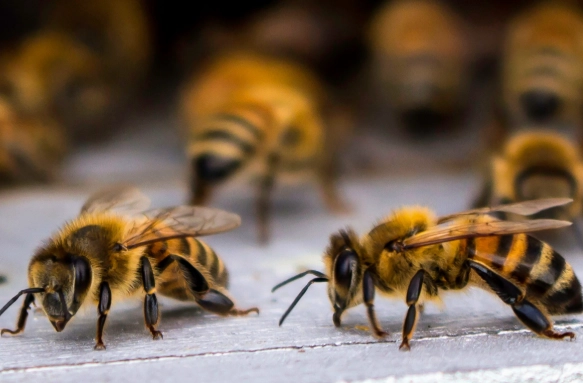
The non-consensus move? Don't attack the ants first. Break the symbiosis. Blast the aphids off with a strong jet of water in the morning. This removes the food source. Without the honeydew reward, the ant trail will often dissipate naturally within a day or two. Placing a sticky barrier (like Tanglefoot) on the trunk below can block their route without pesticides. You're not killing all ants—many are beneficial soil aerators—you're just redirecting their behavior.
How to Use Insect Behavior for Natural Pest Control
This is where theory meets the dirt under your fingernails. You can manipulate insect senses to protect your plants.
Exploiting Taste & Smell (Chemosensation):
- Companion Planting: It's not folklore. Strong-smelling herbs like rosemary, sage, and thyme can mask the scent of your cabbages from cabbage white butterflies. The butterflies can't "find" the host plant as easily.
- Trap Cropping: Plant something pests love more than your main crop. Flea beetles adore radishes and arugula. Plant a sacrificial patch away from your prized eggplants. The beetles congregate there, and you can manage them in one spot.
- Diatomaceous Earth (DE): This fine powder feels like broken glass to an insect's waxy exoskeleton. It's a physical, not chemical, deterrent. Sprinkle a dry ring around susceptible seedlings. It's useless when wet, so reapply after rain.
Exploiting Vision:
- Yellow Sticky Traps: Many flying pests (whiteflies, fungus gnats, adult leafminers) are attracted to the color yellow. These traps monitor and reduce adult populations. Place them just above plant level. Warning: they can catch beneficials too, so use them strategically in greenhouses or for severe infestations.
- Red Mulch for Aphids: Some studies, like those referenced by the University of California's Integrated Pest Management program, suggest reflective or red mulches can disorient and repel aphids, reducing their ability to land on plants.
Exploiting Touch & Vibration:
- Hand-Picking: It's tedious but devastatingly effective for large pests like Japanese beetles and tomato hornworms. Drop them into soapy water. Doing this in the early morning when they're sluggish increases your catch rate.
- Water Sprays: As mentioned, a strong jet dislodges aphids and spider mites. Many can't find their way back. It also washes away the honeydew that attracts sooty mold.
Attracting the Good Guys: Behavior-Based Pollinator & Predator Support
You need an army, and you don't have to pay it. You just have to house and feed it.
For Pollinators (Bees, Butterflies, Hoverflies): Think in terms of landing pads and fuel stations.
- Plant in clumps, not singles. A bee uses less energy visiting one area with many flowers.
- Provide a succession of bloom from spring to fall. What eats in April? What eats in September?
- Include native plants. They co-evolved with local insects and often provide better nutrition.
- Leave a shallow water source with stones for landing. A thirsty bee is a less effective pollinator.
For Predators (Ladybugs, Lacewings, Parasitic Wasps): They need more than pests to eat; they need shelter and alternative food.
- Accept some pests. A few aphids are the bait that tells ladybugs, "Food here!"
- Provide overwintering sites: leave leaf litter in a corner, build a simple bug hotel with hollow stems and wood, or leave some dead plant stalks standing over winter.
- Plant small-flowered herbs (dill, fennel, cilantro, yarrow). These provide nectar and pollen for adult predatory insects, which fuels them to lay more eggs.
Common Mistakes & The Expert's Non-Consensus View
Here's the hard truth most generic guides won't tell you.
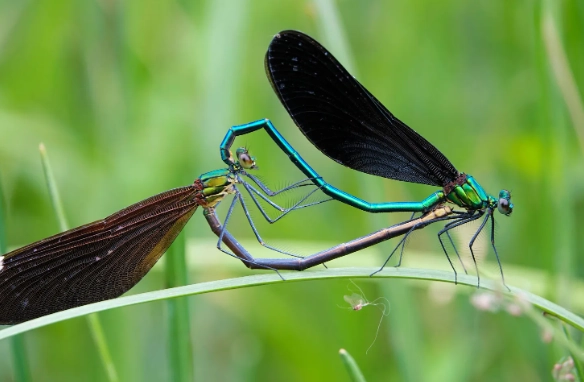
The Non-Consensus Strategy: Practice Informed Tolerance. Set an action threshold. Is this insect causing actual, unacceptable damage to the plant's health or your harvest? Or is it just cosmetic? A few holes in a kale leaf? That's bird food. A caterpillar on your dill? That's a future black swallowtail butterfly. Let it be.
Your goal isn't a bug-free garden. That's a dead garden. Your goal is a resilient ecosystem where no one species gets the upper hand because checks and balances exist. You're the curator, not the conqueror.
Your Insect Behavior Questions, Answered
Based on years of talking to gardeners, here are the real questions that keep people up at night.
So, the next time you see a trail of ants or a hole in a leaf, pause. You're not just seeing a problem. You're reading a chapter in a complex, living story. By learning the language of insect behavior, you stop reacting out of fear and start responding with knowledge. Your garden becomes more than a collection of plants—it becomes a thriving, balanced world. And you get to be the one who understands it.