Quick Navigation
I first heard about rain gardens a decade ago when my backyard started flooding every spring. The downspout dumped water into a soggy mess, killing grass and attracting mosquitoes. A friend suggested a rain garden—not just a patch of plants, but a clever way to manage stormwater naturally. It sounded too good to be true, but after building one myself, I can say it's a game-changer for homeowners. Rain gardens are shallow depressions filled with native plants that capture runoff from roofs, driveways, and lawns. They filter pollutants, reduce flooding, and support wildlife. Let's dive into how you can create one that works.
What Exactly is a Rain Garden and Why Should You Care?
A rain garden isn't your typical flower bed. It's a engineered depression designed to soak up rainwater within 24 to 48 hours. Think of it as a sponge that beautifies your yard while solving drainage problems. According to the Environmental Protection Agency, stormwater runoff is a leading cause of water pollution in urban areas. Rain gardens intercept that runoff, letting it percolate into the ground instead of rushing into storm drains.
The benefits stack up quickly. They cut down on erosion, recharge groundwater, and provide habitat for birds and insects. I've seen my garden attract butterflies I hadn't spotted in years. Plus, they can increase property value by adding curb appeal. But here's the kicker: many people think rain gardens are high-maintenance or only for experts. That's a myth. With the right design, they're low-effort and resilient.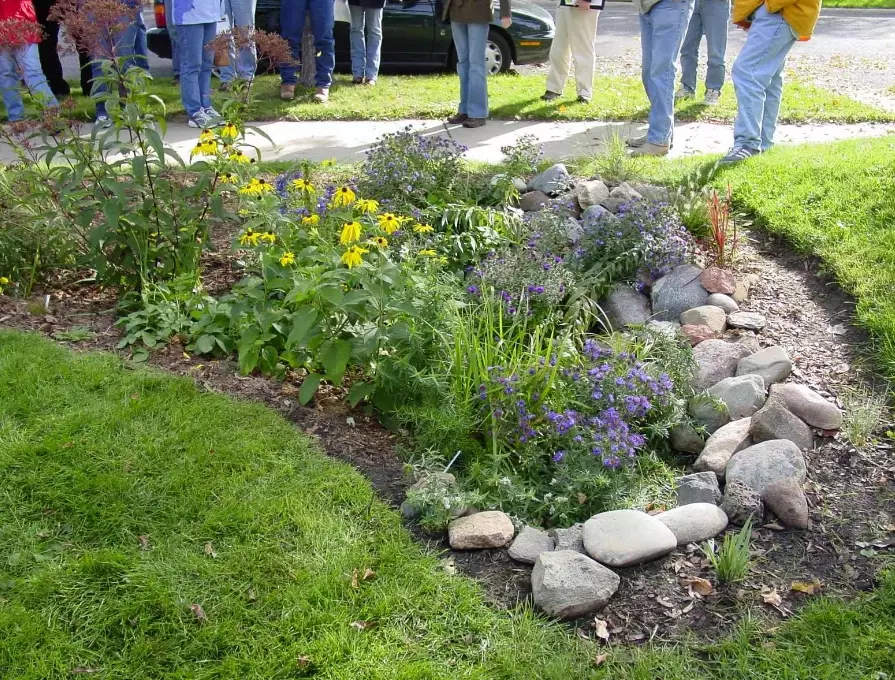
The Step-by-Step Blueprint for Building Your Rain Garden
Building a rain garden isn't rocket science, but skipping steps can lead to failure. I learned this when my first attempt washed out after a heavy rain. Follow this blueprint to get it right.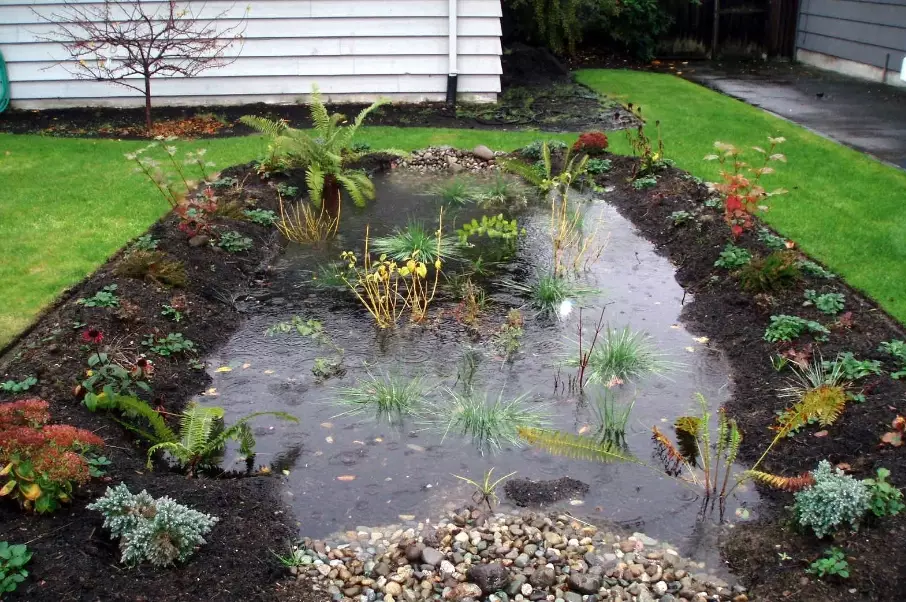
Step 1: Finding the Perfect Spot
Location is everything. You need a spot at least 10 feet from your house foundation to avoid water seepage. Look for natural low points where water already pools. Use a simple test: dig a hole 12 inches deep, fill it with water, and time how long it drains. If it takes more than 48 hours, the soil might be too clay-heavy. In that case, consider amending it with compost. I once helped a neighbor pick a spot near their driveway—it captured runoff from both the roof and pavement, doubling the impact.
Step 2: Sizing and Shaping Your Garden
Size depends on your roof area and soil type. A rough rule: for every 100 square feet of impervious surface (like a roof), aim for 10 to 20 square feet of rain garden. Shape it like a kidney bean or oval to slow water flow. Depth should be 6 to 12 inches—deeper isn't better. I made mine 8 inches deep, which handles most storms in my Midwest region.
Step 3: Excavation and Soil Preparation
Dig the basin, sloping sides gently. Save the topsoil for later. If your soil is compacted, till it and mix in sand or compost to improve drainage. This step is tedious, but it prevents water from sitting too long. I rented a small excavator for a day; it cost around $200 but saved my back.
Step 4: Planting for Success
Choose plants based on zones: wet bottom, middle slope, and dry edge. More on that in the next section. Plant densely to suppress weeds—I spaced mine 12 inches apart. Water them well for the first month, then let nature take over. Mulch with shredded hardwood to retain moisture.
Top Plants for Rain Gardens: A Regional Guide
Plant selection can make or break your rain garden. Go for natives—they're adapted to local conditions and need less fuss. Here's a quick table based on U.S. regions, drawing from resources like the Lady Bird Johnson Wildflower Center.
| Region | Wet Zone Plants | Slope Plants | Dry Edge Plants |
|---|---|---|---|
| Northeast | Blue flag iris, Swamp milkweed | Joe-Pye weed, New England aster | Little bluestem, Butterfly weed |
| Midwest | Cardinal flower, Sedges | Black-eyed Susan, Prairie dropseed | Purple coneflower, Switchgrass |
| Southwest | Desert willow, Yerba mansa | Penstemon, Apache plume | Agave, Blue grama grass |
| Pacific Northwest | Douglas iris, Red osier dogwood | Salal, Oregon grape | Kinnikinnick, Fescue |
I planted switchgrass and blue flag iris in my garden—they've thrived through droughts and downpours. Avoid invasive species like English ivy; they'll take over. A pro tip: group plants by water tolerance. The wet zone handles occasional flooding, while the dry edge stays drier. This mimics natural wetlands and reduces maintenance.
The Pitfalls: Common Rain Garden Mistakes and How to Dodge Them
Everyone makes mistakes, but with rain gardens, some are costly. Here are the big ones I've seen—and how to avoid them.
- Wrong soil mix: Using heavy clay without amendment leads to puddling. Test your soil first. Add organic matter to improve infiltration.
- Poor placement: Putting it too close to trees can harm roots. Keep it at least 15 feet away from large trees.
- Over-engineering: Some folks add underground pipes or complex drains. It's overkill. A simple basin works if sized correctly.
- Neglecting overflow: During extreme rain, water needs an escape route. Include a shallow swale or gravel path to direct excess away from structures.
I once helped a friend who'd planted non-native ornamentals—they died within a season. Stick to natives; they're hardier. Another common error: not considering the watershed. Your garden should capture runoff from a defined area, like a roof section. If it's too small, it'll overflow; too large, it might stay dry. Measure your roof's square footage and calculate accordingly.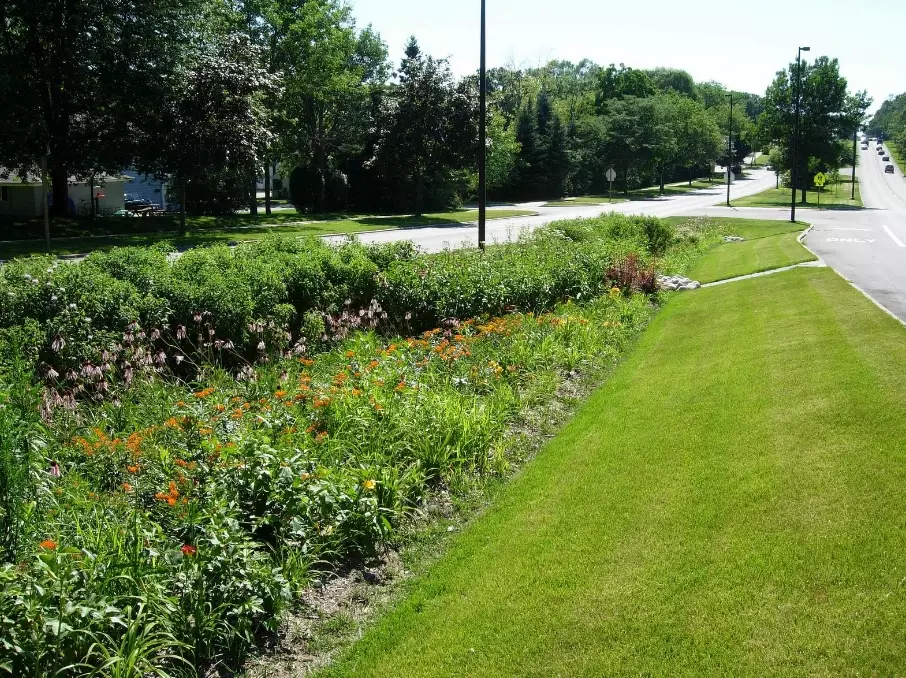
Keeping Your Rain Garden Healthy: Maintenance Essentials
Rain gardens are low-maintenance, but not no-maintenance. Here's what to do yearly.
Spring: Remove dead leaves and debris. Check for erosion—add mulch if needed. I usually top up with shredded bark to keep weeds down.
Summer: Water only during prolonged droughts. Native plants are drought-tolerant once established. Prune any overgrowth to maintain shape.
Fall: Leave seed heads for birds. Cut back perennials after frost. This is a good time to divide plants if they've spread too much.
Winter: Do nothing. Let it rest. Snow cover insulates plants.
I spend maybe 4 hours a year on maintenance. Compare that to a lawn, which needs weekly mowing. The key is observation—if water pools for more than two days after rain, you might need to aerate the soil. A healthy rain garden should drain within a day.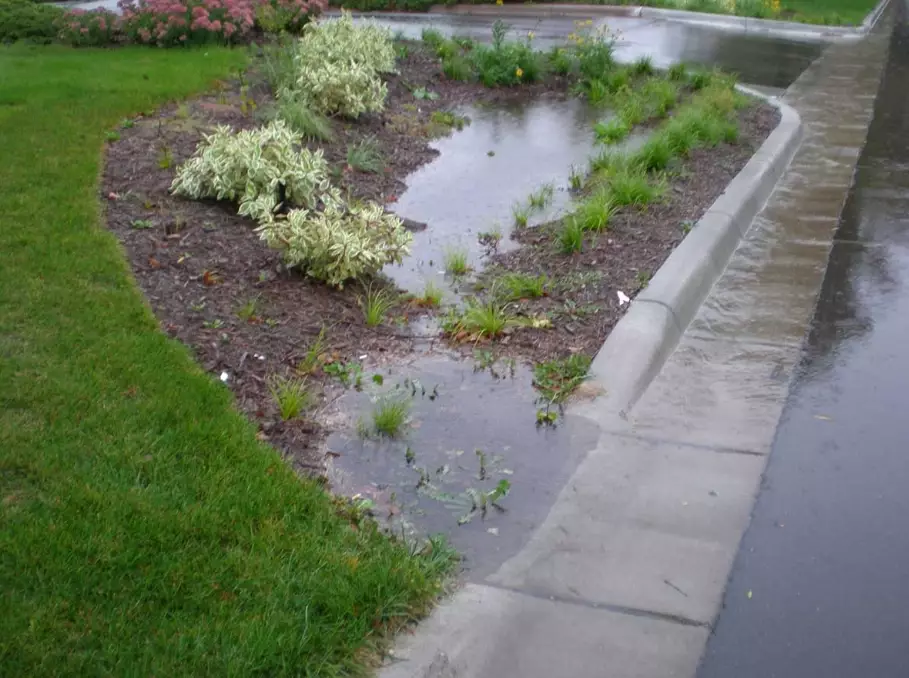
Your Rain Garden Questions Answered
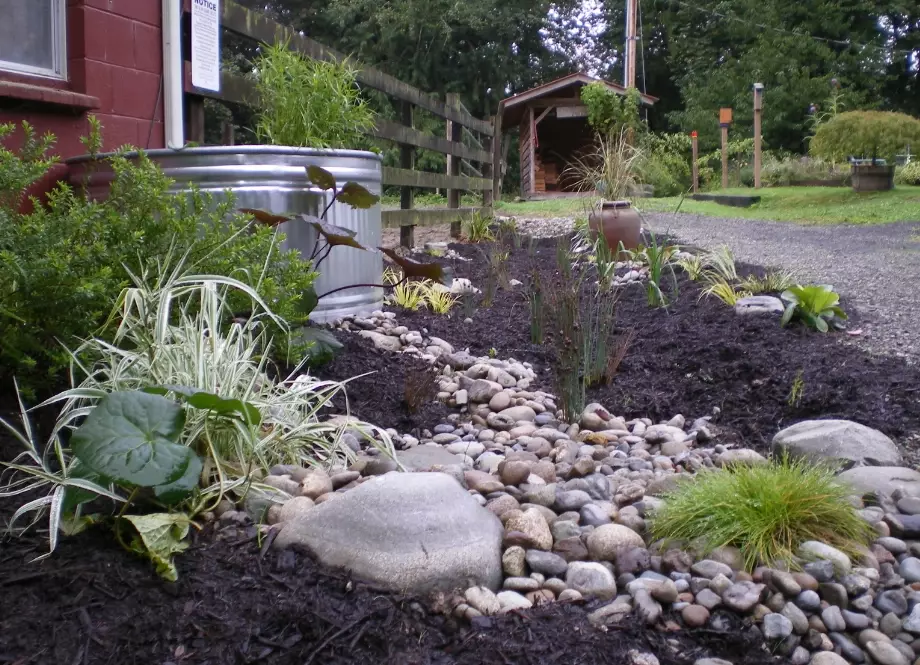 Rain gardens aren't a magic bullet, but they're a smart step toward sustainable living. They turn a nuisance into a niche for nature. Start small, learn from mistakes, and watch your yard transform. If I can do it, so can you—just grab a shovel and pick a spot.