Let's get straight to it. A real hummingbird garden isn't about sticking a red plastic feeder on a hook and calling it a day. I learned that the hard way after years of watching them zip past my yard. A true sanctuary provides the three things they need to stick around: food, water, and shelter. And the food part? It's mostly about the plants. Native plants, to be exact. This guide is what I wish I had when I started—a no-nonsense plan to transform any patch of ground, from a balcony planter to a full backyard, into a place hummingbirds can't resist.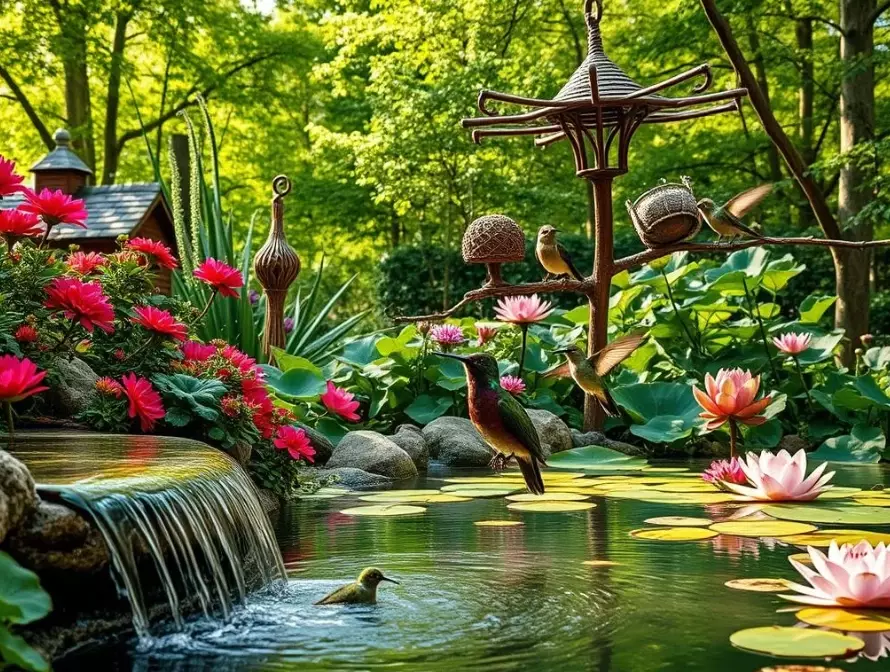
What’s Inside This Guide?
Step 1: Assess Your Space and Sun (The 10-Minute Reality Check)
Before you buy a single plant, spend an afternoon watching the light. Hummingbird flowers are sun worshippers. Most need at least 6 hours of direct sun to produce the nectar quantities that make them worthwhile.
Grab a notebook. Draw a rough map of your potential garden area. Mark where the sun hits at 9 AM, noon, and 3 PM. That's your sweet spot.
Here's a mistake I see all the time: people plant a beautiful, shade-loving Columbine in full blazing sun. It burns up by July, stops flowering, and becomes useless to hummingbirds. Match the plant to the condition. If you have mostly shade, don't despair. Focus on plants like Coral Bells (Heuchera) or certain Fuchsia varieties that bloom well with less light.
Also, think in layers. Hummingbirds feed at different heights. Tall, spiky flowers like Bee Balm in the back, medium shrubs like Butterfly Bush in the middle, and trailing plants like Trumpet Vine or annual Salvia in the front or in containers.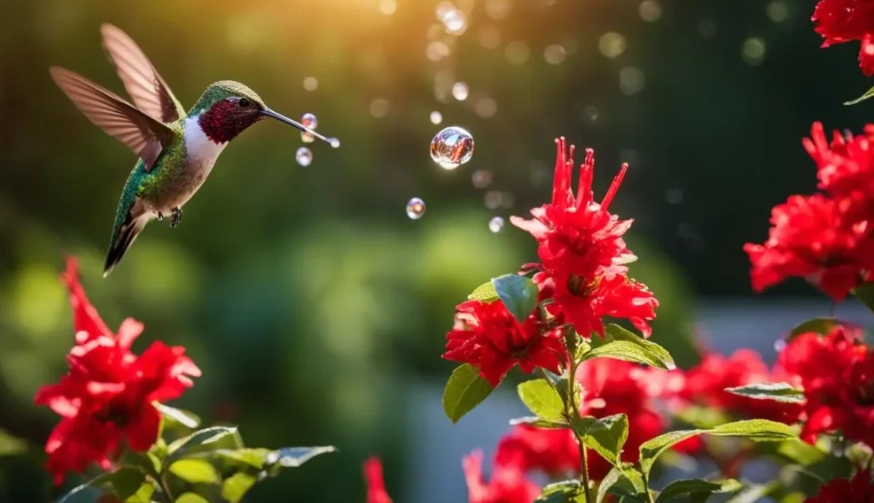
Step 2: Choosing the Right Plants for Your Hummingbird Garden
This is the core. Forget the generic advice to "plant red flowers." While red is a great attractant, it's not a magic bullet. The real secret is nectar production and bloom time. You need a sequence of flowers from spring to fall so there's always a reason for hummingbirds to visit.
The most crucial, often-overlooked factor? Go native whenever possible. Native plants have co-evolved with local hummingbird species. Their nectar concentration, flower shape, and blooming schedule are perfectly timed. According to the U.S. Forest Service's Pollinator Resources, native plants support far more insect life (which provides essential protein for hummingbirds) than non-natives.
Here’s a practical table of workhorse plants. I've grown every one of these. This list prioritizes reliable bloomers that are widely available.
| Plant Name | Type | Color | Height | Bloom Time | Why It Works |
|---|---|---|---|---|---|
| Bee Balm (Monarda) | Perennial | Red, Pink, Purple | 2-4 ft | Mid-Summer | Nectar powerhouse. The tubular flowers are a perfect fit. Spreads easily. |
| Cardinal Flower (Lobelia cardinalis) | Perennial | Vibrant Red | 2-4 ft | Late Summer | A hummingbird magnet. Loves moist soil. Looks stunning in mass plantings. |
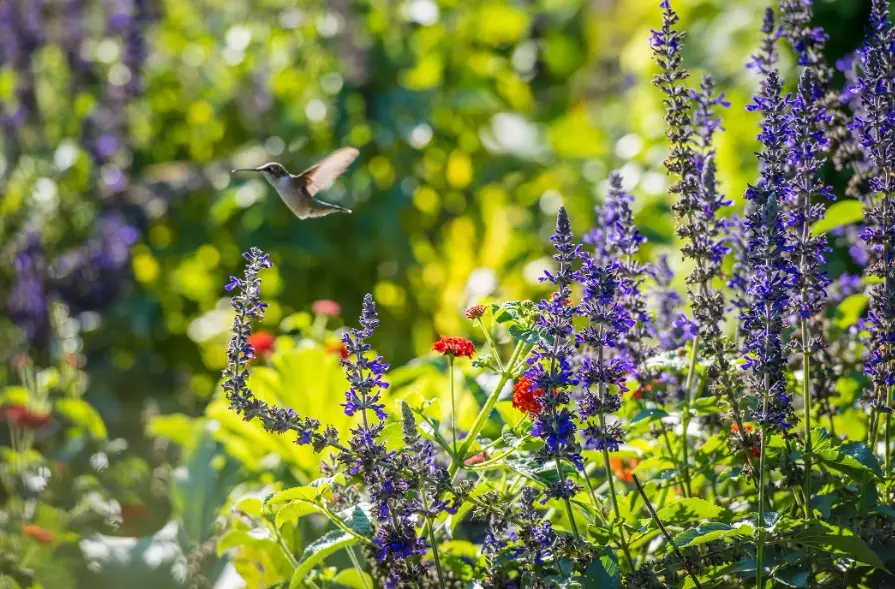
| Salvia (esp. 'Black & Blue', 'Hot Lips') | Annual/Perennial | Blue, Red, Bicolor | 1-3 ft | Spring to Frost | Blooms non-stop if deadheaded. My #1 recommendation for guaranteed action. |
| Trumpet Vine (Campsis radicans) | Vine | Orange, Red | 20-40 ft | Summer | Extremely vigorous. Plant it where you never want to move it. Massive nectar source. |
| Columbine (Aquilegia canadensis) | Perennial | Red & Yellow | 1-2 ft | Spring | An early season lifeline. Self-seeds gently. Prefers part-shade. |
| Agastache (Hyssop) | Perennial | Orange, Pink, Purple | 2-3 ft | Summer to Fall | Drought-tolerant. Leaves smell like licorice. Bees and butterflies love it too. |
| Zinnia (Tall varieties) | Annual | All colors | 2-4 ft | Summer to Frost | Easy from seed. Provides landing platforms. Great for filling gaps. |
Plant in clusters. A single Bee Balm plant is easy to miss. A drift of five or seven creates a visible target and a more efficient feeding station.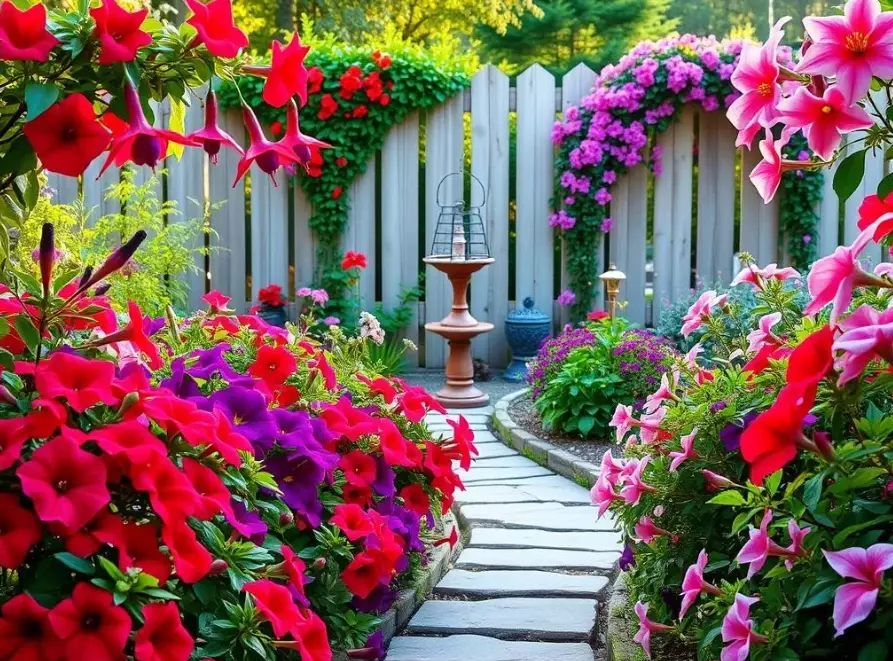
The One Thing Everyone Gets Wrong About Feeders
Feeders are a supplement, not the main course. Think of them like a fast-food snack, while the native flowers are the home-cooked meal. They're fantastic for providing energy during migration or a dry spell, but they shouldn't be your only offering.
Step 3: Supplementing with Feeders and Water
Okay, let's talk feeders. The cheap, all-red plastic ones? Toss them. They crack in the sun, are impossible to clean properly in the little nooks, and often leak. Invest in a simple glass or sturdy plastic bottle-style feeder with a wide mouth. The best one I've used is a basic $20 model from a birding specialty store—it comes completely apart for scrubbing.
The Nectar Recipe: It's 1 part white, granulated sugar to 4 parts water. Boil the water, dissolve the sugar, let it cool. That's it. No red dye (it's potentially harmful), no honey (it ferments quickly and can grow dangerous fungi), no artificial sweeteners (zero calories = zero energy for the birds).
Cleaning is non-negotiable. In warm weather, you must clean and refill every 2-3 days. Black mold (often Aspergillus) can kill hummingbirds. I keep two feeders. While one is in use, the other is soaking in a vinegar-water solution. Then I scrub it with a bottle brush, rinse thoroughly, and let it dry.
Water is the third pillar. Hummingbirds don't drink from bird baths; they're too deep. They prefer to fly through a fine mist or sip from droplets on leaves. A simple mister attachment on your hose, set to run for 10 minutes in the early morning, is pure magic. You'll see them darting through the spray, bathing mid-air.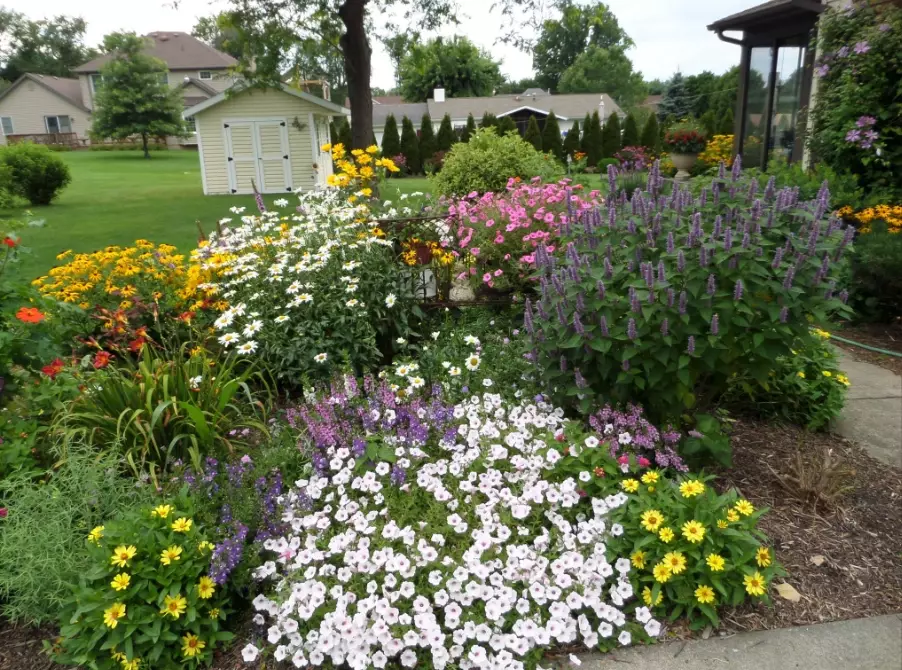
Step 4: The Low-Effort, High-Impact Maintenance Routine
You don't need to be a master gardener. You need to be a strategic one.
- Deadheading: This is the single most effective task. Snip off spent flower heads on plants like Salvia, Bee Balm, and Zinnias. This tells the plant "Hey, make more flowers," and extends your bloom season by weeks, sometimes months.
- Skip the Pesticides: Full stop. Hummingbirds eat tiny insects and spiders for protein. Spraying insecticide removes their food source and can poison them directly. If you see aphids, blast them off with a strong jet of water. Encourage ladybugs and lacewings.
- Leave the Stalks: In fall, resist the urge to cut everything to the ground. Leave dried seed heads and plant stalks standing over winter. They provide shelter for beneficial insects and look beautiful with a frost coating.
Step 5: Enjoying and Observing Your Visitors
This is the reward. Place a comfortable chair where you can see the garden. The best viewing times are early morning and late afternoon. Keep a pair of binoculars handy.
You'll start to recognize individuals. Male Ruby-throated Hummingbirds are fiercely territorial. You'll see one claiming a feeder or a prime patch of flowers, chasing off all interlopers with dramatic dive-bombs and chattering calls. It's better than TV.
Keep a simple journal. Note the date of the first spring sighting, which plants get the most attention, and any interesting behaviors. After a few seasons, you'll have your own personalized data on what works best in your unique garden.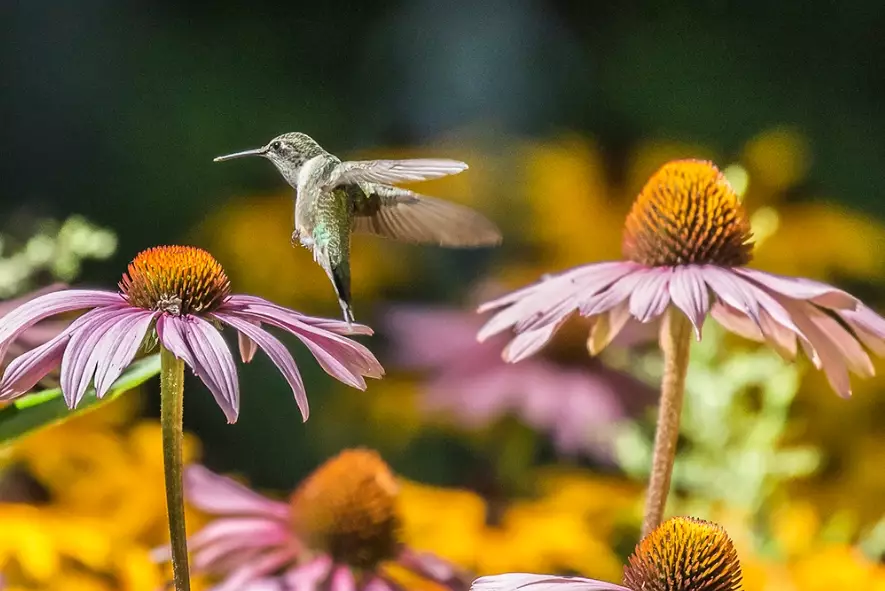
Your Top Questions, Answered (From Real Gardeners)
 What's the one native plant I should absolutely start with?
Reader Comments