Let's be honest. That beautiful foxglove standing tall in the cottage garden border, the cheerful daffodils heralding spring, the elegant peace lily purifying your living room air – they all have a dark side. They're toxic. This isn't meant to scare you away from gardening or filling your home with greenery. Panic is useless. But informed, practical caution is essential, especially if you have curious kids or pets who think every leaf is a potential snack.
I've been working with plants for over a decade, and the number one mistake I see isn't ignorance; it's a misplaced sense of safety. "It's just a plant," people think. "How bad can it be?" The answer ranges from a mild stomach ache to a life-threatening emergency, depending on the plant and the dose. My goal here isn't to list every poisonous plant under the sun (you can find that on the ASPCA website or the Royal Horticultural Society's guide). It's to give you the framework to identify risks, make smart choices, and know what to do if something goes wrong.
What You'll Find Inside
Why This Matters More Than You Think
I remember helping a neighbor whose new puppy had gotten into a potted sago palm. She thought it was a harmless little palm tree. It's not. It's a cycad, and it's highly toxic to pets. The vet bill was staggering, and the puppy was sick for days. The kicker? She'd bought it at a big-box garden center with no warning label.
That's the reality. Many common ornamental plants contain compounds designed to deter herbivores – alkaloids, glycosides, oxalates. To us, they're pretty. To a child's smaller body or a pet's different metabolism, they can be a real problem. The American Association of Poison Control Centers gets thousands of calls about plant exposures every year. Most aren't fatal, but why risk the trip to the ER or the emergency vet?
The risk isn't always about eating. Some plants, like giant hogweed or even figs (Ficus), have sap that causes severe phytophotodermatitis – a nasty skin reaction that blisters when exposed to sunlight.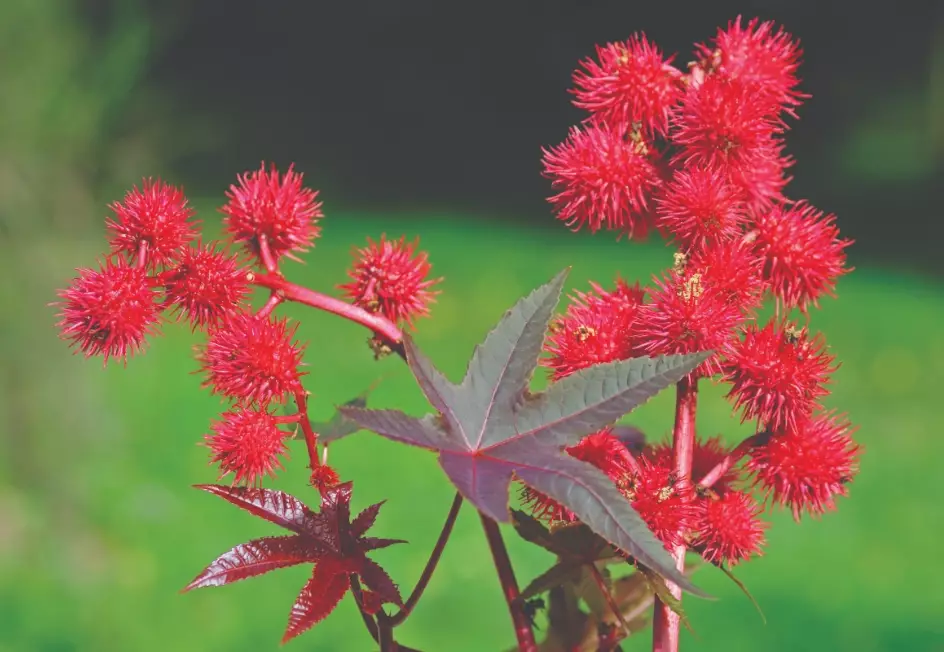
The Usual Suspects: A Quick-Reference List
Don't try to memorize hundreds of names. Focus on the ones you're most likely to encounter. Here’s a table of some of the most common toxic plants, where you find them, and what they do.
| Plant Name | Commonly Found In... | Key Toxic Part(s) | Primary Symptoms (Humans/Pets) |
|---|---|---|---|
| Sago Palm (Cycas revoluta) | Landscaping, houseplants | All parts, especially seeds | Vomiting, liver failure, seizures. Extremely dangerous for pets. |
| Lilies (Lilium, Hemerocallis spp.) | Bouquets, gardens | All parts, including pollen | In cats: acute kidney failure. Less severe in dogs/humans (GI upset). |
| Oleander (Nerium oleander) | Warm-climate landscaping | All parts | Severe heart problems, GI distress. Poisonous even when dried. |
| Foxglove (Digitalis purpurea) | Cottage gardens | Leaves, flowers, seeds | Irregular heartbeat, confusion, nausea. Source of heart medicine digitalis. |
| Rhododendron/Azalea | Shrub borders, foundation plantings | All parts | Drooling, vomiting, diarrhea, weakness, coma in severe cases. |
| Daffodil/Narcissus | Spring gardens, cut flowers | Bulbs (most toxic), leaves | Nausea, vomiting, diarrhea. Can be mistaken for onions by pets. |
| Castor Bean (Ricinus communis) | Ornamental gardens (for foliage) | Seeds (contain ricin) | Severe abdominal pain, vomiting, internal bleeding. Highly toxic. |
| Peace Lily (Spathiphyllum) | Common houseplant | Leaves, stems | Oral irritation, drooling, difficulty swallowing (insoluble calcium oxalates). |
See a pattern? Many are incredibly popular. That's the point. Beauty and danger often grow side-by-side.
How to Spot a Potentially Toxic Plant
You can't judge a plant by its flowers alone. But there are some red flags that often (not always) signal caution.
Physical Warning Signs
Milky or colored sap is a classic defense mechanism. Think poinsettias, oleander, or euphorbias like the pencil cactus. Plants with bulbs, corms, or tubers (daffodils, tulips, lilies) often have concentrated toxins in those underground storage organs. Brightly colored berries, especially on unfamiliar plants, should be considered guilty until proven innocent by a reliable source.
The Identification Imperative
This is non-negotiable. Know what's growing in your yard and home. Use a plant ID app like PictureThis or iNaturalist to get a starting point. Then, cross-reference the identified name on a trusted toxic plant database. Don't rely on common names—"Dumb Cane" (Dieffenbachia) is called that for a reason (it can swell the throat and cause temporary muteness), but you might buy it labeled as "Tropic Snow." Use the scientific name for research.
Pet Owners, This Section is For You
Cats and dogs are not small humans. Their bodies process toxins differently. Cats are especially vulnerable because they are obligate carnivores with livers that lack certain detoxifying enzymes. Lilies are the nightmare scenario for cat owners.
Dogs are more likely to dig up and chew on bulbs or roots. They're also more prone to eating things in quantity.
My advice? Adopt a "white list" approach for indoor plants if you have a curious pet. Instead of trying to remember all the toxic ones, curate a collection of known non-toxic plants: Spider plants (though they can cause mild hallucinations in cats), Boston ferns, most peperomias, African violets, and orchids (Phalaenopsis) are generally safe bets. Always check the latest ASPCA list for confirmation.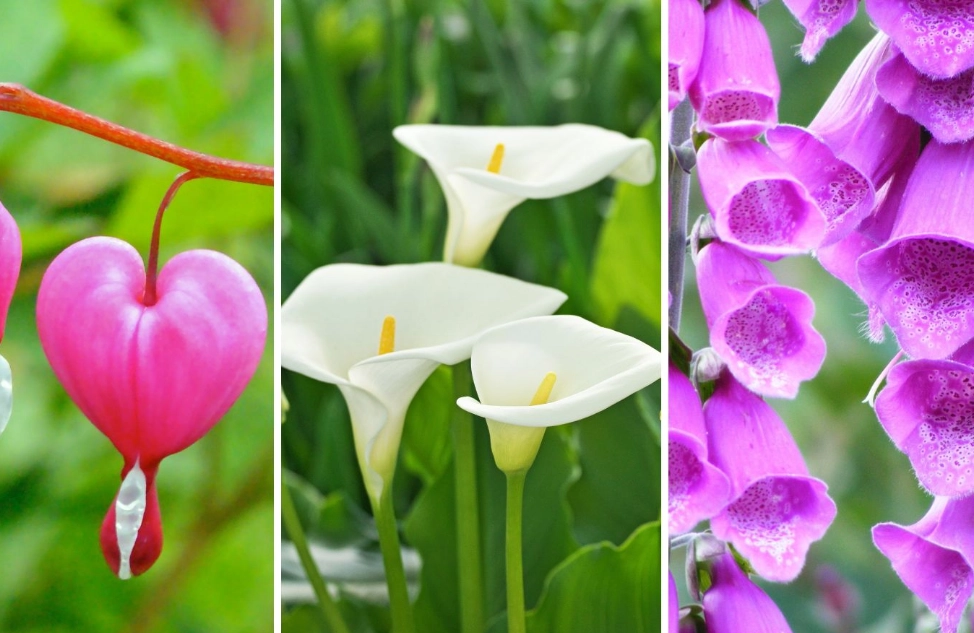
If Exposure Happens: A Step-by-Step Guide
Stay calm. Panic helps no one. Follow these steps in order.
- Remove. Gently remove any plant material from the mouth or skin. Wear gloves if dealing with sap.
- Identify. Take a clear photo of the plant or bring a sample with you. This is the single most helpful thing you can do for a medical professional.
- Call. Do not wait for symptoms.
For humans: Call your local Poison Control Center immediately (1-800-222-1222 in the US).
For pets: Call your vet or an emergency pet poison hotline like the ASPCA Animal Poison Control Center (888-426-4435) or Pet Poison Helpline (855-764-7661). Note: These services may charge a fee, but it's worth it. - Inform. Tell them the plant's name (if known), the part ingested, the approximate amount, and the time of exposure. Report any symptoms already occurring.
- Follow Instructions. Do not induce vomiting or give any home remedies (milk, oil, etc.) unless explicitly told to do so by the expert on the phone. You could make things worse.
Building a Safer Green Space: Prevention Strategies
An ounce of prevention is worth a pound of cure, especially with plant poisoning.
For Gardens: Research before you plant. Consider creating a dedicated, fenced-off area for toxic ornamentals you can't bear to part with, like foxgloves. Use physical barriers (small fences, chicken wire) to protect bulbs from digging dogs. Supervise young children closely in the garden and teach them the "look, don't touch" rule for unknown plants.
For Homes: Place toxic houseplants out of reach. High shelves aren't cat-proof. Consider hanging planters or rooms that are off-limits to pets. Immediately clean up fallen leaves or petals, as these are tempting toys for pets.
The Universal Rule: Wash your hands thoroughly with soap and water after gardening or handling any plant you're unsure about, and before eating.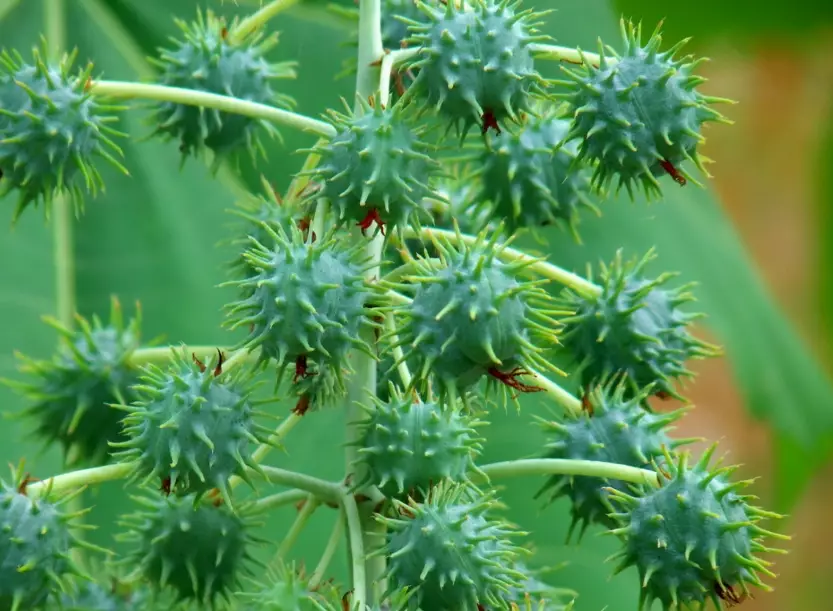
Your Questions, Answered
My dog just chewed on a rhododendron leaf. What should I do immediately?
I got lily sap on my skin while gardening and now it's itchy. Is this serious?
How can I teach my young children to stay away from dangerous plants without scaring them?
Are there any "safe" plants that are actually risky for certain pets?
The bottom line? You don't need to rip out every beautiful plant in your life. Respect them. Know their names and their potentials. A little knowledge turns a potential hazard into a manageable part of your living landscape. It lets you enjoy the beauty without the underlying fear, and that's the goal.