I killed my first fiddle leaf fig by repotting it wrong—overwatered, wrong soil, the whole mess. But after years of trial and error, I've learned that repotting doesn't have to be scary. It's a chance to give your plants a fresh start. Let's dive into how to repot a plant without the stress, covering everything from signs it's time to post-repotting care.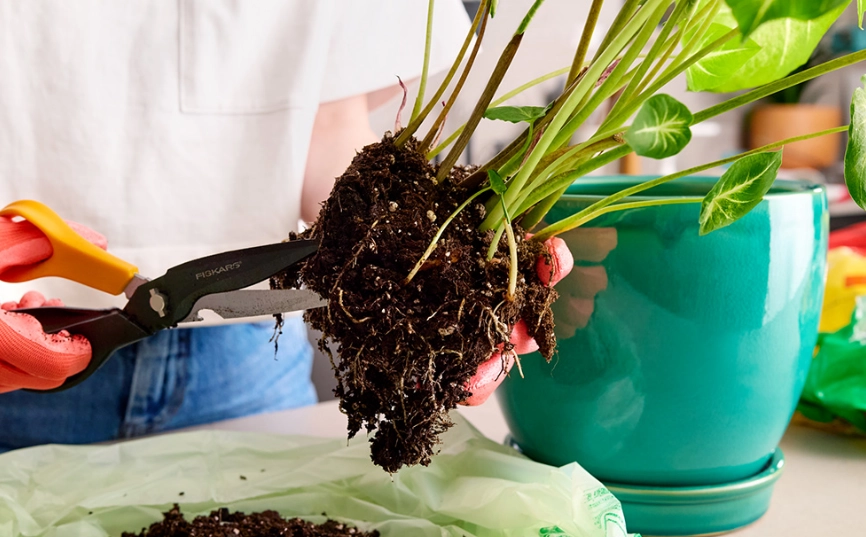
What You'll Learn in This Guide
Signs Your Plant Needs Repotting
Plants don't talk, but they show clear signals when they're cramped. If you see roots poking out of drainage holes, that's a dead giveaway. Another sign: water runs straight through the pot without soaking in. I once had a spider plant that stopped growing for months; when I checked, the roots were a tight ball. According to the Royal Horticultural Society, root-bound plants struggle to absorb nutrients, leading to stunted growth.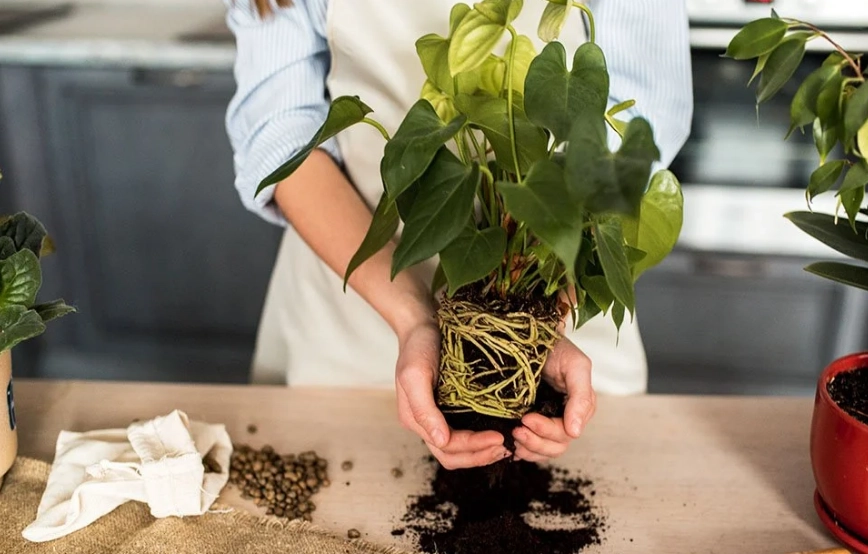
Root-Bound Symptoms
Gently lift the plant from its pot. If roots are circling densely like a tangled mess, it's root-bound. This is common in fast-growers like pothos or peace lilies. A subtle sign: the plant becomes top-heavy and tips over easily.
Other Indicators
Yellowing leaves can mean many things, but combined with slow growth, it might be time to repot. Also, if the soil dries out too fast or salts build up on the surface, consider a refresh.
When is the Best Time to Repot?
Spring is ideal—plants are waking up and can recover quickly. Early summer works too. Avoid winter unless it's an emergency; plants are dormant and more prone to shock. I repot my succulents in late spring after the last frost, but for tropicals like monsteras, any warm indoor period is fine.
Timing matters less if you're dealing with a sick plant. If roots are rotting, repot immediately, regardless of season. Just do it indoors with care.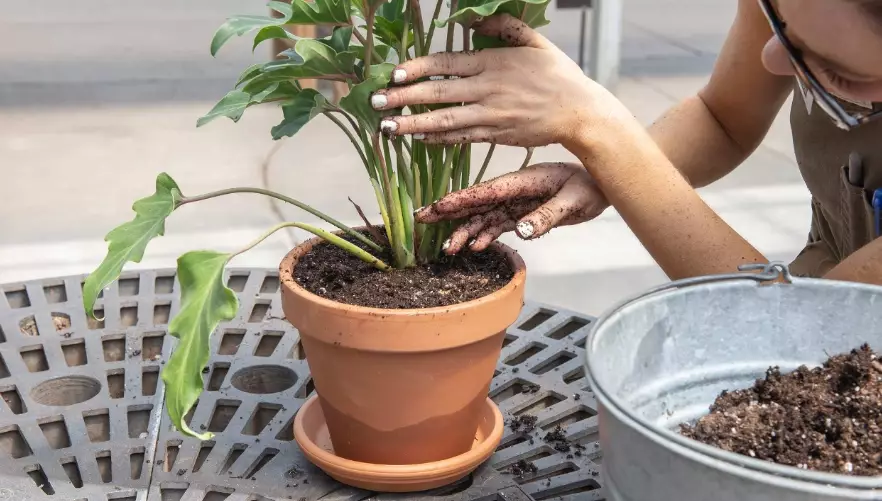
How to Repot a Plant: A Step-by-Step Guide
Let's walk through repotting a monstera deliciosa, a common houseplant. The steps apply to most plants.
Step 1: Gather Your Tools and Materials
You'll need:
- A new pot: 1-2 inches larger in diameter than the old one. Too big, and soil stays wet, causing root rot. Terracotta pots breathe better than plastic.
- >Fresh potting mix: Don't reuse old soil—it's depleted and may have pathogens. For monsteras, use a chunky, well-draining mix with perlite.
- >Gardening gloves, a trowel, and pruning shears. >Watering can with a narrow spout.
Step 2: Prepare the New Pot
Add a layer of fresh potting mix at the bottom. If the pot has drainage holes (it should!), place a mesh or broken pottery shard over them to prevent soil washout. Some gardeners skip this, but it helps with drainage.
Step 3: Remove the Plant from Its Old Pot
Water the plant lightly a day before to loosen the soil. Tilt the pot and gently squeeze or tap it. If stuck, run a knife around the edges. Avoid yanking the stems—I've broken a few that way. Lift the root ball out carefully.
Step 4: Inspect and Prune the Roots
Shake off old soil and inspect roots. Trim any black, mushy roots with clean shears. For root-bound plants, gently tease apart the roots or make vertical cuts to encourage new growth. Don't go overboard; removing more than 1/3 of the roots can shock the plant.
Step 5: Place in New Pot and Add Soil
Center the plant in the new pot. Fill around with fresh mix, pressing lightly to eliminate air pockets. Leave about an inch of space from the rim for watering. The soil level should match the old one—burying stems too deep can cause rot.
Step 6: Water and Aftercare
Water thoroughly until it drains out the bottom. This settles the soil. Then, wait. Don't water again for a few days; let the plant adjust. Place it in bright, indirect light and avoid fertilizing for at least a month.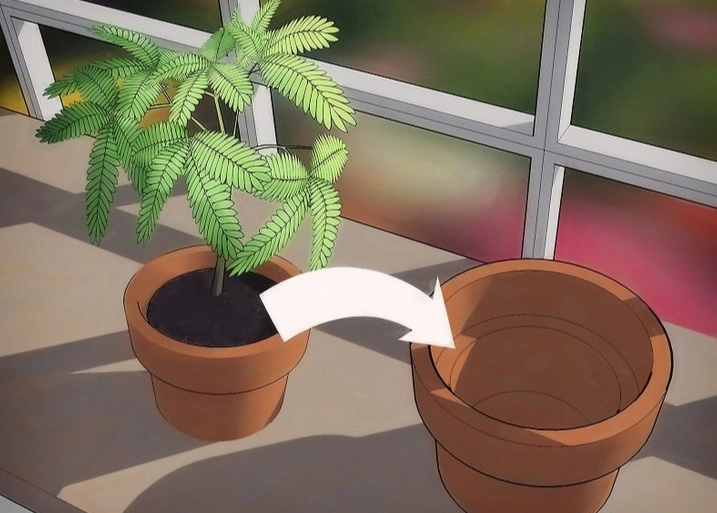
Common Repotting Mistakes to Avoid
Here's where experience counts. A mistake I see often: using garden soil for indoor plants. It's too dense and can introduce pests. Stick to potting mixes.
Another error: repotting into a pot that's too large. It might seem generous, but excess soil holds moisture, leading to root rot. Go up gradually.
Don't fertilize immediately. New soil has nutrients, and roots need time to heal. Fertilizing too soon can burn them. Wait 4-6 weeks.
Ignoring root inspection. Always check for rot or pests. Once, I repotted a plant without looking and spread spider mites to my collection.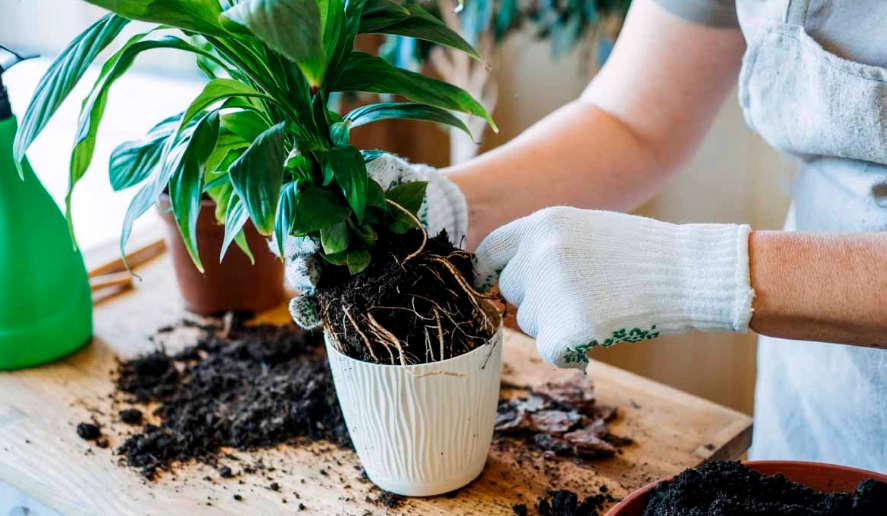
Post-Repotting Care Tips
After repotting, plants might droop or lose a few leaves—it's normal shock. Keep them in a stable environment: avoid direct sun, drafts, or temperature swings. Mist the leaves if your home is dry, but don't overdo it.
Monitor watering closely. Let the top inch of soil dry out before watering again. According to the University of Florida IFAS Extension, overwatering is the top cause of post-repotting failure.
Resume normal care after a couple of weeks. If growth picks up, you've succeeded. If not, reassess light or humidity.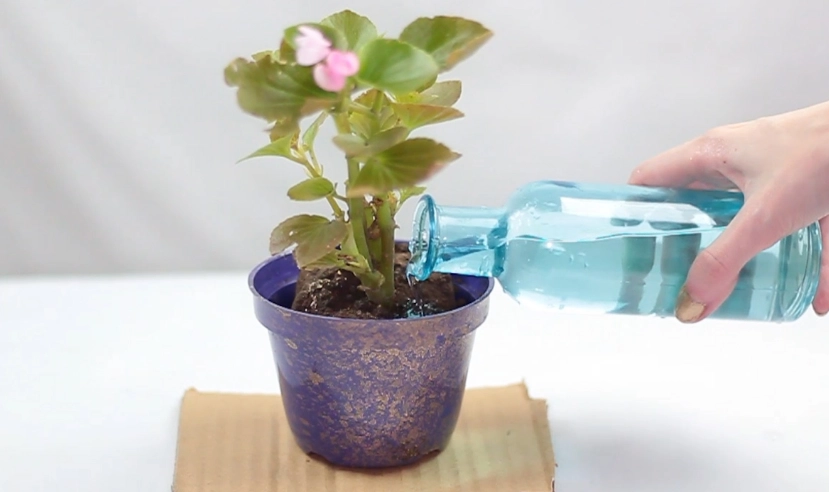
Your Repotting Questions Answered
Repotting is a skill that gets easier with practice. Start with a hardy plant like a snake plant to build confidence. Remember, it's about giving your green friends room to grow. Happy repotting!