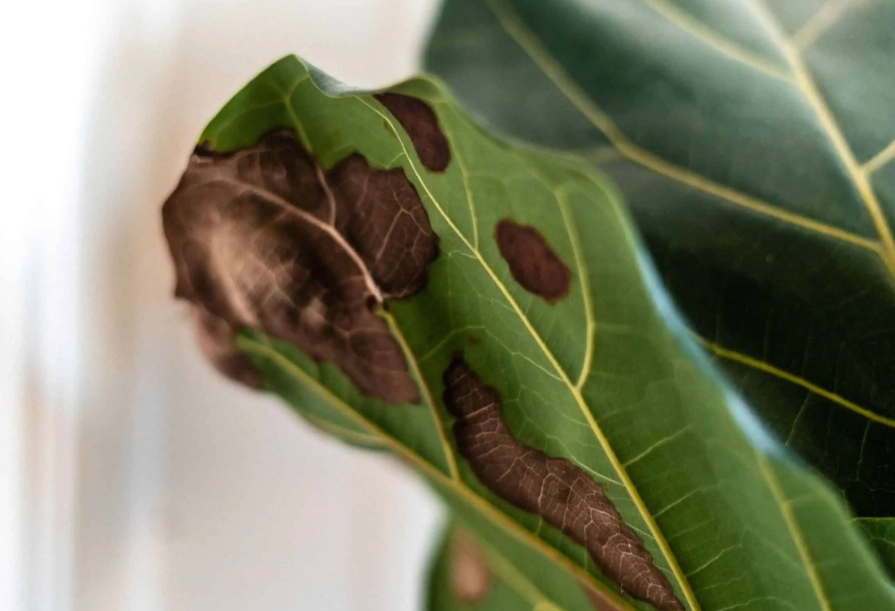
You're watering, you're giving it light, but those ugly brown spots keep spreading across your plant's leaves. It's frustrating. Before you reach for the nearest fungicide spray, stop. The biggest mistake I see—and I've made it myself—is assuming every brown spot is a disease. It's not. Jumping straight to treatment without a proper diagnosis is like taking antibiotics for a broken leg. It won't work, and you'll waste time while your plant suffers.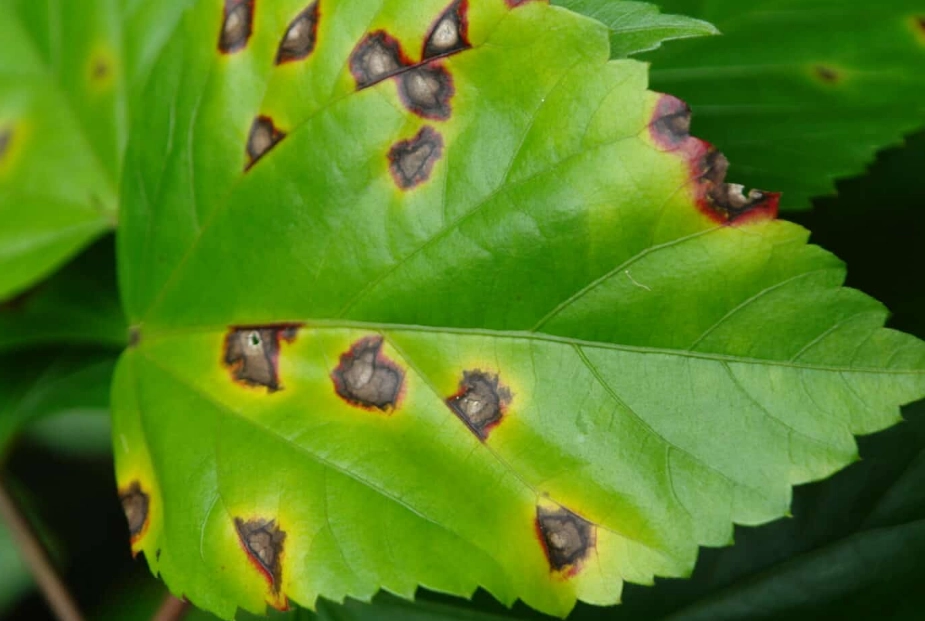
What's Inside This Guide
The Golden Rule: Diagnosis Before Treatment
Let me tell you about my fiddle leaf fig. It developed crisp brown spots along the edges. My first thought? Fungus. I sprayed it. The spots got worse. Turns out, I had it placed near a heating vent. The dry, hot air was literally scorching the leaves. The spray did nothing but add moisture to an already stressed plant. That experience taught me to slow down and investigate.
A brown spot is a symptom. Your job is to be a plant detective. The pattern, location, texture, and even the time of year are all clues. Is the spot crispy or mushy? Is it on new growth or old leaves? Is there a yellow halo? Asking these questions first will save you and your plant a lot of grief.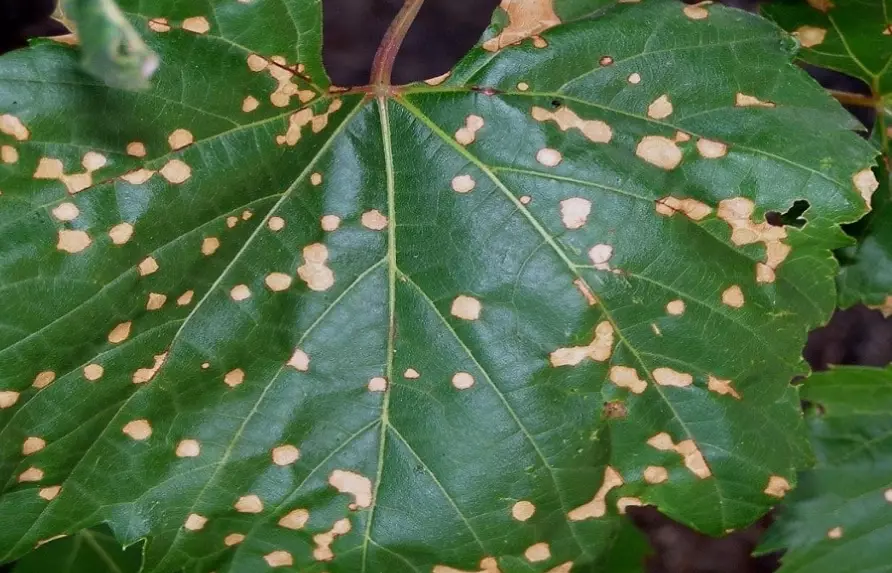
Quick Tip: Grab a magnifying glass. Seriously. Looking closely can reveal tiny insects, fungal bodies, or physical damage you'd miss with the naked eye. It's the single best tool for early diagnosis.
The 4 Main Culprits Behind Brown Spots
Here’s the breakdown. In my experience, the order of likelihood is often the reverse of what most blogs tell you.
| Cause | What to Look For (The Clues) | Commonly Affects |
|---|---|---|
| 1. Watering & Environmental Stress | Crispy edges, spots on leaf tips, lower leaves affected first. Soil is either bone dry or soggy. Spots from sunburn look bleached before browning. | Peace Lilies, Dracaenas, Fiddle Leaf Figs, most houseplants. |
| 2. Fungal or Bacterial Disease | Spots with defined edges, sometimes a yellow "halo." May have concentric rings. Can feel mushy (bacterial) or papery (fungal). Often spreads in humid, stagnant air. | Roses, Tomatoes, Monstera, Hydrangeas. |
| 3. Pest Damage | Tiny, stippled spots (like pinpricks), often yellowing around them. You might see webbing (spider mites) or sticky residue (aphids, scale). Look on leaf undersides. | Citrus trees, Ivy, Calatheas, many indoor plants. |
| 4. Nutritional Deficiency | Odd patterns: brown spots on leaf margins (potassium), between veins (magnesium), or distorted new growth (calcium). Affects many leaves uniformly. | Tomatoes/Peppers (blossom end rot), Palms, Acid-loving plants. |
See how watering issues are first? That's the non-consensus part. In controlled indoor settings, we cause more problems with our watering cans than any pathogen does. The Royal Horticultural Society notes that overwatering is the most common cause of plant demise, often manifesting as leaf spots and rot.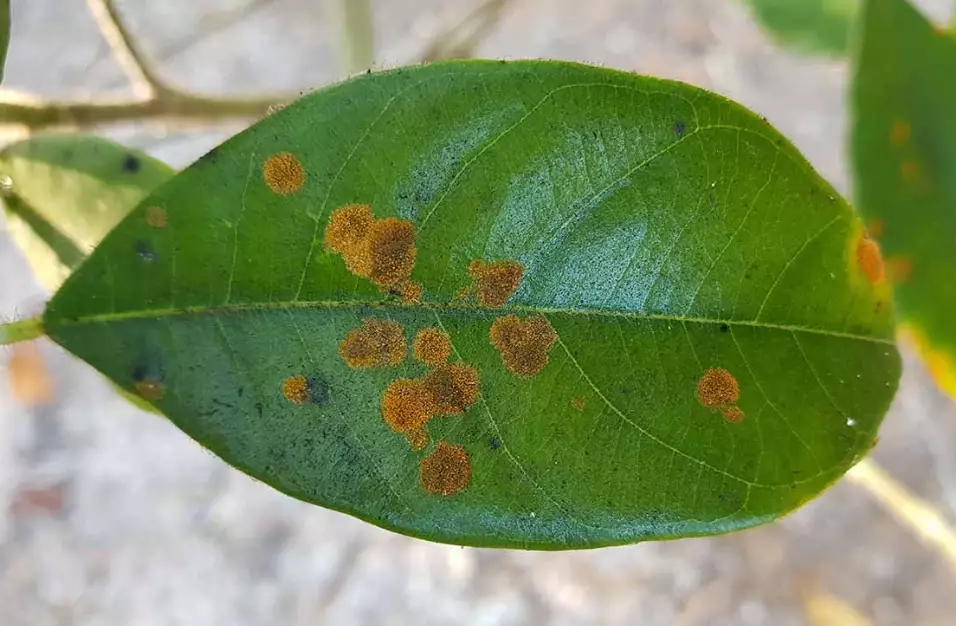
Your Step-by-Step Leaf Spot Investigation
Don't guess. Follow this checklist.
Step 1: The Touch & Soil Test
Press your finger into the soil. Is it wet, damp, or dry an inch down? Now touch the brown spot. Is it crispy and dry? Think underwatering, low humidity, or sunburn. Is it soft, mushy, or wet? Think overwatering (which leads to root rot and fungal issues) or bacterial disease.
Step 2: The Pattern & Location Analysis
Where are the spots?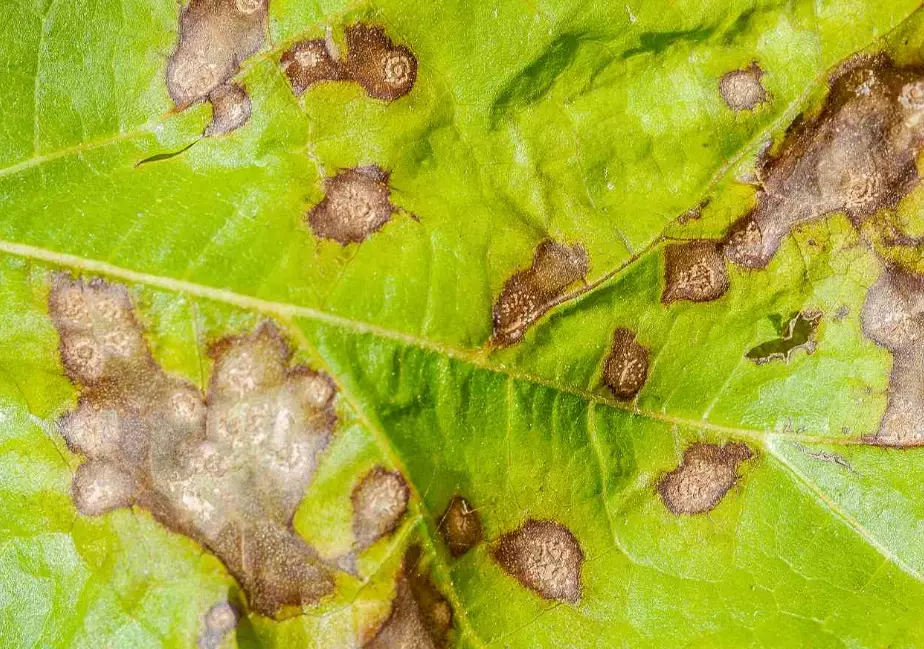
- Leaf edges and tips: Almost always environmental—low humidity, tap water chemicals (fluoride/chlorine), or salt buildup from fertilizer.
- Random, scattered spots: More likely disease or pests.
- Concentrated on new growth: Could be sunburn, pests, or a calcium deficiency.
- Only on lower, older leaves: Often a watering issue or natural senescence.
Step 3: The Underside & Magnifying Glass Inspection
This is critical. Turn the leaf over. Look for:
- Tiny moving dots: Spider mites or thrips.
- Small, bumpy shells: Scale insects.
- White, cottony masses: Mealybugs.
- Fuzzy mold or tiny black dots: Fungal structures.
Isolation is Key: If you suspect pests or a contagious disease, isolate the plant immediately. Move it away from others to prevent spreading while you treat it. This simple step is often overlooked until it's too late.
Targeted Treatment Protocols for Each Cause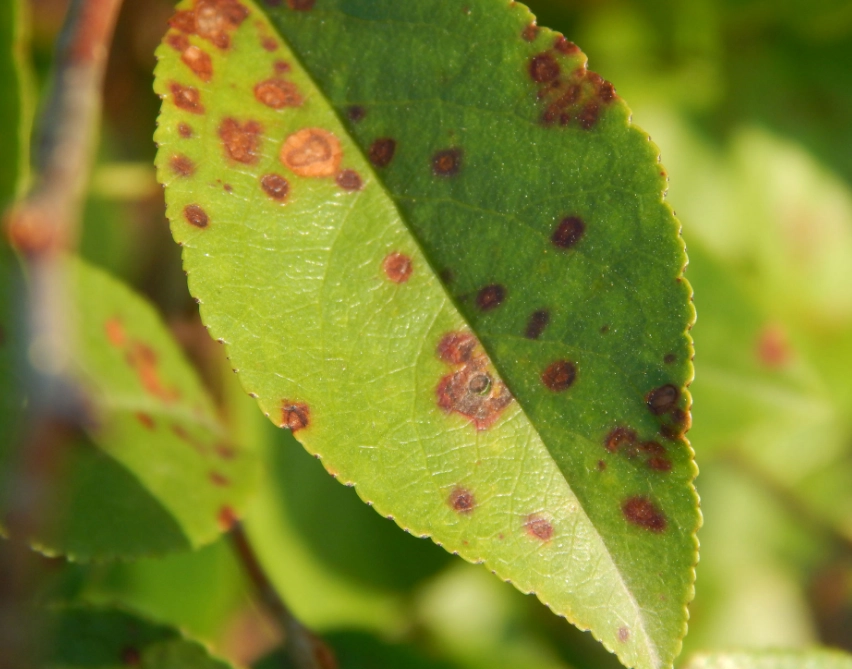
Now that you have a likely diagnosis, here’s how to fight back.
For Watering/Environmental Issues
Fix the environment, not just the water.
- Water deeply until it runs out the drainage holes, then let the top 1-2 inches of soil dry out. No more scheduled watering. Check the soil.
- Use filtered or rainwater for sensitive plants like calatheas to avoid chemical burns.
- Increase humidity with a pebble tray or humidifier, don't just mist. Misting often promotes fungal growth.
- Move plants away from drafty windows, heating vents, or intense afternoon sun.
For Fungal/Bacterial Diseases
Sanitation is your first weapon.
1. Prune affected leaves. Use sterilized scissors (wipe with rubbing alcohol). Dispose of them in the trash, not the compost.
2. Improve air circulation. A small fan nearby can work wonders.
3. Apply treatment. For early-stage fungus, a homemade spray of 1 tablespoon baking soda, 1 teaspoon mild soap, and 1 gallon of water can help. For tougher cases, use a copper-based fungicide for fungal issues or a bactericide labeled for plant use. Always follow label instructions.
For Pest Infestations
Start gentle, escalate as needed.
- First: Blast leaves with water in the shower to dislodge mites and aphids.
- Second: Wipe leaves with a solution of mild soap and water.
- Third: Apply horticultural oil (like neem oil) or insecticidal soap, thoroughly coating the undersides of leaves. Repeat weekly for 3-4 weeks to break the life cycle.
For Nutritional Problems
Don't just dump fertilizer. It can burn roots. Flush the soil with water to remove salt buildup, then apply a balanced, water-soluble fertilizer at half-strength. For specific issues like blossom end rot in tomatoes (a calcium problem), ensure consistent watering and consider a calcium supplement.
Long-Term Prevention: Building Plant Resilience
The goal isn't to become a full-time plant doctor. It's to create conditions where problems are rare.
Water wisely. This is 80% of prevention. Get to know each plant's needs. A moisture meter is a cheap and game-changing tool that takes the guesswork out.
Promote airflow. Stagnant, humid air is a disease party. Space your plants out. Open a window sometimes.
Quarantine new plants. Always. Keep them separate for 2-3 weeks to ensure they're not harboring pests or disease.
Clean leaves regularly. Dust blocks light and attracts pests. A gentle wipe with a damp cloth keeps leaves breathing and lets you spot problems early.
Use clean pots and fresh soil when repotting. Old soil can harbor pathogens.
It sounds simple, but consistency here eliminates most causes of brown spots before they start.