You water it, you give it light, you talk to it (maybe). Yet, there it is—a sickly yellow leaf staring back at you. It's frustrating, I know. I've killed my share of plants by misdiagnosing this very issue. Yellow leaves aren't a single problem; they're a symptom, a distress signal in a language we need to learn. The good news? Once you know how to listen, fixing yellow leaves becomes straightforward, almost methodical.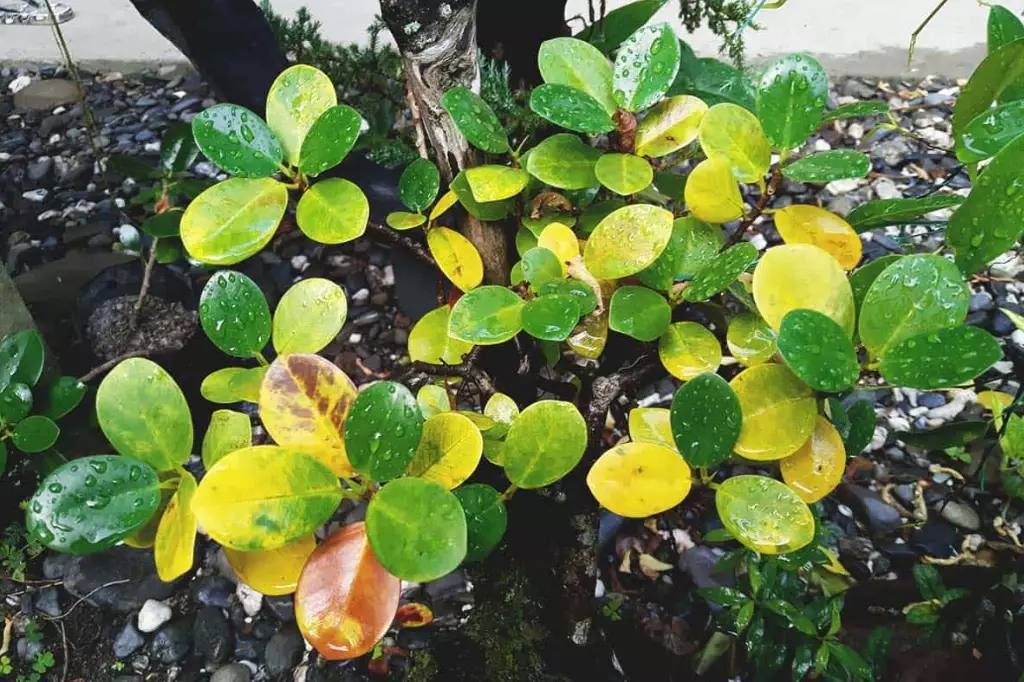
Forget the one-size-fits-all advice. Overwatering is the usual suspect, but blaming it every time is how I lost a beautiful calathea to an iron deficiency I completely missed. The pattern, location, and progression of the yellowing tell the real story.
Quick Navigation: Find Your Plant's Problem
The Step-by-Step Diagnosis Map: Look at the Leaves First
Before you do anything—before you water, fertilize, or repot—stop and observe. The leaves hold the clues. Ask yourself these questions:
Where is the yellowing happening?
Is it the older, lower leaves turning yellow first? This often points to a mobile nutrient issue (like Nitrogen) or natural aging. New growth at the top turning pale yellow or white? That screams immobile nutrient deficiency (Iron, Calcium) or severe light stress.
What's the pattern?
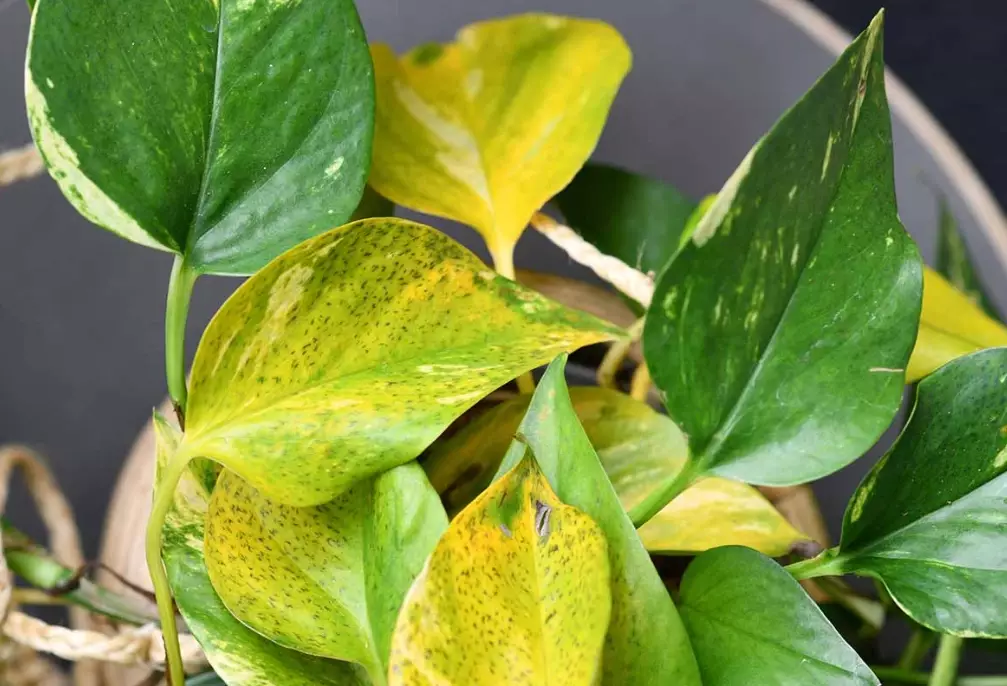
Uniform yellowing across the whole leaf? Think big-picture issues: overwatering, general hunger (Nitrogen), or low light. Yellowing between the veins while veins stay green (interveinal chlorosis)? That's a classic sign of micronutrient problems, most commonly Iron or Magnesium.
Are there other symptoms?
Check for brown crispy tips (could be low humidity, salt buildup, or fluoride in water), wilting (over or under-watering), or leaves dropping. Feel the soil. Is it soggy wet bone dry, or just moist? Lift the pot. Does it feel suspiciously light or heavy?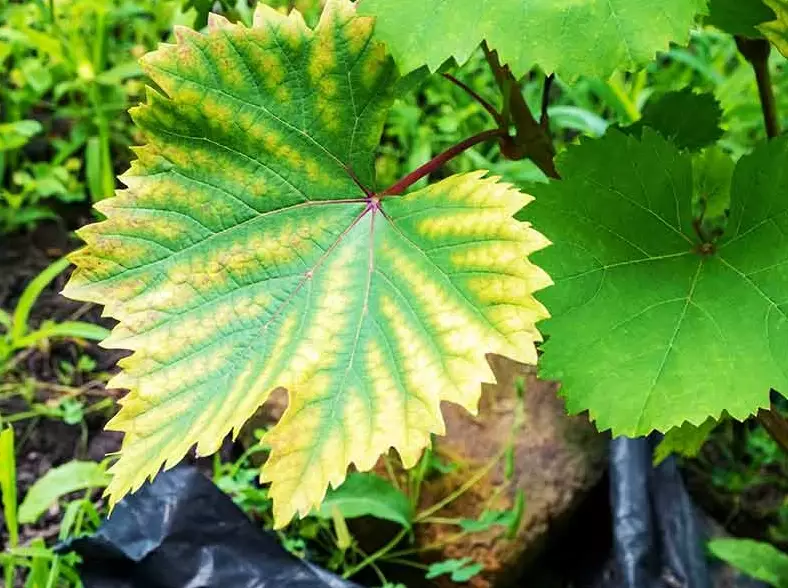
This quick observational checklist narrows down the cause by 80%. The table below translates leaf clues into probable causes.
| Yellowing Pattern & Location | Most Likely Causes (in order) | Quick Action Check |
|---|---|---|
| Older, lower leaves yellowing uniformly | 1. Nitrogen Deficiency 2. Natural Senescence (aging) 3. Insufficient Light |
Check fertilizer schedule. Is the plant in a dim corner? |
| New growth pale yellow or white | 1. Iron Deficiency 2. Extreme Overwatering 3. Root Damage |
Test soil pH. Are roots brown and mushy? |
| Yellow between veins, veins stay green | 1. Iron or Magnesium Deficiency 2. High Soil pH (locking out nutrients) |
Most common in acid-loving plants (gardenias, blueberries). Get a pH test. |
| Whole plant yellowing, leaves may wilt | 1. Chronic Overwatering (Root Rot) 2. Severe Underwatering 3. Pest Infestation (root or sap-feeders) |
Inspect roots immediately. Check for bugs under leaves and on stems. |
| Random yellow spots or patches | 1. Fungal or Bacterial Disease 2. Sunburn (if in direct, hot sun) 3. Pest Damage (e.g., spider mites) |
Look for spots with distinct borders or tiny webbing. |
Expert Tip Most Guides Miss: Touch the yellow leaf. If it's mushy and falls off easily, think overwatering or disease. If it's dry, crispy, and brittle, think underwatering, low humidity, or chemical burn. This simple tactile test points you in the right direction instantly.
The Overwatering & Root Rot Trap: Why "Loving Them to Death" is Real
This is the number one killer of houseplants, bar none. It's not about the amount of water you give at one time, but the frequency. Roots need oxygen as much as they need water. Soggy soil suffocates them, leading to root rot—a fungal infection that turns healthy white roots into brown, mushy strings that smell foul.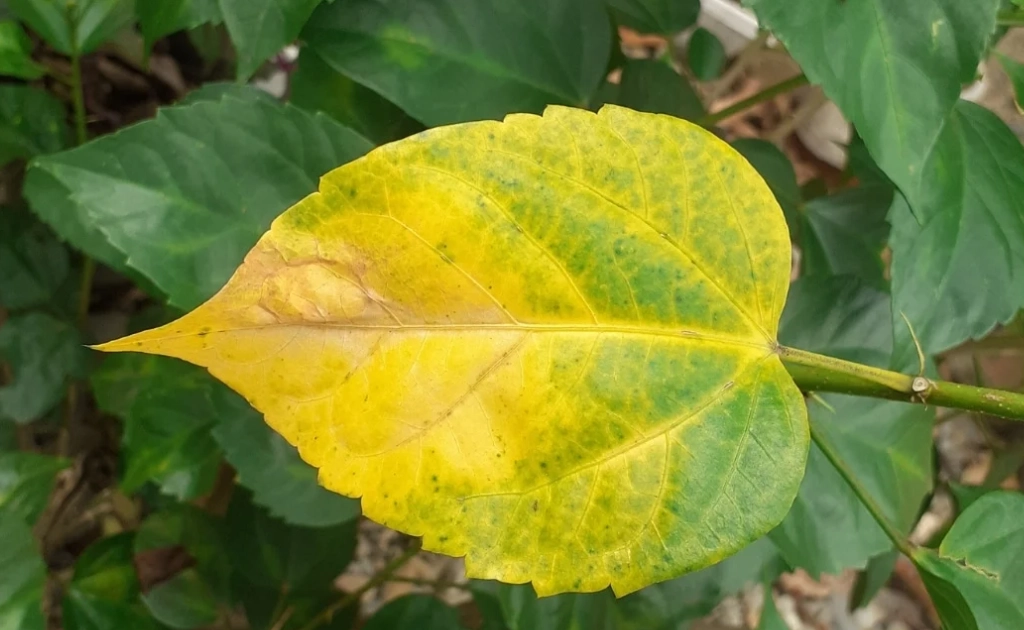
How do you know it's overwatering and not something else? The yellowing is often accompanied by a general look of unhappiness. Leaves might be limp, not perky, even though the soil is wet. The plant stops growing. In severe cases, you'll see black spots on stems or leaves.
How to Fix an Overwatered Plant (The Right Way)
First, stop watering. Let the soil dry out significantly. For a mild case, this might be enough.
If the plant is still declining, you must check the roots. Gently remove it from its pot. Shake off the soil and inspect. Healthy roots are firm and white or light tan. Rotten roots are dark brown/black, mushy, and often slough off.
Here's the critical, often skipped step: sterilize your scissors or shears. Use rubbing alcohol or a bleach solution. Cut away every single rotten root back to healthy tissue. Don't be shy. A few healthy roots are better than a pot full of dead ones. Repot in fresh, well-draining potting mix (never reuse old, soggy soil) and a pot with drainage holes. Do not fertilize. The plant is in shock; it needs to recover, not grow.
Water only when the top inch or two of soil is dry. Get a moisture meter if you struggle with this—it's a game-changer.
Decoding Nutrient Deficiencies: It's Not Just About Fertilizer
Plants need a balanced diet. The big three (Nitrogen-N, Phosphorus-P, Potassium-K) are on the fertilizer bag, but micronutrients like Iron, Magnesium, and Manganese are just as crucial. Yellow leaves often point to a deficiency, but throwing fertilizer at the problem can make it worse if the soil pH is off or if roots are damaged.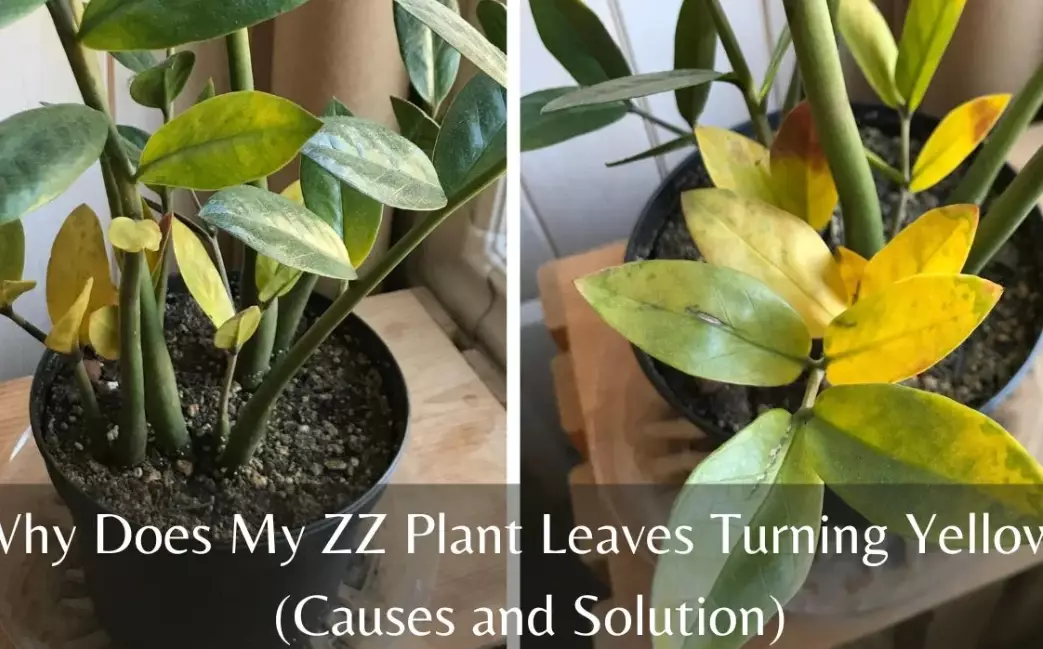
Nitrogen (N) Deficiency: Classic "older leaves turn uniformly yellow" as the plant moves N to support new growth. The whole plant may look pale. Common in fast-growing plants or those in pots where nutrients are depleted.
Fix: Apply a balanced, water-soluble fertilizer. For a quick green-up, a fertilizer with a slightly higher first number (N) can help.
Iron (Fe) Deficiency: The poster child for interveinal chlorosis. New leaves emerge yellow with green veins. It's rampant in acid-loving plants (azaleas, gardenias, blueberries) grown in alkaline soil. High pH (above 7) locks up iron, making it unavailable.
Fix: This is where most people fail. Applying standard fertilizer does nothing. You must lower the soil pH. For potted plants, repot with an acidic mix. Use a chelated iron supplement (like Ironite) as a foliar spray or soil drench—it's more readily absorbed. Getting a soil test from your local extension service (like the University of Florida IFAS Extension) is the only way to be sure.
Magnesium (Mg) Deficiency: Also interveinal chlorosis, but typically starts on older leaves. Veins stay green, tissue between turns yellow, sometimes with reddish-purple tints.
Fix: Epsom salt (magnesium sulfate) dissolved in water is a simple remedy. One tablespoon per gallon, applied as a soil drench every few weeks.
Light & Temperature Stress: The Environmental Shock
Too little light slowly starves a plant. It can't produce enough chlorophyll (the green pigment), so leaves turn pale yellow, and growth becomes leggy as it stretches for light. The solution is simple: move it to a brighter spot, but introduce it gradually to avoid sunburn.
Sunburn, however, causes distinct yellow or white patches that later turn brown and crispy, usually on the side facing the light source. It's a burn, plain and simple.
Temperature stress—cold drafts from windows or hot blasts from heaters—can also cause yellowing and leaf drop. Plants hate sudden change. Keep them away from air vents and drafty doors.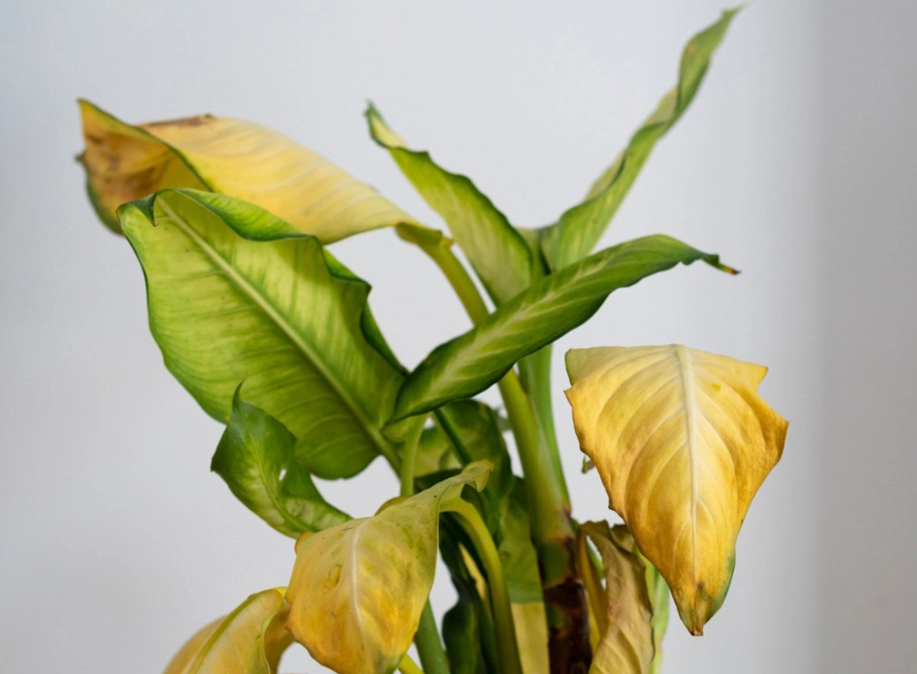
Pests and Diseases: The Stealthy Culprits
Sap-sucking pests like spider mites, aphids, and scale weaken plants, often causing stippled yellowing or general yellow decline. Check the undersides of leaves and stems. Spider mites leave fine webbing.
Fungal and bacterial diseases can cause yellow spots with halos or rings. These require removing affected leaves, improving air circulation, and avoiding overhead watering. In severe cases, a fungicide might be needed.
The key is regular inspection. Catching pests early makes all the difference.
Your Yellow Leaves Questions, Answered (By a Recovering Plant Killer)
Should I cut off the yellow leaves?
It depends. If the leaf is entirely yellow and crispy or mushy, go ahead and remove it. It won't recover and the plant can redirect energy. If there's still a lot of green, leave it—it's still photosynthesizing. For suspected disease, always remove affected leaves immediately and sterilize your tools after to prevent spread.
My indoor plant's bottom leaves keep turning yellow one by one. The top looks fine. What's wrong?
You're likely looking at a combination of natural aging and insufficient light. As plants grow, they shed older leaves to focus on new ones. In low light, this process accelerates because the lower leaves become inefficient. Try moving the plant to a brighter spot and ensure you're feeding it with a balanced fertilizer during the growing season.
 I just repotted my plant and now leaves are turning yellow. Did I kill it?
Probably not. Transplant shock is common. The roots were disturbed and need time to settle. Ensure you didn't pot it into a container vastly larger than the old one (only go up 1-2 inches in diameter), and that you're not overwatering in the new, damper soil mix. Give it consistent, indirect light and leave it alone for a week or two. Avoid fertilizing for at least a month.
How do I know if it's underwatering vs. overwatering? Both cause yellow leaves.
The leaf texture is the biggest clue. Underwatered yellow leaves are dry, crispy, and brittle, often starting at the tips and edges. The soil will be bone dry, and the pot will feel light. The plant may wilt. Overwatered yellow leaves are often soft, mushy, and limp. The soil stays wet, the pot feels heavy, and you might see mold on the soil surface. When in doubt, check the roots.
My water has fluoride/chlorine. Could that be causing yellow leaf tips?
Absolutely, especially for sensitive plants like spider plants, peace lilies, and dracaenas. Fluoride and chlorine can build up in the soil, causing "tip burn"—brown, crispy leaf tips that sometimes start with yellowing. Let tap water sit out for 24 hours before using to allow chlorine to evaporate (this doesn't remove fluoride). For fluoride, using distilled, rainwater, or filtered water is the best fix.
The journey from yellow back to green is a process of elimination. Start with the simplest checks: soil moisture and light. Then move to nutrients and pests. Don't try all the fixes at once. Change one variable, observe for a week or two, then adjust. Plants communicate; we just have to learn to see what they're showing us.