Let's be honest. A lot of landscaping advice out there feels like it's written for someone with a blank check and a team of gardeners. My backyard didn't start as a Pinterest board. It was a patchy lawn, a sad concrete slab, and a feeling of "where do I even begin?" I made every mistake—buying the wrong plants, ignoring drainage, creating a maintenance monster. After a decade of trial, error, and talking to pros, I learned that good landscaping isn't about expensive trends. It's about creating a space that works for your life, not against it.
This guide cuts through the fluff. We'll talk about real steps, realistic budgets, and how to avoid the pitfalls that waste time and money.
What's Inside This Guide
What Landscaping Really Is (It's Not Just Plants)
Most people think landscaping means going to the nursery and picking out pretty flowers. That's gardening. Landscaping is the overarching design and structure of your outdoor space. It's the "architecture" of your yard.
Think of it this way: gardening is the furniture and decor inside a house. Landscaping is the floor plan, the walls, the windows, and the foundation. You need the structure first.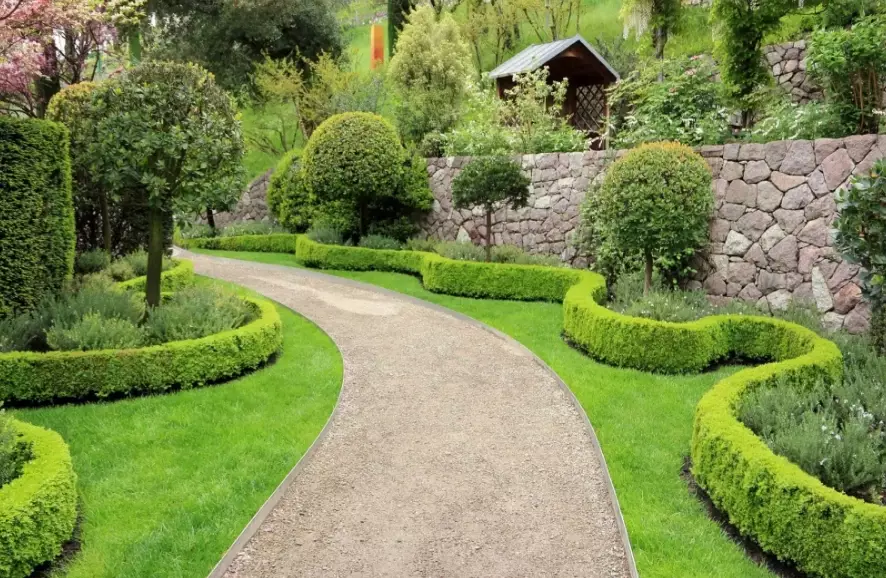
True landscaping considers:
- Hardscape: The non-living elements. Patios, walkways, retaining walls, decks, fences, pergolas.
- Softscape: The living elements. Trees, shrubs, flowers, grass, ground covers.
- Hydrology: How water moves across your property. The single biggest cause of failed projects is ignored drainage.
- Function: How you'll use the space. Barbecuing? Kids playing? Dog running? Quiet coffee spot?
If you only focus on plants, you're decorating a room that hasn't been built yet.
The Non-Negotiable Planning Phase
Skip this, and I promise you'll regret it. I did. Planning isn't about a fancy CAD drawing. It's about answering basic questions on paper before you spend a dime.
Your 1-Week Yard Observation Checklist
Before you draw anything, just observe. For one week, note:
- Sun Tracker: Where is the sun at 9 AM, noon, and 4 PM? Which areas get full sun (6+ hours), part sun, or full shade?
- Water Watch: Where does water pool after a rain? Where does it run off from your roof? This tells you where you need drainage or maybe a rain garden.
- Wind & Noise: Which side gets the prevailing wind? Where is street noise loudest? Plant a dense hedge there.
- The "How I Live" Test: Where do you naturally walk? Where does the dog always go? Where would you actually sit?
Now, grab graph paper or a simple app. Draw your property boundaries. Then, use bubbles to zone areas: Dining/Entertaining, Play, Utility (compost, bins), Vegetable Garden, Quiet Retreat. Connect them with logical path lines.
This bubble diagram is your master plan. It prevents the scattershot approach of "let's put a tree here and a bench there."
Core Elements Breakdown: From Soil to Style
1. The Foundation: Soil & Drainage
This is the most boring and most critical part. You can't build a castle on sand. Get a soil test from your local cooperative extension office (search "[Your County] cooperative extension soil test"). It costs about $20 and tells you your soil's pH and nutrient profile. Planting without this is like baking without knowing if you have flour or salt.
For drainage, the cheap test is the percolation test: dig a hole 1 foot deep, fill it with water. If it drains in under 4 hours, you're okay. If not, you may need French drains, dry creek beds, or raised beds.
2. Hardscape: The Bones of the Yard
Start with paths and patios. They define space. A common mistake is making paths too narrow. For one person, a path should be at least 3 feet wide. For two to walk side-by-side, 4-5 feet.
Material choice matters. Poured concrete is cost-effective but can crack. Pavers are more forgiving and offer design flexibility but cost more in materials and labor. Gravel is cheap and drains well but needs edging to contain it and isn't great for high-traffic dining areas.
3. Softscape: The Flesh and Clothing
Here's the expert tip most beginners miss: Plant in layers and masses. Don't buy one of everything. It looks like a plant collector's yard, not a designed space.
- Layer 1: Canopy Trees. Tall trees for shade and structure. Think about mature size—will it hit power lines?
- Layer 2: Understory Trees & Large Shrubs. Smaller trees and big shrubs that thrive under partial shade.
- Layer 3: Shrubs & Ornamental Grasses. Your workhorses. They provide year-round form.
- Layer 4: Perennials & Ground Covers. For color and texture. Group the same plant in odd-numbered drifts (3, 5, 7).
- Layer 5: Annuals & Bulbs. The seasonal pop of color.
Always choose plants suited to your USDA Hardiness Zone and sun/water conditions. A plant from the American Horticultural Society's "Plant Heat-Zone Map" guide is a good resource for heat tolerance.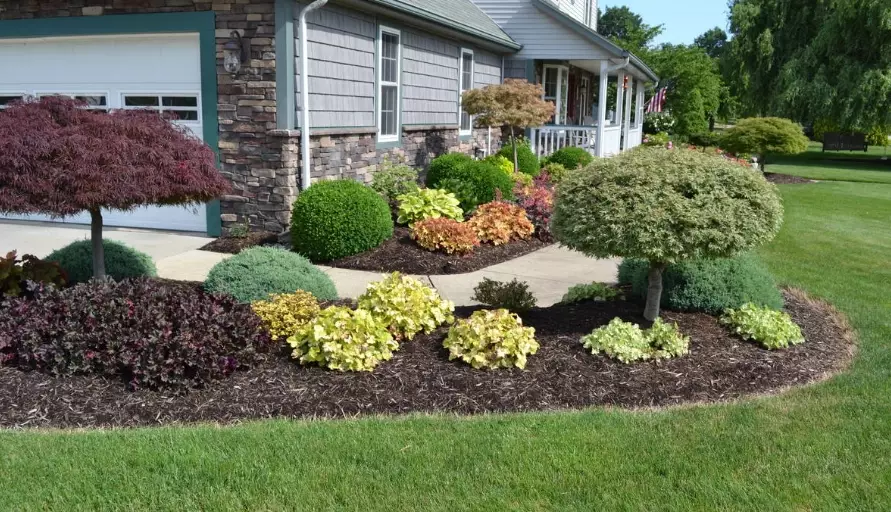
DIY vs. Hiring a Pro: A Realistic Cost & Skill Comparison
This decision breaks more projects than any other. Let's get real about what you can and shouldn't do.
| Project Type | DIY Feasibility | Pro Needed For | Cost Range (Materials Only vs. Pro Installed) |
|---|---|---|---|
| Planting Beds & Mulching | High. Great beginner project. Focus on proper hole depth (2x root ball width) and amending soil. | If you need large trees craned in or have complex grading. | $200-$800 DIY / $1,500-$4,000+ Pro |
| Paver Patio (10'x12') | Medium-High. Labor-intensive but learnable. Critical steps: proper excavation (6-8"+), gravel base, sand leveling, and compaction. Renting a plate compactor is a must. | If the site has significant slope requiring a retaining wall or perfect leveling is crucial. | $1,000-$2,000 DIY / $3,500-$7,000 Pro |
| Retaining Wall (for leveling) | Low. This is structural engineering. Improper drainage (weep holes, gravel backfill) leads to wall failure and potential collapse under soil pressure. | Almost always. Permits may be required. Pros understand load, drainage, and footer depth. | N/A (Not recommended) / $4,000-$15,000+ Pro |
| Drip Irrigation System | Medium. Kits are available. Requires planning zones based on plant water needs and connecting to a water source with a pressure regulator and timer. | Complex systems for large properties or tying into main supply lines. | $150-$500 DIY / $1,000-$3,000 Pro |
| Landscape Design Plan | You can do the bubble diagram and research. For a polished, plant-specific plan. | Hiring a landscape designer for a consultation ($300-$800) or full plan ($1,000-$3,000) is a brilliant hybrid move. You get expert layout and plant lists, then DIY the labor. | $0 DIY / $300-$3,000 Pro Plan |
The hybrid approach is often the winner. Pay for professional wisdom on the front end (design, complex structures), then save on labor for the execution you can handle.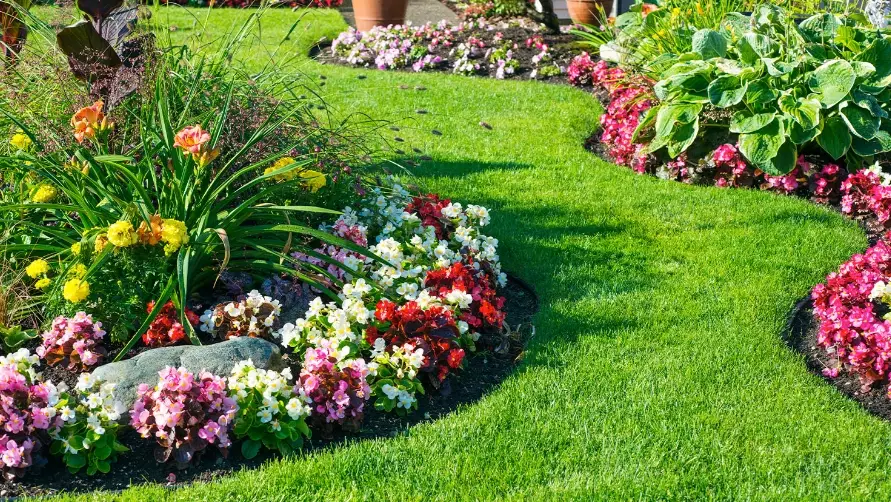
Keeping It Alive: Maintenance Made Simple
Design for the maintenance you're willing to do. Love puttering? Go for high-maintenance roses and annual beds. Want weekends free? Choose a low-maintenance landscape.
Low-Maintenance Must-Dos:
- Mulch Deeply: 3-4 inches of arborist wood chips (not dyed bark) suppresses weeds, retains moisture, and feeds soil as it breaks down. It's the #1 time-saver.
- Right Plant, Right Place: A sun-loving, drought-tolerant plant in shade will be weak and pest-prone. Match the plant to the spot.
- Automate Watering: A drip irrigation system on a timer saves hours and water. Soaker hoses are a cheaper, less precise alternative.
- Limit Lawn: Lawn is the most water, chemical, and labor-intensive feature. Reduce its size, replace with ground cover (clover, creeping thyme) or ornamental grasses.
Prune shrubs based on their flowering time. Spring bloomers (lilac, forsythia) flower on old wood—prune right after they bloom. Summer bloomers (butterfly bush, hydrangea) flower on new wood—prune in late winter/early spring.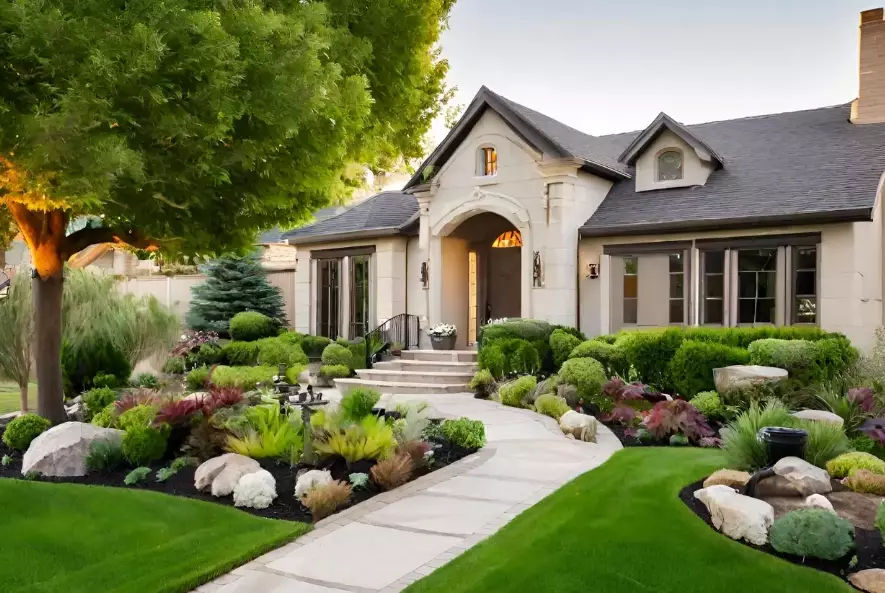
Your Landscaping Questions, Answered
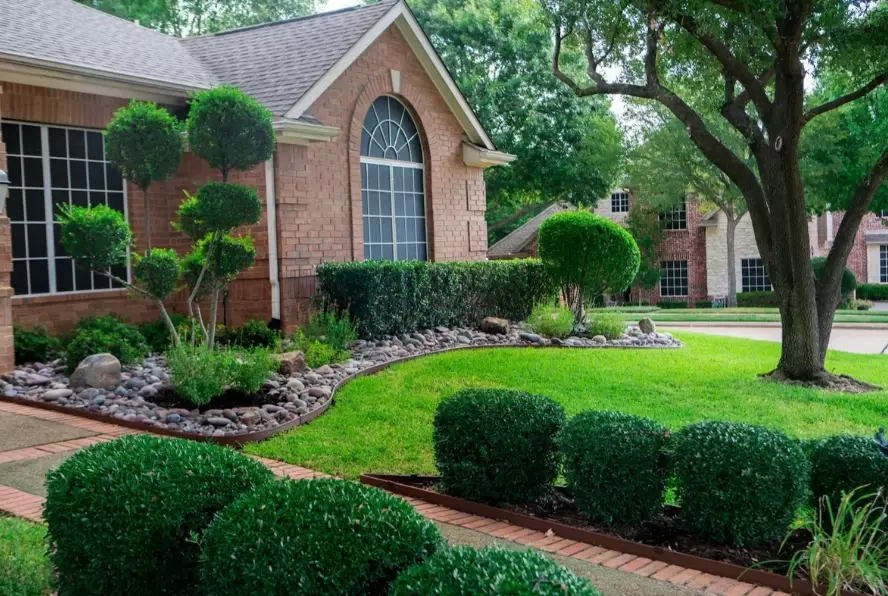 The goal isn't a magazine cover that lasts a month. It's a living space that grows with you, feels like a part of your home, and doesn't become a second job. Start with observation, plan on paper, build good bones, and plant thoughtfully. Your future self—enjoying a cold drink in a yard that just feels right—will thank you.