You're walking through a park, and a stunning flower catches your eye. What is it? If you're like me a decade ago, you'd shrug and move on. But now, with a few tricks, you can name that plant in minutes. Plant identification isn't just for botanists—it's a skill that connects you to nature, helps your garden thrive, and even aids conservation. In this guide, I'll share everything I've learned from years of trial and error, from using apps to avoiding the pitfalls that trip up most beginners.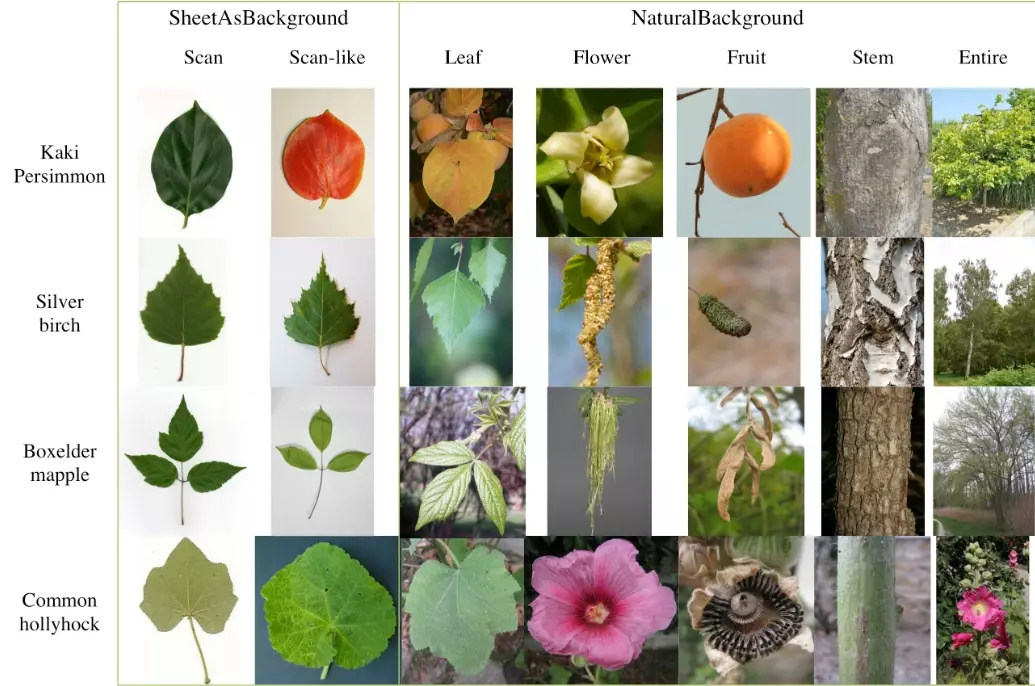
What You'll Learn in This Guide
- Why Plant Identification Matters More Than You Think
- How to Identify Plants: A No-Nonsense Step-by-Step Approach
- Top Tools for Plant Identification: Apps, Guides, and More
- Common Pitfalls and How to Avoid Them (From Experience)
- Advanced Techniques for When Apps Fail You
- Your Burning Questions Answered
Why Plant Identification Matters More Than You Think
It's not just about naming plants. Knowing what's growing around you can prevent allergic reactions, boost your gardening success, and contribute to scientific research. I once planted a "harmless" shrub that turned out to be invasive, choking out my native species. A quick identification could have saved me months of cleanup.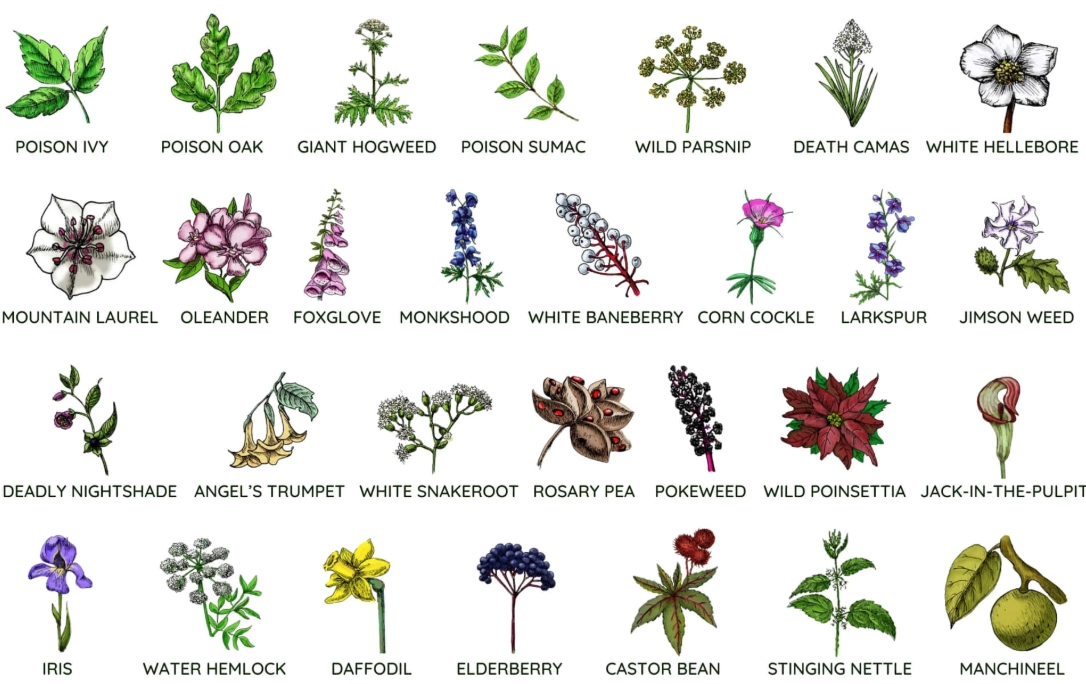
The Ecological and Practical Benefits
Think about it: if you can identify poison ivy, you avoid a itchy rash. If you know which plants attract pollinators, your vegetable garden yields more. Organizations like the USDA Plants Database rely on public contributions for tracking species distribution. By learning plant identification, you're joining a global community of citizen scientists.
How to Identify Plants: A No-Nonsense Step-by-Step Approach
Forget memorizing thousands of species. Start with this simple process I use every time I'm out in the field.
Using Your Senses: Sight, Touch, Smell
Look beyond the flowers. Check the leaves—are they opposite or alternate? Feel the stem—is it smooth or hairy? Smell it (carefully!)—some plants like mint have distinct aromas. I once identified a plant by its lemony scent alone, which the app missed completely.
Documenting Key Features
Grab your phone or notebook. Note these things:
- Leaf shape: Lanceolate, ovate, or something else? Draw it if you can.
- Flower details: Number of petals, color, arrangement.
- Habitat: Is it in a swamp, forest, or roadside? This clues you into the plant's identity.
Take multiple photos—close-ups of leaves, flowers, and the whole plant. A single blurry shot won't cut it.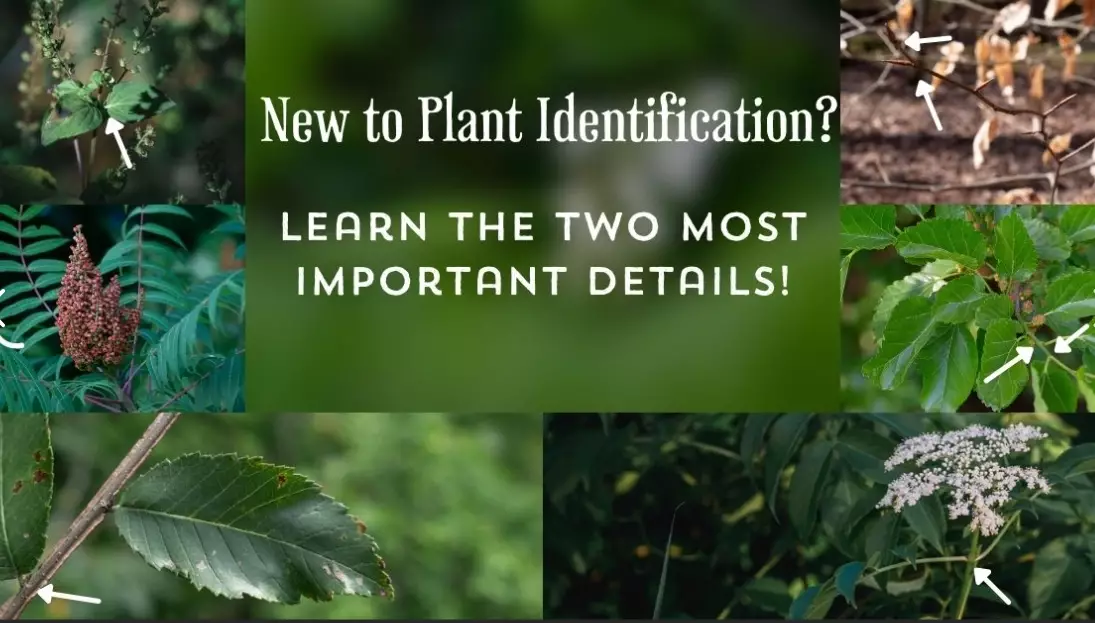
Top Tools for Plant Identification: Apps, Guides, and More
Here's where technology shines, but it's not a silver bullet. I've tested dozens of tools; these are the ones that actually work.
Mobile Apps: PlantNet, iNaturalist, PictureThis
Apps are great for quick checks. PlantNet is free and decent for common plants. iNaturalist connects you to experts—I've had botanists correct my IDs within hours. PictureThis is user-friendly but subscription-based. Below is a quick comparison based on my usage.
| App Name | Cost | Best For | Accuracy Note |
|---|---|---|---|
| PlantNet | Free | Common garden plants | Good for Europe, less so for rare species |
| iNaturalist | Free | Community verification | Slow but reliable, great for learning |
| PictureThis | Freemium | Beginners, instant results | Overconfident sometimes, cross-check needed |
Don't just rely on apps. I've seen PictureThis label a common weed as an exotic orchid—funny, but misleading.
Field Guides and Books
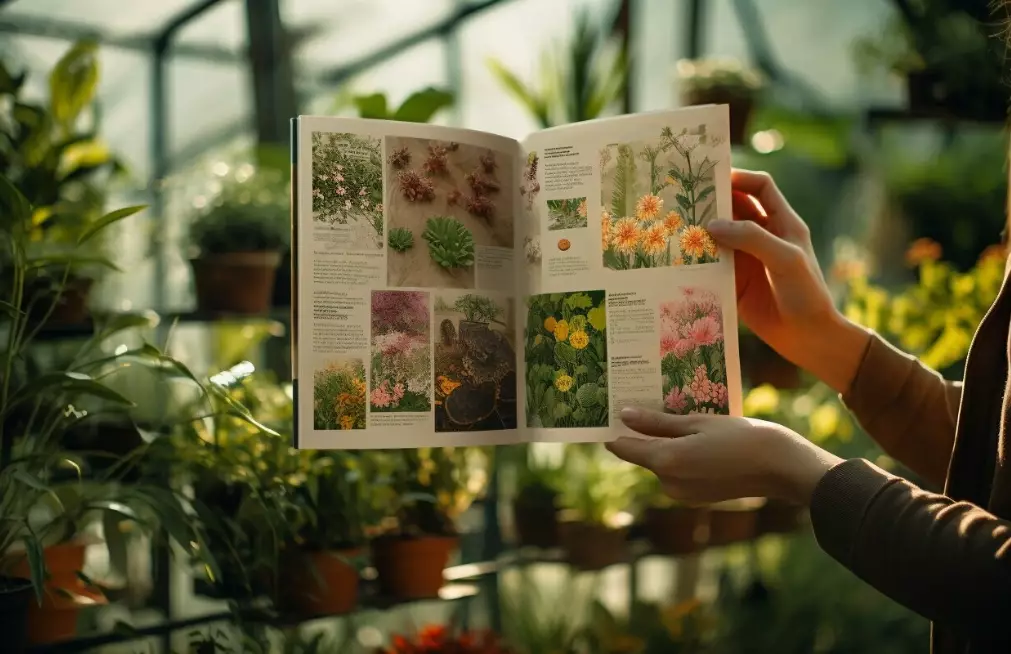
Old-school but gold. Get a regional guide like "Newcomb's Wildflower Guide" for the northeastern US. It uses a key system that forces you to observe details. I still carry a battered copy; it never runs out of battery.
Common Pitfalls and How to Avoid Them (From Experience)
We all make mistakes. Here are the big ones I've stumbled into, so you don't have to.
Misidentifying Similar Species
Queen Anne's lace vs. poison hemlock—they look alike, but one can kill you. The difference? Poison hemlock has purple spots on the stem. Always check multiple features, not just the flowers. I nearly made this error on a foraging trip; now I double-check every time.
Over-Reliance on Technology
Apps are tools, not experts. They fail in low light, with young plants, or for species not in their database. I once spent an hour arguing with an app that insisted a pine tree was a fern. Use apps as a starting point, then verify with other sources.
Advanced Techniques for When Apps Fail You
When you're stuck, these methods save the day.
Using Botanical Keys
Keys are step-by-step guides that ask questions about plant features. They're tedious but accurate. For example, a key might ask: "Leaves compound or simple?" Then branch from there. I learned this from a local botanist; it's like solving a puzzle. Start with online keys from universities—they're free and thorough.
Consulting Experts and Communities
Join groups on iNaturalist or Facebook. Post clear photos and your observations. I've gotten IDs from retired professors who love sharing knowledge. Don't be shy—most plant people are friendly and eager to help.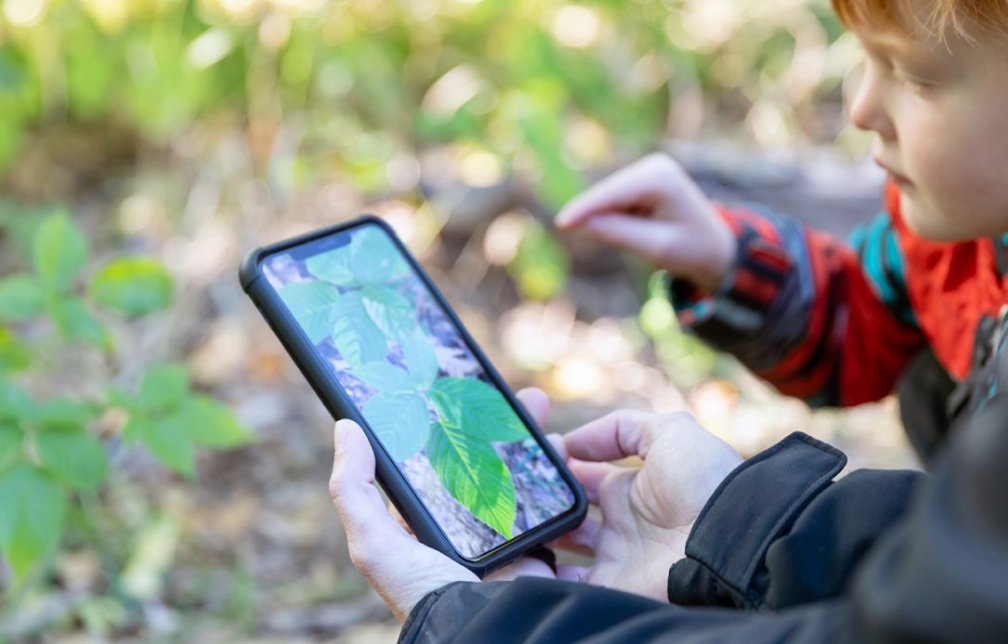
Your Burning Questions Answered
 Plant identification is a journey, not a destination. Start small, maybe with the weeds in your backyard. Use the tools I've shared, but trust your eyes too. Over time, you'll develop an instinct—I now spot poison ivy from across a field. It's empowering. And if you get stuck, remember: even experts ask for help. Happy identifying!
Reader Comments