What You'll Find in This Guide
You're out in the garden, and you spot a strange bug crawling on a leaf. What is it? Is it harmful? That spark of curiosity—that's where entomology begins. Forget the dusty textbooks; insect study is about getting your hands dirty and looking closer. I've been poking around insects for over a decade, and let me tell you, most guides get it wrong by making it too technical too fast. Here's a practical take that cuts through the jargon.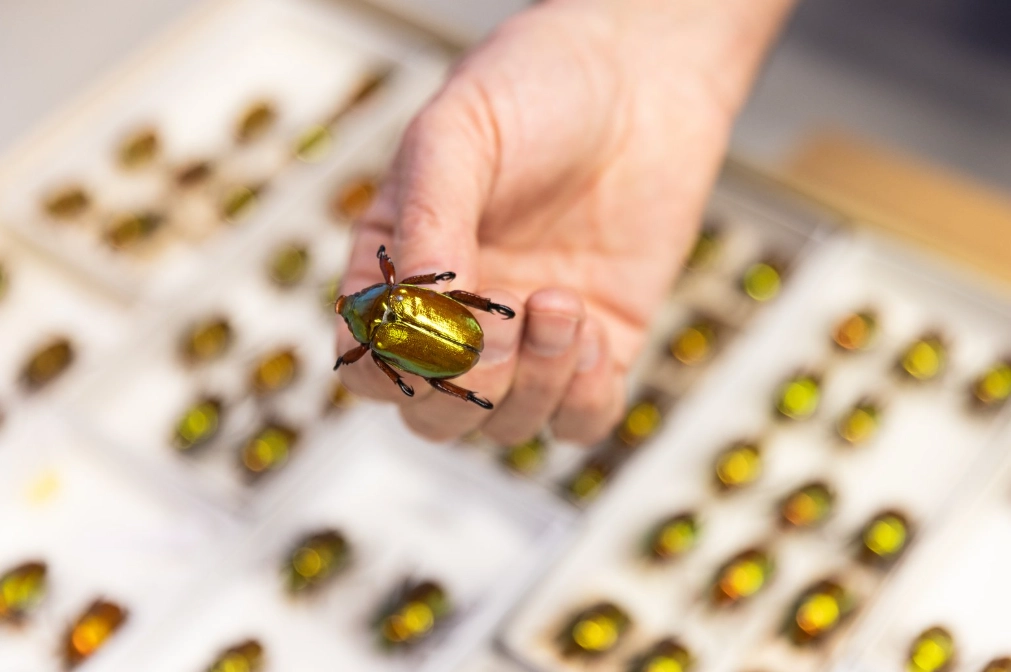
What is Entomology and Why Should You Care?
Entomology is simply the science of insects. But it's not just for academics in lab coats. Think about it: insects make up over 80% of all animal species. They pollinate our crops, decompose waste, and even solve crimes (more on that later). If you've ever swatted a mosquito or admired a butterfly, you've brushed against entomology.
Why bother? Because understanding insects can save your garden, satisfy your curiosity, and even contribute to conservation. A friend of mine ignored insect roles and used pesticides recklessly—her tomato yield plummeted. Learning the basics prevents such blunders.
A Brief History of Insect Study
People have studied insects for millennia, but modern entomology took off in the 18th century with folks like Carl Linnaeus classifying species. Today, it's a vibrant field blending ecology, genetics, and even tech. The Entomological Society of America publishes loads of resources, but for starters, you don't need a degree—just a keen eye.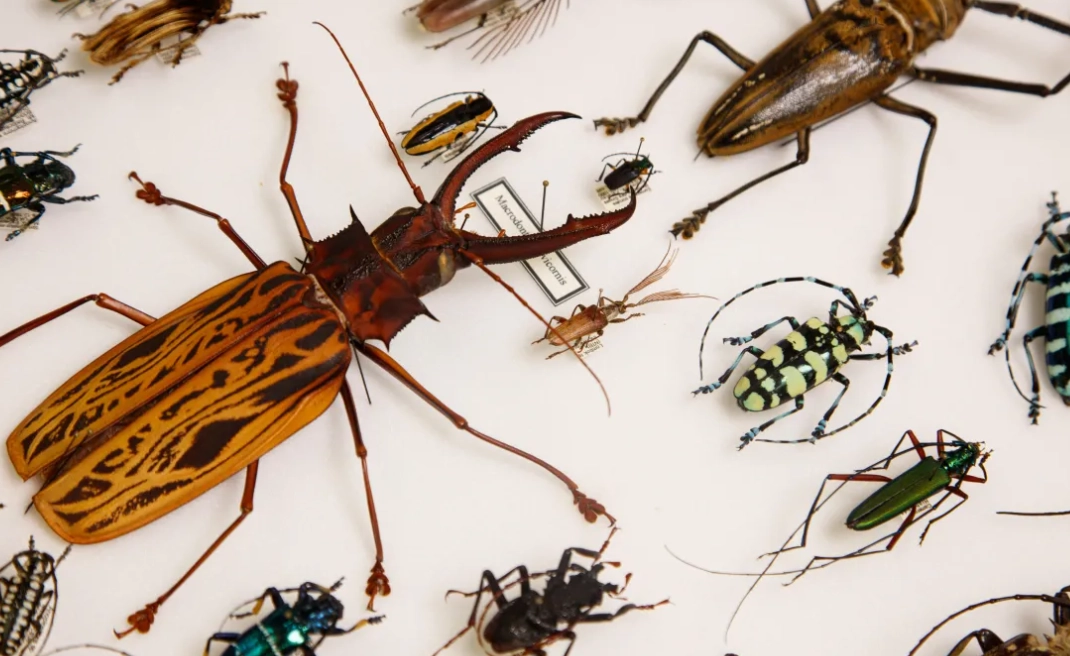
Getting Started with Insect Observation
Ready to dive in? Don't rush to buy expensive gear. I made that mistake early on, splurging on a high-end microscope when a simple hand lens would've sufficed. Start small.
Essential Gear for the Aspiring Entomologist
Here's what you actually need:
- A hand lens (10x magnification): Costs under $20. Look for one with a light—insects hide in shadows.
- A notebook and pen: Digital notes are fine, but paper forces you to sketch, which improves observation skills.
- A camera or smartphone: For photos, even basic ones help with ID later.
- Containers: Clear jars with holes for temporary viewing. Avoid kill jars unless you're collecting specimens for science.
Skip the fancy nets at first. Most insects are right under your nose.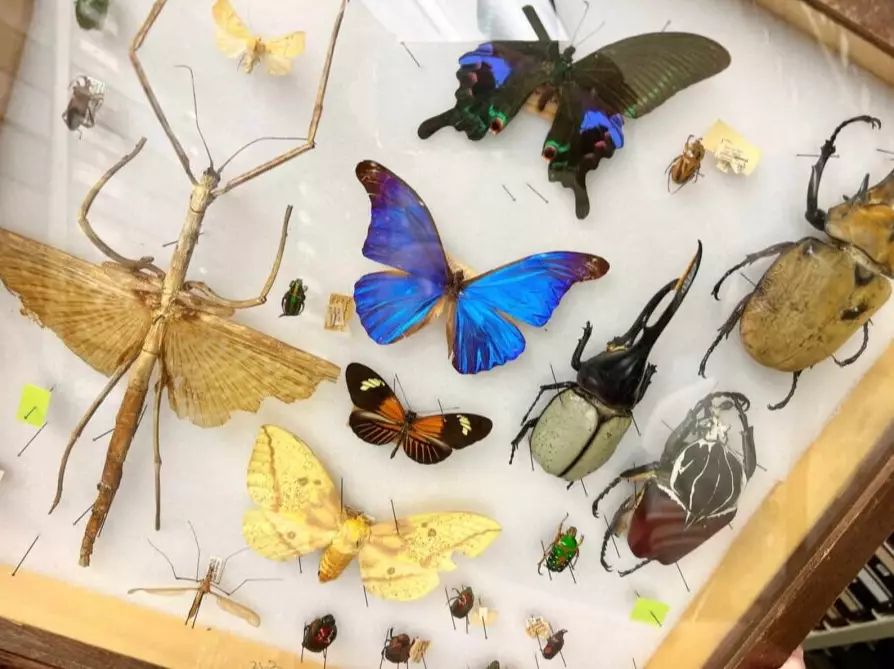
Where to Find Insects: Hotspots and Habitats
Insects are everywhere, but some spots are goldmines. Check:
- Your backyard: Under leaves, near flowers, in soil.
- Local parks: Especially near water sources or decaying wood.
- Gardens and farms: Pollinators love flowering plants.
Timing matters. Go out early morning or dusk—many insects are active then. I once spent midday searching and found almost nothing; lesson learned.
How to Identify Insects: A Step-by-Step Method
Identification trips up beginners. They focus on color, but that's unreliable—a moth can mimic a leaf. Here's a better approach.
- Observe from a distance: Note size, movement, and habitat. Is it flying erratically or crawling slowly?
- Check key features: Count wings (most insects have two pairs), look at antennae shape, and body segments. Use the table below for common orders.
- Use resources: Apps like iNaturalist are great, but cross-check with field guides. The BugGuide website is a free, community-driven gem.
Common Insect Orders You Need to Know
Here's a quick reference—memorize these, and you'll recognize most insects you encounter.
| Order | Examples | Key Features | Where to Find |
|---|---|---|---|
| Coleoptera | Beetles | Hard wing cases, chewing mouthparts | Under logs, on plants |
| Lepidoptera | Butterflies, moths | Scaly wings, coiled proboscis | Flowers, night lights |
| Hymenoptera | Bees, ants, wasps | Waisted body, often social | Nests, flowers |
| Diptera | Flies, mosquitoes | One pair of wings, halteres | Moist areas, garbage |
| Hemiptera | True bugs, aphids | Piercing-sucking mouthparts | Plant stems, leaves |
This table isn't exhaustive, but it covers the big players. Notice how features trump color—a ladybug (Coleoptera) and a firebug (Hemiptera) look similar but are worlds apart.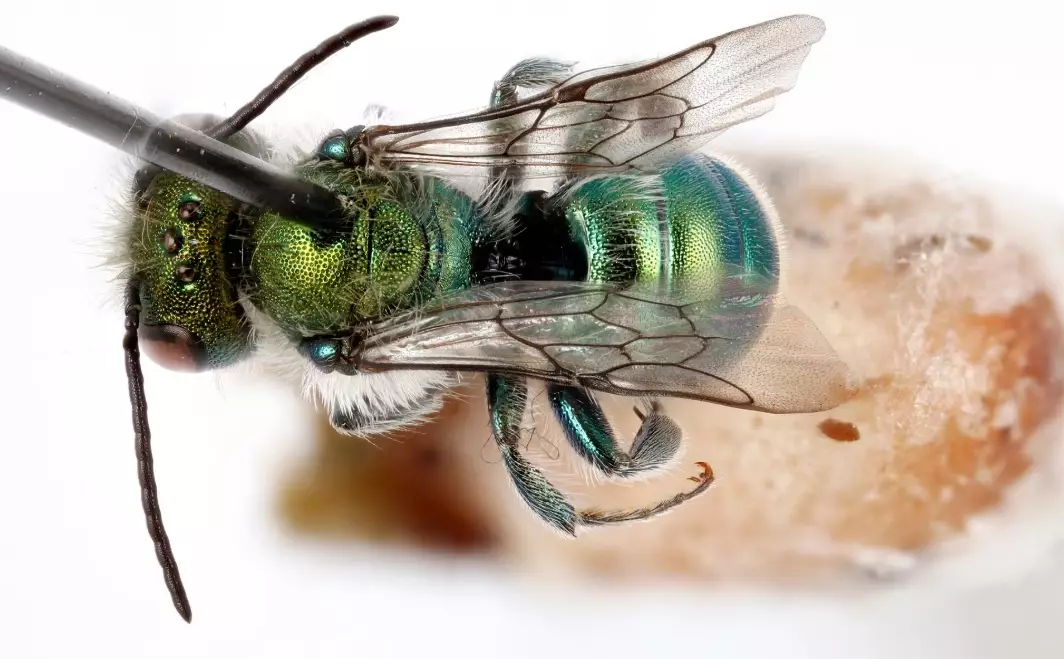
Entomology in Action: A Case Study on Pollinator Conservation
Let's get concrete. In 2022, I joined a community project in Oregon to monitor native bee populations. The goal: see how urban gardens affect pollination. We used simple pitfall traps and weekly counts.
What we found surprised us. Even small patches of native flowers boosted bee diversity by 40% over one season. But the kicker? Many participants misidentified hoverflies as bees—they're Diptera, not Hymenoptera. This messed up initial data. We fixed it by training everyone on wing count and antennae.
The takeaway: Entomology isn't just about naming bugs; it's about applying knowledge. Our data helped local parks plant more pollinator-friendly species. Check out the Xerces Society for invertebrate conservation—they've got guides on this stuff.
Advanced Topics: From Pest Control to Forensic Entomology
Once you're comfortable, entomology branches out. Two areas folks ask about: pest control and forensics.
Pest control: Instead of spraying chemicals, use entomology. Identify the pest first—is it a caterpillar (Lepidoptera) or a beetle (Coleoptera)? Then, find its natural predators. For example, lacewings eat aphids. The USDA has reports on integrated pest management that are gold.
Forensic entomology: Yes, insects help solve crimes. By studying blowfly life cycles on remains, experts estimate time of death. It's niche but fascinating. I took a workshop once; the detail required is insane—temperature, humidity, everything matters.
These aren't just academic; they're practical. If you're dealing with garden pests, entomology offers eco-friendly solutions. If you're into mysteries, forensics adds a twist.
Frequently Asked Questions (FAQ)
 Entomology is more than a hobby; it's a lens to see the world. Whether you're spotting beetles in your yard or contributing to citizen science, every observation counts. Start today—grab that hand lens and look closer. You'll be amazed at what crawls by.