You're watering your favorite monstera or fiddle leaf fig, and a cloud of tiny, dark, mosquito-like flies erupts from the soil. They're not biting you, but they're everywhere—on your plants, your windows, your coffee cup. You've got fungus gnats. I've been there, and I spent years trying quick fixes that never worked. This isn't just about annoying flies; it's a sign of a deeper issue in your plant's environment. Let's break down exactly what they are, why they're there, and most importantly, how to get rid of them for good using a methodical, multi-pronged approach. The key is understanding that killing the adults is only 20% of the job.
What You’ll Find in This Guide
How to Identify Fungus Gnats Accurately
First, make sure you're fighting the right enemy. Fungus gnats (Bradysia spp.) are often confused with fruit flies or drain flies.
The adults are just the visible sign. The real culprits are the larvae. If you're brave, scoop a bit of the top inch of wet soil from an infested pot. You'll likely find tiny, translucent worms with shiny black heads, about 1/4 inch long. Seeing these confirms the infestation.
The Lifecycle That Makes Them a Problem
Understanding their lifecycle is why you'll win this time. Here’s the frustrating part:
- Eggs: A single female lays up to 200 eggs in moist, organic-rich soil. They hatch in about 5-6 days.
- Larvae: This is the damaging stage, lasting 10-14 days. They live in the top 1-2 inches of soil, feeding on fungi, algae, and—critically—plant root hairs.
- Pupae: They pupate in the soil for 4-6 days.
- Adults: The flies emerge, live about 7-10 days, and the cycle repeats.
The whole cycle can take as little as 3-4 weeks in warm, moist conditions. This speed is why a half-measure fails. You might kill today's adults, but a new army is already growing in the soil.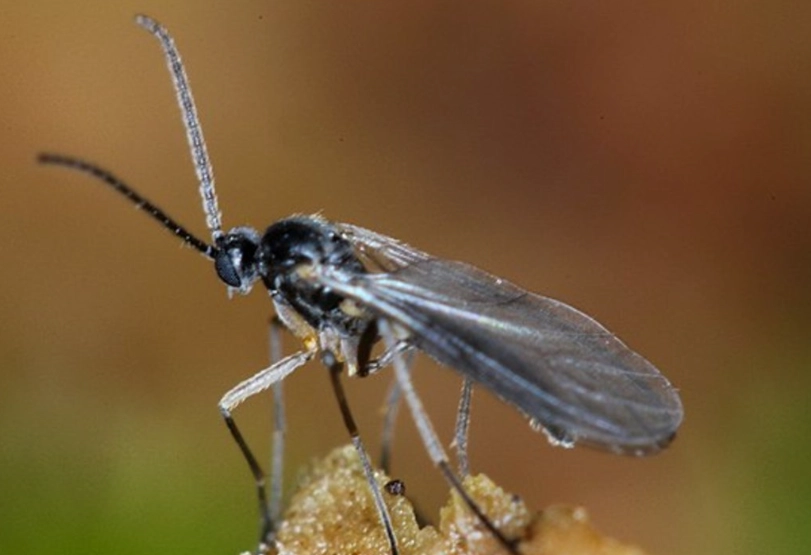
The Real Damage They Cause (It's Not Just the Flies)
Most blogs say fungus gnats are "just a nuisance." I disagree, especially for certain plants. The adults don't harm plants directly. The larvae are the issue.
For established, healthy plants, the larvae munching on root hairs is stressful but rarely fatal. It can stunt growth and cause unexplained yellowing. The real danger is for seedlings, cuttings, and plants already stressed by overwatering (like succulents or snake plants).
Here’s the subtle error few mention: The larval feeding creates microscopic wounds on the roots. These wounds are open doors for soil-borne fungal pathogens like Pythium (damping-off) and Fusarium. So, the gnats themselves might not kill your plant, but they pave the way for something that will. I've lost more than one tray of expensive rare plant seedlings this way, blaming "damping off" when the gnats were the initial vector.
How to Get Rid of Fungus Gnats: A Step-by-Step Battle Plan
Throwing a sticky trap at the problem is like putting a band-aid on a broken pipe. You need a combined assault on every life stage. This is the integrated pest management (IPM) approach I've refined.
Phase 1: Immediate Action (The First 48 Hours)
Isolate and Assess: Move the infested plant away from others. Check all your plants. Gnats spread easily.
Deploy Yellow Sticky Traps: Use them correctly. Don't just stick one in the pot. Lay them horizontally on the soil surface to catch emerging adults. Also, place them vertically near the plant. This gives you a visual gauge of the adult population.
Let the Soil Dry: This is non-negotiable. Fungus gnat eggs and larvae need constant moisture. For most houseplants, let the top 1-2 inches of soil become completely dry before you even think about watering again. For succulents and similar plants, let it dry almost completely. This alone can break the cycle.
Phase 2: Attacking the Source in the Soil (Week 1-2)
Now we target the larvae. You have a few options, and I often combine them.
| Method | How It Works | Best For / Notes |
|---|---|---|
| Hydrogen Peroxide Drench | 3% H2O2 mixed 1:4 with water. Water the soil thoroughly. It fizzes, killing larvae and eggs on contact via oxidation. | Fast knockdown. Good for severe infestations. It's a short-term fix and can harm beneficial soil microbes if overused. |
| Bacillus thuringiensis israelensis (Bti) | Bacterial toxin (like Mosquito Bits/Dunks) specific to fungus gnat and mosquito larvae. Soak bits in water, then use that water. | My top recommendation. Biological, safe, and highly effective. It has a residual effect for 1-2 weeks. This is a game-changer. |
| Beneficial Nematodes (Steinernema feltiae) | Microscopic worms that seek out and parasitize larvae in the soil. | Extremely effective for large collections or serious infestations. They need moist soil to move, so apply after a light watering. |
| Cinnamon or Sand Topping | A 1/2-inch layer of horticultural sand or a dusting of cinnamon on the soil surface. | More of a deterrent than a killer. It can dry out the top layer and make it harder for adults to lay eggs. Looks messy. |
A common mistake is using "water with a dash of dish soap." This does little to larvae buried in the soil and can damage your plant's roots by stripping natural oils.
Phase 3: Monitoring and Follow-Up (Ongoing)
Keep the sticky traps up for at least a month after you stop seeing adults. Reapply Bti with every other watering for a few cycles. The goal is to catch any stragglers and prevent a resurgence.
Long-Term Prevention: A New Watering Mindset
Eradication is pointless if you don't change the conditions that invited them. Fungus gnats are a symptom of overwatering and overly organic, moisture-retentive soil.
- Water Deeply, Then Dry: Learn the weight of your pots. Water only when the plant needs it, not on a schedule. Soak the soil completely, then let it dry appropriately.
- Improve Drainage: Repot in a well-draining mix. For tropical plants, I add 20-30% perlite or pumice to a standard potting mix. For plants prone to rot, use even more.
- Quarantine and Inspect New Plants: Every new plant gets a two-week isolation period. I often do a preventative Bti soak for its first watering, just in case.
- Clean Up: Remove dead leaves and debris from the soil surface. They hold moisture and provide food for fungi (which feed the larvae).
- Bottom Watering: Consider bottom watering for suitable plants. It keeps the top few inches of soil dry, discouraging egg-laying.
Research from universities like Cornell's College of Agriculture and Life Sciences consistently points to soil moisture management as the cornerstone of fungus gnat prevention. It's not a magic product; it's a habit.
Your Fungus Gnat Questions Answered
Winning the war against fungus gnats is about patience and strategy, not panic. It taught me to be a better plant caretaker, to read my plants' needs rather than follow a calendar. Start with drying out, deploy Bti, and commit to better watering habits. Your plant collection will be gnat-free and healthier for it.