Let's cut to the chase. You want to grow tomato plants that give you more than just leaves and disappointment. I've seen it all—plants that grow six feet tall without a single fruit, tomatoes that rot before they ripen, the whole sad parade. After years of trial and more error than I'd like to admit, I've nailed down a system that works. This isn't about perfect gardening theory; it's about getting edible, sun-warmed tomatoes from your plant into your kitchen.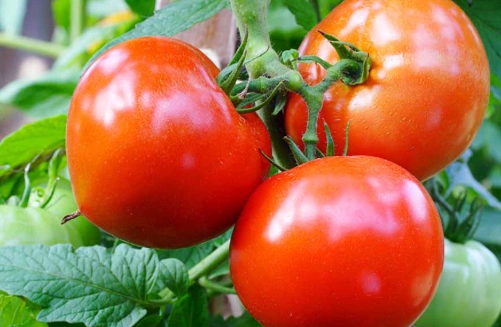
The biggest mistake beginners make? Treating all tomato plants the same. A tiny patio cherry tomato and a sprawling beefsteak need completely different strategies.
What You'll Learn in This Guide
How to Choose the Right Tomato Plant Variety
Walk into a garden center and you'll see dozens of options. It's overwhelming. The single most important decision isn't about flavor first—it's about growth habit.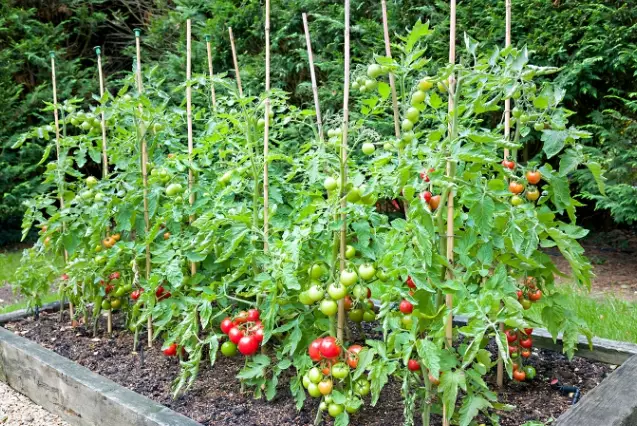
Indeterminate vs. Determinate: The Cage Match
Indeterminate tomatoes are the vines. They keep growing and producing fruit until frost kills them. They get tall, often over 6 feet. They need serious support—think tall cages or stakes. This is where you get your continuous harvest all summer. Most heirloom varieties are indeterminate.
Determinate tomatoes are the bushes. They grow to a set size (usually 3-4 feet), set all their fruit at once, and then they're done. Perfect for canning or if you have limited space. They still need support, but a standard cage often works.
I made the mistake of planting an indeterminate 'Brandywine' in a small raised bed one year. It took over half my garden by August. Lesson learned.
A Quick Comparison of Popular Types
| Variety Type | Growth Habit | Best For | Personal Favorite |
|---|---|---|---|
| Cherry/Grape | Mostly Indeterminate | Snacking, salads, containers | 'Sun Gold' (unbeatable sweetness) |
| Roma/Paste | Mostly Determinate | Sauces, canning, drying | 'San Marzano' (classic sauce tomato) |
| Beefsteak | Indeterminate | Slicing, sandwiches, flavor | 'Brandywine' (heirloom, fussy but worth it) |
| All-Purpose Slicing | Both | General use, reliability | 'Better Boy' (hybrid, disease-resistant) |
A piece of advice you won't see everywhere: if you're new, start with a hybrid. They're often bred for disease resistance and forgiveness. Heirlooms have amazing flavor but can be prima donnas. Get one hybrid for insurance and one heirloom for adventure.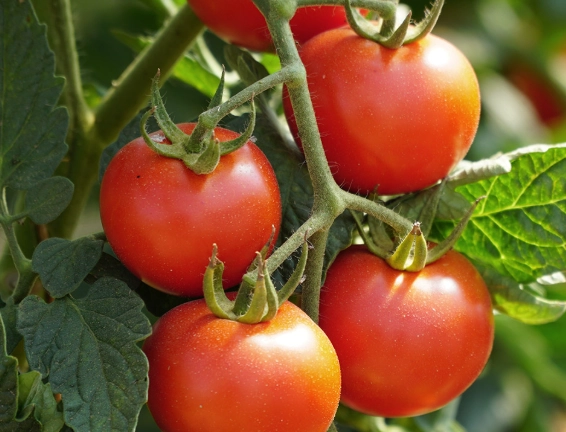
Planting Your Tomatoes: Soil, Sun, and Spacing
Tomatoes are heavy feeders and sun worshippers. Getting the start right solves half your future problems.
Location is Non-Negotiable
You need at least 6 hours of direct sun. 8 is better. Morning sun is good, but afternoon sun is what really builds sugars and color. Watch your yard for a few days. That spot that's sunny at 9 AM but shaded by 2 PM? Not good enough.
Soil: It's All About the Drainage
Tomato roots hate soggy feet. If your soil is heavy clay, you must amend it. I mix in several inches of compost and some coarse sand or perlite. Raised beds are a fantastic solution for poor drainage.
Here's a non-consensus move: Don't add fertilizer to the planting hole. Wait until the plant is established and flowering. A hot dose of fertilizer at planting can burn roots and encourage leafy growth at the expense of flowers. Just use plain compost.
Plant them deep. Seriously. Bury up to two-thirds of the stem. Tomato stems grow roots all along them when buried. This creates a massive, sturdy root system. Pinch off the lower leaves and plant it deep. It feels wrong, but it's right.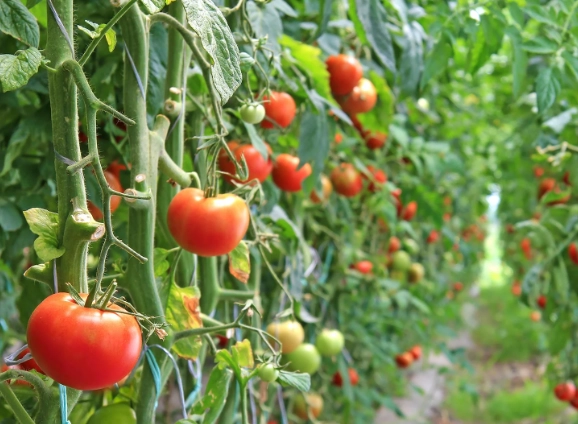
Watering and Feeding: The Rhythm of Growth
This is where most people mess up. Underwatering, overwatering, feeding at the wrong time.
The Watering Sweet Spot
Consistency is king. Inconsistent watering is the direct cause of blossom end rot (that nasty black bottom) and cracked fruit.
Water deeply, less frequently. Aim for 1-2 inches of water per week, including rainfall. In a heatwave, that might mean watering every day. The goal is to keep the soil evenly moist, like a wrung-out sponge, not a swamp and not a desert.
My method: I water at the base of the plant in the morning. Soaker hoses or drip irrigation are game-changers—they keep leaves dry (preventing disease) and deliver water right to the roots. Overhead watering with a sprinkler in the evening is asking for fungal trouble.
Feeding Your Plants Without Overdoing It
Tomatoes need three main nutrients: Nitrogen (N) for leaves, Phosphorus (P) for roots and flowers, Potassium (K) for overall health and fruit.
Stage 1 (Early Growth): A little balanced fertilizer is okay to get them going. But go light.
Stage 2 (Flowering & Fruiting): Switch to a fertilizer lower in nitrogen and higher in phosphorus and potassium. Look for numbers like 5-10-10 or similar. Too much nitrogen now gives you a gorgeous, bushy plant with no tomatoes.
Stage 3 (Mid-Season Boost): Side-dress with compost or a light application of your fruiting fertilizer when the first fruits are golf-ball sized.
A specific trick: When you see the first tiny tomatoes forming, that's your cue. That's the plant telling you it's shifting energy to fruit production. Feed it accordingly.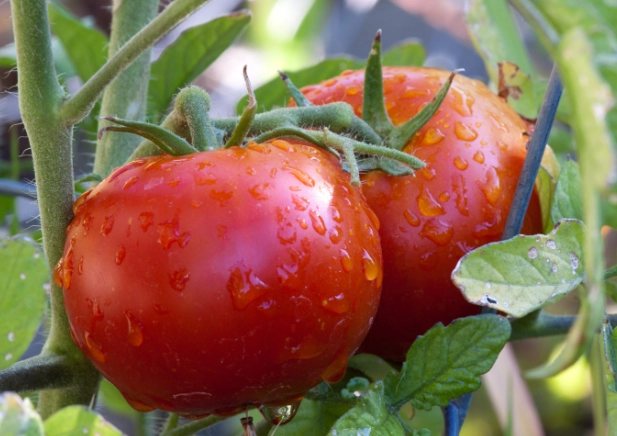
Solving Common Tomato Plant Problems
Something will go wrong. It always does. Here's how to diagnose the big ones.
Blossom End Rot: The Calcium Lie
Black, leathery spot on the bottom of the fruit. Everyone says "add calcium!" So you throw eggshells or lime at the soil. Often, it doesn't work. Why? Because the problem is rarely a lack of calcium in the soil. It's the plant's inability to move calcium to the fruit due to uneven watering. Calcium moves with water. Dry soil = no calcium delivery.
Fix: Mulch heavily (2-3 inches of straw or shredded leaves) to regulate soil moisture. Water consistently. That's usually it.
Yellowing Leaves: A Detective Game
Yellow leaves at the bottom? Could be normal aging, especially if the plant is fruiting heavily. It's pulling energy from old leaves.
Yellow leaves with brown spots, moving up the plant? Could be a fungal disease like early blight. Remove affected leaves, improve air circulation, avoid wetting foliage.
All-over yellowing? Could be a nutrient deficiency (often nitrogen) or overwatering.
The University of California's Integrated Pest Management program has excellent photo guides to diagnose these issues. Don't just spray something randomly.
The Support System You Actually Need
Flimsy, short tomato cages are useless for indeterminate varieties. They topple over by mid-July. Use:
- Heavy-duty, tall cages (at least 5 feet tall)
- Wooden stakes(6-8 feet), tying the main stem loosely as it grows
- Florida Weave: A system of stakes and twine that supports rows of plants. It's efficient for multiple plants.
Prune indeterminate plants by removing the "suckers"—the little shoots that grow in the crotch between the main stem and a branch. It focuses energy on fewer, better fruits. For determinate plants, don't prune much; you might cut off your fruit supply.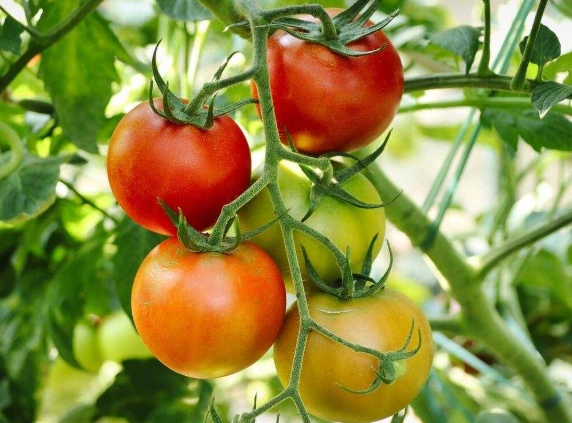
Harvesting and Storing Your Tomatoes
Picking at the right time makes all the difference in flavor.
Tomatoes ripen from the inside out. The best indicator is color and feel. For full-color varieties, wait until the fruit is fully colored (red, yellow, etc.) but still firm. It should come off the vine with a gentle twist. If you have to pull hard, it's not ready.
What if frost is coming and you have green tomatoes? Pick them all. Wrap each one individually in newspaper and store in a cool, dark place. Many will ripen slowly. You can also make fried green tomatoes—a fantastic consolation prize.
Never, ever refrigerate a ripe tomato. Cold temperatures destroy the flavor and texture, making them mealy. Store them at room temperature, stem-side down, out of direct sun. Eat them within a few days.
Growing tomato plants is part science, part stubborn optimism. You'll have setbacks. A squirrel will take one perfect bite out of your best fruit. It's part of the deal. But the moment you eat a tomato that's still warm from the sun, a tomato that you grew from a tiny plant, you'll get it. It's worth every bit of the effort.
Quick Answers to Your Tomato Questions
Why are the bottoms of my tomatoes turning black and rotting?
That's blossom end rot. It's not a disease, but a calcium deficiency in the fruit caused by uneven watering. The plant can't move calcium to the fruit fast enough when water is inconsistent. To fix it, ensure deep, regular watering and mulch heavily to retain soil moisture. Adding more calcium to the soil rarely helps if the watering is erratic.
How do I know if I'm watering my tomato plant enough?
Stick your finger into the soil. If it's dry past the first knuckle (about 1-2 inches down), it's time to water. In hot weather, that might be daily. The goal is consistent moisture, not soggy soil. A wilting plant in the afternoon sun is normal; if it's still wilted in the morning, you've waited too long.
Can I grow tomatoes indoors year-round?
You can, but it's a challenge. You'll need a very large container (at least 5 gallons), a dwarf or determinate variety, and most importantly, a powerful full-spectrum grow light for 14-16 hours a day. Pollination is another hurdle—you'll need to gently shake the flowers or use a small brush. It's doable for cherry types, but full-size tomatoes often struggle without ideal, greenhouse-like conditions.
What's the secret to sweeter tomatoes?
Stress them a little. Once fruits start to color, reduce watering slightly. This concentrates the sugars. Also, ensure they get maximum sunlight. Variety is the biggest factor, though. Cherry tomatoes and many heirlooms are bred for flavor, while some commercial hybrids prioritize yield and shelf life over taste.