Let's be honest. The idea of a vegetable garden is intoxicating—sun-ripened tomatoes, crisp lettuce for lunch, herbs just steps from your kitchen. The reality for many beginners? A few spindly plants, a bug infestation, and a feeling of defeat. I've been there. My first garden was a weedy patch of disappointment. But over the years, I've learned it's not about having a green thumb; it's about understanding a few simple, non-negotiable principles. This guide skips the fluff and gives you the actionable steps to turn that dream into a productive, satisfying reality.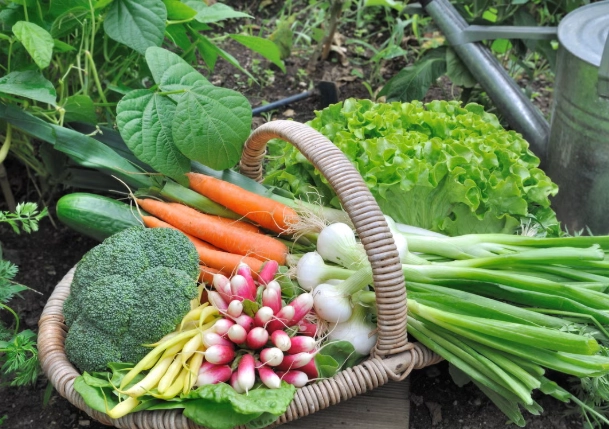
Your Quick Garden Route Map
- How to Start Your First Vegetable Garden
- What Are the Best Vegetables for Beginner Gardeners?
- Small Vegetable Garden Ideas for Patios and Balconies
- The Secret's in the Soil: Preparation is Everything
- Planting, Watering, and Feeding Your Crops
- Solving Common Vegetable Garden Problems
- When and How to Harvest and Store Your Bounty
- Your Vegetable Garden Questions Answered
How to Start Your First Vegetable Garden
Forget grand designs. Start small. A 4' x 8' raised bed or a few large containers is perfect. The biggest mistake is planting a huge plot in April and being overwhelmed by July's weeding and watering. Choose a spot with at least 6-8 hours of direct sunlight. Watch the sun across your yard—morning sun is good, but afternoon sun is crucial for fruiting plants like tomatoes and peppers.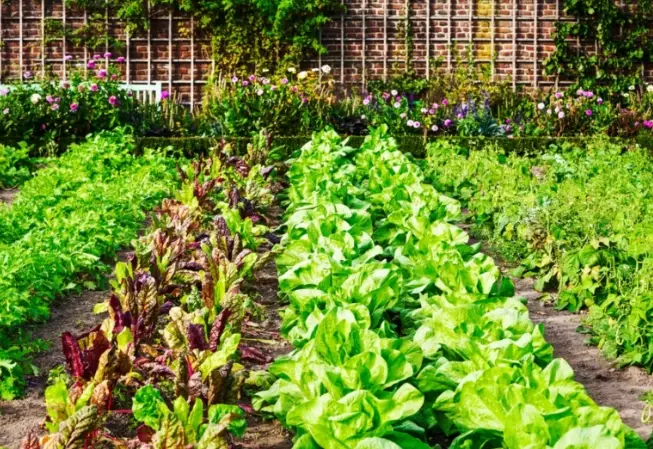
Access to water is non-negotiable. Carrying watering cans gets old fast. Your site should be relatively level and have decent soil drainage. If water pools after a rain, you'll need to build up or amend heavily.
What Are the Best Vegetables for Beginner Gardeners?
Grow what you like to eat, but start with forgiving, productive varieties. Here are my top picks, proven over seasons of trial and error.
| Vegetable | Why It's Great for Beginners | Key Tip |
|---|---|---|
| Lettuce & Leafy Greens (Spinach, Kale, Arugula) | Fast-growing. You can harvest leaves multiple times. Tolerates cooler weather. | Plant successive batches every 2 weeks for a continuous harvest. |
| Radishes | Matures in about 25 days. Instant gratification and a great confidence booster. | Don't let them sit in the ground too long or they become woody and spicy. |
| Green Beans (Bush variety) | Easy to grow from seed. Very productive. Fixes nitrogen in the soil. | Wait until soil is warm to plant. Pick regularly to encourage more pods. |
| Zucchini / Summer Squash | Extremely productive (often too productive!). A single plant feeds a family. | Check plants daily when fruiting. A zucchini can go from small to baseball bat size overnight. |
| Tomatoes (Cherry or determinate types) | The taste of homegrown is unmatched. Cherry tomatoes are the easiest. | Buy healthy transplants. Provide strong support (cage/stake) from day one. |
| Basil | Thrives with tomatoes. Easy from seed or transplant. Pests usually leave it alone. | Pinch off flower buds to keep the plant producing tasty leaves. |
I'd suggest avoiding cauliflower and Brussels sprouts as a beginner. They have a long growing season and are more finicky. Master the easy wins first.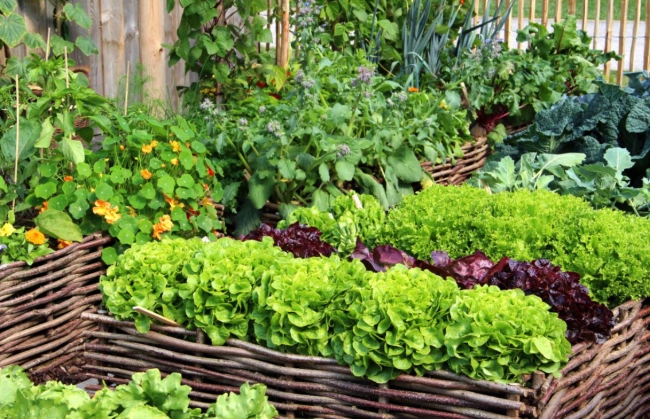
Small Vegetable Garden Ideas for Patios and Balconies
No yard? No problem. You'd be shocked what you can grow on a sunny balcony or patio.
Container Gardening is Your Friend
The container is your garden bed. Bigger is better for root space and moisture retention. A 5-gallon bucket (with drainage holes drilled) is perfect for a tomato or pepper plant. Use fabric grow bags for excellent drainage and air-pruning of roots. Herbs, lettuce, peppers, and eggplant all thrive in pots.
Go Vertical
Use your air space. A trellis attached to a wall or railing can support peas, pole beans, or even small cucumbers. Hanging baskets are great for trailing plants like cherry tomatoes or strawberries. You can even find vertical planters with pockets for growing herbs and greens.
I grew a full salad garden one summer on a 4'x6' balcony using two vertical towers and a few large pots. It was lush, productive, and felt like a secret green oasis.
The Secret's in the Soil: Preparation is Everything
This is where most tutorials gloss over the most critical part. Your plants are only as good as the soil they live in. Think of soil as a living city, not just dirt.
Get a Soil Test. Your local cooperative extension office (like those run by land-grant universities) offers cheap tests. This tells you your soil's pH and nutrient levels. Most veggies prefer a pH between 6.0 and 7.0. If your soil is too acidic (low pH), you add lime. Too alkaline (high pH), you add sulfur. It's that simple, and it makes a world of difference.
Add Organic Matter. This is the magic ingredient. Compost, compost, compost. It improves drainage in clay soil and water retention in sandy soil. It feeds the beneficial microbes and worms that create a healthy ecosystem. You can buy it in bags, but making your own from kitchen scraps is free and incredibly satisfying.
When preparing a new bed, work in a 2- to 4-inch layer of compost into the top 6-8 inches of soil. For an existing bed, a top dressing of an inch of compost each spring is like a vitamin shot for your garden.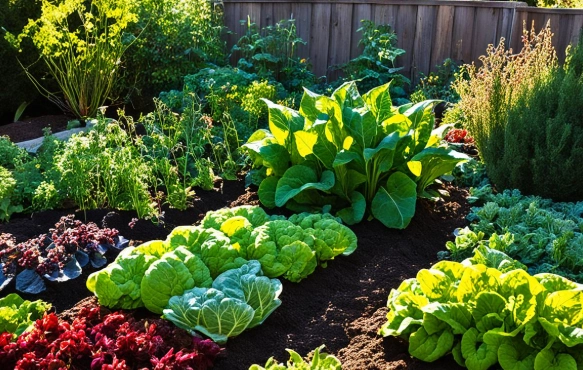
Planting, Watering, and Feeding Your Crops
Planting: Follow the Instructions
Read the seed packet or plant tag. It tells you planting depth, spacing, and days to maturity. Crowding plants is a huge mistake—it creates competition for light and water and encourages disease. Give them room to breathe.
Watering Deeply and Infrequently
Forget daily sprinkles. You want to encourage deep roots. Water slowly and thoroughly, allowing moisture to penetrate 6-8 inches down. Then let the top inch or two of soil dry out before watering again. A soaker hose or drip irrigation system on a timer is a game-changer for consistency and water conservation.
Feeding: Less is Often More
If you built good soil with compost, you might not need much extra fertilizer. If plants look pale or growth is stunted, use an organic, balanced fertilizer (like a 5-5-5) according to package directions. Over-fertilizing, especially with high-nitrogen synthetic feeds, can give you lots of leaves but no fruit and can harm soil life.
Solving Common Vegetable Garden Problems
Something will go wrong. It's part of gardening. The key is not to panic.
Weeds: Mulch is your best defense. A 2-3 inch layer of straw, shredded leaves, or wood chips smothers weed seeds, conserves moisture, and moderates soil temperature. Pull weeds when they're small, roots and all.
Pests: You will see bugs. Most are harmless. Before reaching for spray, identify the culprit. Is it really causing damage? Often, natural predators like ladybugs and birds will move in. For aphids, a strong jet of water knocks them off. Hand-pick caterpillars. For persistent issues, insecticidal soap or neem oil are effective organic options. Resources like the University of California’s Integrated Pest Management program are invaluable for identifying pests and solutions.
Disease: Prevention is key. Water the soil, not the leaves (this is where drip irrigation shines). Ensure good air spacing. Rotate crops each year if possible—don't plant tomatoes in the same spot two years in a row.
When and How to Harvest and Store Your Bounty
Harvesting at the right time is crucial for flavor and texture.
- Lettuce: Harvest outer leaves when they're large enough to eat.
- Tomatoes: Harvest when they're fully colored and slightly soft to the touch.
- Zucchini: Harvest when they're 6-8 inches long for best flavor.
- Green beans: Harvest when the pods are firm but before the seeds inside bulge.
Store vegetables properly to maximize freshness. Most leafy greens store best in a plastic bag in the crisper of your refrigerator. Tomatoes should be stored at room temperature for better flavor.
Your Vegetable Garden Questions Answered
What's the single biggest mistake new vegetable gardeners make?
It's not preparing the soil properly. Many people just dig a hole and drop in a plant. The soil needs to be loose, well-drained, and rich in organic matter. A healthy soil structure is critical for root growth and nutrient uptake.
How can I improve poor soil for a vegetable garden?
The best way is to add compost. Compost improves soil structure, provides nutrients, and promotes beneficial microbial activity. You can also incorporate other organic matter like well-rotted manure or leaf mold.
What are the best vegetables to grow in a small space or container?
Some excellent choices for small spaces include lettuce, radishes, green onions, herbs, and cherry tomatoes. Choose compact or dwarf varieties when available, and ensure your containers have adequate drainage holes.
How do I control pests in my vegetable garden organically?
Start with prevention: keep your plants healthy and use physical barriers like row covers. Encourage beneficial insects by planting flowers. Hand-pick larger pests. For persistent problems, use organic solutions like insecticidal soap or neem oil, targeting the specific pest.