What You'll Find in This Guide
I remember planting my first tulip bulbs two decades ago. I followed the packet instructions, dug holes 4 inches deep, and waited. Come spring, I had a few flowers, but by next year, nothing. Squirrels had feasted, and the bulbs rotted. It was frustrating, but it taught me that tulips aren't as simple as they seem. This guide dives into the nitty-gritty of growing tulips that not only bloom but come back, based on hard-earned experience and research from sources like the Royal Horticultural Society.
Why Tulips Matter Beyond Just Spring Color
Tulips are more than just pretty faces in the garden. They signal spring, but did you know some varieties can perennialize if treated right? Most people think of tulips as one-hit wonders, but with the right approach, you can enjoy them for years. The key is understanding their lifecycle: they bloom in spring, store energy in the bulb, and go dormant in summer. If you cut the foliage too early or plant in soggy soil, you break that cycle.
I've seen gardens where tulips are mixed with perennials like daylilies—the daylilies hide the dying tulip leaves later in summer. It's a smart trick that makes maintenance easier. Tulips also come in types beyond the common hybrids. Species tulips, like Tulipa sylvestris, are tougher and more likely to naturalize. They're less showy but more reliable, a trade-off worth considering.
Planting Tulips Right: Avoiding Common Pitfalls
Planting tulips wrong is the top reason for failure. Let's break it down step by step, with specifics that most guides gloss over.
When to Plant: Timing Isn't Just About Frost
Plant in fall, when soil temperatures drop below 60°F. In most of the U.S., that's late September to November. But here's a nuance: if you plant too early in warm soil, bulbs might sprout prematurely and get zapped by frost. I wait until after the first light frost hits—it's a natural cue. In warmer zones like 8-9, chill bulbs in the fridge for 6-8 weeks before planting to simulate winter.
Where to Plant: Sun and Drainage Are Non-Negotiable
Tulips need full sun—at least 6 hours daily. Partial shade leads to floppy stems and fewer blooms. Drainage is even more critical. If your soil is clay-heavy, don't just add compost; it can still hold water. Instead, plant bulbs on a bed of coarse sand or gravel. Dig the hole, add a 2-inch layer of sand, place the bulb, and backfill. This creates a drainage zone that prevents rot.
How Deep and How Far Apart: The Squirrel Factor
Depth matters more than you think. Most sources say 6-8 inches, but I go for 8 inches consistently. Why? Squirrels rarely dig that deep. Planting shallow at 4 inches is an invitation for theft. Spacing: 4-6 inches apart for a full look, but if you want naturalization, scatter bulbs and plant where they land. After planting, water thoroughly to settle the soil, then leave it. No need to fertilize at planting if the soil is decent.
Tulip Care Through the Seasons: A Monthly Breakdown
Tulips aren't plant-and-forget. They need attention through the year, but it's minimal if done right.
Spring (March-May): As shoots emerge, water if it's dry, but don't overdo it. Once flowers bloom, deadhead spent blooms to prevent seed formation, which saps energy from the bulb. Leave the foliage! This is crucial. The leaves photosynthesize and recharge the bulb for next year. I tie them loosely with twine to keep them tidy.
Summer (June-August): After foliage yellows and dies back, you can cut it to the ground. This is usually 6 weeks after blooming. During dormancy, keep the area dry. If you have irrigation, avoid watering tulip beds. I made the mistake of watering my garden evenly one summer, and the tulip bulbs rotted. Now, I plant them in spots that stay dry naturally.
Fall (September-November): If bulbs need dividing or moving, do it now. Check for rot or pests. A light application of bulb fertilizer in early fall can help, but it's not essential if the soil is rich.
Winter (December-February): In cold zones, a layer of mulch after the ground freezes can prevent frost heave. But avoid mulching too early, as it can attract rodents.
Solving Tulip Problems: Pests, Diseases, and Failures
Things go wrong. Here's how to fix common issues, based on my own battles.
| Problem | Symptoms | Solution |
|---|---|---|
| Bulb Rot | Soft, mushy bulbs, no sprouts | Improve drainage with sand; avoid overwatering; remove affected bulbs |
| Squirrel/Theft | Missing bulbs or dug-up holes | Plant 8 inches deep; use chicken wire over planting area; try repellents like blood meal |
| Flopping Stems | Stems bend or break | Ensure full sun; plant in sheltered spots; choose shorter varieties like Darwin hybrids |
| No Rebloom | Leaves but no flowers after first year | Allow foliage to die naturally; plant species tulips; avoid hybrid types in perennial beds |
Diseases like tulip fire (botrytis) show as spotted leaves. Remove infected plants and avoid planting tulips in the same spot for 3 years. According to the American Phytopathological Society, crop rotation helps prevent fungal buildup. I've seen this work in my garden—moving bulbs every few years keeps issues at bay.
Pests: Aphids can spread viruses. Spray with insecticidal soap early in the season. Deer might browse; use fencing or plant in containers they can't reach.
Design Tips for Tulips in Your Garden
Tulips don't have to stand alone. Mix them for longer interest.
Combine early tulips like 'Red Emperor' with late daffodils for a staggered bloom. Underplant with ground covers like creeping phlox—they hide dying tulip leaves. In borders, plant tulips behind perennials that emerge later, like hostas. I did this in my shade garden, and it looks seamless by June.
For pots, use a deep container (at least 12 inches) with drainage holes. Plant bulbs in layers for a lasagna effect: late bloomers deep, early ones shallow. This gives weeks of color. After blooming, move the pot to a discreet spot to let foliage die back, or transplant bulbs to the garden.
Color schemes: Monochromatic plantings (all reds or whites) make a bold statement. Pastel mixes feel soft. I prefer pairing purple tulips with yellow pansies—it's a classic combo that pops.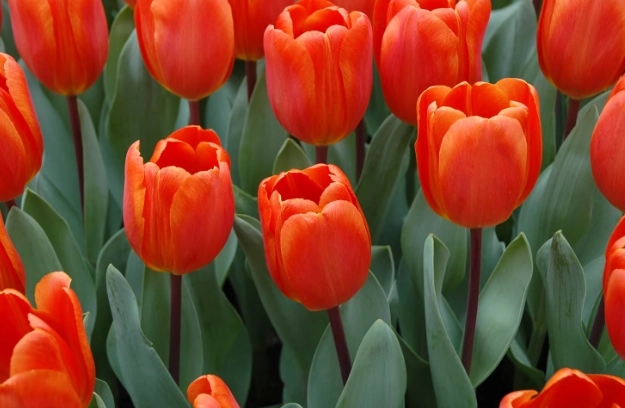
Your Tulip Questions Answered